That is 0 articles you have read today.
The Aporia is free and carries no advertising, so readers are the only
thing paying for it. If you are getting this much out of it, a small
donation is what keeps it independent.
You have read 0 articles today.
That is more than the 15 a day The Aporia gives away,
and well past what it can carry on nothing. Your allowance resets at
midnight.
There is no advertising here and nothing about you is sold, so readers
are the only thing paying for it. If the site is worth this much of
your day, it is worth a few dollars.
Everything else stays open: the front page, the
directory and search do
not count against this, and neither does re-opening something you have
already read today.
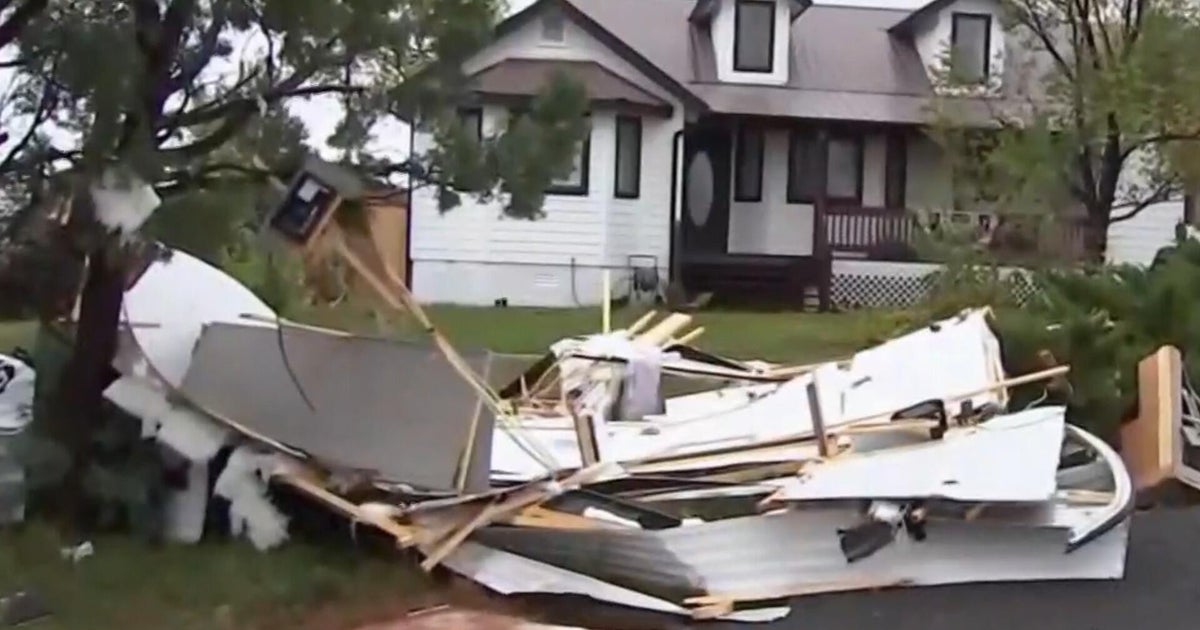
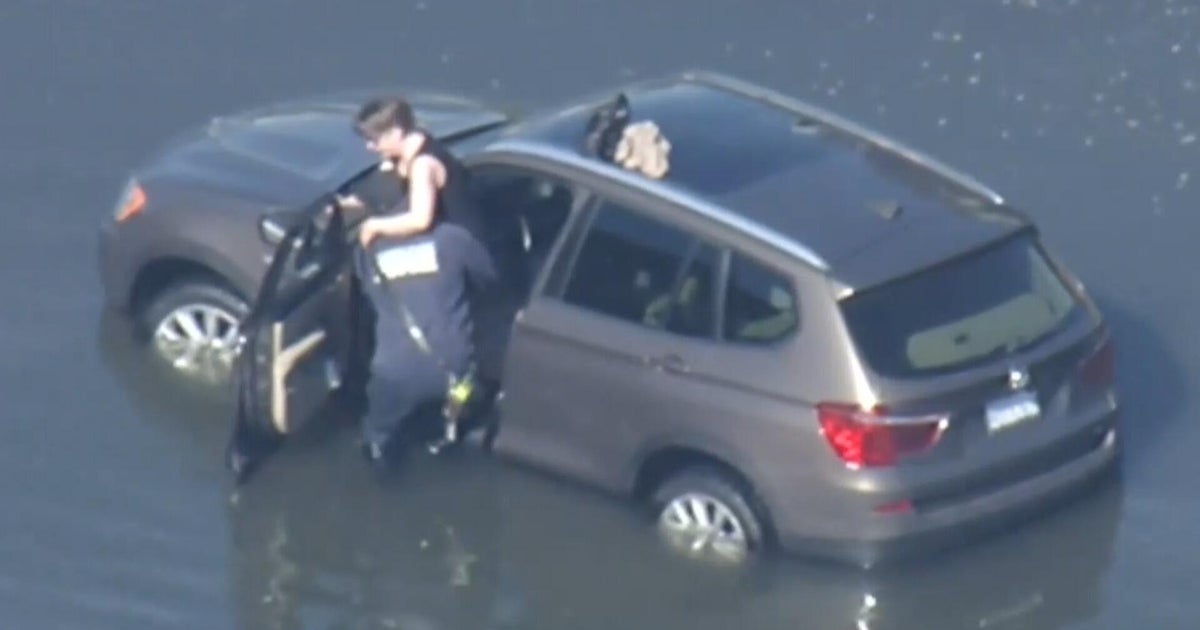
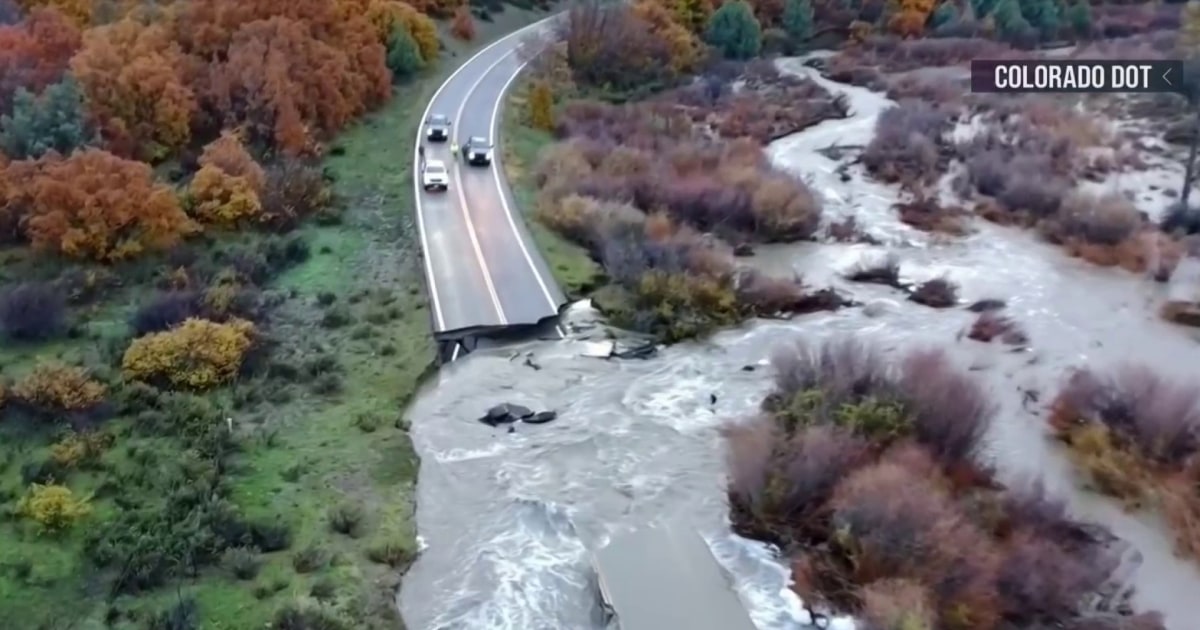
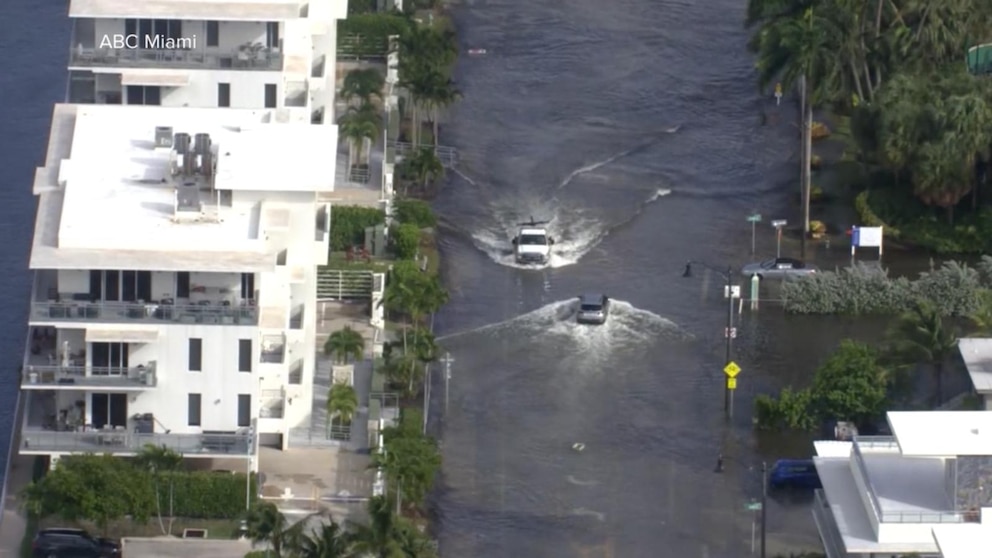
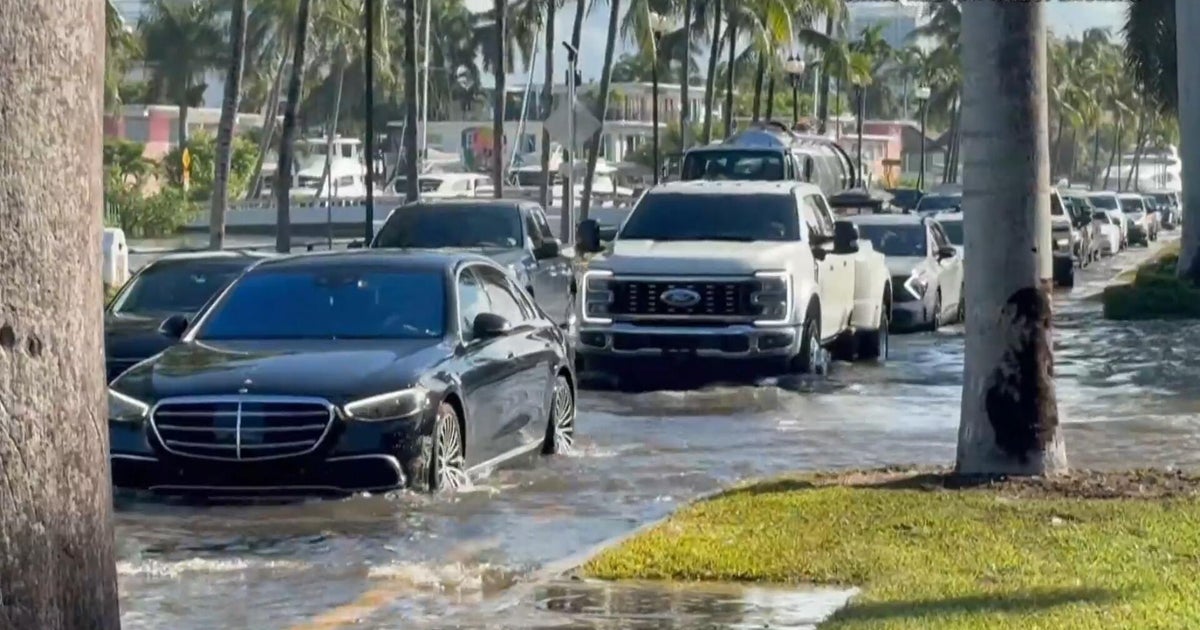
Photo via CBS News
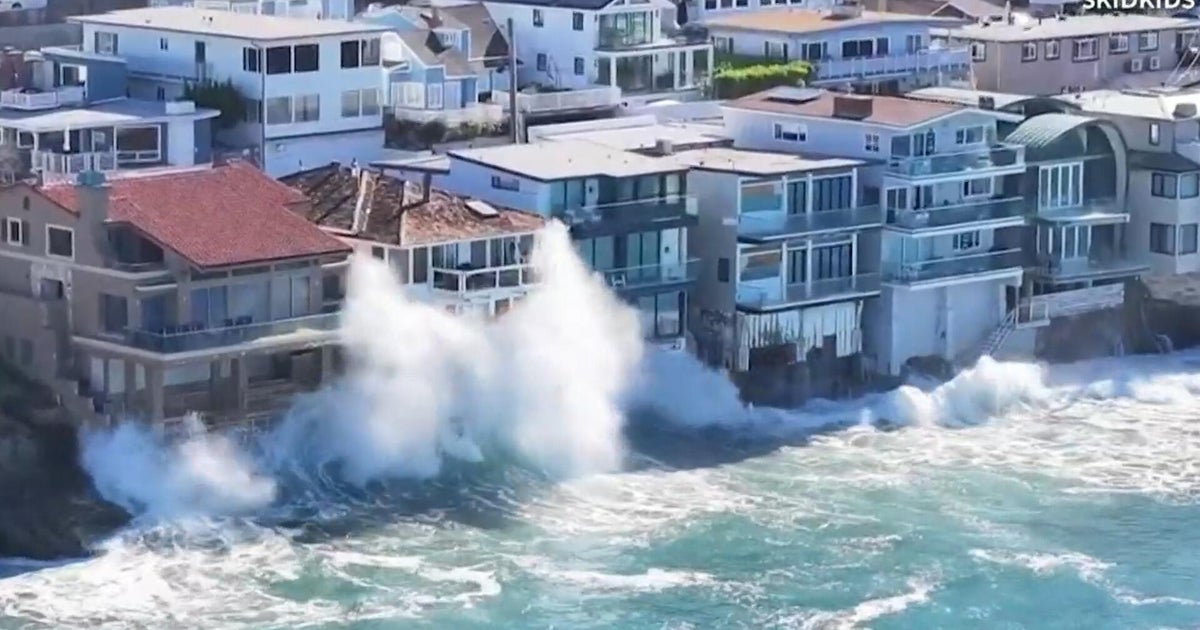
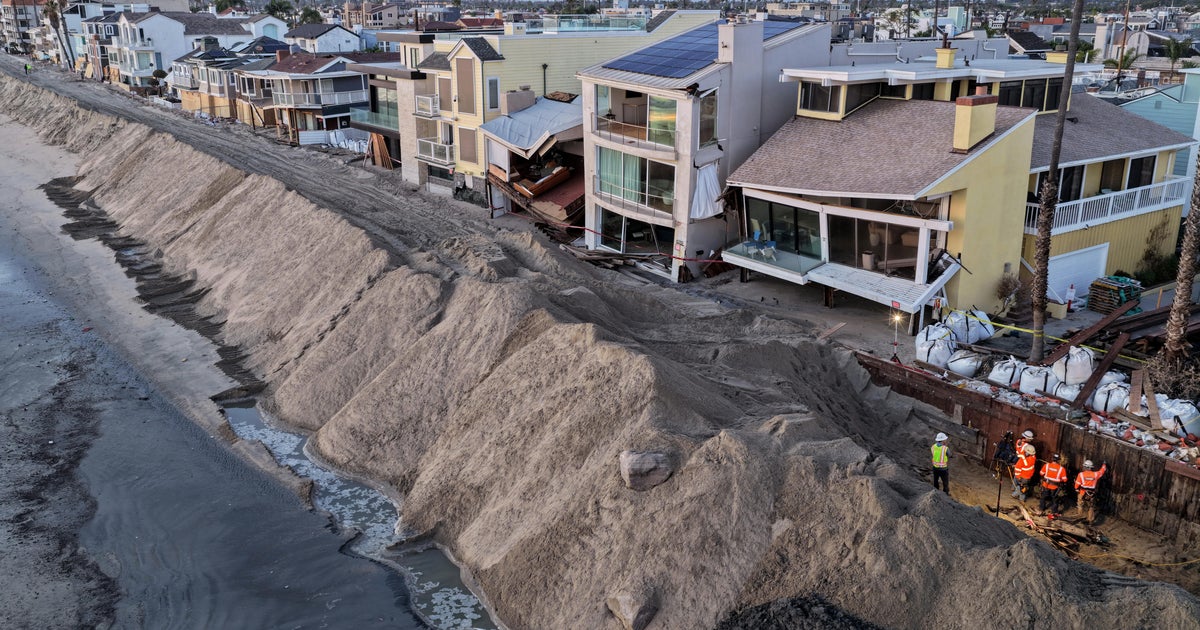
West Coast communities bracing for high tides as storms bring flooding
West Coast communities bracing for high tides as storms bring flooding. (2026, October 25). CBS News. https://www.cbsnews.com/video/west-coast-communities-bracing-for-high-tides-as-storms-bring-flooding/
“West Coast communities bracing for high tides as storms bring flooding.” CBS News, 25 Oct. 2026, https://www.cbsnews.com/video/west-coast-communities-bracing-for-high-tides-as-storms-bring-flooding/.
“West Coast communities bracing for high tides as storms bring flooding.” CBS News, October 25, 2026. https://www.cbsnews.com/video/west-coast-communities-bracing-for-high-tides-as-storms-bring-flooding/.
Dated from the outlet's own feed. Check the original for its byline.
Residents in West Coast areas are preparing for high tides that could exacerbate existing flood conditions caused by recent storms. The coverage includes a report by meteorologist Akiko Fujita and weather forecasts provided by Andrew Kozak.
Written by AI on 2026-10-25,
from this article's own text only (the story summary below draws on all the coverage).
As of October 25, 2026, coastal areas in California, including Los Angeles, Ventura, Santa Barbara, and San Luis Obispo counties, are under a coastal flood advisory due to "very high" king tides. The National Weather Service (NWS) predicts that morning high tides will reach up to 8 feet each day from Sunday through Thursday, which is 1.0 to 1.5 feet above astronomical projections. This could lead to minor to moderate flooding in low-lying coastal areas such as beach parking lots, bike paths, and harbor walkways, along with significant beach erosion. Additionally, a coastal flood warning has been issued for San Diego and Orange County, where officials expect tides to reach at least 6 feet starting Monday, potentially climbing above 8 feet in Newport Beach. The high tides are exacerbated by ongoing El Niño conditions over the Pacific Ocean, leading to unusually strong tidal surges and flooding concerns across multiple West Coast communities.
Written for “Flood Alert For West Coast Communities” on 2026-11-21,
grounded in this article and the 2 other(s) covering the same event.
How they differ
2 outlets covered “Flood Alert For West Coast Communities”.
What each outlet says
One AI summary per outlet of its latest article on this story, written from that article alone and checked against it. Open the article for the outlet's own words.
CBS NewsThis outlet25 Oct
Residents in West Coast areas are preparing for high tides that could exacerbate existing flood conditions caused by recent storms. The coverage includes a report by meteorologist Akiko Fujita and weather forecasts provided by Andrew Kozak.
West Coast communities bracing for high tides as storms bring flooding (this article)New York Post25 Oct
The National Weather Service has issued a coastal flood advisory for Los Angeles, Ventura, Santa Barbara, and San Luis Obispo counties starting Sunday morning until Thursday afternoon due to high king tides reaching up to eight feet. High confidence exists in expected rainfall affecting Halloween weekend activities in the region, though specific amounts remain uncertain. Newport Beach has activated its emergency…
“The articles describe different stages or aspects of weather events affecting similar regions but do not detail the exact same incident at the same time.”
“While related to flooding and high tides on both coasts, the articles describe different phases or impacts of an ongoing situation rather than a single specific incident.”
“The articles describe different phases of flooding events; Article A refers to communities bracing for high tides and recent flooding, while Article B reports on evacuations due to catastrophic floods.”
“While both articles discuss high tides affecting coastal areas on the West Coast and in Florida, they describe different time periods with Article A referring to preparations before an event while Article B covers a specific incident that occurred after.”
“While both articles discuss flooding related to high tides along the West Coast, they refer to different time periods (bracing for vs. ongoing impact) and locations within the coasts.”
“The articles describe different time periods of coastal flooding events; one mentions bracing for high tides while the other reports on actual impacts from unusually high tides over a weekend.”
“While both articles discuss high tides causing flooding along coastal areas in California, they refer to different time periods with Article A focusing on forecasts for a future week and Article B reporting on ongoing preparation.”
“The articles describe a similar situation but refer to different times and details. Article A mentions bracing for high tides, while Article B shows actual flooding with 'record-breaking tides' two days later.”
“While both articles discuss coastal flooding due to high tides in California, Article A is a broader report about preparation for high tides along the West Coast and Southwest, whereas Article B focuses on specific photos and details of record-breaking flooding in Southern California a few days later.”
 The Aporia