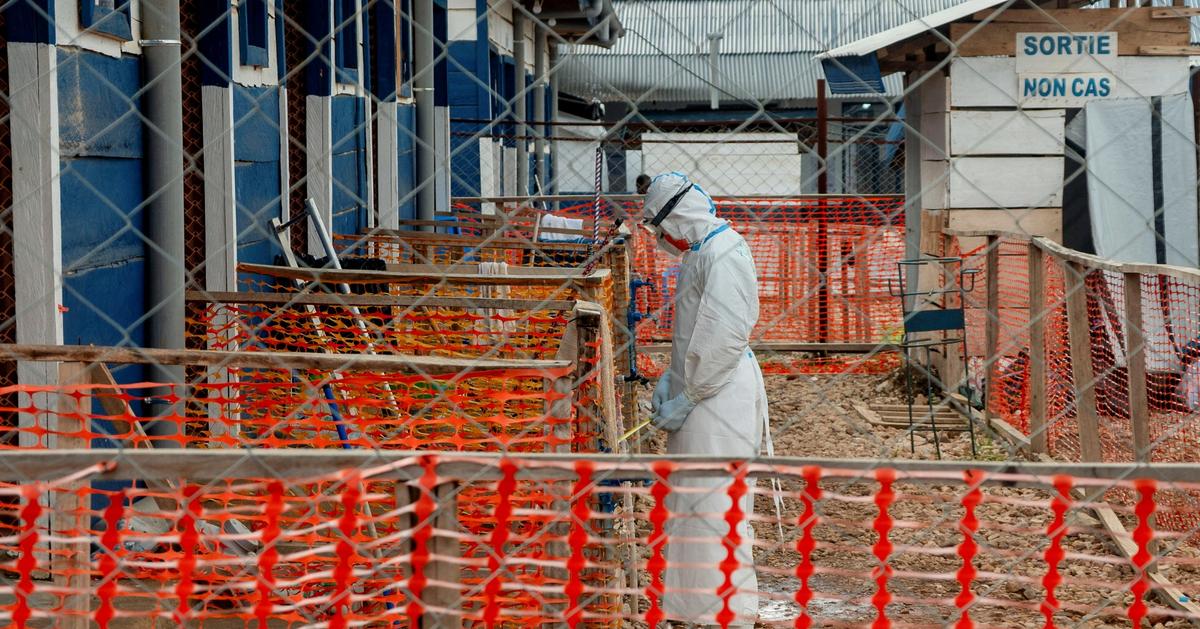
Photo via Semafor

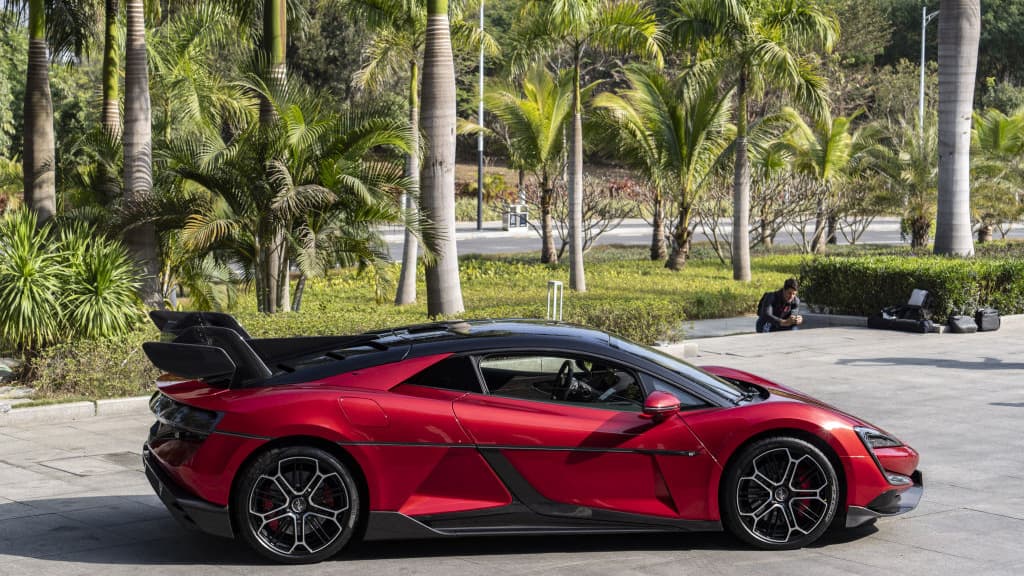
Western luxury falters in China

Read the original at Semafor ↗
Cite

Gonzalez, J. (2026, October 25). Western luxury falters in China. Semafor. https://www.semafor.com/article/10/25/2026/western-luxury-falters-in-china

Dated from the outlet's own feed. Check the original for its byline.

Semafor · collected 2026-10-25 · by Jeronimo Gonzalez

Quick Summary

Western luxury brands have lost about $280 billion in value this year as Chinese consumers shift their spending towards domestic products, which are improving in both quality and price competitiveness. This trend is part of Beijing's strategy to enhance China’s reputation for producing high-quality goods, leading Chinese companies to gain market share in sectors traditionally dominated by Western firms such as pharmaceuticals and precision optics. While US and European investors show interest in these Chinese companies, the growing similarity between what China exports and what Western countries export could exacerbate existing trade tensions, according to an expert at the Council on Foreign Relations.
Written by AI on 2026-10-25, from this article's own text only (the story summary below draws on all the coverage).

AI analysis

Story summary

Western luxury brands have lost approximately $280 billion in value this year as Chinese consumers increasingly prefer domestic products over imports. This shift is partly due to Beijing's efforts to improve the quality perception of "made in China" goods. As a result, Chinese companies are now competing effectively with Western firms not just on price but also on quality across various industries, including high-precision lenses and pharmaceuticals. These developments have attracted interest from US and European investors looking to capitalize on growth opportunities in China. However, the growing similarity between Chinese and Western export products may exacerbate existing trade tensions, according to an expert at the Council on Foreign Relations.
Written for “Western Luxury Falters In China” on 2026-11-21, grounded in this article and the 0 other(s) covering the same event.

Compared with similar articles

This article reads leans left and hedges 20% of its claims. Each row says how that neighbour differs.
TIME
Leans right further right than this Hedges 6 of 73 claims Outlet record 60/100
“The articles discuss different aspects of China's economic relationship with the world, but do not describe the same specific incident or occurrence.”

Story

Western Luxury Falters In China
Economy/Business · 1 article(s) covering the same event.
How this article was measured signals, leaning charts, publisher record, byline, topics and claims

Signals How these are calculated →

Claims extracted
5
sentences that state something as happening or true
Uncertain
20%
1 of 5 hedged ("reportedly", "may", "according to")
Leaning
Leans left
of the writing, not the subject · beta estimate
Publisher signals
64/100
Semafor's corrections and hedging, across everything collected from it. Not a measure of accuracy.
Outlets on this story
1
Economy/Business
Same framing elsewhere
1
articles that frame the event the way this one does
Analyzed 2026-10-25 · how these are computed

How this is being covered How these are calculated →

Article leaning vs. publisher reliability
Source leaning vs. consistency

Publisher

Semafor · 1931 article(s) · 7 correction(s) detected
Running correction rate · 7 correction(s)

Who wrote this

Jeronimo Gonzalez
93 article(s) here · 1 carrying a prediction
Renewed hostilities across the Middle East fed fears that simmering clashes could escalate into full-blown regional conflicts once again.
The leader of Venezuela’s opposition has likewise called for more scrutiny, while pushing for elections she hopes may give investors the security necessary to commit the billions of dollars the country’s ailing economy needs.
2026-11-19 · mixed framing · The US and Venezuela reestablish military ties
Purchases of non-perishable goods, batteries, and generators are soaring, leading some analysts to raise the share price forecast for wholesaler Costco.
2026-11-18 · assertive framing · US technology outages spark paranoia
The transformation is notable: When Washington shepherded Beijing into the World Trade Organization 25 years ago, “the US thought it could change China,” Bloomberg noted.
Trump, for his part, appears eager to avoid another trade war with Beijing, vowing to stop short of moves that could “insult China,” though hawks hope his words “are merely diplomatic niceties.”
Retail sales and industrial output missed forecasts, feeding fears that the country could slip into deflation.
2026-11-16 · assertive framing · China's economic activity slows more than expected
The Democratic Party’s recent electoral victories have lifted hopes of a warmer US welcome among would-be migrants.
2026-11-13 · assertive framing · US President Donald Trump threatens new Mexico tariffs
Europe’s two biggest economies are expected to beat growth forecasts despite economic headwinds, lifting hopes in a continent that has become the poster child for stagnation.
2026-11-12 · mixed framing · UK and Germany expected to beat growth forecasts
Spain’s socialist leader hopes the demonstrations will galvanize support for his party ahead of elections this month.
2026-11-11 · assertive framing · Housing woes fuel a general strike in Spain
ExxonMobil signalled it would resume operations in Venezuela almost two decades after leaving the country, a boost for Washington’s campaign to increase oil and gas output in its de facto protectorate.
Also by Jeronimo Gonzalez
Nothing else under this byline is closely related to this article, so these are simply their most recent.
All 93 articles by Jeronimo Gonzalez →

Topics

Beijing China Chinese European Western

Subjects

Chinese NORP · 3× Western NORP · 3× China GPE · 2× Beijing GPE · 1× European NORP · 1× the Council on Foreign Relations ORG · 1×

Narrative

Chinese producers are increasingly competing with Western challengers not only on price but on quality as Beijing looks to shed the shoddy reputation of “made in China.”
framing: assertive · carried by 1 article(s) · first seen 2026-10-25
However, the “soaring” similarity in the export baskets of China and the West could add to already high trade tensions, an expert at the Council on Foreign Relations argued.
2026-10-25 · Semafor
Western luxury falters in China · assertive framing

Claims (5 extracted, 1 hedged)

Western luxury brands have lost roughly $280 billion in value this year as Chinese consumers spend more on domestic products but less overall. asserted
consumers → lose → products
Chinese producers are increasingly competing with Western challengers not only on price but on quality as Beijing looks to shed the shoddy reputation of “made in China.” asserted
Beijing → compete → China
Chinese companies are gaining global market share in industries long dominated by Western firms, including high-precision lenses and pharmaceuticals. asserted
companies → gain → lenses
That has brought interest from US and European investors. asserted
That → bring → investors
However, the “soaring” similarity in the export baskets of China and the West could add to already high trade tensions, an expert at the Council on Foreign Relations argued. uncertain
expert → add → Relations
Give feedback · no sign-in needed

No sign-in needed for now. Your note is sent without a name, so it cannot be answered.

History Support