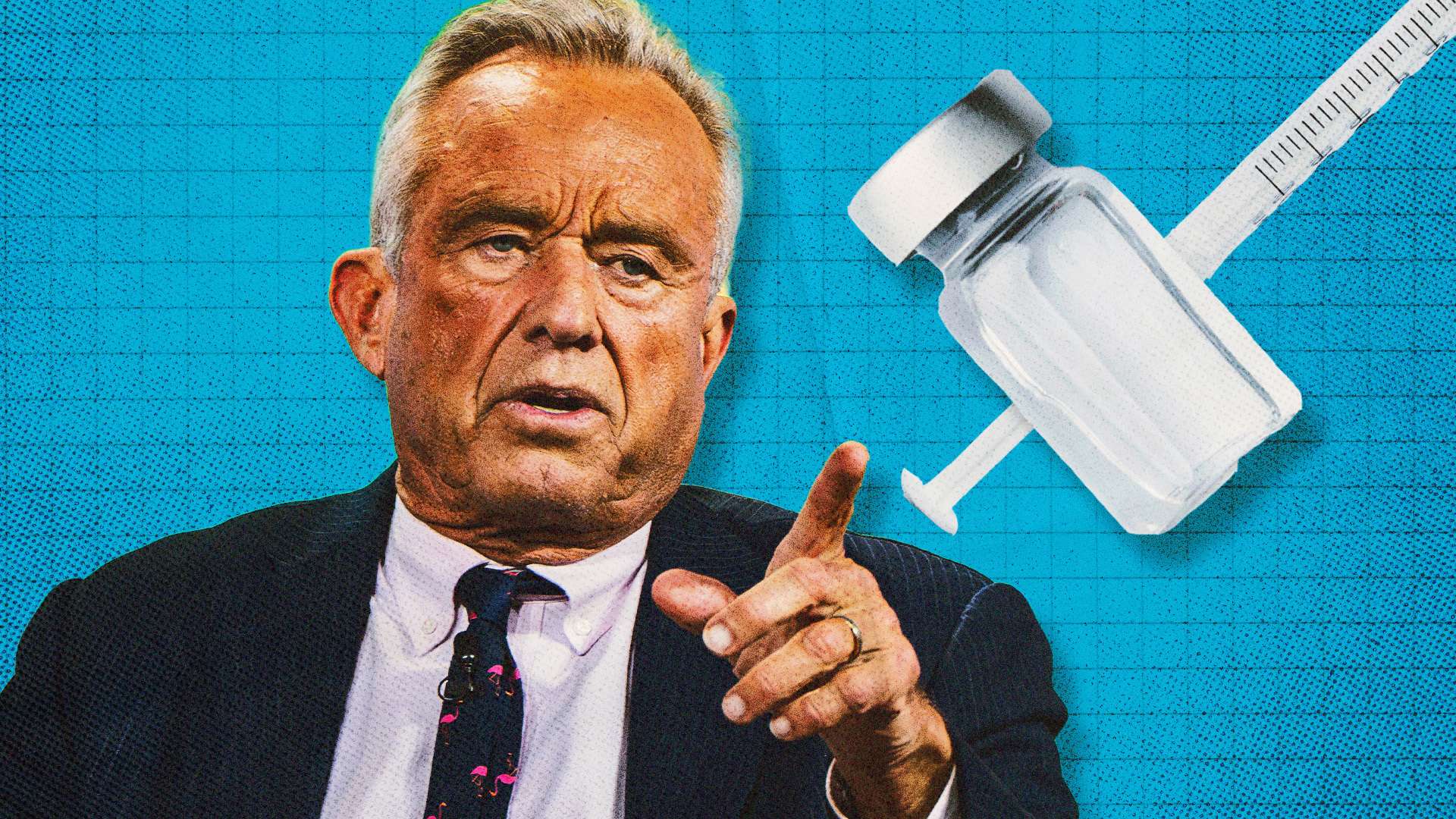
Photo via TIME

The Peptide Rush Has Begun

Read the original at TIME ↗
Cite

Semuels, A. (2026, October 28). The Peptide Rush Has Begun. TIME. https://time.com/article/2026/10/28/peptide-rush-has-begun/

Dated from the outlet's own feed. Check the original for its byline.

TIME · collected 2026-10-28 · by Alana Semuels

Quick Summary

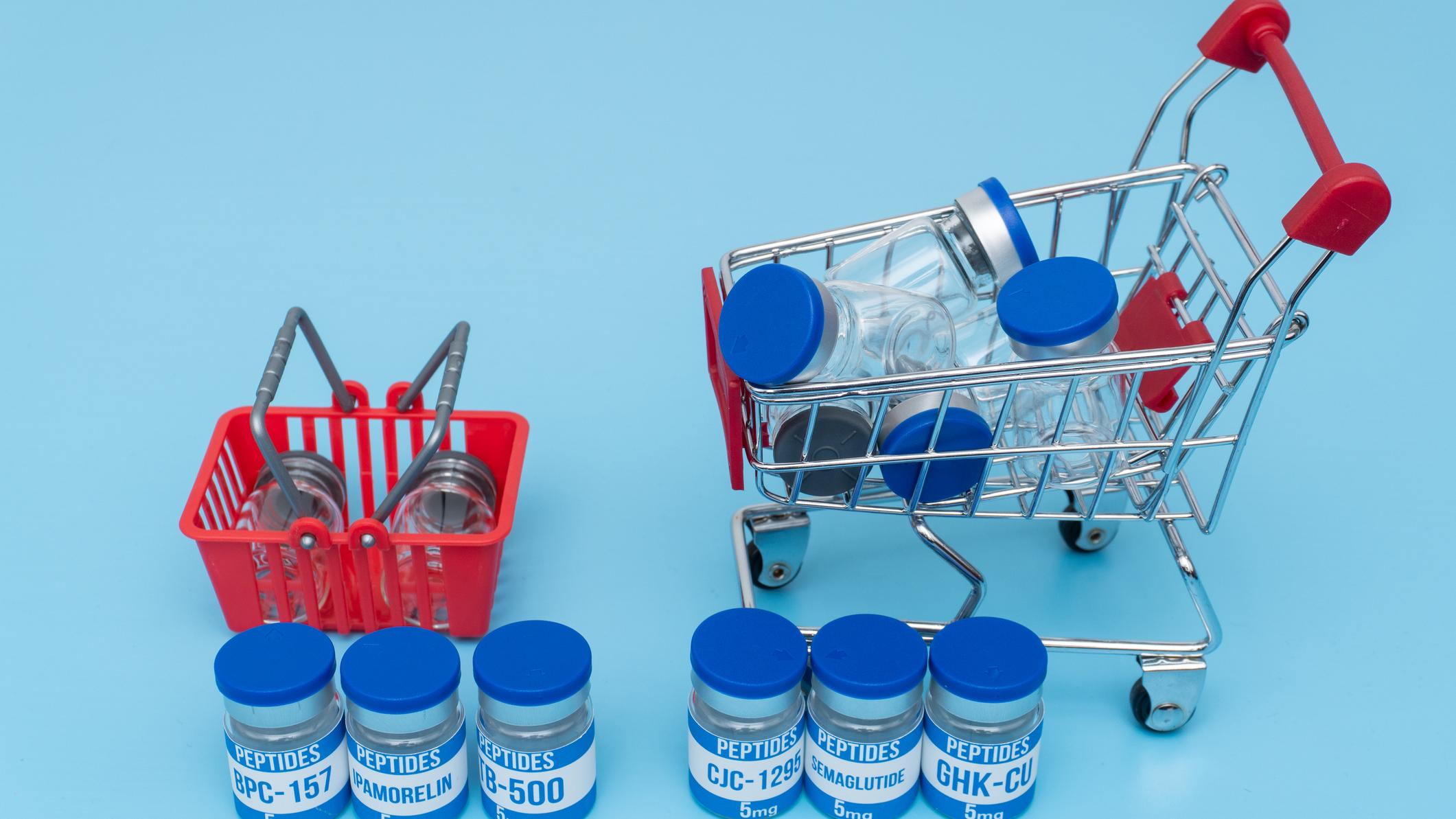
The U.S. Department of Health and Human Services announced on October 28 that it will not take enforcement action against licensed pharmacists who dispense six unapproved peptides to consumers. These peptides include BPC-157, Epitalon, KPV, MOTS-c, Semax, and TB-500, which are short chains of amino acids injected for various health benefits, despite scientific uncertainty about their safety and efficacy. The policy change follows a controversial FDA committee recommendation in July, where new appointees with ties to peptide companies advised allowing these substances to be dispensed by pharmacies, contradicting the FDA staff’s concerns over safety.
Written by AI on 2026-10-29, from this article's own text only (the story summary below draws on all the coverage).
See how they differ ↓

AI analysis

Story summary

As of October 28, 2026, the Trump administration's Department of Health and Human Services (HHS) allowed pharmacies to produce and sell six unapproved peptide drugs without FDA approval. This decision faced significant opposition from most FDA scientific staff members who warned it could undermine public health by exposing Americans to potentially unsafe substances. HHS stated that this move is intended to provide a regulated alternative for consumers seeking peptides, which have previously been available through the "gray market," often imported illegally from countries like China. The policy will be in effect while HHS works on formalizing a rule change and is set to take comments for two weeks before finalization.

Written for “RFK Jr Eases Access To Unapproved Peptides” on 2026-11-21, grounded in this article and the 13 other(s) covering the same event.

How they differ

11 outlets covered “RFK Jr Eases Access To Unapproved Peptides”.

What each outlet says

One AI summary per outlet of its latest article on this story, written from that article alone and checked against it. Open the article for the outlet's own words.

TimeThis outlet28 Oct

The U.S. Department of Health and Human Services announced on October 28 that it will not take enforcement action against licensed pharmacists who dispense six unapproved peptides to consumers. These peptides include BPC-157, Epitalon, KPV, MOTS-c, Semax, and TB-500, which are short chains of amino acids injected for various health benefits, despite scientific uncertainty about their safety and efficacy. The policy…

The Peptide Rush Has Begun (this article)
CBS News29 Oct

Adam Yamaguchi reports on Robert F. Kennedy Jr.’s efforts to encourage pharmacies to manufacture peptides that have not been approved by the FDA. The article focuses specifically on RFK Jr.’s advocacy for these unregulated substances, which are being promoted despite lacking official approval from regulatory authorities.

Inside RFK Jr.'s push for pharmacies to make non-FDA approved peptides →3 articles from CBS News on this story
ABC News (US)29 Oct

HHS announced that some wellness peptides will be available by prescription. The department will temporarily allow compounding pharmacies to provide six specific peptides through prescriptions. This announcement was made on October 29, 2026.

WATCH: HHS says some wellness peptides will be available by prescription →2 articles from ABC News (US) on this story
NBC News28 Oct

The Department of Health and Human Services has temporarily allowed compounding pharmacies to manufacture six unapproved peptides without legal repercussions while the FDA formalizes new rules for their production. These peptides include BPC-157, epitalon, KPV, MOTS-c, semax, and TB-500, which are marketed as treatments for various health conditions but lack FDA approval due to insufficient safety and efficacy data…

RFK Jr. takes shortcut to make some peptides more widely available →
Toronto Star28 Oct

FDA scientific staff largely opposed a Trump administration plan aimed at easing access to unproven peptide drugs, despite pushback from Health Secretary Robert F. Kennedy Jr. This policy would allow specialty pharmacies to sell peptides without the FDA's rigorous safety and effectiveness review process, which are currently considered illegal drugs. Most FDA drug staffers warned that this could undermine the…

FDA scientists opposed the Trump administration's move to ease peptides access →
The Guardian28 Oct

FDA scientific staff members opposed a Trump administration plan pushed by Health Secretary Robert F Kennedy Jr, which aimed to ease access to unproven peptide drugs in the US wellness industry. The policy, posted online by HHS on Wednesday, would allow specialty pharmacies to sell several peptides without FDA approval, despite warnings from FDA scientists about potential safety risks. This move faces significant…

FDA scientists opposed Trump administration’s move to ease peptide access →
Show 5 more outlets
NPR29 Oct

The Trump administration's Department of Health and Human Services plans to relax restrictions on six unproven peptides, allowing small compounding pharmacies to produce them despite lacking FDA approval. This policy change supports wellness influencers and some clinicians who promote these peptides for various health issues like ulcerative colitis and insomnia, though evidence of their safety and effectiveness is…

Trump administration will allow pharmacies to make popular peptides →
The Independent29 Oct

Health Secretary Robert F. Kennedy Jr. announced a new policy allowing the widespread use of six unapproved peptide compounds, despite the FDA advising against their use due to potential risks. The Health and Human Services Department will not take enforcement action against those selling these peptides, arguing that easing access will provide patients with controlled alternatives while protecting safety through…

RFK Jr says he will allow widespread unapproved injections despite his FDA advising people not to use them →
BBC29 Oct

US Health Secretary Robert F Kennedy Jr has announced plans to relax restrictions on six unapproved peptides through compounding pharmacies, despite warnings from health experts about their potential risks due to insufficient human clinical trials and unknown long-term side effects. The draft regulation was published in the US Federal Register and will undergo a public comment period following its official…

US Health Secretary RFK Jr to expand access to unapproved peptides →
Reason29 Oct

HHS has established a new policy allowing pharmacies to produce and sell six specific peptides without FDA approval, aiming to provide a safer alternative to purchasing these substances from unregulated foreign sources. The decision is seen as a victory for peptide advocates and reflects frustration with FDA's slow processes, despite the lack of formal FDA endorsement or safety reviews for compounded drugs.

RFK Jr. Institutes Backdoor Approval of 6 Peptides →
New York Post29 Oct

The Trump administration recently relaxed regulations to allow easier access to unproven peptide drugs favored by Health Secretary Robert F. Kennedy Jr., despite opposition from the FDA’s scientific staff. The Department of Health and Human Services draft policy targets specific peptides used for wellness purposes such as muscle building and injury healing, allowing specialty pharmacies to sell them without facing…

Trump admin eases access to unproven peptides favored by RFK Jr. despite FDA opposition →

Where they agree and split

Framing

How the first headlines put it

Attributed to a source2
Stated as fact7
The headlines (9)

Some wellness peptides will become widely available, HHS says ABC News · attributed to a source

RFK Jr says he will allow widespread unapproved injections despite his FDA advising people not to use them The Independent · attributed to a source

RFK Jr. takes shortcut to make some peptides more widely available NBC News · stated as fact

FDA scientists opposed the Trump administration's move to ease peptides access Toronto Star · stated as fact

FDA scientists opposed Trump administration’s move to ease peptide access The Guardian · stated as fact

The Peptide Rush Has Begun Time · stated as fact

Trump administration will allow pharmacies to make popular peptides NPR · stated as fact

Dr. Jon LaPook explains why peptide sales are controversial CBS News · stated as fact

US Health Secretary RFK Jr to expand access to unapproved peptides BBC · stated as fact

The full story: what happened, how it changed, and all 14 articles →

Compared with similar articles

This article reads unscored and hedges 11% of its claims. Each row says how that neighbour differs.
NBC News
Hedges 4 of 19 claims Outlet record 78/100
The Guardian
Leans left Hedges 4 of 30 claims Outlet record 64/100
NPR
Leans right Hedges 4 of 30 claims Outlet record 60/100
CBS News
Centre Hedges 1 of 3 claims Outlet record 66/100
ABC News (US)
Hedges 2 of 14 claims Outlet record 66/100
The Independent
Hedges 1 of 12 claims Outlet record 59/100
CBS News
Hedges 3 of 22 claims Outlet record 66/100
BBC News
Leans right Hedges 1 of 20 claims Outlet record 65/100
Reason
Hedges 5 of 23 claims Outlet record 67/100
New York Post
Hedges 6 of 46 claims Outlet record 66/100

Story

RFK Jr Eases Access To Unapproved Peptides
Politics · 14 article(s) covering the same event. Compare every outlet's account →
How this article was measured signals, leaning charts, publisher record, byline, topics and claims

Signals How these are calculated →

Claims extracted
28
sentences that state something as happening or true
Uncertain
11%
3 of 28 hedged ("reportedly", "may", "according to")
Leaning
withheld
no quote in the article backed the model's score
Publisher signals
60/100
TIME's corrections and hedging, across everything collected from it. Not a measure of accuracy.
Outlets on this story
14
Politics
Same framing elsewhere
1
articles that frame the event the way this one does
Analyzed 2026-10-29 · how these are computed

How this is being covered How these are calculated →

Article leaning vs. publisher reliability
Source leaning vs. consistency

Publisher

TIME · 1078 article(s) · 2 correction(s) detected
Running correction rate · 2 correction(s)

Who wrote this

Alana Semuels
8 article(s) here · 1 carrying a prediction
His doctor’s office appealed the coverage denial after his bad side effects, he says, but the company upheld it and he could not get the medication he wanted.
2026-11-12 · assertive framing · How AI Can Help You Appeal Health Insurance Denials
The U.S. Department of Health and Human Services (HHS) will not take action against licensed pharmacists who dispense certain unapproved peptides to consumers, according to a new policy published Oct. 28 in the Federal Register.
2026-10-28 · assertive framing · The Peptide Rush Has Begun
The compounded drug represented significant cost savings—$250 a month versus the $399 a month she would have paid through LillyDirect, the direct-to-consumer site that people often use when their insurance doesn’t cover the drug.
“This rise in severe presentations might be a bit of a warning signal of a wider increase in harms across the general population,” says Ryan Forrest, a public-health doctoral student at the University of Toronto and one of the authors of the study.
2026-10-05 · assertive framing · Gambling Is Sending More People to the ER
As they got to know each other through the school’s international community—she’s from Brazil, he was raised in Lebanon—they eventually collaborated to found a company that would help popularize prediction markets, which had long been discussed in academic circles but never successfully marketed to the public.
2026-09-30 · mixed framing · Luana Lopes Lara and Tarek Mansour
The problem of insured Americans with medical debt could grow in the coming years as health insurance becomes less affordable.
That trait has served her well as chief operating officer of Kalshi, the New York-based prediction market that has boomed in recent years as people take up placing money on everything from what words the President will use in his speeches to the price of a Costco hot dog.
Dr. Elaine Batchlor, CEO of MLK Community Hospital in Los Angeles, already knows what will happen if her hospital closes.
Also by Alana Semuels
Nothing else under this byline is closely related to this article, so these are simply their most recent.
All 8 articles by Alana Semuels →

Topics

FDA HHS The U.S. Department of Health and Human Services The U.S. Food and Drug Administration the Federal Register

Subjects

HHS ORG · 5× FDA ORG · 4× the Federal Register ORG · 2× Federal ORG · 1× Hims & Hers ORG · 1× Kennedy PERSON · 1× Robert F. Kennedy Jr. PERSON · 1× State ORG · 1× The U.S. Department of Health and Human Services ORG · 1× The U.S. Food and Drug Administration ORG · 1×

Narrative

“The peptides under consideration here are untested and poorly characterized experimental drugs that should not be allowed in compounded products,” said Dr. Adriane Fugh-Berman, a professor of pharmacology and physiology at Georgetown University Medical Center, at the public comment portion of the July meeting, reminding the committee that two women had required emergency treatment after receiving peptides at a Las Vegas festival.
framing: assertive · carried by 1 article(s) · first seen 2026-10-29
The U.S. Department of Health and Human Services (HHS) will not take action against licensed pharmacists who dispense certain unapproved peptides to consumers, according to a new policy published Oct. 28 in the Federal Register.
2026-10-29 · TIME
The Peptide Rush Has Begun · assertive framing

Claims (28 extracted, 3 hedged)

The U.S. Department of Health and Human Services (HHS) will not take action against licensed pharmacists who dispense certain unapproved peptides to consumers, according to a new policy published Oct. 28 in the Federal Register. uncertain
who → take → Register
Peptides are short chains of amino acids that people inject into their bodies. asserted
people → inject → bodies
HHS Secretary Robert F. Kennedy Jr. has said in the past that he is a “big fan” of the unapproved drugs, whose benefits are largely scientifically unproven. asserted
benefits → say → drugs
The U.S. Food and Drug Administration (FDA) essentially banned peptides in 2023 because of safety concerns. asserted
Administration → ban → concerns
But an FDA committee met in July to review the evidence on peptides and recommend whether or not to take the highly unusual step of allowing pharmacies to dispense them absent scientific review. asserted
pharmacies → meet → review
The committee was made up of new appointees who consulted with or were employed by companies that were interested in promoting or dispensing peptides; it recommended allowing specialty pharmacies to dispense six peptides, despite FDA staff advising against the move. asserted
staff → make → move
The new policy—which was signed by Kennedy—says that after the July meetings, HHS believed there was “significant interest” in the use of obtaining these peptides from compounding pharmacies. asserted
HHS → sign → pharmacies
“Therefore, to expand and improve patient access, HHS does not intend to take enforcement action against a State-licensed pharmacy, Federal facility, or licensed physician compounding a drug product using a peptide bulk drug substance found in Appendix A,” the notice said. asserted
notice → expand → A
The policy said that it was going to be published in the Federal Register on Oct. 30. asserted
it → say → Oct.
The peptides listed in Appendix A were BPC-157, Epitalon, KPV, MOTS-c, Semax, and TB-500—the same ones the committee recommended allowing this summer. asserted
committee → list → A
A separate document posted on the HHS website says that after reviewing the recommendations of the committee that met in July, “the Secretary has determined that the policy advances patient choice and freedom while appropriately protecting patient safety.” asserted
policy → post → safety
The decision to allow the compounding of peptides is a boon for companies like Hims & Hers, which had reportedly been preparing to offer peptides in 2026. uncertain
which → allow → 2026
Analysts have said the market for peptides could be as high as $3.3 billion. uncertain
market → say → billion
Hims stock shot up 5% after the Oct. 28 announcement. asserted
stock → shoot → announcement
The move “represents a vital step toward eliminating the unsafe gray and black markets, restoring safe patient access through legitimate, physician-supervised care,” said Lee Rosebush, chair of the American Academy of Peptide Medicine, a new advocacy group, in a statement. asserted
Rosebush → represent → statement
Other public-health professionals raised alarm about the decision, which they say allows compounding pharmacies to dispense these medications absent scientific evidence. asserted
pharmacies → raise → evidence
“American consumers should not be treated like guinea pigs,” said Fred Mills, chief policy officer for Americans for Safe and Effective Medicines, in a statement. asserted
Mills → treat → statement
“It is possible to advance both patient safety and access to legitimate medicines, but this is not it.” asserted
this → advance → medicines
At the July hearings, consumer advocacy groups including the Center for Science in the Public Interest had argued that allowing peptides to skip a rigorous evidence-based FDA approval process would be unprecedented and dangerous to consumers. asserted
peptides → include → consumers
Many physicians have spoken up against allowing peptides to be compounded. asserted
peptides → speak → ?
“The peptides under consideration here are untested and poorly characterized experimental drugs that should not be allowed in compounded products,” said Dr. Adriane Fugh-Berman, a professor of pharmacology and physiology at Georgetown University Medical Center, at the public comment portion of the July meeting, reminding the committee that two women had required emergency treatment after receiving peptides at a Las Vegas festival. asserted
women → characterize → festival
Critics also expressed concern that people were turning to compounding pharmacies for untested drugs. asserted
people → express → drugs
Compounding pharmacies are often used to fill specific prescriptions from a doctor, but in recent years, they have mass-produced drugs like GLP-1s for patients looking to save money. asserted
they → compound → money
The peptide boom will put even more pressure on compounding pharmacies to quickly make drugs for telehealth sites, said Annie Lambert, a pharmacist and clinical program manager for compliance solutions at Wolters Kluwer Health. asserted
Lambert → put → Health
"Compounding can and should play a legitimate clinical role, from hospitals to home infusion to filling gaps during drug shortages. asserted
Compounding → play → shortages
But it is not a substitute for FDA-approved manufacturing, and that distinction is where a lot of today's risk sits,” she said in a statement. asserted
she → approve → statement
“My concern is that pharmacies rushing into this space will move to make a dollar faster rather than make sure they meet every requirement, from ingredient sourcing and facilities to staff training and sterility testing. asserted
they → rush → training
Shortly after the new notice was published, a number of telehealth websites were already marketing the six peptides, each for a price of anywhere from $199 to $249 a month. asserted
number → publish → 249
Give feedback · no sign-in needed

No sign-in needed for now. Your note is sent without a name, so it cannot be answered.

History Support