Photo via The Independent

Rising health costs and coverage changes are big concerns for older adults as Election Day nears

Read the original at The Independent ↗
Cite

Hussein, F. (2026, October 31). Rising health costs and coverage changes are big concerns for older adults as Election Day nears. The Independent. https://www.independent.co.uk/news/world/americas/aarp-washington-donald-trump-ohio-united-states-b3076804.html

Dated from the outlet's own feed. Check the original for its byline.

The Independent · collected 2026-10-31 · by Fatima Hussein

Quick Summary

Barbara Weigand, an 83-year-old Ohio resident, is facing significant medical expenses that have drained her retirement savings. As Medicare's open enrollment period begins and healthcare costs rise, older adults are particularly concerned about changes in Medicare plans and prescription drug affordability ahead of the midterms. The article highlights specific worries like higher Part D out-of-pocket caps and the potential end of temporary federal Part D premium subsidies, emphasizing how these issues could influence voter behavior among those over 50 who are extremely motivated to vote this year.
Written by AI on 2026-10-31, from this article's own text only (the story summary below draws on all the coverage).
See how they differ ↓

AI analysis

Story summary

As Election Day nears in 2026, rising health care costs are a major concern for older adults, particularly those on Medicare. Barbara Weigand, aged 83 and living in North Canton, Ohio, exemplifies this trend: despite saving diligently and maintaining good health before her retirement, she recently faced substantial medical expenses due to a shoulder surgery and bladder cancer diagnosis. She had to withdraw $4,000 from her retirement account to cover these costs, highlighting the financial strain many older adults are experiencing. Weigand is currently on a Medicare Advantage plan but was seeking new coverage as Medicare's open enrollment period began in October. With 83% of voters over age 50 extremely motivated to vote in the midterms, according to an AARP poll, their concerns about healthcare affordability could significantly influence election outcomes. Polling expert Matt Hogan advises candidates to include Social Security and Medicare issues in their messaging to attract these voters.

Written for “Health Concerns for Older Adults Electoral Impact” on 2026-11-21, grounded in this article and the 1 other(s) covering the same event.

How they differ

2 outlets covered “Health Concerns for Older Adults Electoral Impact”.

What each outlet says

One AI summary per outlet of its latest article on this story, written from that article alone and checked against it. Open the article for the outlet's own words.

The IndependentThis outlet31 Oct

Barbara Weigand, an 83-year-old Ohio resident, is facing significant medical expenses that have drained her retirement savings. As Medicare's open enrollment period begins and healthcare costs rise, older adults are particularly concerned about changes in Medicare plans and prescription drug affordability ahead of the midterms. The article highlights specific worries like higher Part D out-of-pocket caps and the…

Rising health costs and coverage changes are big concerns for older adults as Election Day nears (this article)
Toronto Star31 Oct

Barbara Weigand, an 83-year-old Ohio resident, faces financial strain due to medical expenses from recent health issues. She is one of many older adults concerned about rising healthcare costs as Medicare’s open enrollment period begins in October with significant changes planned for 2027, such as higher out-of-pocket caps and the end of temporary premium subsidies. These concerns are particularly salient ahead of…

Rising health costs and coverage changes are big concerns for older adults as Election Day nears →

Compared with similar articles

This article reads leans left and hedges 18% of its claims. Each row says how that neighbour differs.
Toronto Star
Leans left Hedges 7 of 39 claims Outlet record 64/100
The Independent
Leans left Hedges 6 of 37 claims Outlet record 59/100
“Both articles describe Barbara Weigand's situation but cover different aspects of her financial challenges related to health costs and Medicare changes. They do not report on a single, specific incident.”

Story

Health Concerns for Older Adults Electoral Impact
Health · 2 article(s) covering the same event. See how they differ ↑
How this article was measured signals, leaning charts, publisher record, byline, topics and claims

Signals How these are calculated →

Claims extracted
39
sentences that state something as happening or true
Uncertain
18%
7 of 39 hedged ("reportedly", "may", "according to")
Leaning
Leans left
of the writing, not the subject · beta estimate
Publisher signals
59/100
The Independent's corrections and hedging, across everything collected from it. Not a measure of accuracy.
Outlets on this story
2
Health
Same framing elsewhere
3
articles that frame the event the way this one does
Analyzed 2026-10-31 · how these are computed

How this is being covered How these are calculated →

Article leaning vs. publisher reliability
Source leaning vs. consistency

Publisher

The Independent · 4757 article(s) · 10 correction(s) detected
Running correction rate · 10 correction(s)

Who wrote this

Fatima Hussein
15 article(s) here · 1 carrying a prediction
Experts say that while the Trump administration did not create the underlying vaccination problem — which predates President Donald Trump’s return to office — the Republican administration’s policies and public messaging may have exacerbated it.
“I think these extra six months are going to give states the ability to respond to the change, and there will be fewer people that lose their coverage due to administrative failures” resulting from states’ inability to prepare
“I think these extra six months are going to give states the ability to respond to the change, and there will be fewer people that lose their coverage due to administrative failures” resulting from states’ inability to prepare, Kathy Hempstead, senior policy officer for the Robert Wood Johnson Foundation, told The Associated Press.
A public spat between former Trump administration officials over alleged corruption in public health policymaking is the latest front in Republicans’ postelection recriminations, a battle that has exposed fault lines within the White House and could reshape political alliances involving the influential Make America Healthy Again movement.
The open enrollment window for the marketplace, also known as Obamacare, opens on Sunday in most states and closes on Jan. 15. Health insurance bought through the Affordable Care Act marketplaces is expected to cost 13% more on average in 2027, according to an analysis of new CMS data by the healthcare research nonprofit KFF. Aside from higher premiums and fewer coverage options in 2027, anyone planning to sign up should also brace for expiring financial assistance, rising rates, potential delays in working with a broker, new restrictions on immigrants, and stricter enrollment checks.
Across the board, healthcare experts predict less coverage and higher prices, with the average price of health insurance purchased through the marketplaces expected to rise by 13% in 2027, according to analysis of new CMS data by the healthcare research nonprofit KFF.
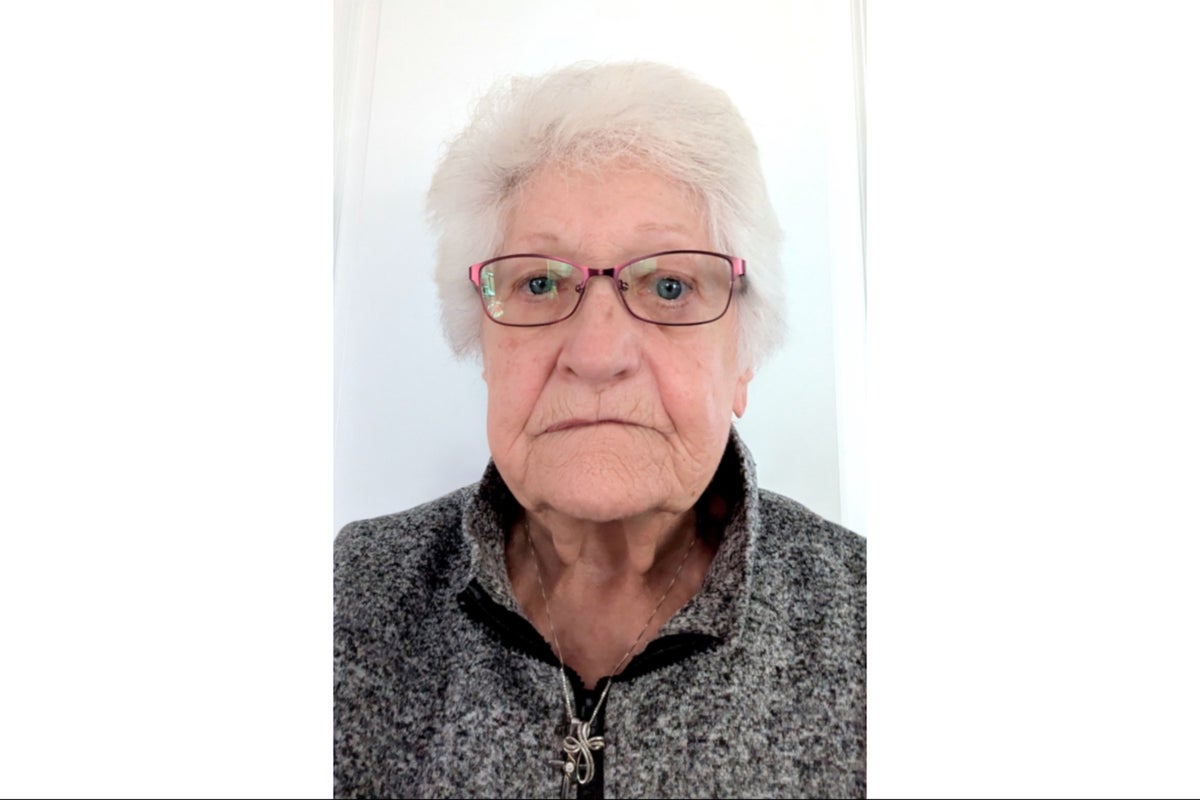
"On my monthly income, I would not be able to afford my new medical expenses," says Weigand, 83, who lives in North Canton, Ohio.
Barbara Weigand could not have prepared more for retirement.
WASHINGTON (AP) — Barbara Weigand could not have prepared more for retirement.
New restrictions have stripped Medicaid coverage from certain legal immigrants, including refugees and victims of human trafficking, as part of broader federal changes to the health insurance program that are expected to force millions off their coverage.
Also by Fatima Hussein
Nothing else under this byline is closely related to this article, so these are simply their most recent.
All 15 articles by Fatima Hussein →

Topics

Medicare North Canton Ohio Weigand the United States

Subjects

Medicare ORG · 5× Weigand PERSON · 5× KFF ORG · 3× AARP ORG · 2× Advantage ORG · 1× Barbara Weigand PERSON · 1× Juliette Cubanski PERSON · 1× North Canton GPE · 1× Ohio GPE · 1× the United States GPE · 1×

Narrative

Matt Hogan, a partner at the Impact Research polling firm, has this advice to candidates in the closing days of the midterm campaign: “Regardless of party, to make inroads with these voters, Social Security and Medicare should definitely be part of their messaging.”
framing: assertive · carried by 3 article(s) · first seen 2026-10-31
Barbara Weigand could not have prepared more for retirement.

Claims (39 extracted, 7 hedged)

Barbara Weigand could not have prepared more for retirement. uncertain
Weigand → prepare → retirement
She stayed healthy and saved diligently for years. asserted
She → stay → years
This year, though, a shoulder surgery and a bladder cancer diagnosis have really tested her finances. asserted
surgery → test → finances
She recently withdrew $4,000 from her retirement account to cover medical expenses associated with her cancer treatment. asserted
She → withdraw → treatment
“On my monthly income, I would not be able to afford my new medical expenses,” says Weigand, 83, who lives in North Canton, Ohio. asserted
who → afford → Canton
She is currently on a Medicare Advantage plan and was searching for new coverage as Medicare's open enrollment period began in October. asserted
period → search → October
For older adults in the United States, the rising cost of healthcare is hitting where it hurts most — their pocketbooks. asserted
it → rise → pocketbooks
With Medicare costs, prescription drug prices and long-term care expenses weighing on household budgets, their concerns could carry significant political weight heading into Tuesday's elections. uncertain
concerns → weigh → elections
Weigand is part of a reliable voting bloc; 83% of voters over age 50 say they’re extremely motivated to vote in the midterms, according to an AARP poll conducted in early October. uncertain
they → say → October
Their concerns over managing healthcare costs put the issue of affordability squarely in the spotlight. asserted
concerns → manage → spotlight
Here are some of their biggest healthcare concerns — and how Weigand sees them. asserted
Weigand → see → them
Open enrollment for Medicare plans began in mid-October, and enrollees are facing a slew of changes that will go into effect in 2027. asserted
that → begin → 2027
During the enrollment period, people are considering higher Part D out-of-pocket caps, the end of temporary federal Part D premium subsidies, and new drug price negotiations. asserted
people → consider → subsidies
Additionally, in some states, insurers put caps on the number of people who can enroll in Advantage plans, pulling out of markets or eliminating plans that people have come to rely on. asserted
people → put → that
Juliette Cubanski, director of KFF’s program on Medicare policy, told The Associated Press that the open enrollment period offers enrollees “an opportunity to evaluate the coverage they have and see if there might be better options for them in terms of accessing the care that they need, at possibly a lower cost.” uncertain
they → tell → cost
While Weigand is grateful to have the mental acuity to do the research and the spiritual community that she relies on, she worries about other older people who are struggling to plan for the year ahead. asserted
who → have → year
“There are so many changes, and a lot of people my age who don’t know where to start," she says. asserted
she → be → people
"What do they do?” asserted
they → do → What
The Trump administration has made lowering drug prices a priority in its effort to show Americans that it is tackling soaring costs. asserted
it → make → costs
Republican President Donald Trump has struck multiple most-favored-nation drug deals with pharmaceutical companies and has launched the discount drug website TrumpRx, among other steps. asserted
Trump → strike → steps
In September, his administration said all 50 states would join in on a program set to provide most-favored-nation pricing to some drugs within the Medicaid program, bringing the net price of selected drugs down to prices paid in certain other countries. asserted
states → say → countries
Still, the cost of prescription drugs prevents some people from filling prescriptions. asserted
cost → prevent → prescriptions
A KFF survey from March found that about 4 in 10 U.S. adults say they have not taken their medication as prescribed in the past year due to costs. asserted
they → find → costs
Weigand is considering rationing her drugs to save money. asserted
Weigand → consider → money
“I've been thinking — if I could just do this every other day rather than every day to make the medicine last longer," she says. uncertain
medicine → think → this
"Isn't that sad?“ The KFF report says about 1 in 5 people surveyed had cut pills in half or skipped doses of medicine in the prior year because of the cost. asserted
people → say → cost
Worry No. 3: The costs of long-term support The costs of receiving long-term care — whether from spouses, home-care aides or friends — have risen steeply for retirees. asserted
costs → receive → retirees
An AARP report released Wednesday that examines out-of-pocket caregiving expenses finds that family caregivers are spending nearly 60% more supporting a family member or friend than five years ago. asserted
caregivers → release → member
They spend an average of $11,508 a year supporting a family member or friend, compared with $7,242 in 2021, according to the report. uncertain
They → spend → report
Nancy LeaMond, AARP's executive vice president and chief advocacy officer, said “we're already hearing from our members about healthcare affordability — its prescription drug costs, caregiver costs, co-pays, premiums," she said. asserted
she → say → affordability
"Not only are we trying to help family caregivers with their finances, but also to get them the kind of information they need to help their loved ones. asserted
they → try → ones
About one-third of Americans over 50 provide regular care to an adult relative or friend with a health issue or disability, according to a national poll on healthy aging conducted in September 2025 by the University of Michigan. uncertain
third → provide → Michigan
Worry No. 4: The solvency of Social Security The Social Security Administration announced this month that the annual cost-of-living adjustment for older adults and people with disabilities will rise by 3.6% beginning in 2027. asserted
adjustment → announce → 2027
That translates to $75 extra per month for the nearly 72 million people who receive monthly Social Security benefits and about 7.3 million beneficiaries who get Supplemental Security Income. asserted
who → translate → Income
The agency faces an approaching bankruptcy date if a funding shortfall is not addressed by Congress. asserted
shortfall → face → Congress
The Social Security and Medicare trustees’ report from June states that Social Security’s combined trust funds, which cover old age and disability recipients, will be unable to pay full benefits beginning in 2034. asserted
which → state → 2034
After that, incoming revenue would cover about 83% of scheduled benefits. asserted
revenue → cover → benefits
With 2034 not far away, the upcoming Congress will be on the hook to determine how to shore up the program. asserted
Congress → determine → program
Matt Hogan, a partner at the Impact Research polling firm, has this advice to candidates in the closing days of the midterm campaign: “Regardless of party, to make inroads with these voters, Social Security and Medicare should definitely be part of their messaging.” asserted
Security → have → messaging
Give feedback · no sign-in needed

No sign-in needed for now. Your note is sent without a name, so it cannot be answered.

History Support