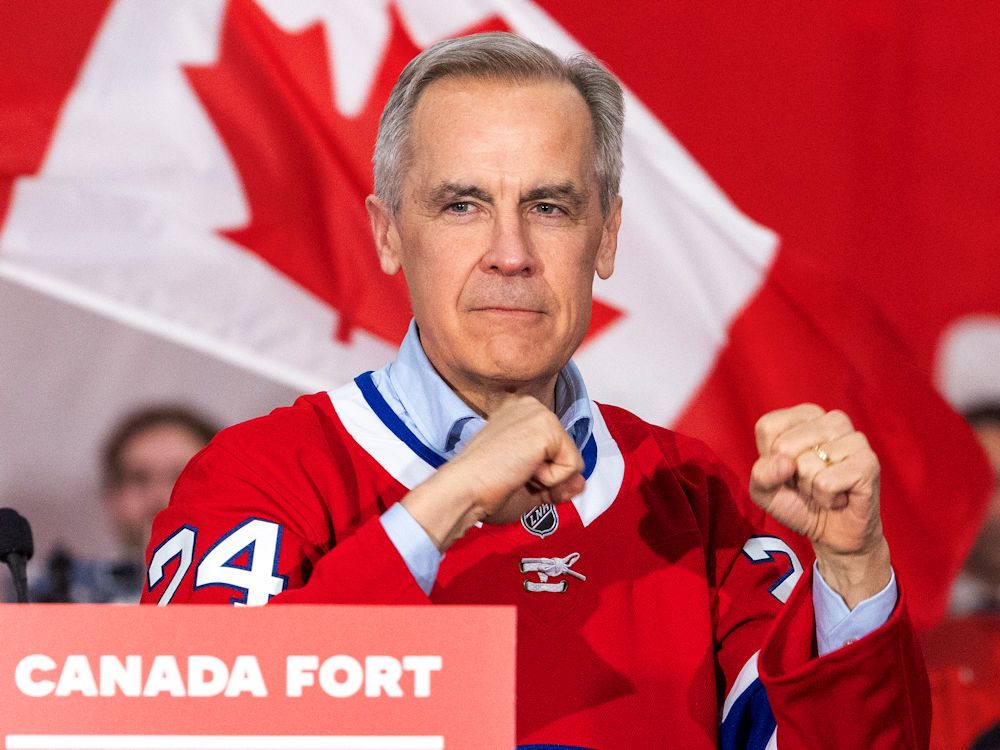
Canadian Prime Minister Mark Carney said on Tuesday (September 15, 2026) that Canada intends to emerge from its trade war with the United States as a more resilient and independent economy, signalling that Ottawa is prepared to wait for the right conditions rather than rush into a deal with Washington.
asserted
Ottawa → say → Washington
“And to our American friends, let me say this.
asserted
me → let → this
We will always be neighbours,” PM Carney told hundreds of global investors gathered in Toronto for his Canada Investment Summit.
asserted
Carney → tell → Summit
But he said the relationship works when the two countries engage as “true partners that respect each other's traditions and sovereignty.”
asserted
that → say → traditions
“When those opportunities return, Canada will be an even better partner — stronger, more resilient, more independent,” he said.
asserted
he → return → ?
Mr. Carney also announced that Ottawa will seek private investment through long-term concessions to operate Canada's four largest airports, while retaining public ownership of the land and assets.
asserted
Ottawa → announce → land
He said the plan could raise tens of billions of dollars to reinvest in transportation and other infrastructure.
uncertain
plan → say → transportation
Without naming US President Donald Trump, Carney then took aim at the increasingly transactional and zero-sum approach to international economic relationships that has characterised Trump's trade policies.
asserted
that → name → policies
“Our reputation — as a reliable, predictable partner — has rarely been more valuable in a world where transactions are replacing relationships, and zero-sum is favoured over win-win,” Mr. Carney said.
asserted
Carney → replace → win
PM Carney said economic integration and national sovereignty are increasingly in tension, arguing that countries seeking to preserve their independence need to work more closely with like-minded partners.
asserted
countries → say → partners
He heads to Europe later on Tuesday (September 15, 2026), where he is scheduled to address the European Parliament.
asserted
he → head → Parliament
Mr. Trump has repeatedly used tariffs to pressure trading partners and pressed manufacturers to shift production and investment south of the Canadian border.
asserted
Trump → use → border
He has also repeatedly talked about making Canada the 51st U.S. State, comments that have further strained relations between the longtime allies.
asserted
that → talk → allies
But Mr. Carney noted that about 80% of the trade with the U.S. remains tariff-free.
asserted
% → note → U.S.
“There is a mutually beneficial arrangement that can be had,” Mr. Carney said in a fireside chat after his speech.
asserted
Carney → be → speech
“When it is the right time to strike that deal, we'll be ready to do that.”
asserted
we → strike → that
Trade talks between Canada and the United States collapsed last month before Washington imposed 50% tariffs on about $20 billion in Canadian goods, prompting retaliation from Ottawa.
asserted
Washington → collapse → Ottawa
The United States has since announced additional restrictions on Canadian products.
asserted
States → announce → products
PM Carney suggested Canada cannot build its strategy around a return to the old relationship.
uncertain
Canada → suggest → relationship
“We know that nostalgia is not a strategy,” he said.
asserted
he → know → ?
Mr. Carney also joked about the uneasy state of the U.S.-Canada relationship, contrasting a ceremonial key he once received from his hometown of Fort Smith, Northwest Territories, with a box of gold keys to the White House that Mr. Trump later gave him.
asserted
Trump → joke → him
Mr. Carney said Mr. Trump told him that if he brought the key, “They'll let you in,” before adding: “Maybe they'll shoot you.”
asserted
they → say → you
“And that sort of sums up the relationship.”
asserted
that → sum → relationship
“In Canada, you get the key.
asserted
you → get → key
In the US, they might shoot you,” he added.
uncertain
he → shoot → you

 The Aporia