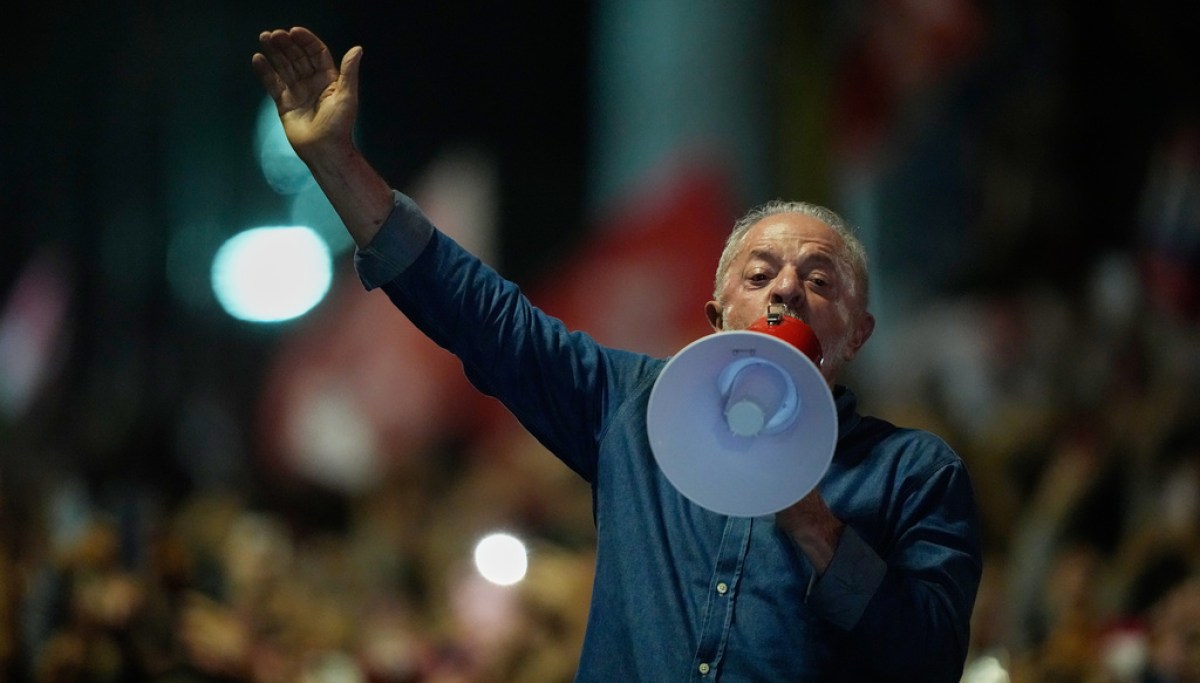
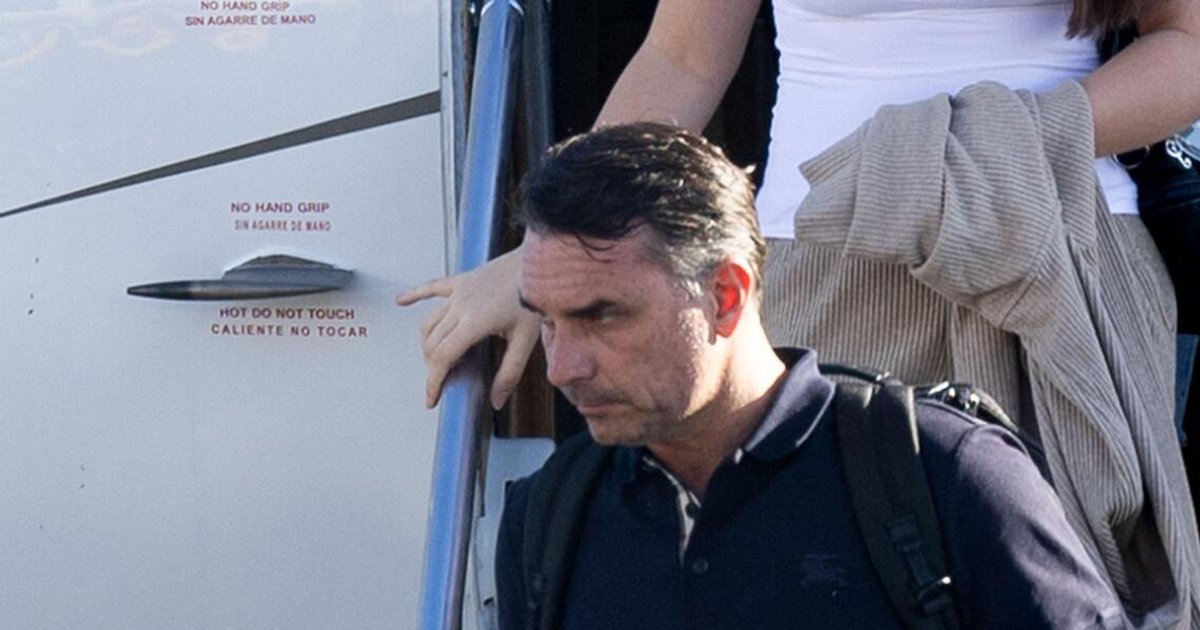
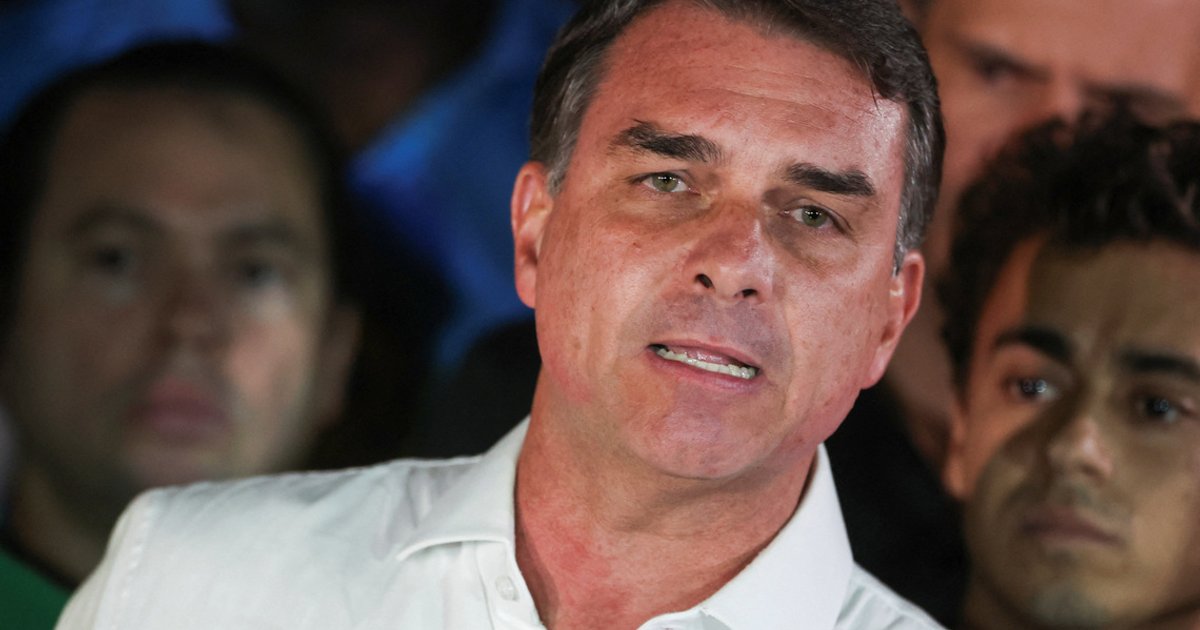
Photo via Mother Jones

How Brazil Broke the Far-Right “Curse”

Read the original at Mother Jones ↗
Cite

Dias, I. (2026, November 3). How Brazil Broke the Far-Right “Curse”. Mother Jones. https://www.motherjones.com/politics/2026/11/how-brazil-broke-the-far-right-curse/

Dated from the outlet's own feed. Check the original for its byline.

Mother Jones · collected 2026-11-03 · by Isabela Dias

Quick Summary

On October 25, Brazil reelected President Luiz Inácio Lula da Silva for a fourth term, defeating far-right candidate Flávio Bolsonaro by more than 4 million votes. This victory marked a significant break from the recent trend of right-wing governance in Latin America and signaled resistance to U.S.-led interference, particularly concerning tech companies like Meta’s role during the election. Professor David Nemer suggests that Lula's win represents an end to a recurring pattern where political developments in Brazil mirror those in the United States over approximately 10-year cycles.
Written by AI on 2026-11-03, from this article's own text only (the story summary below draws on all the coverage).
See how they differ ↓

AI analysis

Story summary

On October 25, Luiz Inácio Lula da Silva won Brazil's presidential runoff against right-wing senator Flávio Bolsonaro, securing his fourth term as president with over 4 million votes. The election took place on Sunday in a tight race that had been closely watched due to the contrasting platforms of both candidates, with Lula advocating for leftist policies and Bolsonaro supporting far-right ideologies similar to those of his imprisoned father, former President Jair Bolsonaro. This victory marks a significant shift against the wave of right-wing governments in Latin America and signals a continued left-leaning direction for Brazil under Lula's leadership.

Written for “Lula Wins Brazilian Election” on 2026-11-21, grounded in this article and the 56 other(s) covering the same event.

How they differ

23 outlets covered “Lula Wins Brazilian Election”.

What each outlet says

One AI summary per outlet of its latest article on this story, written from that article alone and checked against it. Open the article for the outlet's own words.

Mother JonesThis outlet3 Nov

On October 25, Brazil reelected President Luiz Inácio Lula da Silva for a fourth term, defeating far-right candidate Flávio Bolsonaro by more than 4 million votes. This victory marked a significant break from the recent trend of right-wing governance in Latin America and signaled resistance to U.S.-led interference, particularly concerning tech companies like Meta’s role during the election. Professor David Nemer…

How Brazil Broke the Far-Right “Curse” (this article)
Al Jazeera27 Oct

Valdemar Costa Neto, leader of Brazil's right-wing Liberal Party and Senator Flavio Bolsonaro’s party, has accepted the result of the presidential runoff but expressed concerns about voting issues. Despite this acknowledgment, Senator Flavio Bolsonaro has not conceded defeat after losing to left-wing incumbent President Luiz Inácio Lula da Silva by over 4.4 million votes. Bolsonaro claims irregularities occurred due…

Bolsonaro’s party accepts Brazil election after Trump calls vote ‘rigged’ →8 articles from Al Jazeera on this story
The Guardian29 Oct

Brazil's presidential election saw Luiz Inácio Lula da Silva defeat right-wing challenger Flavío Bolsonaro, a victory celebrated by environmentalists and social justice advocates worldwide. The article highlights that under the new administration, there has been a record decrease in deforestation of the Amazon and Cerrado regions. However, significant challenges remain with far-right members winning key…

Brazil’s victory for the planet and democracy: seven lessons from Lula’s win →6 articles from The Guardian on this story
The Hindu3 Nov

This article discusses recent significant elections, particularly focusing on Brazil where Luiz Inácio Lula da Silva won his fourth term as president despite challenging odds. The victory is seen as a symbolic win against imperialism and a shift towards social inclusiveness and stability in Latin America. The piece highlights how millions of Brazilians, especially young voters, supported Lula's campaign, emphasizing…

The Lula moment: Polls, promise, precarity →5 articles from The Hindu on this story
Toronto Star26 Oct

Leaders in the Americas with left-leaning political views celebrated Luiz Inácio Lula da Silva's victory on social media following his win over Flávio Bolsonaro for Brazil’s presidency. The article highlights that Lula, who previously served as president from 2003 to 2010 and returned to power in 2023, is highly regarded by leftists throughout the region due to his governance during a period when leftist leaders…

In their words: Left-leaning leaders in the Americas welcome Lula's victory in Brazil →4 articles from Toronto Star on this story
BBC27 Oct

Brazilian President Luiz Inacio Lula da Silva’s victory in the recent election has challenged U.S. President Donald Trump's ambitions to establish dominance over Latin America through right-wing allies like former Brazilian president Jair Bolsonaro. Lula’s campaign emphasized resistance against perceived US interference and invoked themes of sovereignty, leading to a surge in his popularity among Brazilians. Despite…

Lula's comeback in Brazil dents Trump's ambitions for Latin America →4 articles from BBC on this story
Show 17 more outlets
Washington Examiner31 Oct

Luiz Inácio Lula da Silva won Brazil's presidential election over Senator Flávio Bolsonaro on Sunday, securing his fourth term as president with more than 4 million votes more than his opponent. This victory is seen by progressives as a significant triumph for democracy and has been celebrated in American political circles. Robert Kuttner of the American Prospect highlighted this as a positive outcome for…

Lula’s win is a warning for America →4 articles from Washington Examiner on this story
Sydney Morning Herald28 Oct

Incumbent Brazilian President Luiz Inacio Lula da Silva celebrated his re-election victory on October 25, 2026, at Hotel Intercontinental in São Paulo. Official results from the Tribunal Superior Eleitoral showed Lula da Silva securing 51.79% of the vote compared to 48.21% for Jair Bolsonaro's son, who was also running for president. The election determined Brazil’s next leader for a four-year term.

World in pictures, October 28, 2026 →3 articles from Sydney Morning Herald on this story
The Straits Times26 Oct

Luiz Inacio Lula da Silva secured a fourth term as Brazil's president with 51.8% of votes in a runoff election against Senator Flavio Bolsonaro on October 2nd, days before his 81st birthday. Taking office on January 5th, Lula faces significant challenges from a conservative Congress and an economic outlook forecasted at just 2.3% growth next year, with public debt over 82% of GDP. Analysts predict Lula will struggle…

Brazil's Lula hangs on, but his final term promises to be toughest yet →3 articles from The Straits Times on this story
Semafor27 Oct

Brazilian markets experienced significant declines following President Luiz Inácio Lula da Silva’s reelection victory. The country's currency saw its worst daily drop since at least this century, and the benchmark stock index fell by 14%. Investors are concerned about potential economic challenges, including a projected budget deficit of more than 8% of GDP during Lula’s previous term due to increased government…

Brazilian markets tumble on Lula's election victory →3 articles from Semafor on this story
Global News26 Oct

Brazilian voters elected left-wing incumbent President Luiz Inacio Lula da Silva in the recent presidential election over right-wing candidate Flavio Bolsonaro, breaking a trend of seven consecutive conservative victories across Latin America. With 51.8% of the vote compared to Bolsonaro's 48.2%, Lula’s win complicates U.S. President Donald Trump's efforts to strengthen military and economic ties with right-leaning…

Brazil’s Lula wins presidential election, bucking regional shift towards right →2 articles from Global News on this story
CBS News26 Oct

Luiz Inácio Lula da Silva won his fourth term as Brazil's president on Sunday, defeating right-wing candidate Flávio Bolsonaro in a runoff election. However, Bolsonaro has refused to accept the results of the vote. Lula, known for his criticism of former U.S. President Donald Trump, will continue his presidency following this electoral victory.

Lula wins 4th term as Brazil's president, but Bolsonaro rejects results →2 articles from CBS News on this story
South China Morning Post26 Oct

Luiz Inacio Lula da Silva won Brazil's presidential election for an unprecedented fourth term, securing 51.8% of the vote against Flavio Bolsonaro in the runoff. Despite his narrow victory, Lula's win has been met with approval from China, which congratulated him and expressed readiness to strengthen bilateral ties. Beijing sees this as an opportunity to enhance its influence in Brazil.

Win for Lula boosts China’s foothold and gives Brazil rare earths leverage →2 articles from South China Morning Post on this story
Fox News23 Oct

Brazil held its presidential election on October 4th with about 125 million voters using electronic machines that do not produce paper ballots, leading to an official result within hours showing a runoff between Flavio Bolsonaro and Luiz Inacio Lula da Silva. The country’s digital voting system, operational since 1996, is noted for its security features such as biometric identification and offline operation, which…

Brazil’s rapid election count puts spotlight on voting security ahead of US midterms →
Dawn25 Oct

On Sunday, Brazil held its presidential runoff election between leftist incumbent Luiz Inácio Lula da Silva and right-wing challenger Flavio Bolsonaro, son of former president Jair Bolsonaro. Final polls indicated a tight race as voters decided whether to continue with Lula's social welfare policies or support Bolsonaro’s platform focusing on crime reduction and fiscal conservatism. The outcome will influence…

Brazil chooses between Lula and Bolsonaro in nail-biter vote →
Euronews25 Oct

On October 25, Brazilian voters participated in a presidential runoff election between incumbent President Luiz Inácio Lula da Silva and Senator Flávio Bolsonaro. Polling stations across the country saw significant voter turnout, including communities like Lago do Catalão in the Amazon that used waterways to reach voting locations, and Rocinha favela in Rio de Janeiro where long lines formed. Voting reflected strong…

Brazil: long queues and river journeys mark decisive presidential vote →
Times of India26 Oct

Congress MP Shashi Tharoor celebrated Luiz Inácio Lula da Silva’s re-election as Brazil’s president on X, emphasizing Lula’s commitment to social inclusion and economic justice. Tharoor noted that Lula’s victory could strain relations with the United States due to Washington's support for his rival Flavio Bolsonaro during the election. He also highlighted that Lula’s win reflects a preference in Brazil for social…

Tharoor On Lula Victory: Congress MP hails Brazil poll result; warns on Brazil–US tensions →
Zeteo26 Oct

Brazilian President Luiz Inácio Lula Da Silva, facing a significant deficit of over 2 million votes after the first round of voting where far-right candidate Flavio Bolsonaro led with 47% and Lula trailed at 45%, turned his campaign around by hiring Rafael Fonteles as his new campaign manager. This move saw Lula adopting an unprecedented social media strategy, including posting selfies and engaging directly with…

Lula’s Incredible Comeback Shows How Democrats Can Win in 2028 →
Time26 Oct

Luiz Inácio Lula da Silva won Brazil's presidential election on October 25 with 51.79% of the vote, defeating Flávio Bolsonaro by nearly 4.4 million votes. The result marks a significant turnaround from Lula’s position three weeks earlier when he was trailing by 2.2 million votes in the first round. This victory is seen as a setback for right-wing politics and President Donald Trump's ambitions in Latin America, yet…

Lula’s Victory in Brazil Is a Defeat for Trumpism →
Persuasion26 Oct

On October 25, two significant events bolstered democratic sentiments globally: Luiz Inácio Lula da Silva's victory over Flávio Bolsonaro in Brazil’s presidential election and María Corina Machado’s return to Venezuela. Lula’s win marks a reversal of seven consecutive right-wing victories in Latin American presidential races, challenging the trend of authoritarian populism. Meanwhile, Machado’s homecoming…

The Spirit of Democracy Remains Strong →
NPR27 Oct

Brazil's Liberal Party has acknowledged President Luiz Inácio Lula da Silva’s victory in the recent presidential election, while Flávio Bolsonaro, defeated candidate and son of former president Jair Bolsonaro, continues to dispute the results without providing evidence. On Sunday, Lula received 51% of the valid votes compared to Bolsonaro's 48%, securing a significant comeback after trailing in the first round…

Bolsonaro's party accepts Brazil election defeat, but he refuses to concede →
CBC27 Oct

Brazilian President Luiz Inácio Lula da Silva won re-election on a Sunday against Flávio Bolsonaro, who has ties to former U.S. President Donald Trump. The article focuses on presenting factual information regarding Lula da Silva's presidency without additional analysis or opinion.

The facts about Brazil's president Lula da Silva →
New York Post28 Oct

This article criticizes leftist leaders for celebrating Luiz Inácio Lula da Silva's victory in Brazil’s presidential election, which occurred under controversial circumstances including a Supreme Court ruling that extended voting hours disproportionately favoring Lula. The author highlights statements from several left-leaning political figures supporting the win despite concerns about its legitimacy and legality…

Of course the power-hungry left is shamelessly celebrating an authoritarian thug in Brazil →

Where they agree and split

Agreed

AI · cited, from two or more outlets

  • The runoff is between conservative challenger Flavio Bolsonaro and leftist President Luiz Inacio Lula da Silva.15
Quoted from the coverage (4)

Bolsonaro senior is serving a 27-year prison sentence for plotting a failed coup attempt after he lost to Lula in the 2022 election, but has endorsed his son and hopes to be released if he wins.

5 outlets

Both have been hit by corruption suspicions involving family members and allies, with Bolsonaro implicated in a sprawling scandal rocking Brazil.

5 outlets

Sen. Bolsonaro’s admission that he accepted millions of dollars from disgraced banker Daniel Vorcaro to produce a film on his father’s life has cast a shadow over his campaign.

4 outlets

Trump has called the case a "witch hunt" and imposed a 50% tariff on Brazil in 2025, in a decision explicitly linked to Jair Bolsonaro’s trial.

4 outlets

Framing

How the first headlines put it

  • Fox News highlights Brazil’s rapid election count and voting security in comparison to U.S. midterms, while The Hindu focuses on the political implications of Lula's victory.16
  • The Guardian provides live results coverage, contrasting with Al Jazeera which emphasizes Bolsonaro’s party accepting the election result despite concerns.37
Stated as fact2
The headlines (2)

Brazil’s rapid election count puts spotlight on voting security ahead of US midterms Fox News · stated as fact

What to know as Brazilians choose between Lula and Flávio Bolsonaro on Sunday Toronto Star · stated as fact

Words to watch (1)

Bolsonaro's party accepts Brazil election defeat, but he refuses to concede NPR

The full story: what happened, how it changed, and all 57 articles →

Compared with similar articles

This article reads leans strongly left and hedges 8% of its claims. Each row says how that neighbour differs.
The Guardian
Leans strongly left Hedges 3 of 49 claims Outlet record 64/100
Washington Examiner
Leans left further right than this Hedges 0 of 3 claims Outlet record 67/100
The Hindu
Leans strongly left Hedges 3 of 28 claims Outlet record 78/100
Fox News
Hedges 5 of 32 claims Outlet record 66/100
“Article A describes Bolsonaro declaring himself 'leader' after fleeing Brazil and arriving in Miami, while Article B discusses the broader context of Lula's victory over Flávio Bolsonaro in the election.”
The Straits Times
Leans left further right than this Hedges 0 of 25 claims Outlet record 64/100
“Article A describes Flavio Bolsonaro's self-exile and ridicule after fleeing the US following his election defeat on October 28, while Article B discusses Lula's re-election victory over Flavio Bolsonaro and Flavio's refusal to concede on October 25.”
BBC News
Hedges 0 of 25 claims Outlet record 65/100
“While both articles discuss Flávio Bolsonaro's reaction to his election loss and refusal to concede, they describe different aspects of the incident occurring at distinct times.”
The Guardian
Hedges 4 of 28 claims Outlet record 64/100
“Article A describes Flávio Bolsonaro's brief claim to be president-elect after losing the election, while Article B covers the broader context of Lula winning the election and Flávio refusing to concede. They describe different parts of the same larger event.”
The Independent
Hedges 2 of 47 claims Outlet record 59/100
“While both articles discuss Flavio Bolsonaro's electoral defeat and subsequent actions, Article A focuses on his escape to the US following the election loss, while Article B provides context for Lula's victory in the runoff election. They describe related but distinct aspects of the same broader event.”
The Guardian
Leans left further right than this Hedges 3 of 48 claims Outlet record 64/100
“While both articles discuss Lula's reelection victory over Flávio Bolsonaro in Brazil, Article A provides an overview of the election results and political implications, while Article B focuses on the role of elderly voters like Celia de Oliveira Soares. They describe different aspects of the same general event but not the exact same specific incident.”
The Straits Times
Hedges 4 of 25 claims Outlet record 64/100
“The articles describe different moments around the election and its immediate aftermath, not the same specific incident.”

Story

Lula Wins Brazilian Election
Politics · 57 article(s) covering the same event. Compare every outlet's account →
How this article was measured signals, leaning charts, publisher record, byline, topics and claims

Signals How these are calculated →

Claims extracted
63
sentences that state something as happening or true
Uncertain
8%
5 of 63 hedged ("reportedly", "may", "according to")
Leaning
Leans strongly left
of the writing, not the subject · beta estimate
Publisher signals
60/100
Mother Jones's corrections and hedging, across everything collected from it. Not a measure of accuracy.
Outlets on this story
57
Politics
Same framing elsewhere
1
articles that frame the event the way this one does
Analyzed 2026-11-03 · how these are computed

How this is being covered How these are calculated →

Article leaning vs. publisher reliability
Source leaning vs. consistency

Publisher

Mother Jones · 600 article(s) · 1 correction(s) detected
Running correction rate · 1 correction(s)

Who wrote this

Isabela Dias
10 article(s) here · 1 carrying a prediction
Appearing on CBS’ 60 Minutes on Sunday, President Donald Trump acknowledged that his immigration crackdown had been “too tough” and could have hurt Republicans in a midterm election that gave Democrats control of both chambers of Congress.
2026-11-12 · assertive framing · Delia Ramirez Wants Democrats to Meet the Moment
“No one would’ve imagined that a little girl from the RGV would stand before you here as the next governor of the greatest state—Texas,” she told a cheering crowd.
2026-11-06 · assertive framing · Hasta Luego, Trump
“We were led to believe that she was just a placeholder for that seat and South Carolinians would have the opportunity to vote for whomever they thought would be the best,” said George Culpepper Jr., who identifies as a conservative Republican and picked US Rep. Ralph Norman in the primary.
After Flávio’s defeat, I got back in touch with him to ask about how Lula was able to turn the election around in three weeks, what lessons can be learned from the success of his digital campaign, and whether his victory might indicate anything regarding the midterms.
2026-11-03 · assertive framing · How Brazil Broke the Far-Right “Curse”
At the campaign event, O’Neal’s oldest daughter carried a sign that read, “If I could vote, I’d vote for Dr. Annie.”
Much like his father, Flávio refused to concede defeat and initially said he would seek to annul the results.
The symbolic image—apparently welcoming a US intervention in the country—may have shocked supporters of President Luiz Inácio Lula da Silva or Brazilians who value the country’s sovereignty.
Eduardo is more than a cheerleader for his would-be presidential sibling; he is poised to become the next foreign minister of Brazil in a potential Flávio Bolsonaro government.
2026-10-15 · assertive framing · MAGA World Is Counting on a Bolsonaro Win in Brazil
For several days this spring, trapped inside a Texas immigration detention center, Luis made frantic phone calls, one after the other, to everyone he could think of.
2026-10-05 · assertive framing · “You Kidnapped My Son”
In May, now-presidential candidate Flávio Bolsonaro, the eldest son of former Brazilian far-right President Jair Bolsonaro, shared on his social media a “leaked” trailer for an upcoming biopic about his father.
Also by Isabela Dias
Hasta Luego, Trump
2026-11-06 · Mother Jones
Nothing else under this byline is closely related to this article, so these are simply their most recent.
All 10 articles by Isabela Dias →

Topics

Brazil Brazilian Meta Workers’ Party the United States

Subjects

Lula PERSON · 11× Brazil GPE · 8× Meta ORG · 7× Flávio PERSON · 4× Trump PERSON · 4× Flávio Bolsonaro PERSON · 3× WhatsApp ORG · 3× the United States GPE · 3× Bolsonaro PERSON · 2× Jair Bolsonaro PERSON · 2×

Narrative

For David Nemer, an associate professor at the University of Virginia who researches technology and disinformation, Lula’s triumph over Flávio also meant that Brazil broke what he described as the “two-year American curse”—a seesawing cycle of about 10 years during which what happened in US politics was later repeated in Brazil, from the rise of a populist far-right leader to anti-democratic riots and efforts to overturn election results.
framing: assertive · carried by 1 article(s) · first seen 2026-11-03
After Flávio’s defeat, I got back in touch with him to ask about how Lula was able to turn the election around in three weeks, what lessons can be learned from the success of his digital campaign, and whether his victory might indicate anything regarding the midterms.
2026-11-03 · Mother Jones
How Brazil Broke the Far-Right “Curse” · assertive framing

Claims (63 extracted, 5 hedged)

On October 25, Brazil stunned the world by decisively rejecting the far right and reelecting President Luiz Inácio Lula da Silva for a fourth term. asserted
Brazil → stun → term
Lula, 81, defeated Flávio Bolsonaro—the son of former President Jair Bolsonaro, who was convicted of attempting a coup—by a margin of more than 4 million votes. asserted
who → defeat → votes
He managed to achieve an unprecedented comeback in the runoff of what was considered a critical election not only for the country, but also for the future of the Amazon and the Trump administration’s aspirations in Latin America. asserted
what → manage → America
In the aftermath of Lula’s win, Flávio refused to concede, declared himself the rightful “president-elect” (later changing it to “leader of Brazil”), and emulated his father by fleeing to the United States with the assistance of President Donald Trump’s aides. asserted
himself → refuse → aides
Lula’s election put a halt to the wave of right-wing governments sweeping the region. asserted
election → put → region
In his victory speech, the Workers’ Party leader said his election was a win against “outside interference” from companies like Meta—owner of Instagram, Facebook, and WhatsApp—and vowed to regulate digital platforms. asserted
election → say → platforms
For David Nemer, an associate professor at the University of Virginia who researches technology and disinformation, Lula’s triumph over Flávio also meant that Brazil broke what he described as the “two-year American curse”—a seesawing cycle of about 10 years during which what happened in US politics was later repeated in Brazil, from the rise of a populist far-right leader to anti-democratic riots and efforts to overturn election results. asserted
happened → research → results
As we all know, in 2016, Trump won the presidency in the United States. asserted
Trump → know → States
Then, Joe Biden became president, followed by Lula’s win two years later. asserted
Biden → become → win
Two years also separated the January 6 insurrection and the January 8, 2023 ransacking of federal of government buildings in Brasilia, the country’s capital, by Bolsonaro supporters. asserted
years → separate → supporters
Finally, in 2024, Trump was reelected. asserted
Trump → reelect → 2024
But now, faced with the option to return a member of the Bolsonaro family to the nation’s highest office, the majority of Brazilians said “no.” asserted
majority → face → Brazilians
I first interviewed Nemer in 2023, in the aftermath of the January 6-like attack in Brazil, which he had seen coming. asserted
he → interview → Brazil
After Flávio’s defeat, I got back in touch with him to ask about how Lula was able to turn the election around in three weeks, what lessons can be learned from the success of his digital campaign, and whether his victory might indicate anything regarding the midterms. uncertain
victory → get → midterms
The 2026 Brazilian presidential elections were marked by questions around interference from the United States and claims of political bias by big tech. uncertain
elections → mark → tech
Lula’s campaign complained that Meta used algorithms to suppress his content while boosting that of his opponent, prompting the Brazilian electoral court to order the company to ensure both candidates received equal treatment on its platforms. asserted
candidates → complain → platforms
What is your assessment of the role that Meta allegedly played in the elections? uncertain
Meta → play → elections
Meta deliberately acted in Brazil’s elections. asserted
Meta → act → elections
Lula’s content was not going viral. asserted
content → go → ?
It did not have the same treatment by the algorithm as content shared by the right. asserted
It → have → right
People were going to Meta AI, and they were not able to produce any images with Lula’s name on them, but they were able to do it with Flávio’s. asserted
they → go → Flávio
Meta recognized the issue and fixed the glitch. asserted
Meta → recognize → glitch
It was also more expensive for Lula’s campaign to publish their ads on Meta’s platforms than for Flávio Bolsonaro. asserted
campaign → publish → Bolsonaro
[The company has denied meddling in the election. asserted
company → deny → election
] While they called them “technical” failures, it’s hard to believe them when there’s no way to verify that those failures were actually just technical—and the fact that all the failures benefited one candidate only, Flávio Bolsonaro. asserted
failures → call → candidate
At the same time, one of the main factors behind Lula turning the tide and winning the runoff was actually WhatsApp, which is a platform owned by Meta. asserted
which → turn → Meta
WhatsApp is on 98 percent of phones in Brazil; it’s the main means of communication. asserted
it → ’ → communication
Initially, the race looked neck and neck, and after the first round of voting on October 4, Flávio Bolsonaro appeared to have a clear advantage. asserted
Bolsonaro → look → advantage
What were the crucial factors that enabled President Lula’s historic comeback? asserted
that → enable → comeback
Lula changed his strategy and aligned himself with folks who understood the digital world. asserted
who → change → world
For example, 21-year-old Ana Elisa Santos—she’s a Black woman who got elected [to Congress] in the state of Minas Gerais. asserted
who → ’ → Gerais
She was a massive phenomenon, and he got her on his team. asserted
he → get → team
There were also political wins that helped boost Lula, like the bill that became law ending the six-day workweek. asserted
that → be → workweek
That was a major win for Lula, and he capitalized a lot on that. asserted
he → capitalize → that
He also banned online gambling platforms, which was something that people were really concerned about. asserted
people → ban → that
All these political and digital moves helped him gain momentum. asserted
moves → help → momentum
He made these moves to occupy the digital world, but there were also several organizers who worked together to occupy the streets. asserted
who → make → streets
It started with law students in Niterói [in the state of Rio de Janeiro] and the next thing we know, we’re seeing Lula take over Copacabana—known for pro-Bolsonaro demonstrations—and the city of São Paulo’s main avenue. asserted
Lula → start → Paulo
One thing was building on another and the momentum was created until we saw what we saw in the runoff. asserted
we → build → runoff
The main person responsible for Lula’s successful strategy online was lawmaker André Janones, the “general” behind a WhatsApp channel that grew to have more than 10 million members. asserted
that → grow → members
…and 23 more, not listed.
Give feedback · no sign-in needed

No sign-in needed for now. Your note is sent without a name, so it cannot be answered.

History Support