That is 0 articles you have read today.
The Aporia is free and carries no advertising, so readers are the only
thing paying for it. If you are getting this much out of it, a small
donation is what keeps it independent.
You have read 0 articles today.
That is more than the 15 a day The Aporia gives away,
and well past what it can carry on nothing. Your allowance resets at
midnight.
There is no advertising here and nothing about you is sold, so readers
are the only thing paying for it. If the site is worth this much of
your day, it is worth a few dollars.
Everything else stays open: the front page, the
directory and search do
not count against this, and neither does re-opening something you have
already read today.
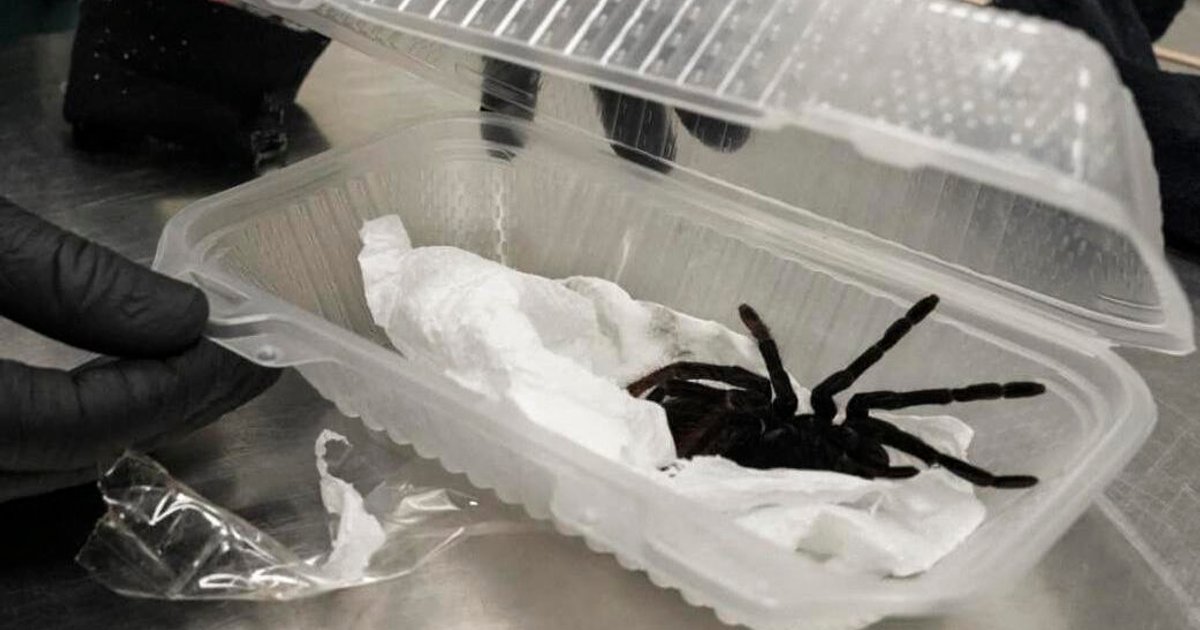
Photo via Al Jazeera
3,000 tarantulas hidden inside luggage seized at Peruvian airport
3,000 tarantulas hidden inside luggage seized at Peruvian airport. (2026, November 5). Al Jazeera. https://www.aljazeera.com/video/newsfeed/2026/11/5/3000-tarantulas-hidden-inside-luggage-seized-at-peruvian-airport?traffic_source=rss
“3,000 tarantulas hidden inside luggage seized at Peruvian airport.” Al Jazeera, 5 Nov. 2026, https://www.aljazeera.com/video/newsfeed/2026/11/5/3000-tarantulas-hidden-inside-luggage-seized-at-peruvian-airport?traffic_source=rss.
“3,000 tarantulas hidden inside luggage seized at Peruvian airport.” Al Jazeera, November 5, 2026. https://www.aljazeera.com/video/newsfeed/2026/11/5/3000-tarantulas-hidden-inside-luggage-seized-at-peruvian-airport?traffic_source=rss.
Dated from the outlet's own feed. Check the original for its byline.
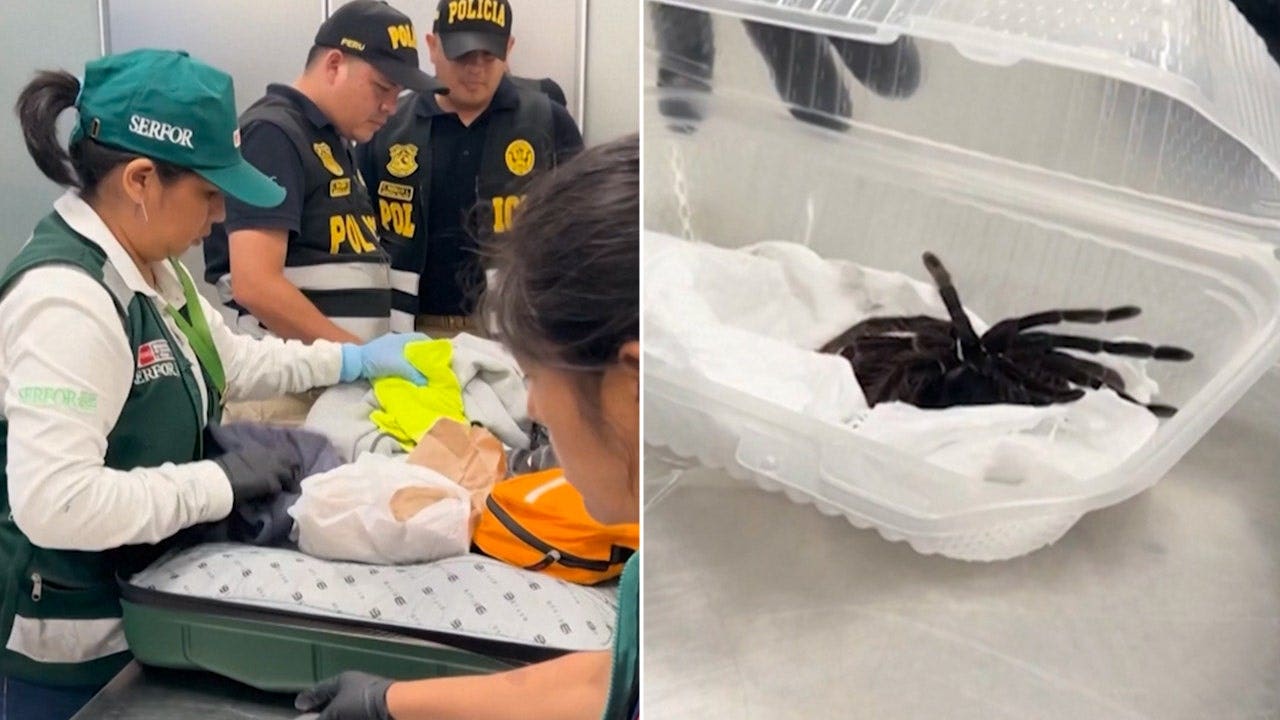
Peruvian authorities intercepted 3,000 tarantulas hidden in luggage at an airport, following a tip that led them to investigate suitcases belonging to three travelers heading to Germany. The smugglers consisted of two Germans and one Pole who were trying to illegally transport the spiders out of Peru.
Written by AI on 2026-11-06,
from this article's own text only (the story summary below draws on all the coverage).
On November 3, 2026, authorities at Jorge Chávez International Airport in Lima, Peru, seized over 3,000 tarantulas hidden inside socks within the luggage of two German nationals and one Polish national who were attempting to board a flight to Germany. The discovery came after receiving an anonymous tip that led to a routine customs inspection revealing unusual movement in the suitcases. Cora Suarez, a wildlife forestry control technician with SERFOR (Peru’s National Forestry and Wildlife Service), explained that the tarantulas ranged from eggs to adult spiders and could be extremely valuable on the European market, potentially worth around €1.5 million for this single attempt. Taking wild animals without proper permits is considered illegal wildlife trafficking in Peru, leading to potential jail time for those involved.
Written for “Tarantulas Smuggled At Peru Airport” on 2026-11-21,
grounded in this article and the 5 other(s) covering the same event.
How they differ
6 outlets covered “Tarantulas Smuggled At Peru Airport”.
What each outlet says
One AI summary per outlet of its latest article on this story, written from that article alone and checked against it. Open the article for the outlet's own words.
Al JazeeraThis outlet5 Nov
Peruvian authorities intercepted 3,000 tarantulas hidden in luggage at an airport, following a tip that led them to investigate suitcases belonging to three travelers heading to Germany. The smugglers consisted of two Germans and one Pole who were trying to illegally transport the spiders out of Peru.
3,000 tarantulas hidden inside luggage seized at Peruvian airport (this article)Fox News5 Nov

Three travelers were caught at Callao Airport in Peru trying to smuggle over 3,000 tarantulas hidden in socks stuffed into their suitcases on November 3. The individuals included two Germans and one Pole who intended to fly back to Germany with the spiders. SERFOR, Peru's wildlife authority, confiscated tarantulas of various developmental stages from eggs to adults following an anonymous tip that led authorities to…
Airport workers in Callao, Peru discovered over 3,000 tarantulas stuffed inside socks in three travelers' luggage on Tuesday following an anonymous tip. Two Germans and a Pole were detained for allegedly planning to smuggle the spiders, which included various stages of development from eggs to adults, to Germany for sale to collectors. Wildlife forestry control technicians believe these rare species are valuable due…
Peruvian airport officials discovered more than 3,000 tarantulas hidden in dirty socks inside three suitcases at Jorge Chávez international airport in Lima. The smugglers—a German and a Polish citizen—were detained after customs agents noticed unusual movement during a routine inspection. Each tarantula can fetch up to €500 ($560) in Europe, making the total value of this single trafficking attempt around €1.5…
Peruvian authorities at Lima's airport intercepted a plan to smuggle 3,000 tarantulas to Germany hidden in dirty socks within three suitcases carried by two Germans and one Polish citizen. National Forestry and Wildlife Service agents discovered the live spiders during routine customs checks; some were moving inside the luggage. The potential value of this trafficking attempt was around €1.5 million, given that a…
At Jorge Chávez International Airport in Lima, Peru, customs officials discovered over 3,000 tarantulas, including eggs and hatchlings, hidden in luggage by three individuals—two Germans and one Pole—on November 3 while they were attempting to travel to Germany. The spiders, some of which are newly identified species or protected under Peruvian law, were found inside plastic containers concealed in the travelers'…
3,000 tarantulas hidden inside luggage seized at Peruvian airport
In a peculiar failed smuggling attempt, 3,000 tarantulas were seized at a Peruvian airport, after an anonymous tip led authorities to search the suitcases of two German nationals and a Polish national boarding a flight to Germany.
asserted
tip → hide → Germany
Give feedback · no sign-in needed
No sign-in needed for now. Your note is sent without a name, so it cannot be answered.