Photo via Semafor

Gulf energy companies go global after security failures

Read the original at Semafor ↗
Cite

Martin, M. (2026, November 5). Gulf energy companies go global after security failures. Semafor. https://www.semafor.com/article/11/05/2026/gulf-energy-companies-go-global-after-security-failures

Dated from the outlet's own feed. Check the original for its byline.

Semafor · collected 2026-11-05 · by Matthew Martin

Quick Summary

Matthew’s view argues that Gulf oil and gas companies are shifting strategies due to recent security failures, moving from regional reliability to international investment. Specifically, they are expanding pipelines, investing in overseas LNG shipments, and storing oil in foreign reserves to mitigate future disruptions like those seen during the Iran conflict. This shift reflects a realization that the region can no longer guarantee energy security on its own.
Written by AI on 2026-11-05, from this article's own text only (the story summary below draws on all the coverage).

AI analysis

Story summary

Gulf energy companies are shifting their focus from regional dominance to global investment following security failures during recent conflicts involving Iran and Houthi rebels. Despite efforts like expanding Saudi Arabia’s East-West pipeline and Abu Dhabi’s pipeline to Fujairah, these measures were insufficient in ensuring the reliability of Gulf energy supplies. The ease with which drones penetrated expensive air defense systems to attack critical infrastructure highlighted vulnerabilities that cannot be mitigated solely through local investments. As a result, Gulf producers are now prioritizing international projects to secure their position within global energy supply chains, anticipating future disruptions and seeking stability beyond the region's borders.

Written for “Gulf Energy Companies Expand Globally” on 2026-11-21, grounded in this article and the 0 other(s) covering the same event.

Compared with similar articles

This article reads leans right and hedges 15% of its claims. Each row says how that neighbour differs.
Semafor
Hedges 1 of 4 claims Outlet record 64/100
“The articles discuss different aspects of oil market dynamics related to the Strait of Hormuz but describe distinct events: one about immediate price reactions to diplomatic talks and skepticism, another about long-term strategies by Gulf companies in response to security concerns.”
Semafor
Leans right Hedges 1 of 3 claims Outlet record 64/100
“The articles describe different aspects of the situation involving Iran and the Gulf countries - one describes a US strike on Qeshm Island, while the other discusses energy companies' response to security failures following the conflict.”
Semafor
Hedges 1 of 6 claims Outlet record 64/100
“The articles discuss different aspects of Saudi Aramco's financial performance and broader regional energy security strategies, not a single specific incident.”
Times of India
Hedges 10 of 32 claims Outlet record 59/100
“The articles discuss different strategies employed by Iran and Gulf energy companies to secure their oil supply chains in response to geopolitical tensions.”
Toronto Star
Hedges 6 of 38 claims Outlet record 64/100
“The articles discuss related themes but describe different aspects of the broader situation in the Middle East energy sector.”

Story

Gulf Energy Companies Expand Globally
Economy/Business · 1 article(s) covering the same event.
How this article was measured signals, leaning charts, publisher record, byline, topics and claims

Signals How these are calculated →

Claims extracted
20
sentences that state something as happening or true
Uncertain
15%
3 of 20 hedged ("reportedly", "may", "according to")
Leaning
Leans right
of the writing, not the subject · beta estimate
Publisher signals
64/100
Semafor's corrections and hedging, across everything collected from it. Not a measure of accuracy.
Outlets on this story
1
Economy/Business
Same framing elsewhere
1
articles that frame the event the way this one does
Analyzed 2026-11-05 · how these are computed

How this is being covered How these are calculated →

Article leaning vs. publisher reliability
Source leaning vs. consistency

Publisher

Semafor · 1931 article(s) · 7 correction(s) detected
Running correction rate · 7 correction(s)

Who wrote this

Matthew Martin
26 article(s) here · 1 carrying a prediction
If the security situation improves those that have left are expected to return.
2026-11-19 · assertive framing · Expats leave Riyadh as Houthi strikes persist
Qatar’s foreign ministry called Iran’s actions — its strikes on Kuwait were its first in over two months — “a dangerous escalation” that would undermine ongoing diplomatic efforts to resolve the nine-month conflict.
But I think you hit on a key issue, which is that traditionally that state control made things more opaque, so you couldn’t get outside investment because it was opaque.
Aramco CEO Amin Nasser said last week that the company aimed to “maximize production” in the fourth quarter, with the expectation that demand will be bolstered by efforts to replenish global oil inventories drained during the initial months of the Iran war.
First Abu Dhabi Bank, the UAE’s largest lender, will raise 15 billion dirhams ($4.1 billion) through a rights issue to fund its “next phase of growth.”
Instead, Gulf producers will spend the next decade investing internationally, enmeshing themselves in global energy supply chains so the region is ready when the next disruptions hit.
2026-11-05 · assertive framing · Gulf energy companies go global after security failures
It could take two years to refill depleted global oil storage reserves even if the Iran war was resolved today, Nasser said.
2026-11-03 · assertive framing · Saudi Aramco reports profit surge on higher oil prices
Unlike at the beginning of the year, when messages coming out of the Gulf were less aligned, officials and diplomats at the Manama Dialogue supported Qatar-led mediation efforts with Iran and were clearly against the US attacking it again, concerned that renewed bombing would lead to even more destructive consequences for their countries.
2026-11-02 · assertive framing · Gulf states united in call for diplomacy to end war
The deal further intertwines Public Investment Fund, which owns the rest of HUMAIN, with Aramco: The Saudi wealth fund already holds a 16% stake in Aramco, a transfer aimed at giving the fund a steady stream of dividend income, and PIF Governor Yasir Al Rumayyan is also chairman of the oil company.
2026-11-02 · assertive framing · Saudi Arabia turns to Aramco to fuel AI ambitions
Saudi Arabia’s ACWA Power and Washington DC-based investment firm EIG will commit $4 billion to launch Plenum Power to invest in US power projects, aiming to capitalize on demand from data centers and electrification.
Also by Matthew Martin
Nothing else under this byline is closely related to this article, so these are simply their most recent.
All 26 articles by Matthew Martin →

Topics

Abu Dhabi’s Fujairah Houthi Iran Saudi Arabia’s

Subjects

Iran GPE · 4× Houthi NORP · 2× Saudi Arabia’s GPE · 2× Abu Dhabi’s GPE · 1× Donald Trump PERSON · 1× Fujairah GPE · 1× Iranian NORP · 1× Matthew PERSON · 1× QatarEnergy ORG · 1× Saudi NORP · 1×

Narrative

But even if the Iran war is settled today — bringing to an end Houthi threats to shipping through the Bab el-Mandeb Strait and Iranian attacks on shipping through the Strait of Hormuz — the Gulf’s reputation as a reliable supplier of oil and gas has been irreparably damaged.
framing: assertive · carried by 1 article(s) · first seen 2026-11-05
Instead, Gulf producers will spend the next decade investing internationally, enmeshing themselves in global energy supply chains so the region is ready when the next disruptions hit.
2026-11-05 · Semafor
Gulf energy companies go global after security failures · assertive framing

Claims (20 extracted, 3 hedged)

For decades, Gulf oil and gas companies boasted of their reliability. asserted
companies → boast → reliability
But recent deals point to a new recognition: The region can no longer guarantee energy security for the world. asserted
region → point → world
Instead, Gulf producers will spend the next decade investing internationally, enmeshing themselves in global energy supply chains so the region is ready when the next disruptions hit. asserted
disruptions → spend → chains
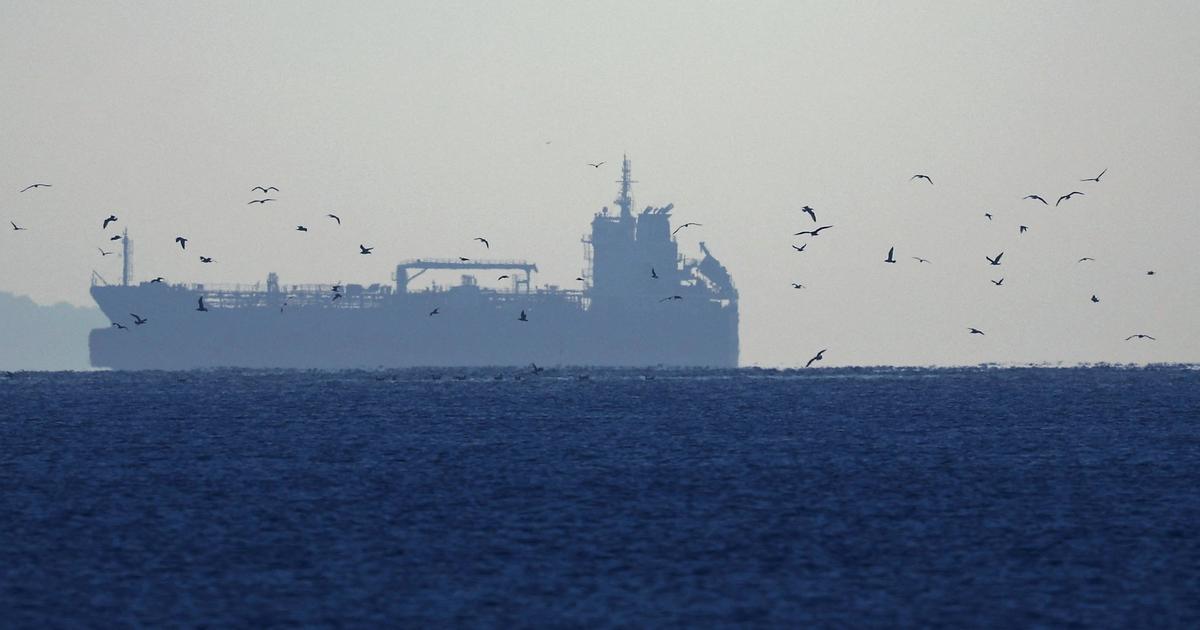
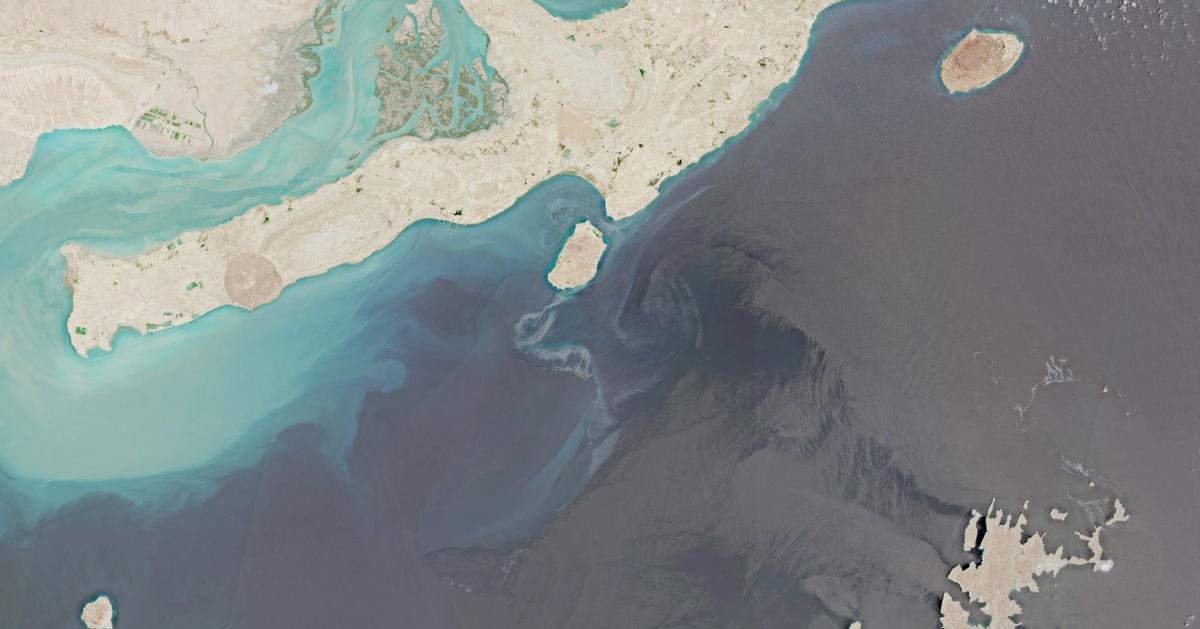
In the early days of the Iran conflict, as oil shipments through the Strait of Hormuz virtually ground to a halt, their focus was on rerouting. asserted
focus → grind → rerouting
New pipelines, railways, and ports were discussed as ways to get around the chokepoint. asserted
pipelines → discuss → chokepoint
Saudi Arabia’s East-West pipeline proved to be a crucial lifeline, both for energy markets and the kingdom’s financial health, as did Abu Dhabi’s pipeline to Fujairah. asserted
pipeline → prove → Fujairah
Both are now being expanded. asserted
Both → expand → ?
But as Houthi attacks on the Saudi pipeline have shown, Plan B isn’t enough. asserted
B → show → pipeline
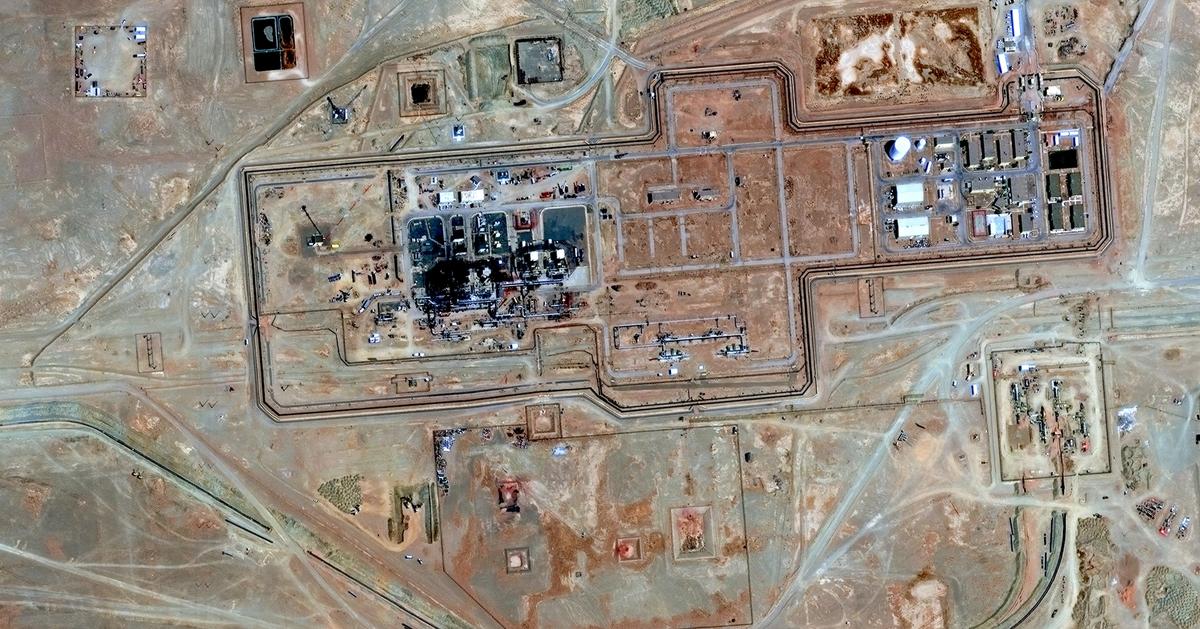
The problem isn’t just a couple of narrow waterways, it’s the inability to ensure the security of Gulf energy facilities in a crisis. asserted
it → ’ → crisis
This year’s conflict has shown the relative ease with which cheap drones can slip past some of the world’s most expensive air defense systems and hit pipelines, ports, and ships. asserted
drones → show → pipelines
Pouring billions more into new pipelines may achieve little more than creating a longer target list and spreading defensive systems more thinly. uncertain
Pouring → pour → systems
The outcome of the US midterms makes it more likely the Iran conflict remains unresolved from the Gulf’s perspective — with President Donald Trump possibly facing constraints on his ability to pursue “finish-the-job” strikes and a track record of failed diplomacy that may not get any better faced with Iran’s famously tough negotiators. uncertain
that → make → negotiators
That ensures fundamental animosity in the region will continue to fester. asserted
animosity → ensure → region
But even if the Iran war is settled today — bringing to an end Houthi threats to shipping through the Bab el-Mandeb Strait and Iranian attacks on shipping through the Strait of Hormuz — the Gulf’s reputation as a reliable supplier of oil and gas has been irreparably damaged. asserted
war → settle → oil
To avoid losing market share, the Gulf is readying itself for when instability next hits. asserted
instability → avoid → itself
QatarEnergy is buying up international LNG shipments as a hedge against any future closure of the Strait of Hormuz. asserted
QatarEnergy → buy → Hormuz
Abu Dhabi had already launched an international investment plan before the war and is now accelerating its ambitions. asserted
Dhabi → launch → ambitions
Saudi Arabia’s latest deal, to store oil in underground caves in Singapore, may not be big enough to sway global markets. uncertain
deal → store → markets
But it, too, is a statement of intent — in this case to build reserve capabilities around the world, ready for a worst-case scenario. asserted
it → build → scenario
Unable to ensure the security of domestic infrastructure, Gulf energy companies will increasingly hedge by going global. asserted
companies → ensure → infrastructure

Give feedback · no sign-in needed

No sign-in needed for now. Your note is sent without a name, so it cannot be answered.

History Support