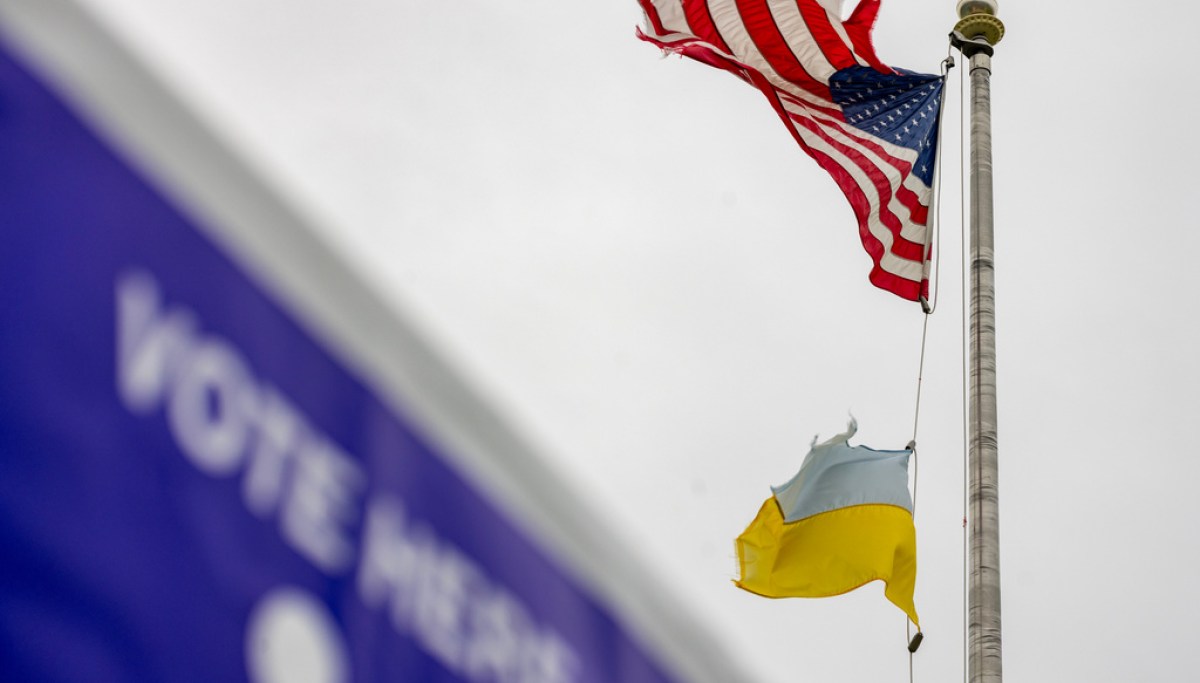
Photo via Washington Examiner

Allies fear relying on US after Starshield disruption demonstrated ‘kill switch’ threat

Read the original at Washington Examiner ↗
Cite

Nerozzi, T. (2026, November 6). Allies fear relying on US after Starshield disruption demonstrated ‘kill switch’ threat. Washington Examiner. https://www.washingtonexaminer.com/news/world/4792251/us-allies-fear-relying-american-assets-starshield-kill-switch-european-security-dependence/

Dated from the outlet's own feed. Check the original for its byline.

Washington Examiner · collected 2026-11-06 · by Timothy Nerozzi

Quick Summary

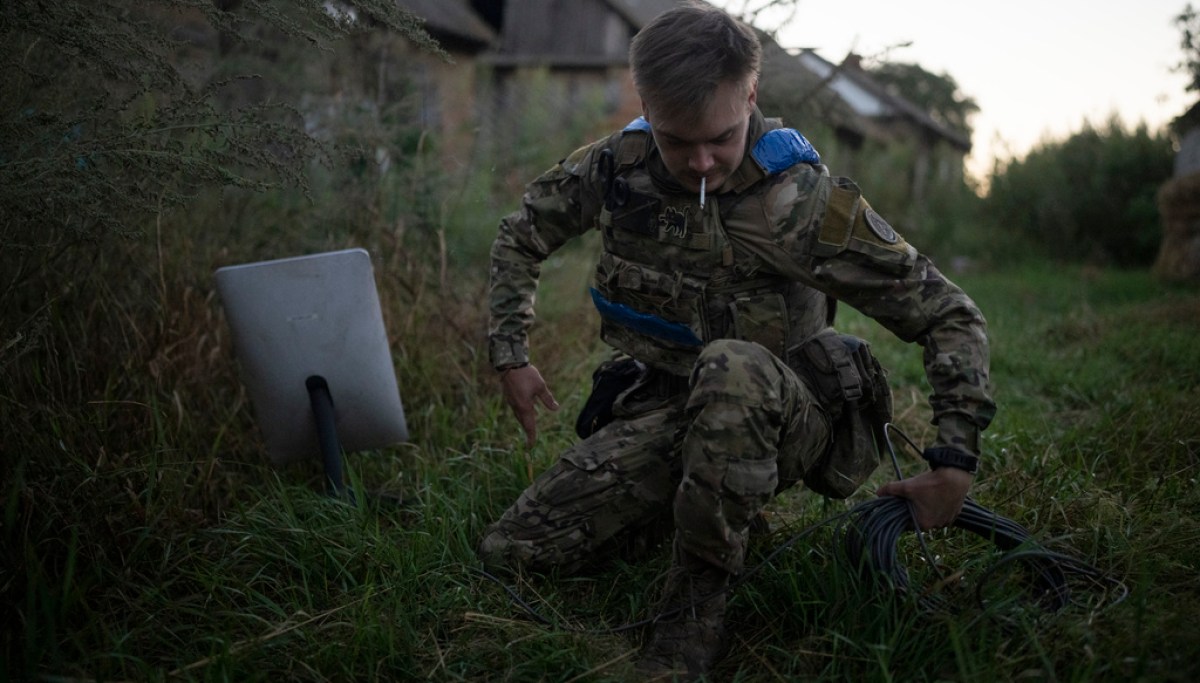
Allies are concerned about their dependence on US military assets following an incident last month where Ukraine's access to American satellite systems was abruptly halted, leaving it vulnerable to Russian attacks. The disruption of Starshield satellite capabilities on October 13 highlighted the potential for a "kill switch" that could be activated by the US at any time, raising questions among military officers and government officials about who has control over such critical defense systems.
Written by AI on 2026-11-06, from this article's own text only (the story summary below draws on all the coverage).

AI analysis

Story summary

Allies are reconsidering their reliance on the United States after a recent incident demonstrated the U.S.'s ability to quickly revoke access to its military assets. On October 13, 2026, Ukraine lost access to American satellite systems called Starshield, which significantly impaired its defense against Russian ballistic missile attacks. Ukrainian military officers and government officials urgently requested that the critical defensive systems be restored but were unable to determine who had initiated the shutdown. This event has underscored the potential risks of depending on U.S. military support for defense needs.

Written for “Allies Fear US Kill Switch Threat” on 2026-11-21, grounded in this article and the 0 other(s) covering the same event.

Compared with similar articles

This article reads leans left and hedges 0% of its claims. Each row says how that neighbour differs.
Semafor
Hedges 2 of 4 claims Outlet record 64/100
“The articles describe different events: Article A discusses the US approval of selling Patriot missiles to Ukraine, while Article B covers a previous incident where Ukrainian access to American satellite systems was disrupted.”
Washington Examiner
Leans left Hedges 1 of 3 claims Outlet record 67/100
“The articles describe different events: Article A discusses the outcome of a midterm election and its implications for US support towards Ukraine, while Article B talks about the disruption of Ukrainian access to American satellite systems.”
The Straits Times
Hedges 0 of 5 claims Outlet record 64/100
“The articles describe different events: one about the disruption of Ukrainian access to US satellite systems, and another about Ukraine urging faster delivery of interceptors due to Russian attacks on power infrastructure.”

Story

Allies Fear US Kill Switch Threat
Politics · 1 article(s) covering the same event.
How this article was measured signals, leaning charts, publisher record, byline, topics and claims

Signals How these are calculated →

Claims extracted
3
sentences that state something as happening or true
Uncertain
0%
0 of 3 hedged ("reportedly", "may", "according to")
Leaning
Leans left
of the writing, not the subject · beta estimate
Publisher signals
67/100
Washington Examiner's corrections and hedging, across everything collected from it. Not a measure of accuracy.
Outlets on this story
1
Politics
Same framing elsewhere
1
articles that frame the event the way this one does
Analyzed 2026-11-06 · how these are computed

How this is being covered How these are calculated →

Article leaning vs. publisher reliability
Source leaning vs. consistency

Publisher

Washington Examiner · 5250 article(s) · 11 correction(s) detected
Running correction rate · 11 correction(s)

Who wrote this

Timothy Nerozzi
59 article(s) here · 0 carrying a prediction
A “Youth Experience Scheme” will also foster travel by young adults between the U.K. and the EU for work and schooling.
Journalists reported evidence that the institution was willing to ignore international regulations and anti-money-laundering protocol to secure wealthy clients — including Russian industry titans and convicted sex offender Jeffrey Epstein.
Nvidia co-founder Jensen Huang will testify before the House next month as lawmakers probe the security implications of his recent affairs with an alleged spy.
The Republican Party walked away from the midterm elections thoroughly defeated and interrogating how they lost their voting base, leading to conclusions that could dramatically change the party’s foreign policy calculus.
European leaders are in a squabble over who will represent them in peace talks to end the Russian invasion of Ukraine, even though the Kremlin has not yet affirmed that it will allow them to sit in on the negotiations.
It is the special envoys who will now head to Moscow for a meeting with Russian President Vladimir Putin, then to Dublin to meet with Ukrainian President Volodymyr Zelensky.
Trump announced a framework that is “going to involve more than Ukraine” and “might involve all of Europe.”
The Democrats’ overwhelming victory in the 2026 midterm elections might seem like a counterbalance to President Donald Trump’s animosity toward Ukraine, but a reinvigoration of U.S. support for Kyiv is not necessarily on the way.
President Donald Trump revealed in an interview that all military funding to Israel will be cut by the end of the year, despite claiming no bad blood with the Middle East ally.
The official results of this week’s Israeli election have been released, and as many observers forecasted, the ethnic Arab political parties have successfully positioned themselves as kingmakers.
Also by Timothy Nerozzi
Nothing else under this byline is closely related to this article, so these are simply their most recent.
All 59 articles by Timothy Nerozzi →

Topics

American Starshield Ukraine Ukrainian the United States

Subjects

American NORP · 1× Russian NORP · 1× Ukraine GPE · 1× Ukrainian NORP · 1× the United States GPE · 1×

Narrative

The disruption of Ukrainian access to American satellite systems last month sent a clear warning to allies worldwide: if the United States offers access to its world-class military assets, it can just as quickly rip it away.
framing: assertive · carried by 1 article(s) · first seen 2026-11-06

Claims (3 extracted, 0 hedged)

The disruption of Ukrainian access to American satellite systems last month sent a clear warning to allies worldwide: if the United States offers access to its world-class military assets, it can just as quickly rip it away. asserted
it → send → it
Ukraine became a sitting duck on Oct. 13 after access to its Starshield systems was restricted, compromising its ability to repel Russian ballistic missile attacks. asserted
access → become → attacks
Military officers and government officials pleaded for the crucial defenses to be reactivated, but no one understood who pulled the plug. asserted
who → plead → plug
Give feedback · no sign-in needed

No sign-in needed for now. Your note is sent without a name, so it cannot be answered.

History Support