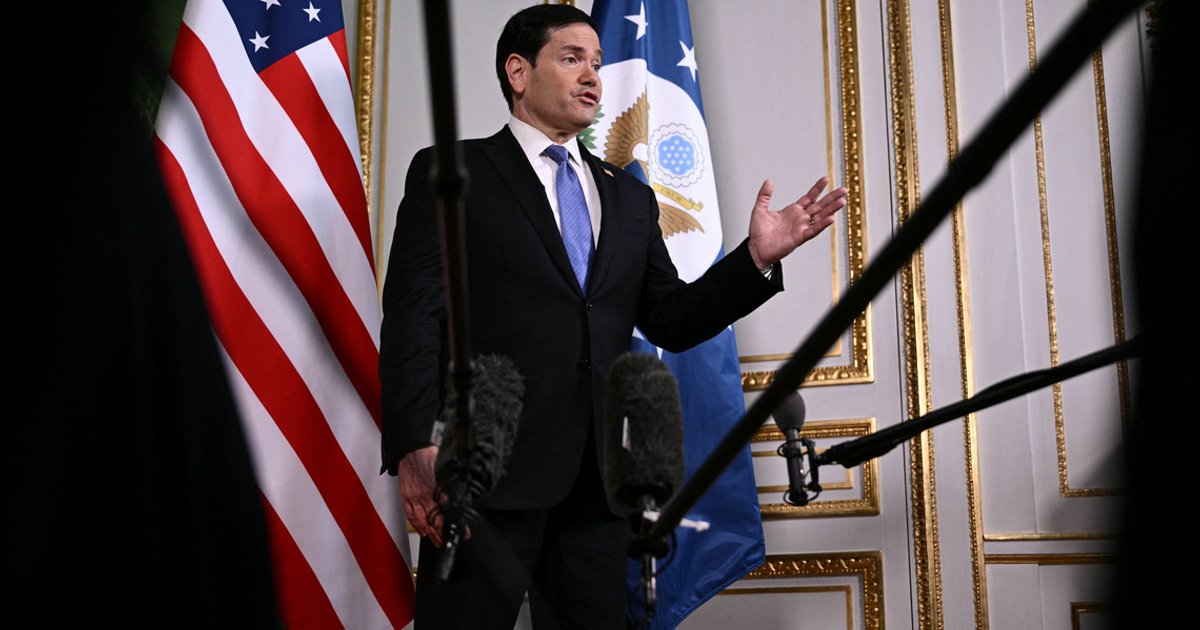
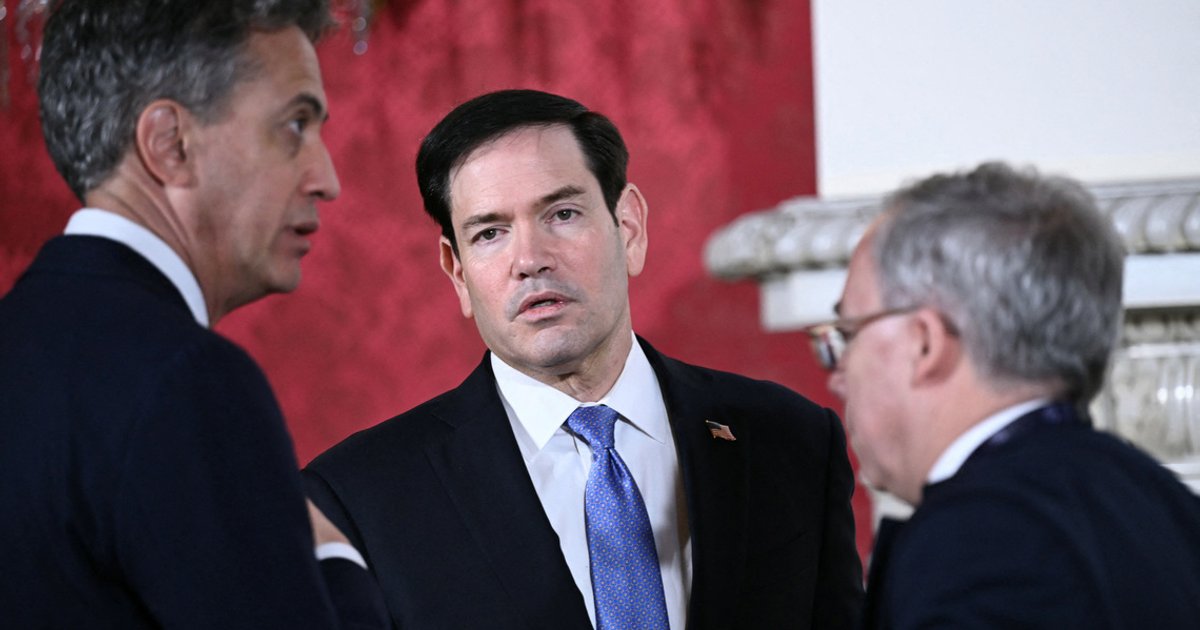
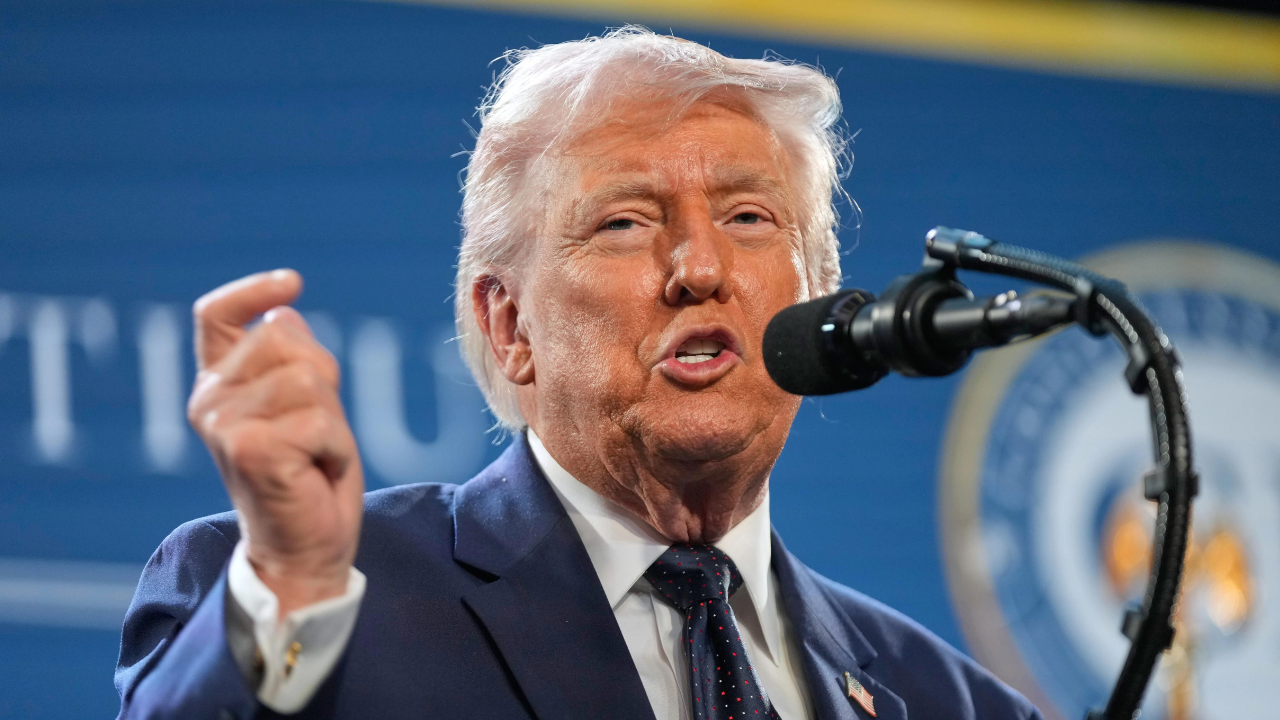
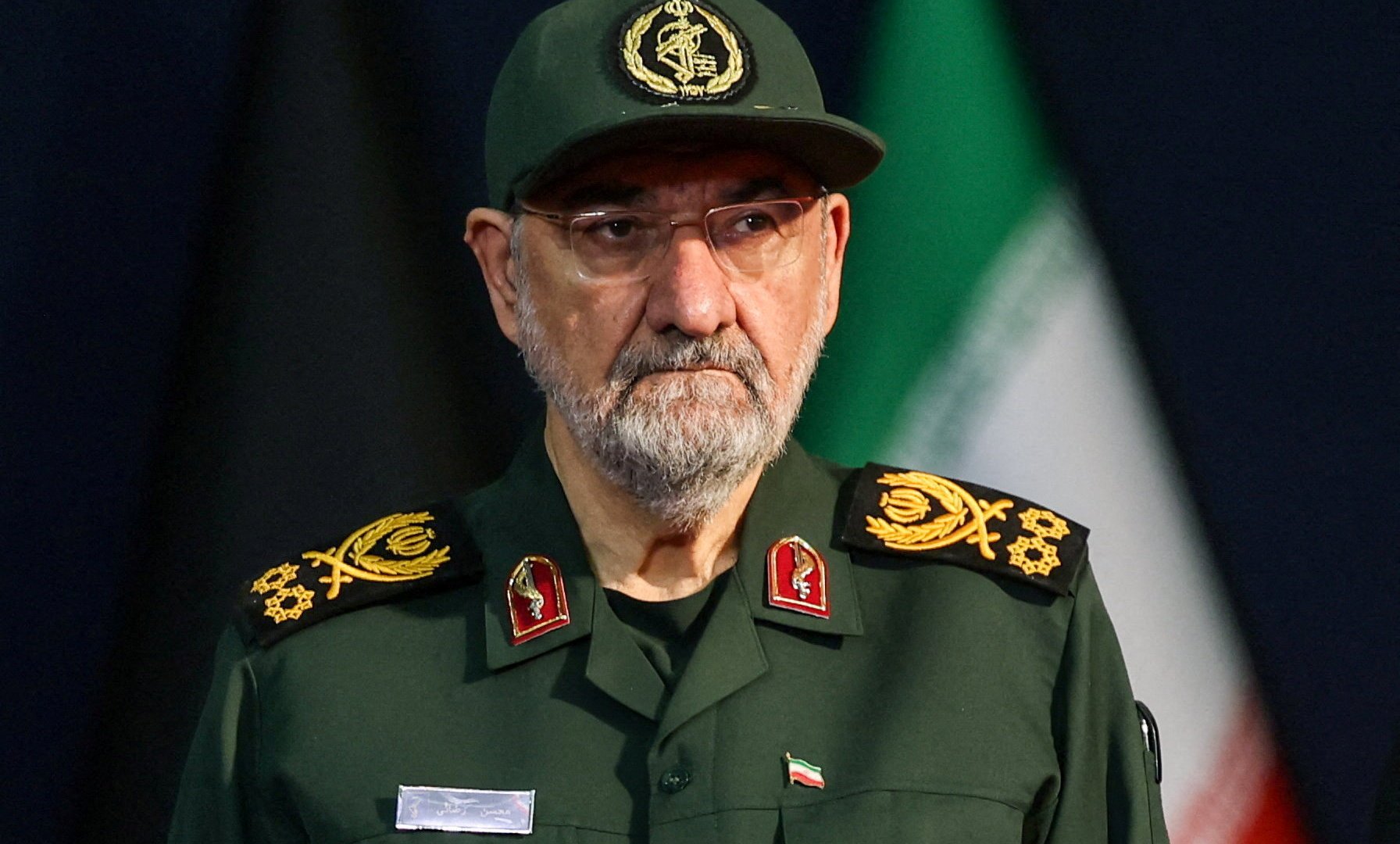
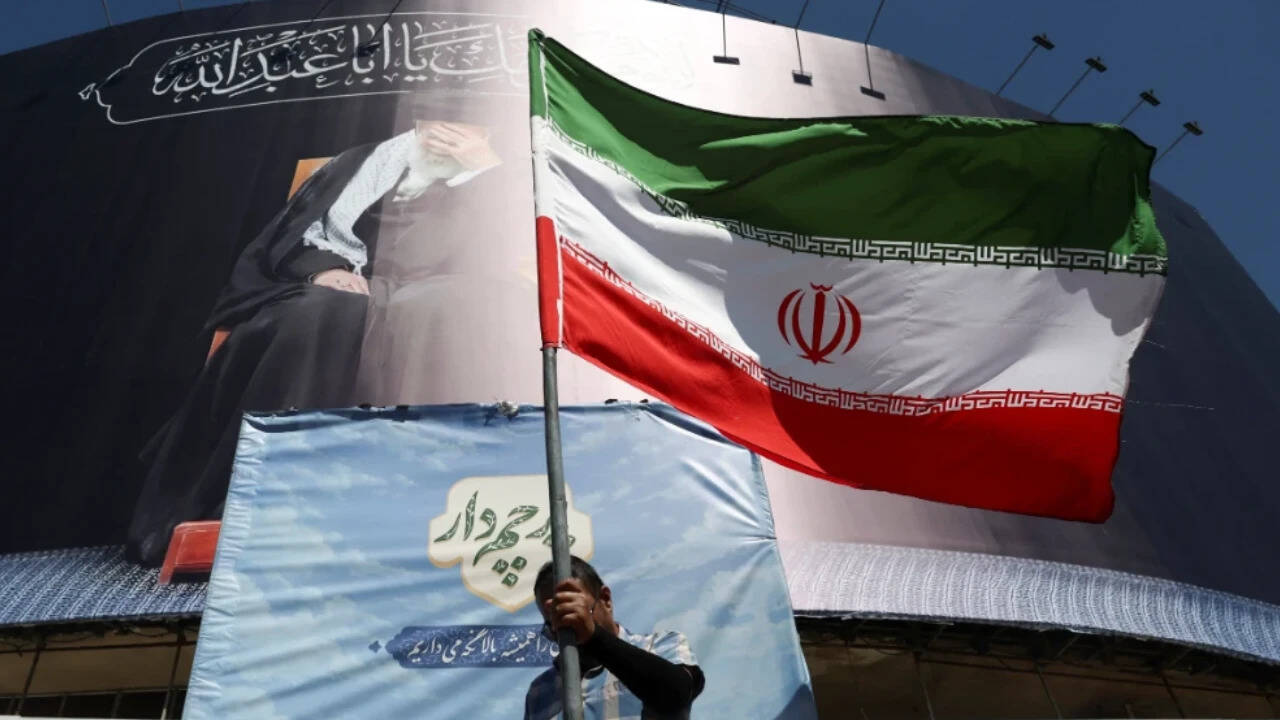
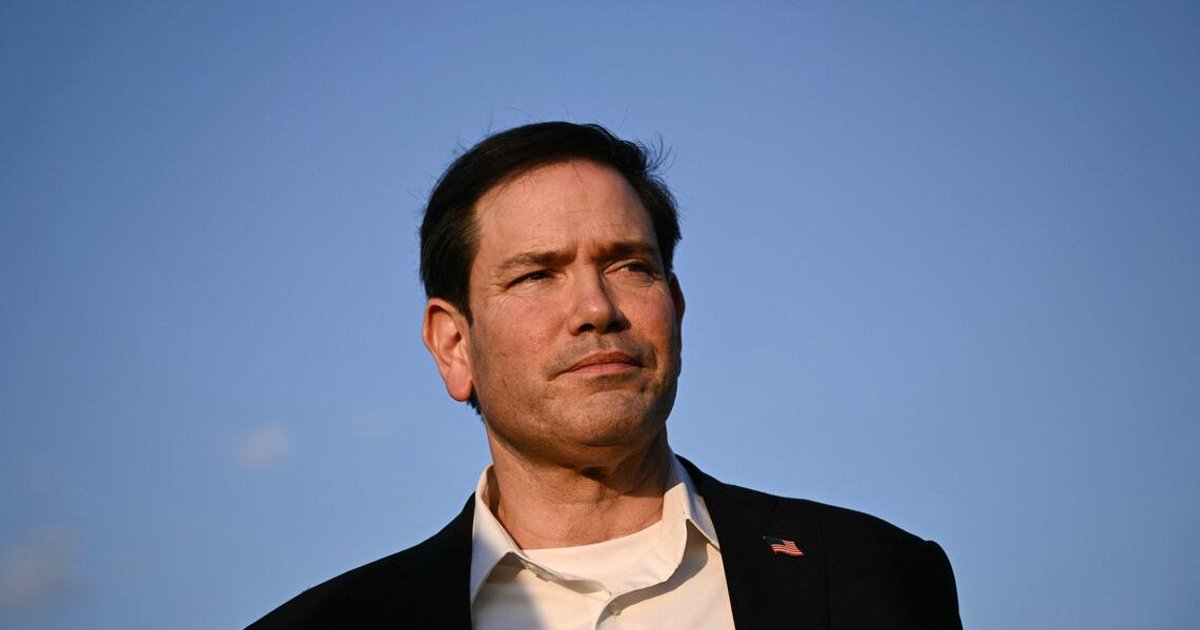
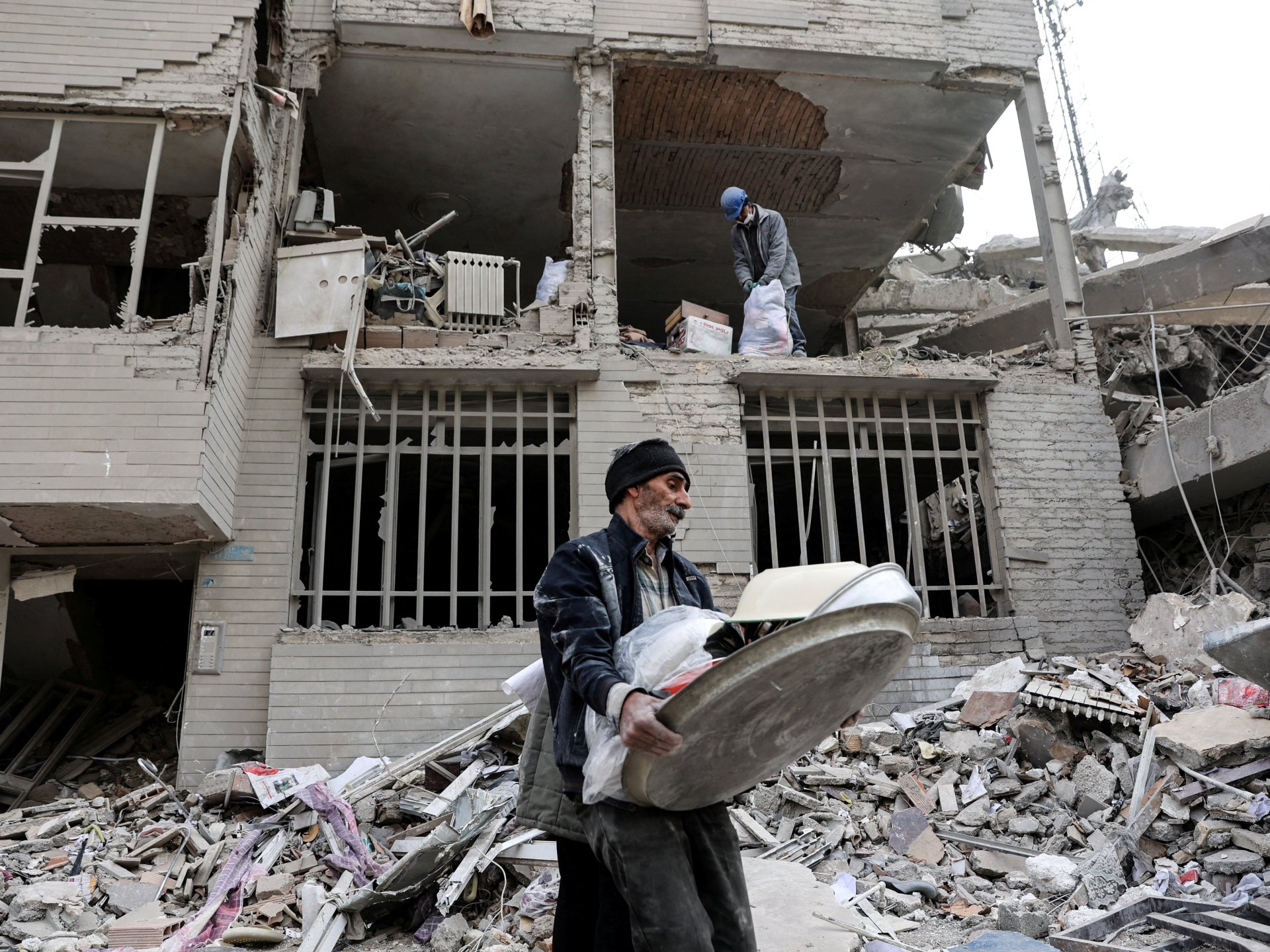
Photo via Al Jazeera

Can Tehran survive a ‘zero oil’ budget, if US blockade on Iran persists?

Read the original at Al Jazeera ↗
Cite

Motamedi, M. (2026, November 11). Can Tehran survive a ‘zero oil’ budget, if US blockade on Iran persists? Al Jazeera. https://www.aljazeera.com/economy/2026/11/11/can-tehran-survive-a-zero-oil-budget-if-us-blockade-on-iran-persists?traffic_source=rss

Dated from the outlet's own feed. Check the original for its byline.

Al Jazeera · collected 2026-11-11 · by Maziar Motamedi

Quick Summary

US Secretary of State Marco Rubio recently stated that continued economic pressure on Iran could lead to worsening conditions over the next one to three months. This includes a naval blockade, strict sanctions, and border disruptions without an immediate end in sight. Tehran-based economist Isaac Saidian warns that if Iran’s oil income reaches near-zero levels due to these pressures, the country will face severe challenges such as difficulty paying salaries and pensions, providing essential goods, and maintaining currency value. Iran's President Masoud Pezeshkian has acknowledged the economic crisis caused by sanctions and blockades but denies prospects of a collapse, while preparing for scenarios where oil revenue could drop to zero.
Written by AI on 2026-11-11, from this article's own text only (the story summary below draws on all the coverage).
See how they differ ↓

AI analysis

Story summary

US Secretary of State Marco Rubio traveled to Paris from November 8 to 10, 2026, for a meeting of G7 foreign ministers. The trip came after the midterm elections where Democrats gained control of Congress, raising questions about the Trump administration's foreign policy, particularly regarding the Iran war and the Ukraine conflict. During the G7 meeting, Rubio pushed for UK and European allies to have a seat at the table during Ukraine peace talks and discussed the need for allies to help "protect shipping" in the Strait of Hormuz. Despite the administration's efforts, there were signs of internal divisions as some officials like Rubio advocated for continued economic pressure on Iran, while others like David Vance suggested a diplomatic solution.

Written for “Rubio Pushes Anti-Iran Stance, Advocates Diplomacy” on 2026-11-21, grounded in this article and the 21 other(s) covering the same event.

How they differ

10 outlets covered “Rubio Pushes Anti-Iran Stance, Advocates Diplomacy”.

What each outlet says

One AI summary per outlet of its latest article on this story, written from that article alone and checked against it. Open the article for the outlet's own words.

Al JazeeraThis outlet11 Nov

US Secretary of State Marco Rubio recently stated that continued economic pressure on Iran could lead to worsening conditions over the next one to three months. This includes a naval blockade, strict sanctions, and border disruptions without an immediate end in sight. Tehran-based economist Isaac Saidian warns that if Iran’s oil income reaches near-zero levels due to these pressures, the country will face severe…

Can Tehran survive a ‘zero oil’ budget, if US blockade on Iran persists? (this article)3 articles from Al Jazeera on this story
The Straits Times10 Nov

On November 10, US Secretary of State Marco Rubio stated there is no immediate need for military action against Iran as economic sanctions have significantly weakened Iran's economy. During a G7 foreign ministers meeting in Paris, Rubio noted that diplomatic efforts to resolve the eight-month conflict are gaining momentum. Meanwhile, Iran has proposed reopening the Strait of Hormuz if certain demands are met…

Rubio says ‘no need’ to attack Iran as diplomacy gathers pace →7 articles from The Straits Times on this story
Toronto Star9 Nov

U.S. Secretary of State Marco Rubio is set to meet with G7 counterparts in Paris to discuss issues including the Russia-Ukraine war, Iran's conflict with Western nations, energy concerns, and artificial intelligence. The meetings come after significant Republican losses in the midterm elections, raising questions about how President Trump will handle foreign policy moving forward. During these discussions, Rubio is…

Rubio will discuss Iran, Ukraine, AI and more with G7 allies in France →2 articles from Toronto Star on this story
The Hindu11 Nov

On November 11, 2026, U.S. Secretary of State Marco Rubio stated that there was no immediate need for military action against Iran as diplomatic efforts intensified to resolve an eight-month-long war. During a G7 meeting in Paris, Rubio noted the effectiveness of economic sanctions imposed on Iran, which have weakened its economy significantly. Iran has proposed reopening the Strait of Hormuz under specific…

Rubio says 'no need' to attack Iran as diplomacy gathers pace →2 articles from The Hindu on this story
Toronto Sun10 Nov

On November 10, 2026, Iran called for the United States to meet its demands as part of a plan to reopen the Strait of Hormuz, which it had blockaded since an eight-month war began following US-Israeli strikes that killed Iran’s supreme leader. Iranian Foreign Minister Abbas Araghchi stated that resolving the conflict requires diplomatic engagement and addressing Iran's conditions, including ending sanctions and…

Iran calls on U.S. to meet its demands to end war →2 articles from Toronto Sun on this story
Evening Standard11 Nov

During the G7 foreign ministers’ meeting in Paris, Senator Marco Rubio called for European allies to participate directly in peace talks between the US, Russia, and Ukraine. He expressed concerns that Europe might be left out of any agreements reached with Russia and emphasized the need for their involvement due to their role in solving long-term issues related to the conflict. Rubio mentioned diplomatic efforts in…

Rubio pushes for UK and European allies to have seat at Ukraine peace talks →2 articles from Evening Standard on this story
Show 4 more outlets
ABC News (US)9 Nov

U.S. Secretary of State Marco Rubio is meeting with his counterparts from the Group of 7 (G7) nations in Paris to discuss pressing international issues such as Iran, Ukraine, and artificial intelligence. The meetings take place amid ongoing protests across Europe and come after significant Republican losses in the U.S. midterm elections. Rubio will address allies' concerns about President Trump's foreign policy…

Rubio will discuss Iran, Ukraine, AI and more with G7 allies in France →
Semafor9 Nov

G7 foreign ministers are meeting in Paris to discuss increasing Europe's role in US-led negotiations to end the Ukraine war. Concerns arise that upcoming talks between Russia and Ukraine, mediated by the US in Abu Dhabi, might pressure Kyiv into accepting unfavorable terms. Despite Russia's stalled military gains and high casualties, with internal documents suggesting nearly 400,000 Russian deaths, President Putin…

The EU wants greater say in Ukraine talks →
Dawn11 Nov

Iran is urging the United States to meet its conditions for reopening the Strait of Hormuz, emphasizing diplomacy over military action or increased sanctions. Iranian Foreign Minister Abbas Araghchi stated that Tehran’s proposal to reopen the waterway remains active if an agreement is reached within two days. Meanwhile, US Secretary of State Marco Rubio noted at a G7 meeting in Paris that ongoing economic pressure…

Iran urges US to meet terms for Hormuz opening →
Times of India11 Nov

US President Donald Trump has decided to intensify economic pressure on Iran instead of opting for military strikes or a peace deal, according to an Axios report. Secretary of State Marco Rubio outlined this strategy during a G7 meeting, emphasizing that continuing the current approach would increase financial strain on Tehran without setting a deadline for ending the pressure campaign. The plan includes maintaining…

No strikes, no peace deal: How Trump plans to keep Iran under pressure →

Where they agree and split

Agreed

Reported by outlets on both sides of the middle

The trip is Rubio’s first foreign venture since the midterm elections dealt Trump’s party severe losses and cost the GOP control of Congress, partly because of deeply unpopular policies like the Iran war.

5 outlets
Show 1 more

The meeting coincides with U.S.-mediated talks with Moscow and Kyiv in Abu Dhabi scheduled for Tuesday (November 10, 2026) and Wednesday (November 11, 2026) on ending the Ukraine war, with Europe concerned Kyiv must not be forced to accept disadvantageous conditions.

4 outlets

Framing

How the first headlines put it

Stated as fact2
The headlines (2)

Rubio to travel to Paris to meet G7 foreign ministers next week The Straits Times · stated as fact

Rubio will venture to France on first post-midterm foreign trip to face questions on Trump policies Toronto Star · stated as fact

Words to watch (1)

Rubio vows ‘devastating’ economic squeeze on Iran as Trump holds fire The Straits Times

The full story: what happened, how it changed, and all 22 articles →

Compared with similar articles

This article reads unscored and hedges 19% of its claims. Each row says how that neighbour differs.
The Straits Times
Hedges 0 of 16 claims Outlet record 64/100
The Straits Times
Leans right Hedges 2 of 14 claims Outlet record 64/100
The Hindu
Hedges 1 of 20 claims Outlet record 78/100
Times of India
Leans right Hedges 6 of 27 claims Outlet record 59/100
Al Jazeera
Hedges 10 of 46 claims Outlet record 60/100
Al Jazeera
Hedges 0 of 5 claims Outlet record 60/100
“The articles describe different aspects of a broader situation involving Iran and international relations; one focuses on economic pressure from the US while the other discusses military preparations and potential wider retaliation.”
Al Jazeera
Leans right Hedges 1 of 3 claims Outlet record 60/100
“The articles discuss different phases of the US-Iran tensions, with Article A focusing on economic pressure and sanctions, while Article B reports on Iran's threat of preemptive strikes and related security alerts.”
Times of India
Leans left Hedges 5 of 31 claims Outlet record 59/100
“The articles describe different aspects of the ongoing tensions between the US and Iran, but do not report on the same specific incident or occurrence.”
The Straits Times
Hedges 0 of 13 claims Outlet record 64/100
“While both articles discuss Marco Rubio's comments regarding US-Iran relations, they describe different occasions: Article A covers remarks made in contrast to Trump's statements on Nov 8, while Article B refers to a subsequent meeting in Paris where Rubio discussed economic pressure and the impact on Iran's economy.”
CBC News
Leans right Hedges 1 of 29 claims Outlet record 72/100
“Article A reports on Trump's decision to hold off on fresh military strikes against Iran, while Article B discusses the ongoing economic pressure and blockade imposed by the US without specifying a recent change in policy.”

Story

Rubio Pushes Anti-Iran Stance, Advocates Diplomacy
Politics · 22 article(s) covering the same event. Compare every outlet's account →
How this article was measured signals, leaning charts, publisher record, byline, topics and claims

Signals How these are calculated →

Claims extracted
42
sentences that state something as happening or true
Uncertain
19%
8 of 42 hedged ("reportedly", "may", "according to")
Leaning
withheld
no quote in the article backed the model's score
Publisher signals
60/100
Al Jazeera's corrections and hedging, across everything collected from it. Not a measure of accuracy.
Outlets on this story
22
Politics
Same framing elsewhere
1
articles that frame the event the way this one does
Analyzed 2026-11-11 · how these are computed

How this is being covered How these are calculated →

Article leaning vs. publisher reliability
Source leaning vs. consistency

Publisher

Al Jazeera · 6216 article(s) · 4 correction(s) detected
Running correction rate · 4 correction(s)

Who wrote this

Maziar Motamedi
30 article(s) here · 1 carrying a prediction
But analysts said the current situation is inherently unstable and could potentially escalate again into full-blown war that could see Israel rejoin the strikes on Iran.
Iranians say they are concerned about United States media reports that civilian infrastructure could be hit if the US launches a new war on Iran.
Iran holds the second-largest proven natural gas reserves in the world, only behind Russia, but its government last week forecast a peak-demand deficit of about 430 million cubic metres per day for winter that could impact both households and industries.
Decision-makers in Iran are now considering the implications of Vice President JD Vance’s removal from the Iran file to focus on domestic issues, which analysts say could increase the chances of conflict between the two sides.
US Secretary of State Marco Rubio told his Group of Seven (G7) counterparts in Paris on Tuesday that a naval blockade, stringent sanctions and overland border disruptions could continue without a clear endpoint in sight, according to US media.
Recommended Stories list of 3 items- list 1 of 3‘Another round of war less likely’: Momentum builds for peace in Iran - list 2 of 3Hegseth impeachment: What is he accused of, and could he be removed? - list 3 of 3What is Shahid Kaveh, the Iran cyberunit tied to France’s fridge hacking?
The Iranian government has reported more strikes by the United States but insists this pressure will not impact its demands to end the war.
“If the US [government] betrays their public will to serve international paymasters and blackmailers, it will learn our NO comes with a Nightmare,” read a post on his X account on Wednesday.
Ministry of Foreign Affairs spokesman Esmaeil Baghaei said Rezaei, not Ghalibaf, would respond to the letter if he chooses.
Iran’s military is warning that if all-out war breaks out again with the United States and Israel, it will be longer and more costly than their rivals expect.
Also by Maziar Motamedi
Nothing else under this byline is closely related to this article, so these are simply their most recent.
All 30 articles by Maziar Motamedi →

Topics

Group of Seven Iran State Tehran United States

Subjects

Iran GPE · 13× Tehran GPE · 4× Iranian NORP · 2× Israel GPE · 2× Kpler ORG · 2× Donald Trump PERSON · 1× Group of Seven ORG · 1× Marco Rubio PERSON · 1× State ORG · 1× United States GPE · 1×

Narrative

Tehran-based economist and market analyst Isaac Saidian said that if the persistent economic siege on Iran brings the country’s oil incomes down to near-zero levels, Tehran will be faced with one of the most difficult challenges in its recent history. “The issue is not just a decline in foreign currency incomes, but the government’s ability to account for current expenditure, paying salaries and pensions, providing essential goods, preserving the value of the national currency, and preventing budget deficits from turning into a new inflationary wave,” Saidian told Al Jazeera.
framing: assertive · carried by 1 article(s) · first seen 2026-11-11
US Secretary of State Marco Rubio told his Group of Seven (G7) counterparts in Paris on Tuesday that a naval blockade, stringent sanctions and overland border disruptions could continue without a clear endpoint in sight, according to US media.

Claims (42 extracted, 8 hedged)

After months of oscillating between new bouts of fighting and negotiations, the administration of United States President Donald Trump has reportedly opted for a third option – gradual economic pressure on Tehran. uncertain
administration → oscillate → Tehran
US Secretary of State Marco Rubio told his Group of Seven (G7) counterparts in Paris on Tuesday that a naval blockade, stringent sanctions and overland border disruptions could continue without a clear endpoint in sight, according to US media. uncertain
blockade → tell → media
He later said that Iran’s economy “continues to collapse” and predicted worsening conditions over the next one to three months. asserted
economy → say → months
Recommended Stories list of 3 items- list 1 of 3Khor Mor drone attack raises fears over Iraq’s energy security - list 2 of 3‘Another round of war less likely’: Momentum builds for peace in Iran - list 3 of asserted
Momentum → raise → Iran
3Is Washington rethinking its relationship with Israel? asserted
Washington → rethink → Israel
Tehran-based economist and market analyst Isaac Saidian said that if the persistent economic siege on Iran brings the country’s oil incomes down to near-zero levels, Tehran will be faced with one of the most difficult challenges in its recent history. “The issue is not just a decline in foreign currency incomes, but the government’s ability to account for current expenditure, paying salaries and pensions, providing essential goods, preserving the value of the national currency, and preventing budget deficits from turning into a new inflationary wave,” Saidian told Al Jazeera. asserted
Saidian → base → Jazeera
Iran’s President Masoud Pezeshkian has indicated that the cash-strapped civilian government is preparing to deal with a prolonged economic crisis caused by siege and sanctions, but has admitted that the lingering “no war, no peace” conditions will be harmful. asserted
conditions → indicate → siege
But the authorities have stressed that there are no prospects of economic collapse. asserted
authorities → stress → collapse
They have also raised the prospect of “breaking the blockade” if necessary, although it remains unclear by what means. uncertain
it → raise → blockade
In a budget directive on November 3, Pezeshkian’s administration set out two scenarios. asserted
administration → set → scenarios
The other prediction was an improvement of the situation involving fewer financial and commercial restrictions, including a substantial or complete removal of the blockade. asserted
prediction → involve → blockade
“The government must prepare for circumstances in which oil revenue reaches zero,” Mohammad Ghasemi, deputy for coordination of planning and budget at Iran’s Plan and Budget Organization, told local media on Monday about a contingency for next year. asserted
Ghasemi → prepare → year
The US military first imposed a naval blockade of Iran’s southern ports, through which most of the country’s trade passed, on April 13. asserted
most → impose → April
A memorandum of understanding in June lifted the blockade and allowed some oil and trade to pass through the Strait of Hormuz, but the deal fell apart within weeks. asserted
deal → lift → weeks
The second blockade has been in place since July 14, as Iran and the US fight for control of the Strait of Hormuz. asserted
Iran → fight → Hormuz
The US military says it has redirected 147 ships and disabled five while enforcing the blockade. asserted
it → say → blockade
It also claimed to have destroyed 10 Iranian oil tankers linked to the shadow fleet of Iran’s Islamic Revolutionary Guard Corps (IRGC). asserted
It → claim → Corps
According to the US Treasury, the blockade has led to Iran loading no oil onto vessels since August 25. uncertain
Iran → accord → August
A late October assessment by Kpler said Iran’s oil production had fallen below 2 million barrels a day in the preceding months. asserted
production → say → months
Iran produced 3.45 million barrels of crude per day in January and 3.59 million in the following month, but Israel and the US’s war on Iran began on February 28. asserted
war → produce → February
The volume of Iranian crude and condensate floating outside the blockade zone had also fallen from 88.8 million barrels on July 14 to zero in mid-October. asserted
volume → float → October
Because Chinese buyers generally pay one to two months after discharge, Kpler anticipated crude and condensate receipts potentially drying up around mid-December. asserted
receipts → pay → December
Around 43 million barrels remain stranded inside the blockade area. asserted
barrels → strand → area
The US sanctions have also limited air travel to and from Iran, while a new US task force announced this week aims at closing or disrupting most of Iran’s land borders with its seven neighbours. asserted
force → limit → neighbours
The Iranian economy has already been dealing with chronic inflation, falling investments and purchasing power, as well as banking and budget imbalances for years. asserted
economy → deal → years
So removing oil revenues will undoubtedly exacerbate the situation. asserted
removing → remove → situation
The government has increasingly relied on taxes to account for a larger share of the budget, but oil still accounted for roughly one-third of planned government funding in the 2026–27 budget proposal. asserted
oil → rely → proposal
Economist Saidian said if oil revenues fall sharply, the government’s next step should be to review public spending. asserted
step → say → spending
Cutting spending on overlapping administrative structures and opaque budgetary grants, while suspending low-return public investment projects, could ease some of the fiscal pressure on the state, he said. uncertain
he → cut → state
Reforming tax exemptions and tackling tax evasion, as well as carefully managed bond issuance and sale of some non-essential government assets, are other options. asserted
Reforming → reform → assets
But he cautioned that any abrupt drops in salaries, pensions, or social support budgets would only deepen poverty. asserted
drops → caution → poverty
The government has signalled that it will likely have to resort to reducing fuel and other energy subsidies again, which will increase prices, but the process will be gradual to lessen the impact on inflation. asserted
process → signal → inflation
“Expanding non-oil exports and facilitating trade with neighbouring countries are also essential,” Saidian said. asserted
Saidian → expand → countries
“Even so, these exports cannot be expected to replace oil revenue in the short term, especially while restrictions on banking, insurance and transport remain in place.” asserted
restrictions → expect → place
Government spokesperson Fatemeh Mohajerani said on Tuesday that next year’s budget would prioritise inflation control through fiscal discipline, household support and tighter oversight of banks. asserted
budget → say → banks
The administration will continue handing out electronic food coupons, although it has been struggling to preserve their value due to runaway prices. asserted
it → continue → prices
Year-on-year inflation was at nearly 89 percent in the Iranian calendar month ending October 22, according to the Statistical Center of Iran. uncertain
inflation → end → Iran
Saidian pointed out that no amount of austerity measures or budget reforms can fully replace sustainable access to foreign trade, investment and foreign currency incomes, so exiting inflationary stagnation for a prolonged period would require reduced tensions. asserted
exiting → point → tensions
“The historical significance of the 2027-28 budget lies in what it can reveal about how prepared Iran’s government is to move beyond an oil-dependent economy and toward transparent, accountable fiscal governance. asserted
government → lie → governance
The budget should not merely be a plan to manage the government in a difficult year, but a plan to prevent passing on today’s crisis to future generations and to start structural reforms in Iran’s economy,” he said. asserted
he → manage → economy
…and 2 more, not listed.
Give feedback · no sign-in needed

No sign-in needed for now. Your note is sent without a name, so it cannot be answered.

History Support