Photo via Euronews

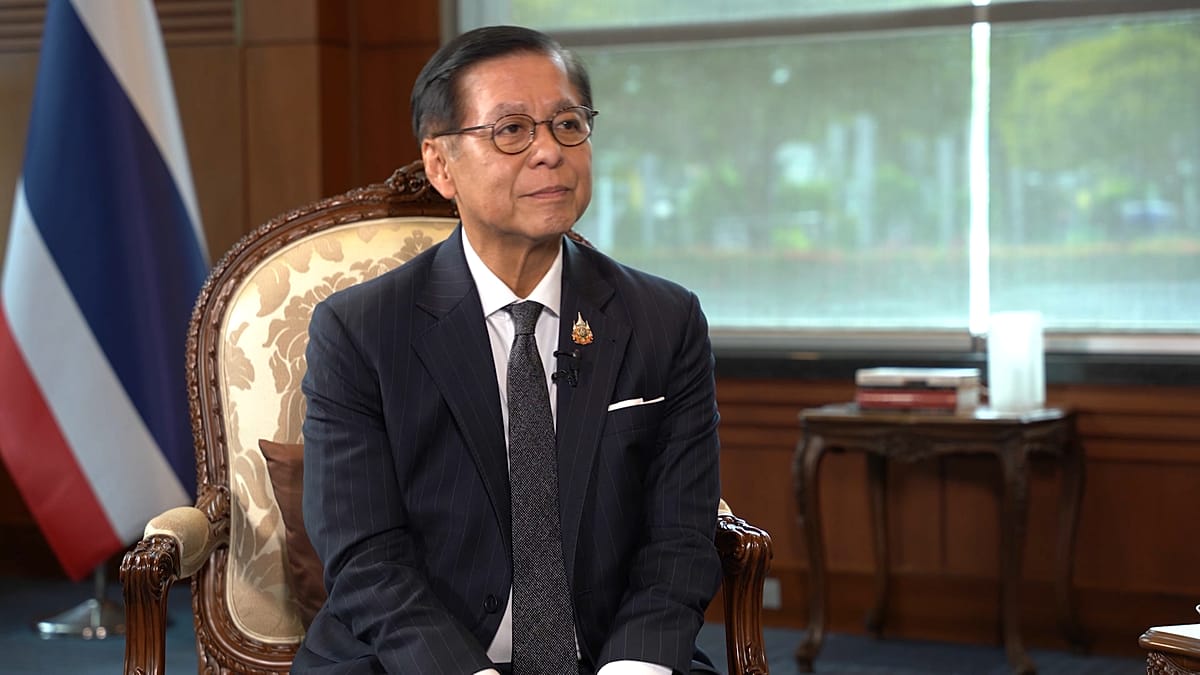
“The rules-based international order is breaking down,” Thailand’s Foreign Minister warns

Read the original at Euronews ↗
Cite

Witherspoon, J. (2026, November 12). “The rules-based international order is breaking down,” Thailand’s Foreign Minister warns. Euronews. https://www.euronews.com/2026/11/12/the-rules-based-international-order-is-breaking-down-thailands-foreign-minister-warns

Dated from the outlet's own feed. Check the original for its byline.

Euronews · collected 2026-11-12 · by Jane Witherspoon

Quick Summary

Thailand’s Deputy Prime Minister and Foreign Minister, Sihasak Phuangketkeow, warns in an interview with Euronews that the rules-based international order is breaking down. With over 40 years of diplomatic experience, Phuangketkeow emphasizes the importance of multilateralism and maintaining a balanced approach between the United States and China, two major global superpowers. He asserts that Thailand aims to remain a “geopolitically safe zone” by not taking sides in the rivalry between the superpowers and highlights the significance of ASEAN for regional stability.
Written by AI on 2026-11-15, from this article's own text only (the story summary below draws on all the coverage).

AI analysis

Story summary

Thailand’s Deputy Prime Minister and Foreign Minister, Sihasak Phuangketkeow, warned in a recent Euronews interview that the rules-based international order is breaking down. With over 40 years of experience in the Thai foreign ministry, Sihasak emphasized the need to restore multilateralism, stating that no country can tackle global challenges alone. He highlighted Thailand's balanced approach in dealing with both the United States and China, despite the growing contestation between the two superpowers. Sihasak stressed that Thailand is not neutral but seeks to avoid taking sides, citing Chinese investment in electric vehicles and the U.S. role in regional security. He described Thailand as a "geopolitically safe zone" for a market of 700 million people, navigating the complex dynamics between major powers.
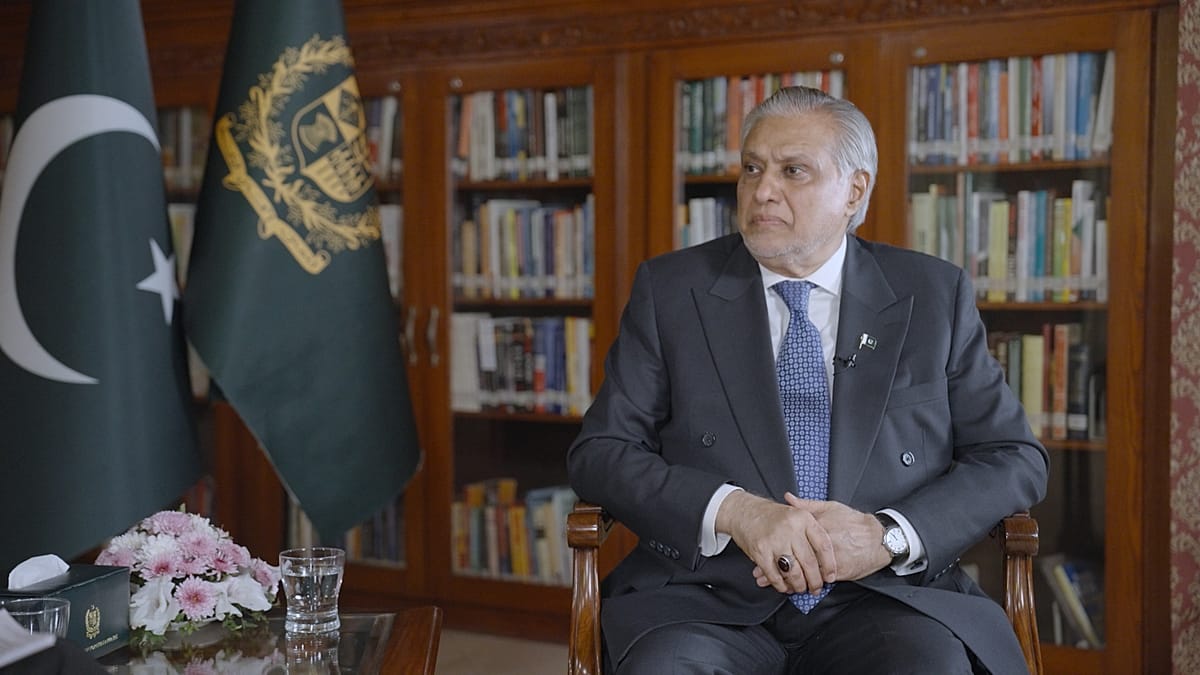
Written for “Thailand Foreign Minister Warns On Order” on 2026-11-21, grounded in this article and the 0 other(s) covering the same event.

Compared with similar articles

Nothing to compare against. No article is close enough to this one for the pipeline to have linked or judged the pair.

Story

Thailand Foreign Minister Warns On Order
Politics · 1 article(s) covering the same event.
How this article was measured signals, leaning charts, publisher record, byline, topics and claims

Signals How these are calculated →

Claims extracted
7
sentences that state something as happening or true
Uncertain
0%
0 of 7 hedged ("reportedly", "may", "according to")
Leaning
withheld
no quote in the article backed the model's score
Publisher signals
60/100
Euronews's corrections and hedging, across everything collected from it. Not a measure of accuracy.
Outlets on this story
1
Politics
Same framing elsewhere
1
articles that frame the event the way this one does
Analyzed 2026-11-15 · how these are computed

How this is being covered How these are calculated →

Article leaning vs. publisher reliability
Source leaning vs. consistency

Publisher

Euronews · 1552 article(s) · 1 correction(s) detected
Running correction rate · 1 correction(s)

Who wrote this

Jane Witherspoon
11 article(s) here · 0 carrying a prediction
With official development assistance down 23%, Nusseibeh said the UN would have to narrow its scope, partner with others where they are better placed, and publish a scorecard of results for member states and donors.
In a wide-ranging exclusive interview in Islamabad for Euronews’ World Conversation programme, Dar outlined the complex diplomatic engagements led by the major regional powers, Pakistan, Turkey, Saudi Arabia, and multiple countries in the region with Europe “towards bringing peace and stability to the region which will be effective and beneficial to the entire globe.”
Crown Prince of Dubai and Deputy Prime Minister and Minister of Defence Sheikh Hamdan bin Mohammed Al Maktoum also paid tribute, saying Sheikh Ahmed would remain in the family's hearts, memory and prayers.
Boulos declined to give a timeline, saying the moment would be Trump's to choose.
The diplomatic adviser to the UAE president told a session in Dubai that relations with Tehran must continue, but that confidence broken by the attacks on the Gulf will take years to restore.
No treaty sets out what a state may do when it is attacked through a network rather than by a weapon.
And we will be prepared," Al Marri said.
Hajiyev reiterated that Azerbaijan contributes to the EU’s energy security by supplying gas to 16 EU member countries and other European countries as well, and in that sense, the Middle Corridor connectivity project could bring Azerbaijan and the EU even closer.
"It looks like escalation is on the way” in the region gripped by the Iran war, and “with all the tensions, nobody can predict” what will happen, but the hope is that the situation “remains stable," Syrian President Ahmed al-Sharaa said on Tuesday.
Also by Jane Witherspoon
Nothing else under this byline is closely related to this article, so these are simply their most recent.
All 11 articles by Jane Witherspoon →

Topics

Bangkok Euronews Thai Thailand World Conversation

Subjects

Thailand GPE · 7× Euronews ORG · 3× Bangkok GPE · 2× China GPE · 1× Chinese NORP · 1× Sihasak PERSON · 1× Sihasak Phuangketkeow PERSON · 1× Thai NORP · 1× World Conversation ORG · 1× the United States GPE · 1×

Narrative

In a wide-ranging interview for Euronews’ new World Conversation global programme, the veteran top Thai diplomat, with over 40 years of foreign ministry service, outlined how Thailand has managed to secure a balanced approach with the United States and China at a time when the “the main global contestation is between the two superpowers whom both are friends of Thailand.”
framing: assertive · carried by 1 article(s) · first seen 2026-11-15

Claims (7 extracted, 0 hedged)

Thailand is a “geopolitically safe zone” “in a world where we see the rules based international order breaking down,” Thailand’s Deputy Prime Minister and Foreign Minister tells Euronews in a wide-ranging interview in Bangkok. asserted
Minister → see → Bangkok
Thailand’s Deputy Prime Minister and Foreign Minister Sihasak Phuangketkeow told Euronews that as “we live in a world where we see the rules-based international order breaking down,” “we need to restore multilateralism, because nobody can go it alone.” asserted
nobody → tell → it
In a wide-ranging interview for Euronews’ new World Conversation global programme, the veteran top Thai diplomat, with over 40 years of foreign ministry service, outlined how Thailand has managed to secure a balanced approach with the United States and China at a time when the “the main global contestation is between the two superpowers whom both are friends of Thailand.” asserted
contestation → range → Thailand
“We ask our friends not to force us to take sides,” Sihasak explained, adding that “not taking sides does not mean being neutral as sometimes neutrality does not serve your interest.” asserted
neutrality → ask → interest
He pointed to growing Chinese investment in electric vehicles and the US role in regional security. asserted
He → point → security
A market of 700 million people, Thailand is “a geopolitically safe zone,” the deputy prime minister said in Bangkok, and therefore its strategic objective is to maintain peace and stability. asserted
objective → say → peace
In this context, he emphasized the crucial role played by the Association of Southeast Asian Nations (ASEAN) alliance for pan-Asian stability, adding that Thailand was ready to rebuild ties with Cambodia and defended a gradual return to regional talks with Myanmar. asserted
Thailand → emphasize → Myanmar
Give feedback · no sign-in needed

No sign-in needed for now. Your note is sent without a name, so it cannot be answered.

History Support