Photo via Deutsche Welle

EU leaders tussle over who to send to Ukraine, Russia peace talks

Read the original at Deutsche Welle ↗
Cite

Parrock, J. (2026, November 12). EU leaders tussle over who to send to Ukraine, Russia peace talks. Deutsche Welle. https://www.dw.com/en/eu-leaders-tussle-over-who-to-send-to-ukraine-russia-peace-talks/a-79935468?maca=en-rss-en-world-4025-rdf

Dated from the outlet's own feed. Check the original for its byline.

Deutsche Welle · collected 2026-11-12 · by Jack Parrock

Quick Summary

European leaders are grappling with selecting a representative for Ukraine peace talks after US envoy Steve Witkoff indicated the Europeans will participate. During the European Political Community summit in Dublin, EU foreign policy chief Kaja Kallas expressed frustration about Europe's limited role compared to the US. The summit follows a diplomatic visit by US officials Jared Kushner and Steve Witkoff to Abu Dhabi and Moscow, where they met with Russian President Vladimir Putin and Ukrainian President Volodymyr Zelenskyy. Zelenskyy emphasized the need for European involvement in the talks, while European leaders are divided over who should represent the EU. Chancellor Friedrich Merz of Germany stated that Ukraine, Europe, the US, and Russia must be at the negotiating table, but many leaders are hesitant to appoint a special envoy.
Written by AI on 2026-11-13, from this article's own text only (the story summary below draws on all the coverage).
See how they differ ↓

AI analysis

Story summary

As of November 13, 2026, the European Union agreed to send multiple representatives to participate in the next round of Ukraine-Russia peace talks, instead of a single envoy, after discussions at the EU Council meeting in Dublin. Ukrainian President Volodymyr Zelensky welcomed this decision, which came after US envoys Jared Kushner and Steve Witkoff met with Zelensky and Russian President Vladimir Putin on November 12. Putin had previously agreed to let European representatives join the talks, according to a US envoy. However, Putin maintained Russia's hardline stance, indicating Moscow will not compromise on its demands for territory. European leaders are grappling with the lack of a unified voice, with some like British Prime Minister Andy Burnham rejecting the idea of being sidelined in peace negotiations. The decision to include multiple European representatives reflects the complexity and divisions within the European bloc over how to approach the ongoing conflict.

Written for “Europe's Role in Ukraine Peace Talks” on 2026-11-21, grounded in this article and the 22 other(s) covering the same event.

How they differ

12 outlets covered “Europe's Role in Ukraine Peace Talks”.

What each outlet says

One AI summary per outlet of its latest article on this story, written from that article alone and checked against it. Open the article for the outlet's own words.

Deutsche WelleThis outlet12 Nov

European leaders are grappling with selecting a representative for Ukraine peace talks after US envoy Steve Witkoff indicated the Europeans will participate. During the European Political Community summit in Dublin, EU foreign policy chief Kaja Kallas expressed frustration about Europe's limited role compared to the US. The summit follows a diplomatic visit by US officials Jared Kushner and Steve Witkoff to Abu…

EU leaders tussle over who to send to Ukraine, Russia peace talks (this article)2 articles from Deutsche Welle on this story
Evening Standard13 Nov

European leaders met in Dublin on Friday to decide that the European Union and the E5 coalition—France, Germany, Italy, Poland, and the United Kingdom—will collectively represent the bloc in negotiations with Russia over the war in Ukraine. This decision moves away from a single representative role, as EU Foreign Affairs and Security Policy high representative Kaja Kallas had previously suggested she would be the…

Europe selects negotiating team for Ukraine talks →6 articles from Evening Standard on this story
The Straits Times13 Nov

EU leaders met in Dublin on Friday to declare that Europe's security architecture should not be a subject of Ukraine-Russia peace negotiations. While the Kremlin suggested European countries could join talks if they contribute to the peace process, German Chancellor Friedrich Merz dismissed these comments as a "game" and stated that European security is already established. EU foreign policy chief Kaja Kallas and…

Europe's security cannot be part of Ukraine peace talks, EU leaders say →3 articles from The Straits Times on this story
The Hindu13 Nov

European Union foreign policy chief Kaja Kallas warned during an EU summit in Dublin on November 13, 2026, that Europe must prioritize a ceasefire over broader security negotiations to avoid Russian "traps." While U.S. envoy Jared Kushner suggested European involvement would facilitate discussions on postwar security arrangements, the Kremlin has reportedly stalled plans for European participation and is pushing to…

Europe warned against falling for Russia's 'traps' on Ukraine talks →3 articles from The Hindu on this story
The Guardian13 Nov

EU foreign policy chief Kaja Kallas warned during a summit in Dublin that Russia is attempting to divert attention from its aggression by demanding a total overhaul of European security. Following negotiations in Abu Dhabi where Russia contradicted a US envoy's claim that Europeans would be included in the next round of talks, the Kremlin stated it remains unclear what there is to discuss with the continent. The…

Russia is ‘setting traps’ in Ukraine talks, EU foreign policy chief warns →2 articles from The Guardian on this story
BBC13 Nov

Ukrainian President Volodymyr Zelensky has welcomed the inclusion of European Union delegates in upcoming Russia-Ukraine peace talks, after a pledge from US envoys Jared Kushner and Steve Witkoff. The meeting in Dublin on Thursday also discussed a significant prisoner exchange between Russia and Ukraine, but details were not provided. Zelensky emphasized the strategic importance of European involvement due to…

Zelensky welcomes US bringing Europe into Russia-Ukraine peace talks →
Show 6 more outlets
Toronto Star13 Nov

European Union leaders met in Dublin to debate appointing a single envoy to represent the 27-nation bloc in peace negotiations regarding the Russia-Ukraine war. While there is broad agreement from the U.K. to Ukraine that Europe must be involved to prevent a U.S.-led process from sidelining their interests, leaders remain divided on whether to appoint one representative or multiple individuals. The report highlights…

Europe pushes for seat at Ukraine peace talks but lacks unified voice →
The Independent13 Nov

European nations are currently debating whether to appoint a single envoy or multiple representatives to join ongoing peace negotiations between Russia, Ukraine, and the United States. While there is broad agreement among the 27 EU nations, the U.K., and Ukraine that Europe must have a seat at the table to prevent a U.S.-led process from sidelining them, leaders remain divided over the specific identity and role of…

Europe pushes for seat at Ukraine peace talks but lacks unified voice →
Euronews13 Nov

US special envoys Steve Witkoff and Jared Kushner met with Ukrainian President Volodymyr Zelenskyy in Ireland on Thursday to advocate for the inclusion of European negotiators in future peace talks. While Kushner claimed on social media that both sides agreed to this expansion to address broader postwar security, Moscow has not officially confirmed the agreement and instead suggested Europeans must choose between…

European negotiators could be set to join Ukraine peace talks →
CBS News13 Nov

This news report details the diplomatic activities of U.S. envoys Steve Witkoff and Jared Kushner, who held separate meetings with Ukrainian President Volodymyr Zelenskyy and Russian President Vladimir Putin. The report identifies that President Zelenskyy is pushing for Europe to be included in negotiations between Russia and Ukraine. The piece provides a brief factual summary of these high-level meetings as…

Zelenskyy pushes for Europe to become part of Russia-Ukraine negotiations →
Al Jazeera13 Nov

European Union leaders met at a summit in Dublin to debate how the continent should be represented in trilateral peace negotiations between Washington, Kyiv, and Moscow. While there is a broad agreement on the need for a European presence to prevent a U.S.-backed process from deciding the war's fate alone, leaders have not reached a consensus on whether to send a single envoy or a team. German Chancellor Friedrich…

Europe seeks seat at Ukraine peace talks but lacks unified voice →
Washington Examiner13 Nov

European leaders are currently debating which individual or group will represent the continent in peace talks regarding the Russian invasion of Ukraine. Following meetings between U.S. presidential envoys Steve Witkoff and Jared Kushner with both Ukrainian President Volodymyr Zelensky and Russian President Vladimir Putin, the envoys claim both sides are open to European participation. The report highlights the…

Europe squabbles over who will attend Ukraine-Russia talks as US asks for ‘one person to speak on their behalf’ →

Where they agree and split

Agreed

Reported by outlets on both sides of the middle

Putin has demanded NATO troops be pulled back from Russia’s borders and that no European forces be deployed in Ukraine.

4 outlets

Framing

How the first headlines put it

Attributed to a source2
Stated as fact7
The headlines (9)

Putin lets Europe join Ukraine peace talks, as Kyiv says Starshield disrupted again The Straits Times · attributed to a source

U.S., Ukraine say Europe to join Russia talks as Putin sticks to hardline stance The Hindu · attributed to a source

EU leaders tussle over who to send to Ukraine, Russia peace talks Deutsche Welle · stated as fact

Zelensky welcomes US bringing Europe into Russia-Ukraine peace talks BBC · stated as fact

EU leaders to meet in Dublin amid prospect of Europe joining Ukraine peace talks Evening Standard · stated as fact

Europe pushes for seat at Ukraine peace talks but lacks unified voice Toronto Star · stated as fact

Europe pushes for seat at Ukraine peace talks but lacks unified voice The Independent · stated as fact

European negotiators could be set to join Ukraine peace talks Euronews · stated as fact

Leaders meet in Dublin amid search for lead EU negotiator for peace talks with Russia - Europe live The Guardian · stated as fact

The full story: what happened, how it changed, and all 23 articles →

Compared with similar articles

This article reads leans left and hedges 10% of its claims. Each row says how that neighbour differs.
Deutsche Welle
Hedges 3 of 35 claims Outlet record 95/100
Evening Standard
Hedges 0 of 16 claims Outlet record 64/100
Toronto Star
Hedges 6 of 51 claims Outlet record 64/100
Toronto Star
Hedges 1 of 29 claims Outlet record 64/100
Evening Standard
Hedges 0 of 28 claims Outlet record 64/100
TIME
Leans right further right than this Hedges 3 of 41 claims Outlet record 60/100
“The articles describe different aspects of the diplomatic process, with Article A focusing on the direct meeting between U.S. envoys and Putin, while Article B discusses the EU's involvement and frustration with being sidelined.”
Evening Standard
Hedges 0 of 55 claims Outlet record 64/100
The Independent
Hedges 6 of 53 claims Outlet record 59/100
Evening Standard
Hedges 2 of 24 claims Outlet record 64/100

Story

Europe's Role in Ukraine Peace Talks
Politics · 23 article(s) covering the same event. Compare every outlet's account →
How this article was measured signals, leaning charts, publisher record, byline, topics and claims

Signals How these are calculated →

Claims extracted
31
sentences that state something as happening or true
Uncertain
10%
3 of 31 hedged ("reportedly", "may", "according to")
Leaning
Leans left
of the writing, not the subject · beta estimate
Publisher signals
95/100
Deutsche Welle's corrections and hedging, across everything collected from it. Not a measure of accuracy.
Outlets on this story
23
Politics
Same framing elsewhere
1
articles that frame the event the way this one does
Analyzed 2026-11-13 · how these are computed

How this is being covered How these are calculated →

Article leaning vs. publisher reliability
Source leaning vs. consistency

Publisher

Deutsche Welle · 738 article(s) · 0 correction(s) detected
No corrections detected for this publisher. That may mean careful reporting, or simply that nothing has been checked.

Who wrote this

Jack Parrock
2 article(s) here · 1 carrying a prediction
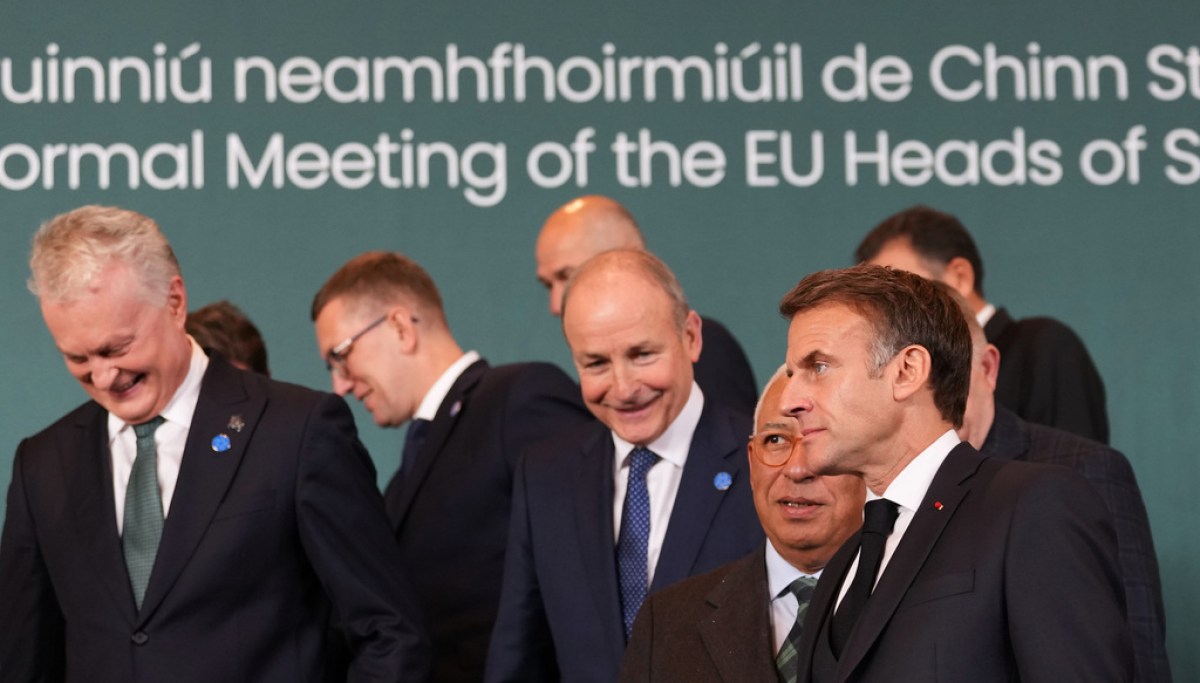
European leaders are under pressure to put forward a name to represent them in Ukraine peace talks after US envoy Steve Witkoff told reporters that the Europeans will be present at the next meetings.
Also by Jack Parrock
Nothing else under this byline is closely related to this article, so these are simply their most recent.

Topics

Dublin European Europeans Russia Ukraine

Subjects

Dublin GPE · 8× European NORP · 7× Russia GPE · 5× Europeans NORP · 4× Ukraine GPE · 4× Moscow GPE · 3× Donald Trump PERSON · 2× NATO ORG · 2× Russian NORP · 2× Steve Witkoff PERSON · 2×

Narrative

Slovenian Prime Minister Janez Jansa said in Dublin that it was creating a "bad mood" among leaders, however Latvian Prime Minister Andris Kulbergs disputed those comments saying, "I don’t feel that." European security at stake The palpable fear among the leaders in Dublin is that the US will accept Russia's demands that Europe changes the way it structures its own security, mainly through the NATO military alliance, in exchange for a seat at the table.
framing: assertive · carried by 1 article(s) · first seen 2026-11-13
European leaders are under pressure to put forward a name to represent them in Ukraine peace talks after US envoy Steve Witkoff told reporters that the Europeans will be present at the next meetings.
2026-11-13 · Deutsche Welle
EU leaders tussle over who to send to Ukraine, Russia peace talks · assertive framing

Claims (31 extracted, 3 hedged)

European leaders are under pressure to put forward a name to represent them in Ukraine peace talks after US envoy Steve Witkoff told reporters that the Europeans will be present at the next meetings. asserted
Europeans → put → meetings
When asked by DW during the European Political Community summit in Dublin why Europe should only get one seat at the table while the US gets two, EU foreign policy chief Kaja Kallas responded with a wry, ironic laugh ― clearly a sign of the frustration felt by European leaders about being sidelined thus far. asserted
Kallas → ask → leaders
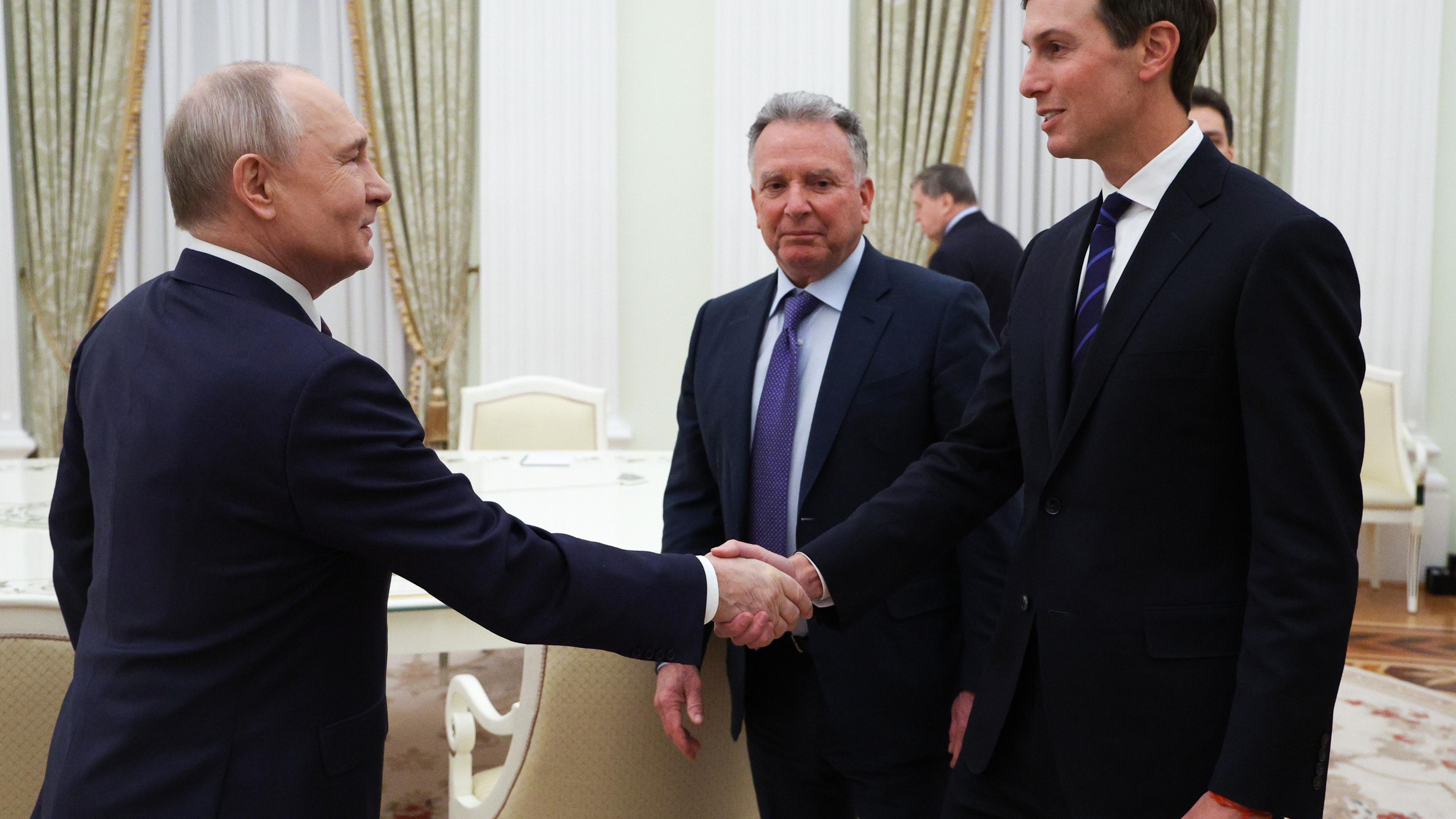
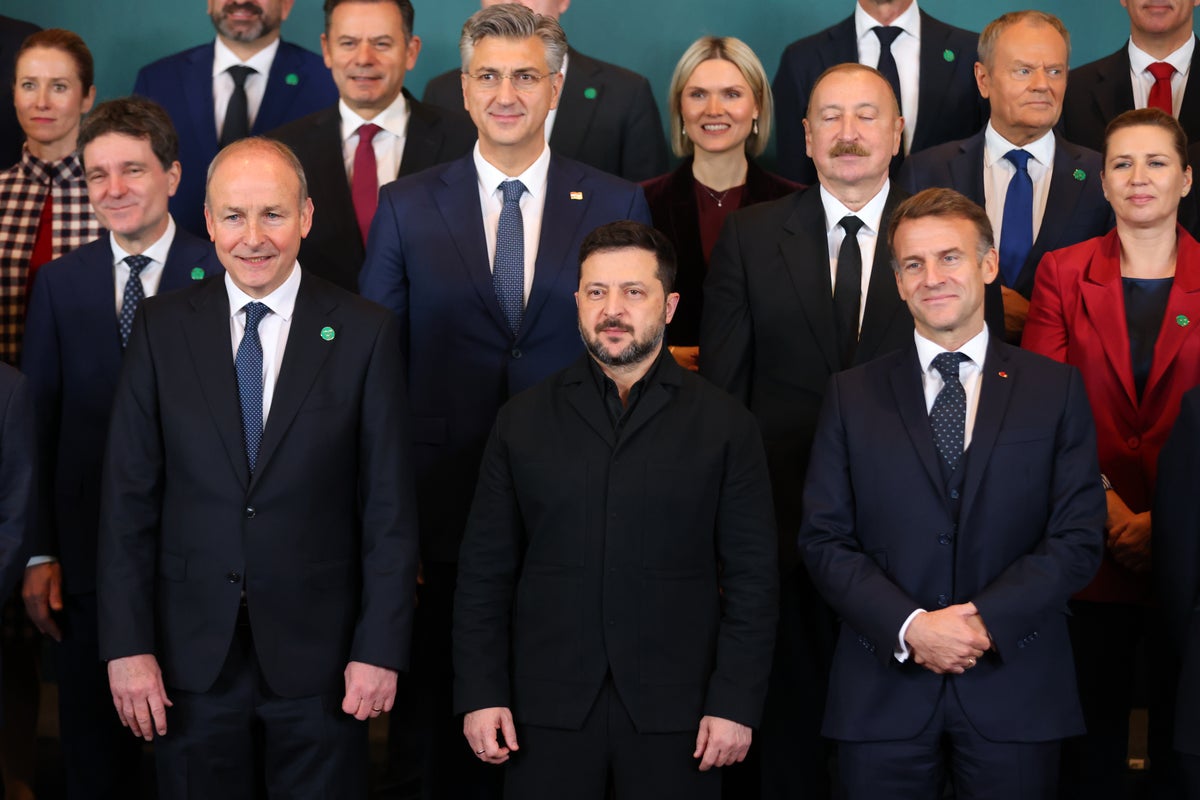
The summit of 47 European leaders in Dublin comes in the wake of a diplomatic tour by two Donald Trump administration advisers, the president's son-in-law Jared Kushner and special envoy Steve Witkoff, to talks in Abu Dhabi, followed by a meeting with Russian President Vladimir Putin in Moscow. asserted
summit → come → Moscow
The pair then hot-footed their way to Dublin to debrief Ukrainian President Volodymyr Zelekenskyy. asserted
pair → foot → Zelekenskyy
Kallas is one of the figures tipped as most likely to represent the EU in any future talks to end Russia's war against Ukraine, alongside EU Council President Antonio Costa. asserted
Kallas → tip → Costa
As yet, the EU hasn’t been able to land on one central figure to send ― many of the national leaders want to be present themselves. asserted
many → land → leaders
German Chancellor Friedrich Merz insisted Europe will be present. asserted
Europe → insist → ?
"At the table must be sitting Ukraine, must be sitting the Europeans, must be sitting the Americans, and naturally Russia," he told reporters in Dublin. asserted
he → sit → Dublin
But he, like many other leaders, played down the idea of appointing a special envoy for the talks. asserted
he → play → talks
"Not directly yet, and not yet when the Russians are at the table," he told the other leaders during the Dublin meetings. asserted
he → tell → meetings
And we need to make sure that Europe becomes a regular part of these negotiations." Europe’s division over exactly who should be present has caused a public battle to erupt. asserted
battle → need → negotiations
Prime Minister Giorgia Meloni wrote an excoriating letter to Costa last week, bemoaning the lack of unity. asserted
Meloni → write → unity
"By projecting the image of a Europe that is in disarray, we are merely serving the interests of those who want this war to continue," wrote Meloni. asserted
Meloni → project → those
European leaders had even seemed divided over their level of frustration about the situation. asserted
leaders → seem → situation
Slovenian Prime Minister Janez Jansa said in Dublin that it was creating a "bad mood" among leaders, however Latvian Prime Minister Andris Kulbergs disputed those comments saying, "I don’t feel that." European security at stake The palpable fear among the leaders in Dublin is that the US will accept Russia's demands that Europe changes the way it structures its own security, mainly through the NATO military alliance, in exchange for a seat at the table. asserted
it → say → table
Putin said a commitment that Ukraine will never join NATO and even the potential rolling back of the alliance to remove new joiners Finland and Sweden, could be among his demands. uncertain
Ukraine → say → demands
"What do we hear from them [Europeans]?" asked Putin during the meeting with Kushner and Witkoff in Moscow. asserted
Putin → hear → Moscow
"That once a peace agreement is signed, they will immediately deploy troops in Ukraine. asserted
they → sign → Ukraine
This is a legitimate target for us, so the war will resume immediately. asserted
war → resume → us
This is exactly the kind of rhetoric the European leaders say they are most wary of, especially those in Russia’s direct neighborhood. asserted
they → say → neighborhood
"Right now, we are in the [Russian] trap," said Estonian Prime Minister Kristen Michal. asserted
Michal → say → trap
"If something is a threat to you, will you discuss your defense with the threat [itself]?" asserted
you → discuss → threat
US President Donald Trump said publicly that he was hoping for a "very big, beautiful agreement" that "might involve all of Europe." uncertain
that → say → Europe
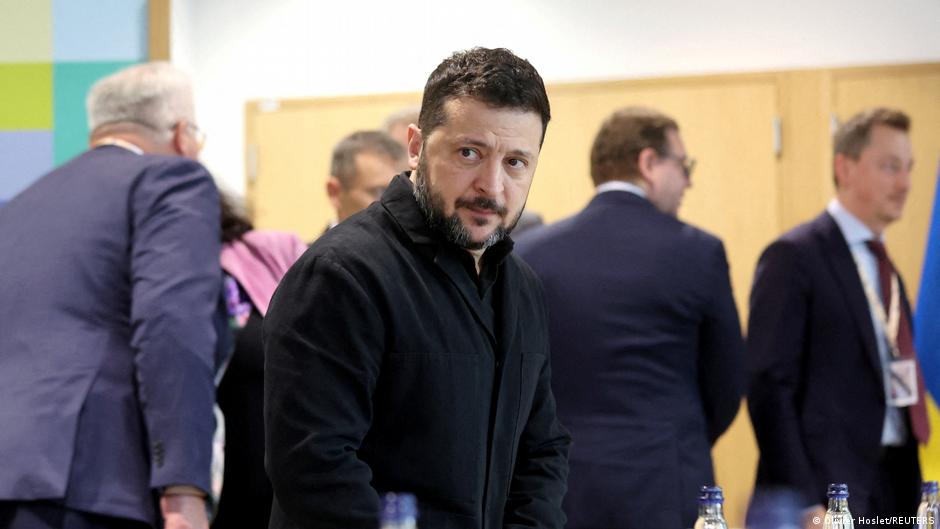
Zelensky said he found the US approach "a bit strange." asserted
approach → say → ?
Many of Europe's leaders speaking in Dublin referenced previous agreements with Russia that they believe Moscow has breached. asserted
Moscow → speak → that
They include the 1975 Helsinki Accords, the 1990 Paris Charter, 1997 NATO-Russia Founding Act and the one asserted
They → include → one
they consider most important: the 1994 Budapest Memorandum, which forbids Russia from using force against Ukraine unless in self-defense asserted
which → consider → defense
Financial support for Ukraine The rancor over the seat at the peace talks is drawing focus away from arguably the bigger battle in the EU now ― how to fund Ukraine as the war continues. asserted
war → draw → Ukraine
Back in October, the European Commission identified a €70 billion hole in the EU’s funding it had promised for Ukraine’s economy. asserted
it → identify → economy
Slovakia’s Prime Minister Robert Fico has opposed any further financial and military support for Ukraine. asserted
Fico → oppose → Ukraine
But Germany's Merz warned he could block the EU's next seven-year budget unless member states agree to contribute to Ukraine's financing. uncertain
states → warn → financing
Give feedback · no sign-in needed

No sign-in needed for now. Your note is sent without a name, so it cannot be answered.

History Support