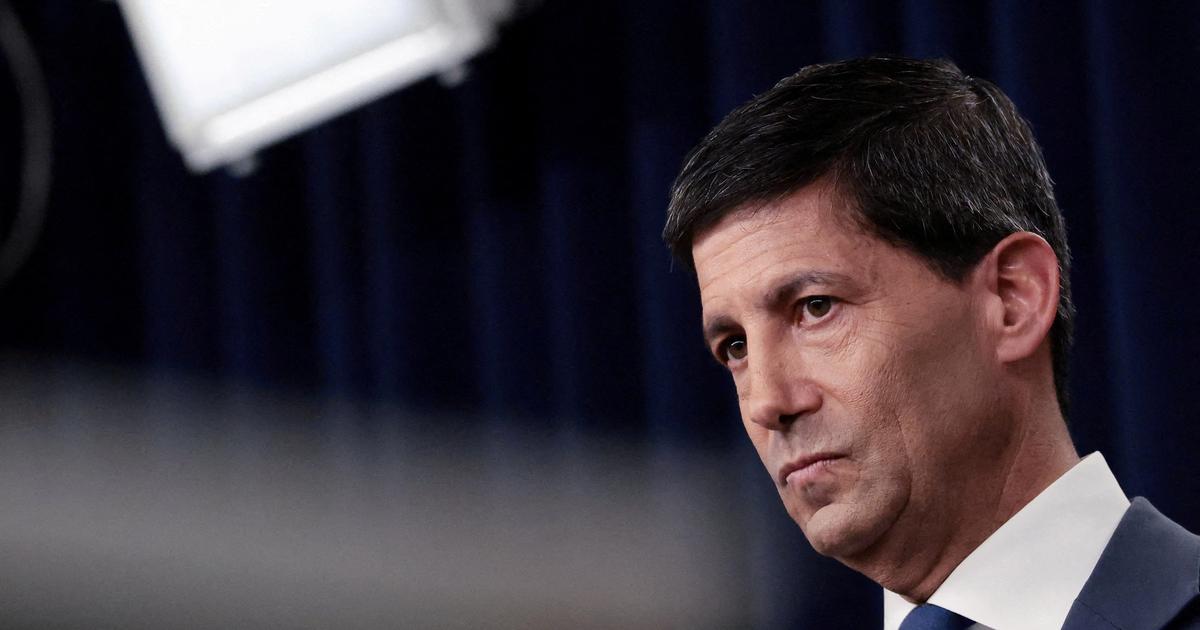
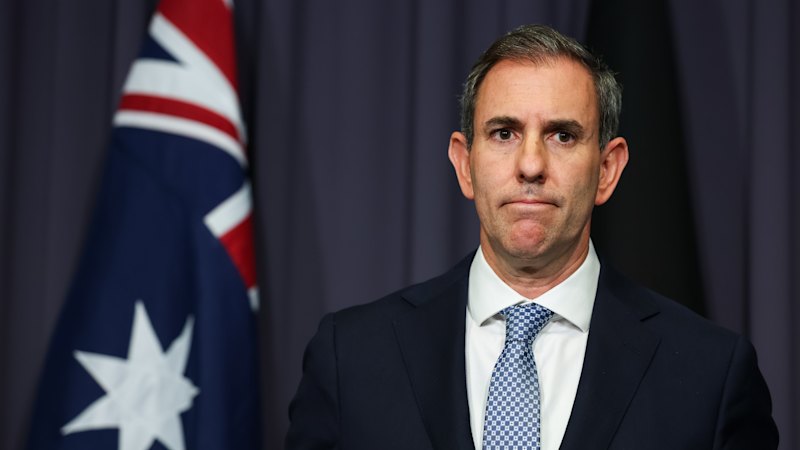
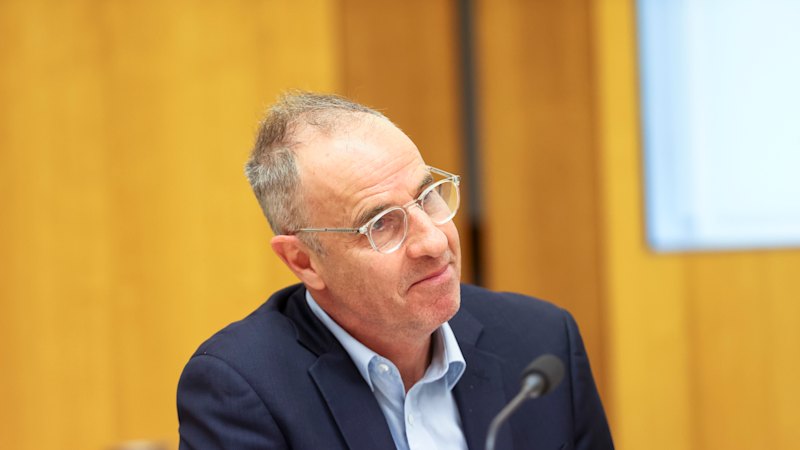
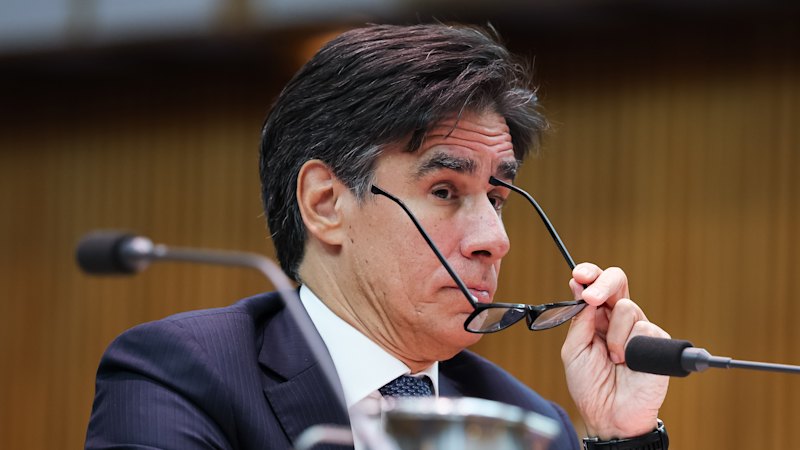
Photo via The Sydney Morning Herald

How 12 people you probably don’t know knocked down Donald Trump

Read the original at The Sydney Morning Herald ↗
Cite

Wright, S. (2026, September 17). How 12 people you probably don’t know knocked down Donald Trump. The Sydney Morning Herald. https://www.smh.com.au/politics/federal/how-12-people-you-probably-don-t-know-knocked-down-donald-trump-20260917-p60y4m.html?ref=rss&utm_medium=rss&utm_source=rss_feed

Dated when The Aporia collected the article, usually within hours of publication. Check the original for its exact date and byline.

The Sydney Morning Herald · collected 2026-09-17 · by Shane Wright

Quick Summary

The article reports on how the Federal Open Market Committee (FOMC) raised U.S. interest rates by a quarter percentage point to 3.75% to 4%, despite President Donald Trump's objections. It highlights that the decision was made to address inflation concerns rather than to reflect the creditworthiness of the US, as Trump had suggested on Truth Social. The piece underscores the ongoing tension between the president and the Federal Reserve over economic policy decisions, noting that even those whom Trump has criticized or targeted for removal supported the rate hike.
Written by AI on 2026-09-17, from this article's own text only (the story summary below draws on all the coverage).
See how they differ ↓

AI analysis

Story summary

On September 16, 2023, the Federal Reserve is expected to raise its benchmark interest rate by 25 basis points to a range between 3.75% and 4.00%, according to predictions from financial analysts like CME Group's FedWatch tool. This move reflects growing concerns over inflation, which has risen above the central bank’s target of 2%, despite previous attempts at stabilization. The decision comes amid pressure from President Donald Trump for lower rates and economic turbulence due to rising oil prices following conflicts in the Middle East, pushing crude costs past $100 per barrel. Despite political tensions, financial markets overwhelmingly anticipate a rate hike to combat inflation, with some economists predicting additional increases before year-end to achieve a “timelier return” to the 2% target.

Written for “Fed Interest Rate Hike” on 2026-11-21, grounded in this article and the 55 other(s) covering the same event.

How they differ

21 outlets covered “Fed Interest Rate Hike”.

What each outlet says

One AI summary per outlet of its latest article on this story, written from that article alone and checked against it. Open the article for the outlet's own words.

Sydney Morning HeraldThis outlet17 Sep

The article reports on how the Federal Open Market Committee (FOMC) raised U.S. interest rates by a quarter percentage point to 3.75% to 4%, despite President Donald Trump's objections. It highlights that the decision was made to address inflation concerns rather than to reflect the creditworthiness of the US, as Trump had suggested on Truth Social. The piece underscores the ongoing tension between the president and…

How 12 people you probably don’t know knocked down Donald Trump (this article)2 articles from Sydney Morning Herald on this story
CBS News17 Sep

On Thursday, the Federal Reserve increased the federal funds rate for the first time in over three years, raising it to a range between 3.75% and 4.00%. This hike is expected to result in higher interest rates for savers across various account types. The article recommends that savers act quickly by moving their accessible cash into high-yield savings accounts or certificates of deposit (CDs), emphasizing the…

3 savings moves to make post-Fed rate hike →15 articles from CBS News on this story
Washington Examiner21 Sep

The article discusses how the Federal Reserve raised interest rates despite high oil prices caused by geopolitical tensions in key Middle Eastern shipping lanes like the Strait of Hormuz and Bab el-Mandeb. It argues that this move will not address supply shortages but could harm economic growth, particularly for lower-income Americans who rely on stable job markets rather than asset returns. The piece suggests that…

Rate hikes can’t stop drone strikes: Why is the Fed punishing Americans for the Hormuz blockade? →5 articles from Washington Examiner on this story
The Straits Times17 Sep

On September 16, US President Donald Trump criticized the Federal Reserve for raising interest rates, demanding they be “1% or less” on his social media platform Truth Social. This came after Kevin Warsh, Trump’s appointee to lead the Fed, supported a rate hike at a press conference where he emphasized that inflation is too high and needs addressing. Despite Trump's criticism, he claimed to still have confidence in…

Trump lashes out at Fed after Warsh backs rate hike, says rates should be ‘1% or less’ →4 articles from The Straits Times on this story
ABC News (AU)16 Sep

US policymakers expect another interest rate hike by the end of the year following a 25 basis point increase by the Federal Reserve to curb inflation. Share markets were down overnight after the decision and are expected to drop locally as well. JP Morgan's chief economist, Bruce Kasman, predicts cumulative policy hikes totaling at least 75 basis points globally this year due to rising core inflation, tightening…

Live: US policymakers expect Fed to raise rates again this year →3 articles from ABC News (AU) on this story
New York Post17 Sep

Mortgage rates in the US have risen for a fourth consecutive week to just under 7%, according to Freddie Mac’s latest report released Thursday. This marks the highest rate since January 2023, with the average 30-year fixed-rate mortgage jumping from 6.76% last week to 6.95%. The increase reflects rising borrowing costs due to inflation and the Federal Reserve's recent interest rate hike, impacting homebuyers'…

Mortgage rates jump to nearly 7% after Fed rate hike — highest in nearly two years →3 articles from New York Post on this story
Show 14 more outlets
BBC17 Sep

The Federal Reserve increased US interest rates to a range of 3.75%-4% from 3.5%-3.75%, marking the first such rise in three years, aiming to control inflation. In a video segment, BBC reporter Samira Hussain discusses the reasons behind this rate hike and its implications for American consumers.

Watch: How will higher interest rates impact US consumers? →3 articles from BBC on this story
Dawn17 Sep

The US Federal Reserve has raised interest rates by 25 basis points for the first time in three years, primarily to address high inflation and rising oil prices. The decision’s potential impact on Pakistan includes increased external debt servicing costs and pressure on Pakistan's currency, according to financial analysts. Experts suggest that while Pakistan’s near-term financing is somewhat protected due to a…

What the US Fed hike could mean for Pakistan's economy →3 articles from Dawn on this story
The Guardian19 Sep

Kevin Warsh led the Federal Reserve to unanimously decide on a rate hike of three years, emphasizing the need to address persistently high inflation exceeding the Fed’s 2% target. Despite facing pressure from President Trump, who demanded lower rates and threatened trade measures unless the Fed complies, Warsh remained resolute in his decision-making during an election year. Financial markets reacted cautiously…

Kevin Warsh may be the adult in the room. But can he calm the US economy? →2 articles from The Guardian on this story
Semafor17 Sep

Markets rallied on Thursday after the US Federal Reserve raised interest rates as expected, with an analyst stating that this move reduced uncertainty. Despite criticizing the rate hike, President Donald Trump did not directly blame Fed Chair Kevin Warsh, whom he had appointed to replace Jerome Powell. Trump revealed he spoke with Warsh before the decision, leading some commentators to speculate about the central…

Trump backs Fed's Warsh following rate hike →2 articles from Semafor on this story
Global News17 Sep

The U.S. Federal Reserve raised interest rates to a minimum of 3.75%, the first increase in three years, potentially pressuring the Bank of Canada to raise borrowing costs for Canadians soon. Economists suggest that while Canadian interest rates aren’t directly tied to U.S. moves, the strengthening of the U.S. dollar and weakening of the Canadian dollar could influence future rate decisions by the Bank of Canada…

What the U.S. Fed hiking rates means for the loonie and for borrowers →2 articles from Global News on this story
Time19 Sep

Federal Reserve Chair Kevin Warsh led his third Federal Open Market Committee (FOMC) meeting on September 15 and 16, where the committee unanimously decided to raise interest rates by a quarter percentage point. This rate increase brings the target range to 3.75% to 4%, reflecting concerns over sustained high inflation. Despite broad economic consensus supporting this decision, President Donald Trump criticized…

Can Kevin Warsh Change the Federal Reserve? →2 articles from Time on this story
ABC News (US)16 Sep

The Federal Reserve is expected to raise interest rates for the first time since 2023 on Wednesday amid high inflation and economic strain. Oil prices are near a four-month high, with gasoline averaging $4.30 per gallon. The central bank faces pressure from three dissenting policymakers who favored rate hikes at the last meeting in July. Financial markets predict a quarter-point increase based on a 94% probability…

Federal Reserve expected to raise interest rates for the first time since 2023 →
The Independent16 Sep

President Donald Trump criticized the Federal Reserve after it raised interest rates for the first time in more than three years, increasing the benchmark rate by a quarter point to between 3.75% and 4%. In a Twitter rant, Trump insisted that interest rates should be "1%, or less," citing the country's strong economic creditworthiness. The president’s comments were met with criticism for conflating different types…

President Trump-splains economy to Fed in rant after first interest rate hike in 3 years →
Al Jazeera17 Sep

The United States Federal Reserve raised its benchmark interest rate by a quarter of a percentage point on Wednesday, marking the first increase in over three years. This move was made to address rising inflation, which reached 3.4% last month, significantly above the Fed’s target of 2%. The decision was unanimous among all 12 members of the FOMC, with Chair Kevin Warsh emphasizing that high inflation needs timely…

What to know about US Federal Reserve’s first interest rate hike in 3 years →
Reason17 Sep

The Federal Reserve raised interest rates to a target range of 3.75 percent to 4 percent on Wednesday, marking the first increase in three years and coming despite President Trump's previous statements downplaying inflation concerns. This rate hike was unanimous among Fed officials and came after Kevin Warsh replaced Jerome Powell as chair of the Federal Reserve. President Trump had previously criticized the board…

Best Credit in the World →
South China Morning Post18 Sep

The US Federal Reserve raised its benchmark interest rate by a quarter of a percentage point for the first time since 2023, leading the Hong Kong Monetary Authority and the Bank of Japan to follow suit. The 10-year US Treasury yield subsequently dropped below 5 per cent to about 4.94 per cent on Friday. Additionally, Hong Kong’s ranking as the third most important global financial centre was confirmed in a recent…

From US Fed rates to China’s global export share: 4 figures shaping markets →
Fox News18 Sep

Lee Carter writes in an opinion piece that the Federal Reserve raised interest rates for the first time since 2023 on Wednesday, aiming to combat high inflation by cooling economic demand. While economists view consumers as resilient due to their ability to maintain spending despite rising costs and tightening credit conditions, Carter suggests this resilience might mask underlying fatigue and financial strain among…

LEE CARTER: The Fed finally raised rates. The real danger now for the GOP is what happens next →
NPR19 Sep

The Federal Reserve recently raised interest rates by a quarter percentage point in an attempt to curb rising inflation. The article explains that the Fed's primary responsibilities are maintaining price stability and achieving maximum employment, often requiring difficult trade-offs between these goals. It details how adjusting interest rates is a key tool for influencing economic activity: raising rates slows down…

Ever wonder how the Fed's interest rate actually works? We've got answers →
Toronto Star20 Sep

The Federal Reserve raised its benchmark interest rate amid ongoing economic challenges such as persistent high inflation and robust growth despite supply shocks. Economists like Joe Brusuelas from RSM argue that this shift signifies a return to pre-pandemic conditions, with strong consumer spending colliding with supply constraints, leading to higher mortgage rates. Currently, the average 30-year mortgage rate has…

Federal Reserve rate hike reflects new world of sticky inflation and faster growth →

Where they agree and split

Agreed

Reported by outlets on both sides of the middle

The move was engineered not by one of the Fed governors Trump has spent years attacking as "boneheads," but by Kevin Warsh, the chairman Trump elevated to the job in May after months of bullying his predecessor, Jerome Powell, over interest rates that he considered to be too high.

6 outlets
Show 1 more

Price increases have repeatedly plagued U.S. consumers, especially at the pump, where the national average price for a gallon of gasoline has hit $4.43 up from $3.20 a year ago, data from the American Automobile Association shows.

4 outlets

Disputed

Picked by our model, which is sometimes wrong

  • CBS News suggests that raising interest rates could hurt home buyers and those seeking loans, while Semafor focuses on the impact of disappointing investors' expectations.15

Framing

How the first headlines put it

  • CBS News frames the event around advice for where to keep money in case of a rate hike, while ABC News focuses on the conflict between the Fed and President Trump.14
  • Semafor highlights the potential clash with Trump, whereas The Independent emphasizes Trump's reaction to the rate hike.52
Words to watch (1)

Eye Opener: Trump slams Fed after interest rate hike CBS News

The full story: what happened, how it changed, and all 56 articles →

Compared with similar articles

This article reads leans left and hedges 6% of its claims. Each row says how that neighbour differs.
ABC News (AU)
Leans left Hedges 2 of 27 claims Outlet record 67/100
Al Jazeera
Hedges 5 of 36 claims Outlet record 60/100
BBC News
Leans left Hedges 1 of 4 claims Outlet record 65/100
Dawn
Leans right further right than this Hedges 1 of 11 claims Outlet record 67/100
Dawn
Hedges 6 of 31 claims Outlet record 67/100
CBS News
Centre further right than this Hedges 0 of 3 claims Outlet record 66/100
The Sydney Morning Herald
Leans strongly left further left than this Hedges 5 of 29 claims Outlet record 61/100
“The articles discuss different aspects of the Federal Reserve's decision to increase interest rates, with Article A focusing on the direct outcome and Trump's reaction, while Article B elaborates more on the geopolitical context provided by Kevin Warsh.”
NBC News
Hedges 5 of 42 claims Outlet record 77/100
“The articles describe different events involving distinct actions by bond traders and the Federal Open Market Committee, not the same specific incident.”
Semafor
Hedges 2 of 7 claims Outlet record 64/100
Semafor
Hedges 0 of 3 claims Outlet record 64/100
“The articles discuss related topics but describe different moments: Article A discusses Trump's comments about interest rates before a decision, while Article B describes the actual FOMC decision and Trump's response.”

Story

Fed Interest Rate Hike
Economy/Business · 56 article(s) covering the same event. Compare every outlet's account →
How this article was measured signals, leaning charts, publisher record, byline, topics and claims

Signals How these are calculated →

Claims extracted
31
sentences that state something as happening or true
Uncertain
6%
2 of 31 hedged ("reportedly", "may", "according to")
Leaning
Leans left
of the writing, not the subject · beta estimate
Publisher signals
61/100
The Sydney Morning Herald's corrections and hedging, across everything collected from it. Not a measure of accuracy.
Outlets on this story
56
Economy/Business
Same framing elsewhere
1
articles that frame the event the way this one does
Analyzed 2026-09-17 · how these are computed

How this is being covered How these are calculated →

Article leaning vs. publisher reliability
Source leaning vs. consistency

Publisher

The Sydney Morning Herald · 7782 article(s) · 16 correction(s) detected
Running correction rate · 16 correction(s)

Who wrote this

Shane Wright
30 article(s) here · 1 carrying a prediction
Treasurer Jim Chalmers is promising a “Goldilocks” mid-year budget update that will be focused on savings large enough ease inflation pressures but which will not hurt the overall economy.
The Greens could get in the way of Treasurer Jim Chalmers’ plans to overhaul capital gains tax by the end of the year, backing an inquiry into a separate proposal from independent MP Allegra Spender.
The CEOs of two of the nation’s largest banks have backed cuts in government spending to bring down inflation and make housing more affordable amid warnings the AI building boom could push up the cost of suburban homes as they compete for electricians and plumbers.
The federal government’s budget overhaul of negative gearing and capital gains tax has been blamed for the biggest fall in home loans taken out by investors on record, with warnings the property market will struggle well into next year.
The AI building boom that is powering the global economy could force interest rates to remain higher, the Reserve Bank’s chief economist has warned, while revealing there are few signs the new technology will eat into the job prospects of young Australians.
But it wasn’t accompanied by a surge in unemployment which would peak at 7.4 per cent.
It may not be an official recession, but the Reserve Bank knows it may feel like one for plenty of Australians after it delivered another dose of monetary policy punishment to the country.
The last time the RBA board split was in May when 8 voted in favour of a rate hike with one holding out.
The Reserve Bank is being warned it could drive Australia into a recession and leave tens of thousands of people out of work with a Melbourne Cup Day interest rate rise that will lift pressure on Treasurer Jim Chalmers to cut deeper into government spending.
The nationwide slump in house values has spread to Brisbane and Perth with no signs the property downturn is close to ending, amid fears it could get worse if the Reserve Bank pushes ahead with another interest rate hike this week.
Also by Shane Wright
Chalmers reveals plan for ‘Goldilocks’ budget update
2026-11-16 · The Sydney Morning Herald
Nothing else under this byline is closely related to this article, so these are simply their most recent.
All 30 articles by Shane Wright →

Topics

American Australia Fed the Federal Open Market Committee the White House

Subjects

Fed ORG · 6× Trump PERSON · 5× Australia GPE · 3× American NORP · 2× Australian NORP · 2× the Reserve Bank ORG · 2× Donald Trump PERSON · 1× the Federal Open Market Committee ORG · 1× the United States GPE · 1× the White House ORG · 1×

Narrative

Interest rates on US government debt have been surging because of America’s huge deficit (now $US40 trillion and growing), its huge deficit (at least $US2 trillion this year), high inflation, uncertainty over the war against Iran and the call on investors by companies behind the AI infrastructure revolution.
framing: assertive · carried by 1 article(s) · first seen 2026-09-17
Throw in the AI building boom that Westpac analysts this week estimated could be worth $110 billion by 2029 while unleashing up to $50 billion in related renewable energy and the private sector is also adding to inflation pressures.
2026-09-17 · The Sydney Morning Herald
How 12 people you probably don’t know knocked down Donald Trump · assertive framing

Claims (31 extracted, 2 hedged)

In the end, all the bullying from President Donald Trump meant little to 12 largely unknown people who a few hours ago increased American short-term interest rates. asserted
who → mean → rates
As expected, the dozen members of the Federal Open Market Committee – the arm of the US central bank that sets monetary policy for the world’s largest and most important economy – pushed its key interest rate up by a quarter percentage point to 3.75 to 4 per cent. asserted
that → expect → cent
And, as expected, Trump responded with all the nuance and understanding of the economy, inflation and monetary policy that he’s displayed since being returned to the White House. asserted
he → expect → House
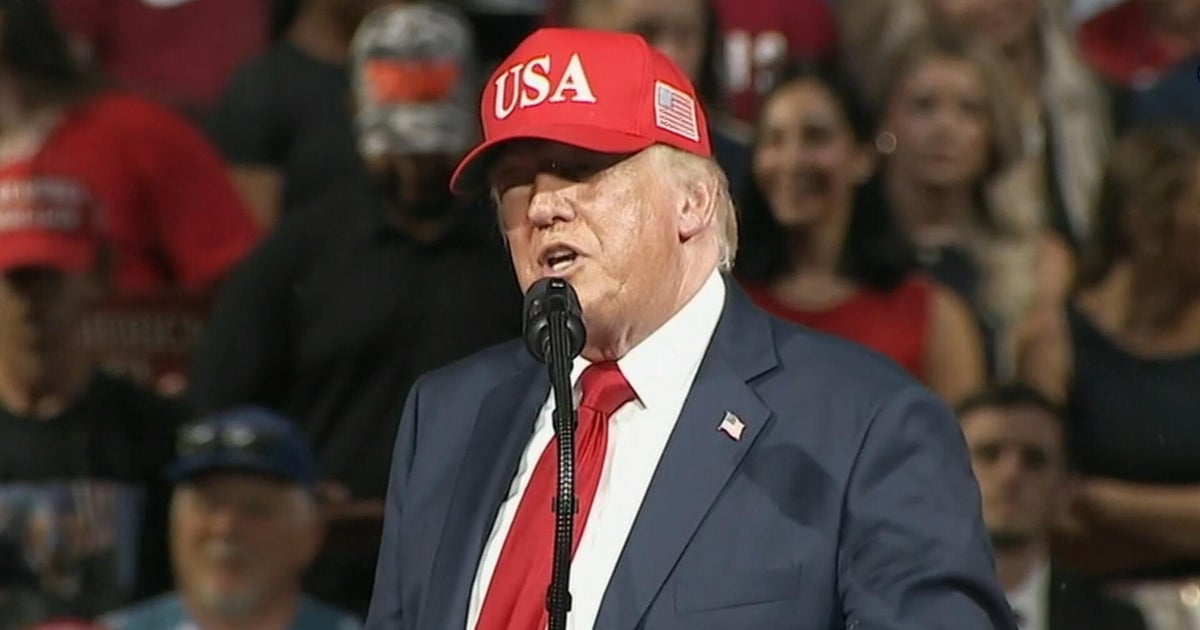
“Interest Rates in the United States should be 1%, or less, because we are the Best Credit in the World - BY FAR,” he thundered on Truth Social. asserted
he → thunder → Social
It immediately highlighted one of Trump’s ongoing problem. asserted
It → highlight → problem
The Federal Reserve is setting interest rates to deal with inflation in the US. asserted
Reserve → set → US
It has nothing to do with the creditworthiness of the US, and everything to do with American inflation. asserted
It → have → inflation
Interest rates on US government debt have been surging because of America’s huge deficit (now $US40 trillion and growing), its huge deficit (at least $US2 trillion this year), high inflation, uncertainty over the war against Iran and the call on investors by companies behind the AI infrastructure revolution. asserted
rates → surge → revolution
After the Fed’s announcement, the interest rate on US government debt lifted to around its highest level since 2007. asserted
rate → lift → 2007
But Trump continues to fight a political case. asserted
Trump → continue → case
Among those who backed the increase were former governor and presidential bete noire, Jay Powell, and Lisa Cook, the woman who Trump is trying – and so far failing – to kick off the Fed. asserted
Trump → back → Fed
Then there was new Fed chair Kevin Warsh, who had to prove to financial markets (and investors in the US) that he was serious about tackling inflation. asserted
he → be → inflation
The Fed’s decision does not mean interest rates have to go up here in Australia. asserted
rates → mean → Australia
But Warsh’s point about inflation won’t be missed by his Australian counterpart, Michele Bullock, who markets believe is likely to deliver her own interest rate rise in less than a fortnight’s time. asserted
markets → miss → time
Inflation remains too high and, as the RBA often notes, the only way it can bring it to heel is via higher interest rates. asserted
it → remain → rates
The causes for that inflation can be debated. asserted
causes → debate → inflation
Oil at $US106 a barrel, for instance, can’t be dismissed by those who want to blame the government for all of the economy’s ills. asserted
who → dismiss → ills
From building a new home to buying milk at the local Woolies, there’s no denying the importance of this inflationary pulse that’s outside the control of Australia. asserted
that → build → Australia
But government defenders can’t dismiss the fact that public spending, both federal and state, is running too hot. asserted
spending → dismiss → fact
Federal spending as a share of the economy is not far below the peak it reached during COVID when money was being created out of thin air. asserted
money → reach → air
S&P Global just last week downgraded its rating for Queensland, effectively noting that it is taking on a lot of debt to deliver the 2032 Olympics. asserted
it → downgrade → Olympics
Throw in the AI building boom that Westpac analysts this week estimated could be worth $110 billion by 2029 while unleashing up to $50 billion in related renewable energy and the private sector is also adding to inflation pressures. uncertain
sector → throw → pressures
On Thursday, the International Monetary Fund released its annual snapshot of the Australian economy. asserted
Fund → release → economy
The fund’s mission chief, Paulo Medas, said if the Reserve Bank thought there was a case for an interest rate hike, it shouldn’t dilly-dally. “In our view, they shouldn’t wait too long,” he said. asserted
he → say → view
Fortunately for Bullock, no matter what the Reserve Bank does, she won’t cop a social media barrage from Anthony Albanese or Jim Chalmers. asserted
she → do → Albanese
Australia, along with just about every other democracy with a functioning independent central bank, hasn’t progressed down the populist path of the US. asserted
Australia → function → US
Independent analysts and most members of the Fed expect interest rates to go up at least once more by Christmas, adding to the political turmoil that the US is enduring in the run-up to the November midterm elections. asserted
US → expect → elections
That suggests even more venting from the US president. uncertain
That → suggest → president
Trump finished his Truth Social diatribe this morning by writing: “LOWER THE INTEREST RATES FOR THE UNITED STATES OF AMERICA, AND FAST!” asserted
Trump → finish → AMERICA
But unless he plans to overhaul how monetary policy is set in the US, in a move that would devastate the economy, it was just proof that the 12 members of the Federal Reserve have more power than the American president. asserted
members → plan → president
Subscribers can sign up to our weekly Inside Politics newsletter. asserted
Subscribers → sign → newsletter
Give feedback · no sign-in needed

No sign-in needed for now. Your note is sent without a name, so it cannot be answered.

History Support