The News
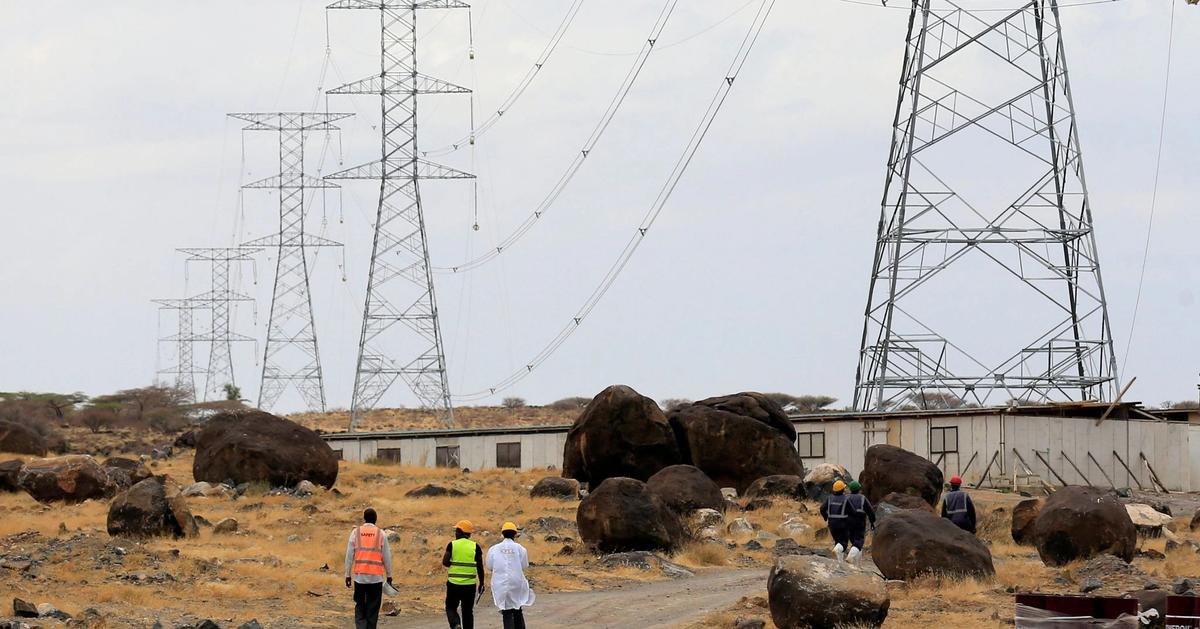
Africa has plenty of investors ready to finance much-needed electricity projects, but too few developers with the expertise and early funding to get them off the ground, the head of a UK government-backed power developer told Semafor.
asserted
head → have → Semafor
More than 40% of sub-Saharan Africans lack electricity, with private investment central to a World Bank and African Development Bank push to connect 300 million across the whole continent by 2030.
asserted
investment → lack → 2030
“People spend a lot of time talking about a lack of capital for infrastructure projects in Africa.
asserted
People → spend → Africa
There is not a lack of capital,” said Chris Flavin, chief executive of Gridworks, which develops and invests in electricity networks across Africa.
asserted
which → be → Africa
The issue for him is that investors generally want to get involved once projects are ready for construction, leaving the four or five years of preparatory work harder to finance.
asserted
projects → want → work
Gridworks, which has electricity projects in countries including Uganda and Mozambique, is set to become the majority shareholder in a planned $300 million power line linking Zambia’s grid to DR Congo’s copper-mining region, under an agreement signed in October.
asserted
which → have → October
Lenders have shown “very strong interest” in the line, Flavin said.
asserted
Flavin → show → line
When it develops its own projects, though, Gridworks faces the same hurdles as others despite its UK backing, he added, from permits and environmental approvals to years of planning “before you even get close to the financing.”
asserted
you → develop → financing
In DR Congo, for example, commercial banks will not lend at that stage, said Archip Lobo, co-founder of Nuru, a solar mini-grid operator in the country’s east.
asserted
Lobo → lend → east
“They will take the risk on something that exists,” he told Semafor.
asserted
he → take → Semafor
Instead, Lobo highlighted the existence of state support for early development costs and World Bank Group insurance against political risks.
asserted
Lobo → highlight → risks
They found in a recent review that private financing remained too limited to meet Africa’s electrification needs.
asserted
financing → find → needs
The narrow pool of investors, such as development lenders’ private arms, government-sponsored funds, foundations, and impact funds “are unlikely to meet the scale of financing needed for electrification growth,” the group said.
asserted
group → sponsor → growth
Private power projects in Africa are easier to develop when they serve large industrial buyers, such as mines, rather than households and small businesses, Flavin said.
asserted
Flavin → develop → households
A mine with a strong balance sheet and known electricity consumption gives developers a clear customer to design around.
asserted
mine → know → customer
For projects aimed at individual customers “the challenge is one of guaranteed demand.”
asserted
challenge → aim → demand
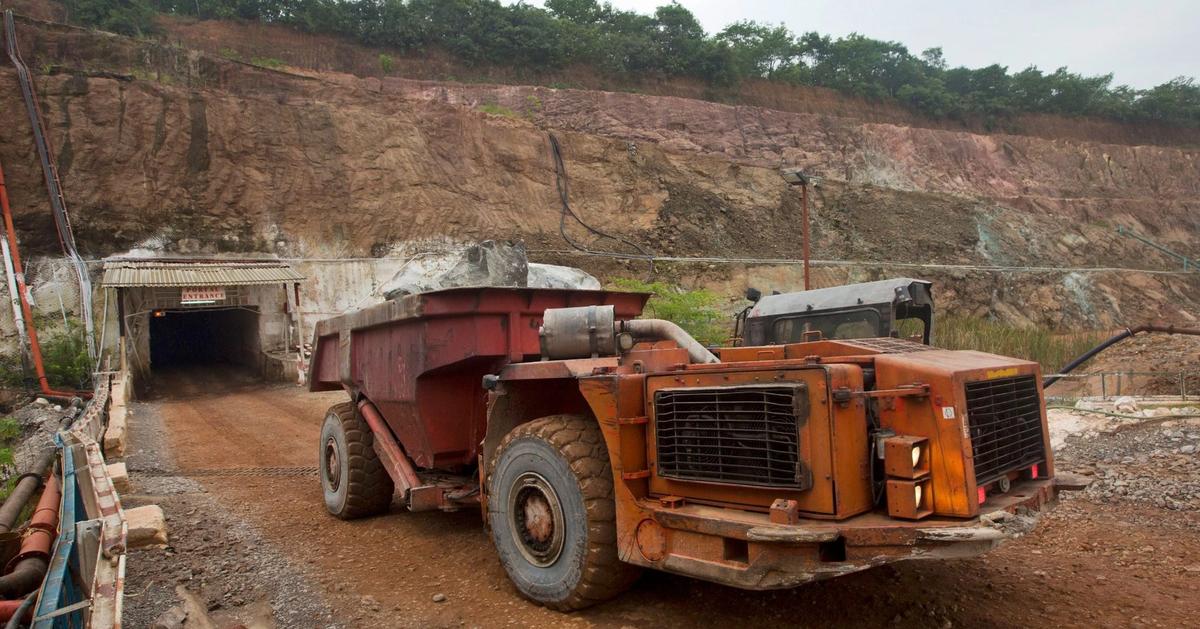
In southeastern DR Congo, CrossBoundary Energy, a Mauritius-based power producer, commissioned a 233-megawatt solar farm with battery storage in August to supply Kamoa-Kakula, a copper complex co-owned by Ivanhoe Mines.
asserted
Energy → base → Mines
“Kamoa’s books are very good,” Auguy Bakome, a project manager at the mine, told Semafor in an earlier interview.
asserted
Bakome → tell → interview
He said its expected 40-year operating life and a 15-year contract to buy the electricity helped reassure lenders.
asserted
life → say → lenders
Utilities must estimate consumption across tens of thousands of customers.
asserted
Utilities → estimate → customers
Building networks to serve them is “at the much harder end of the spectrum, full stop,” Flavin said.
asserted
Flavin → build → spectrum
Moyi Power, a Gridworks-backed utility planned for three cities in northern DR Congo, relies on donor grants for about a quarter of its $190 million first phase and is not expected to deliver electricity before 2029.
asserted
Power → back → 2029
 The Aporia