That is 0 articles you have read today.
The Aporia is free and carries no advertising, so readers are the only
thing paying for it. If you are getting this much out of it, a small
donation is what keeps it independent.
You have read 0 articles today.
That is more than the 15 a day The Aporia gives away,
and well past what it can carry on nothing. Your allowance resets at
midnight.
There is no advertising here and nothing about you is sold, so readers
are the only thing paying for it. If the site is worth this much of
your day, it is worth a few dollars.
Everything else stays open: the front page, the
directory and search do
not count against this, and neither does re-opening something you have
already read today.
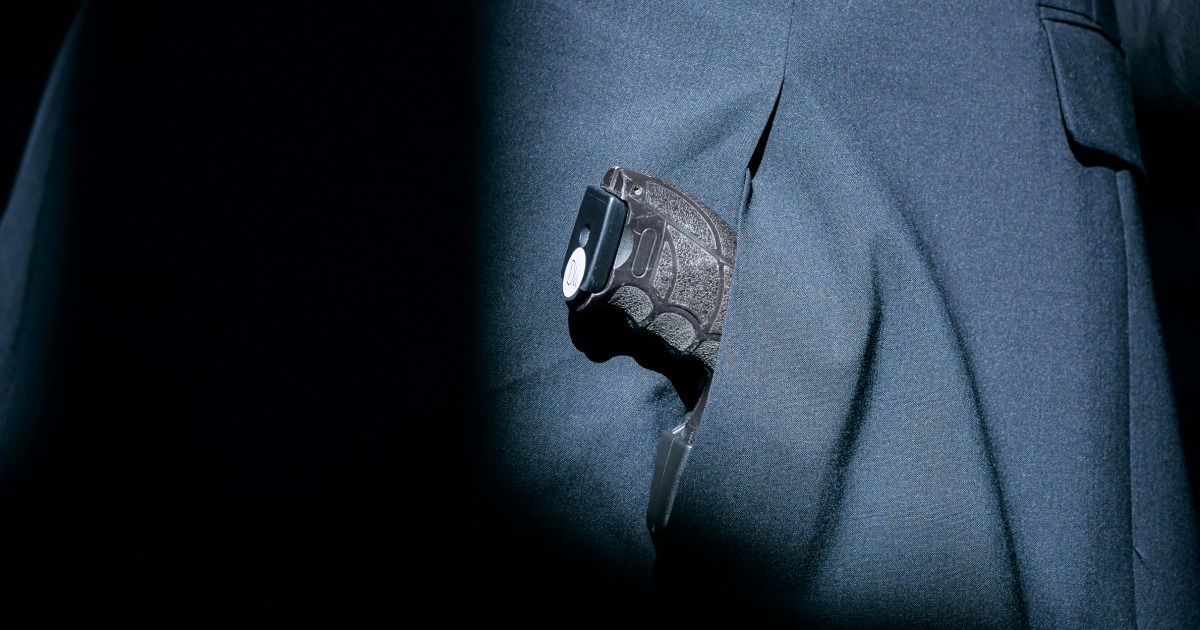
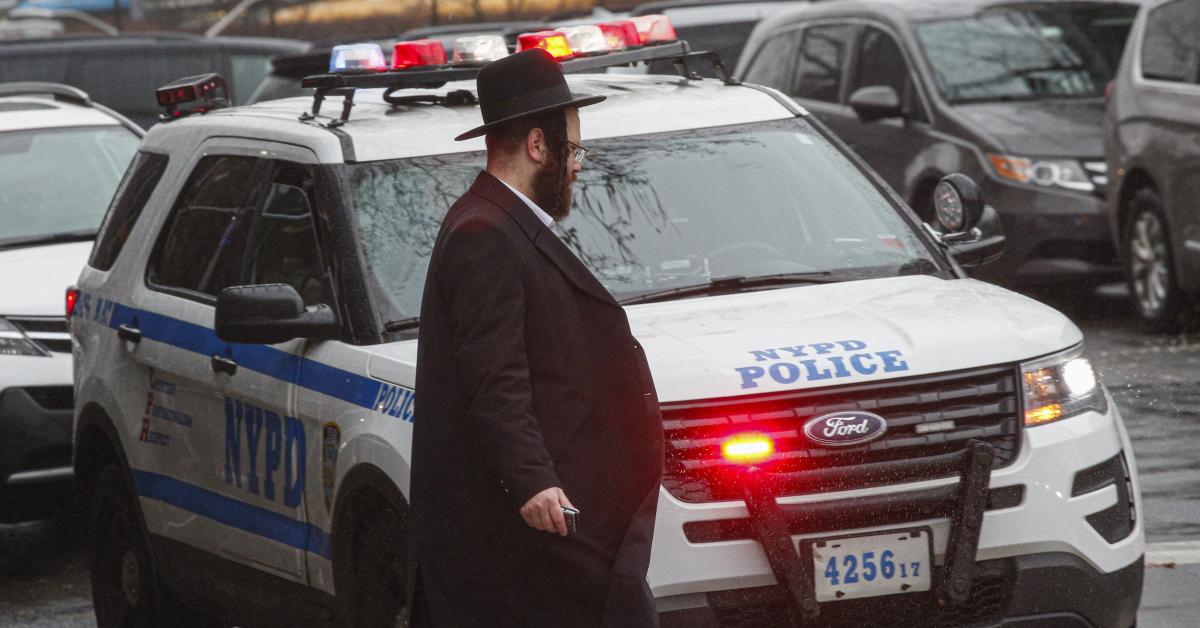
Photo via Toronto Star
Supreme Court declines to hear challenge to Maryland 'sensitive places' gun law
Whitehurst, L. (2026, November 16). Supreme Court declines to hear challenge to Maryland 'sensitive places' gun law. Toronto Star. https://www.thestar.com/news/world/united-states/supreme-court-declines-to-hear-challenge-to-maryland-sensitive-places-gun-law/article_606a15c2-10c6-533b-826a-b77aa76ba57a.html
Whitehurst, Lindsay. “Supreme Court declines to hear challenge to Maryland 'sensitive places' gun law.” Toronto Star, 16 Nov. 2026, https://www.thestar.com/news/world/united-states/supreme-court-declines-to-hear-challenge-to-maryland-sensitive-places-gun-law/article_606a15c2-10c6-533b-826a-b77aa76ba57a.html.
Whitehurst, Lindsay. “Supreme Court declines to hear challenge to Maryland 'sensitive places' gun law.” Toronto Star, November 16, 2026. https://www.thestar.com/news/world/united-states/supreme-court-declines-to-hear-challenge-to-maryland-sensitive-places-gun-law/article_606a15c2-10c6-533b-826a-b77aa76ba57a.html.
Dated from the outlet's own feed. Check the original for its byline.
Toronto Star
· collected 2026-11-16 · by Lindsay Whitehurst
Quick Summary
The Supreme Court has decided not to hear a case challenging Maryland's law that restricts carrying concealed weapons in certain sensitive places such as schools, mass transit systems, and bars. This decision allows the existing law to remain in effect without any changes.
Written by AI on 2026-11-17,
from this article's own text only (the story summary below draws on all the coverage).
The Supreme Court declined on Monday to hear a challenge to Maryland's law restricting the carrying of firearms in sensitive places, such as schools, mass transit, bars, and other public areas. The decision leaves intact the lower court ruling that upheld Maryland's restrictions. Justice Clarence Thomas, while agreeing with the majority's decision not to hear the case, expressed skepticism about the constitutionality of such sensitive-place restrictions and suggested the court should review the issue in a narrower case to define the scope of states' authority to ban firearms in public locations. Maryland's law prohibits carrying concealed weapons into locations deemed sensitive, including state parks, museums, and places that sell alcohol, impacting tens of thousands of acres of state park and forest land.
Written for “Supreme Court Declines Gun Ban Challenge” on 2026-11-21,
grounded in this article and the 7 other(s) covering the same event.
How they differ
7 outlets covered “Supreme Court Declines Gun Ban Challenge”.
What each outlet says
One AI summary per outlet of its latest article on this story, written from that article alone and checked against it. Open the article for the outlet's own words.
Toronto StarThis outlet16 Nov
The Supreme Court has decided not to hear a case challenging Maryland's law that restricts carrying concealed weapons in certain sensitive places such as schools, mass transit systems, and bars. This decision allows the existing law to remain in effect without any changes.
Supreme Court declines to hear challenge to Maryland 'sensitive places' gun law (this article)Just the News17 Nov
The U.S. Supreme Court declined to review a case challenging Maryland's laws that restrict carrying firearms in certain "sensitive places," such as schools, parks, and government buildings. Justice Clarence Thomas noted his skepticism about the constitutionality of these restrictions but agreed with the decision not to take up the case, suggesting instead that the court should address the issue in a narrower case in…
The Supreme Court has rejected a challenge to Maryland’s laws that prohibit firearms in specific public areas such as schools, parks, and government buildings. This decision upholds previous rulings by lower courts. The case was brought by Maryland residents and gun rights groups who argued that the restrictions violate the Second Amendment. Maryland’s laws, passed in 2023, extend gun-free zones to include daycare…
The Supreme Court declined to hear a challenge to Maryland’s restrictions on carrying firearms in designated “sensitive places,” including state parks, public transport, and healthcare facilities. Justice Clarence Thomas agreed with the court’s decision but expressed skepticism about the legality of the Maryland provisions and indicated interest in a more narrowly focused future case. The decision leaves intact a…
Justice Clarence Thomas has called for the Supreme Court to review laws that restrict firearms in certain public areas, known as "sensitive places," after the court declined to hear a case involving Maryland’s restrictions. These laws, which ban guns in places like state parks, schools, and public transit, are the subject of legal challenges from gun rights advocates who argue that such prohibitions violate the…
Justice Clarence Thomas issued a statement regarding the denial of certiorari in Novotny v. Moore, where petitioners challenged Maryland’s laws that prohibit carrying firearms in various public places. Maryland’s restrictions apply to areas such as mass transit, healthcare facilities, and state parks. Thomas expressed skepticism about these laws being consistent with historical traditions of firearm regulation, but…
Supreme Court Justice Clarence Thomas expressed skepticism about Maryland’s law that restricts carrying guns in certain “sensitive places,” such as mass transit and medical facilities. The Supreme Court declined to hear a case challenging this law on November 16, 2026, but Thomas noted that each provision in the law would require a separate historical analysis to determine its constitutionality. The denial came…
Leans strongly right
Hedges 0 of 42 claimsOutlet record 67/100
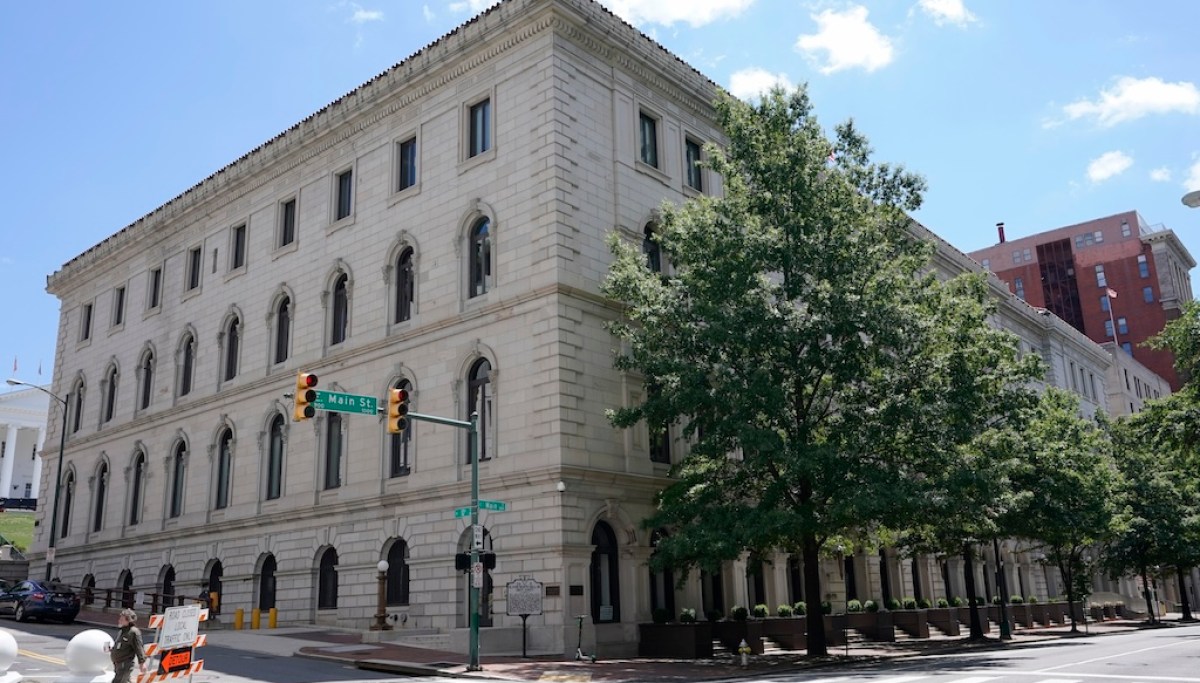
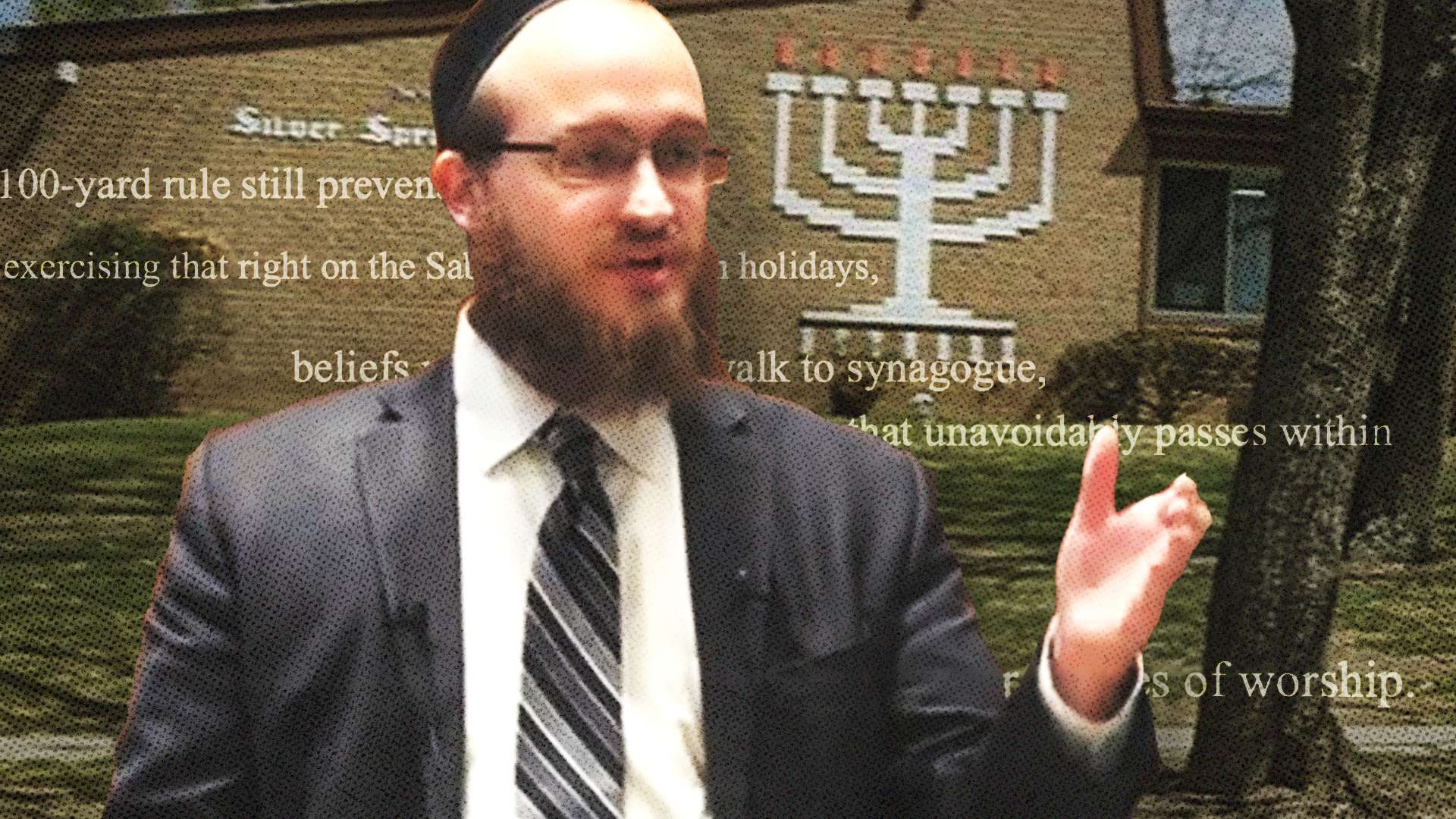
“Article A discusses a lawsuit and preliminary injunction related to a specific synagogue's challenge to a gun law, while Article B reports on the Supreme Court's decision regarding a broader challenge to the same law.”
Leans strongly right
Hedges 2 of 29 claimsOutlet record 67/100
“Article A reports the Supreme Court's decision not to hear the challenge, while Article B provides Justice Thomas's statement regarding the same case but does not describe the same specific incident of the decision.”
“The articles describe different court actions regarding gun laws in Maryland, with Article A focusing on a federal appeals court case and Article B on the Supreme Court's decision not to hear a challenge.”
“The articles describe different judicial actions related to the same law but distinct events: one is an appeal to the 4th Circuit Court of Appeals, the other is the Supreme Court declining to hear the case.”
President Donald Trump led a transformation of the Supreme Court that ushered in a conservative supermajority but soon he will confront an emboldened Democratic-led Senate that is preparing to play hardball on his judicial nominations.
WASHINGTON (AP) — The Supreme Court will hear arguments Tuesday in a case brought by Catholic preschools that say it’s unconstitutional to exclude them from a state-funded program over their admissions policy for LGBTQ+ families, the latest religious-rights case before the conservative-majority court.
But in the Big Bend region, the administration has run into opposition from ranchers, residents, business owners and environmentalists who argue the projects are a waste of money in an area of historically low illegal immigration and that construction could harm the region’s scenic landscapes.
The justices will hear an appeal from energy companies trying to block dozens of lawsuits seeking to hold them liable in court for damage related to climate change.
Since then, an appeals court has upheld a Boston-based judge’s final ruling that migrants must have a meaningful chance to argue a third-country deportation would put them in danger of persecution or torture.
Lawyers for the couple had urged the court to reject the request, questioning what an intervention would do for medical decision-making at an already chaotic time.
None of the three justices wrote about their rationale for joining the majority opinion, though Justice Brett Kavanaugh indicated he might see things differently if the election wasn’t coming up so quickly.
The Supreme Court majority indicated that the effort to enact these restrictions this year would probably prove unsuccessful legally, though its brief emergency order provided no extensive rationale.

 The Aporia