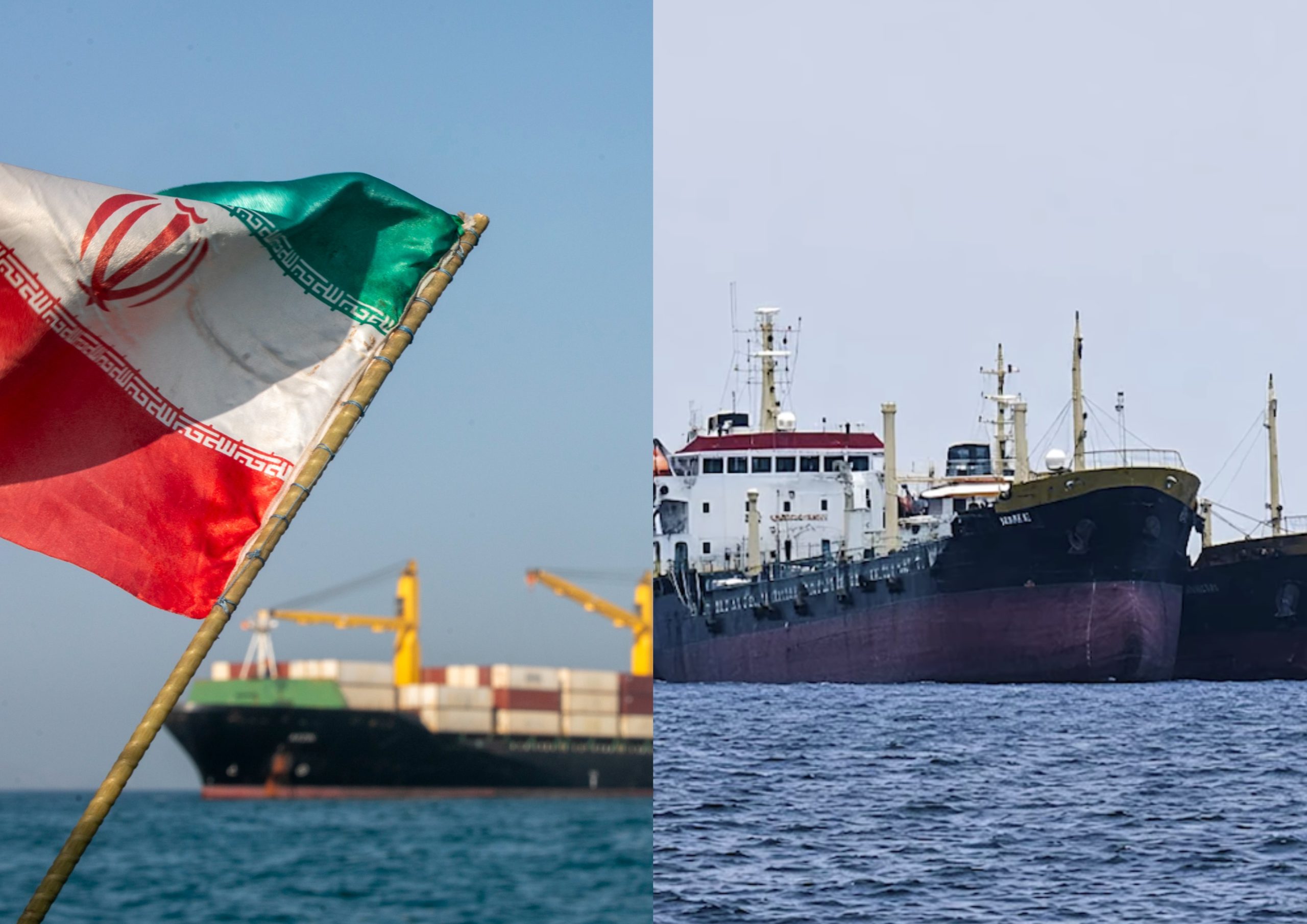
Malaysia is playing an "ongoing and decisive role" in helping Iran's ghost fleet get its oil past the U.S. naval blockade and generate cash for Tehran's ailing regime, according to shipping information and satellite monitoring gathered by a watchdog group.
uncertain
fleet → play → group
United Against Nuclear Iran—an organization that closely monitors Tehran's secret supply channels and exposes its tactics to evade sanctions—recently sent a formal complaint to the Malaysian government, saying UANI had gathered firm evidence of the country's direct participation in Iran's oil smuggling operation, which has become critical to the regime's survival since the United States implemented a naval blockade.
asserted
States → monitor → blockade
The evidence pegs Malaysia as a central player in Iran's oil smuggling scheme and places it in the Trump administration's crosshairs for potential sanctions.
asserted
evidence → peg → sanctions
A State Department spokesman confirmed to the Washington Free Beacon that it is independently tracking "illicit maritime activity occurring in the waters around Malaysia."
asserted
it → confirm → Malaysia
A second U.S. official who works on sanctions issues separately told the Free Beacon that Malaysia's behavior could complicate its efforts to secure a maritime arms pact with America.
uncertain
behavior → work → America
"The Malaysians are applying for licenses to get American weapons, which we authorize because they're supposed to use them for counterterror and maritime enforcement," the official said.
asserted
official → apply → counterterror
"Meanwhile, they work with Iran to evade sanctions and fund Iran's terror program.
asserted
they → work → program
President Trump has instructed the U.S. government to use all levers to enforce the blockade, and Malaysia will have to choose."
asserted
Malaysia → instruct → blockade
UANI's investigation could further strain the Trump administration's diplomatic relations with Malaysia.
uncertain
investigation → strain → Malaysia
The watchdog "documented a floating network of over 200 tankers and cargo ships operating approximately 70 kilometers offshore from the Malaysian coastline," according to a letter sent in early October to the country's foreign ministry and obtained by the Free Beacon.
uncertain
watchdog → document → Beacon
"These vessels—many engaged in deceptive practices including AIS spoofing, flag-hopping, name-concealment, and dark ship-to-ship ('STS') transfers—serve as a critical financial lifeline for the Iranian regime and its state sponsorship of terrorism," UANI discovered in part through a surveillance operation at sea earlier this year.
asserted
UANI → engage → sea
AIS spoofing is when a ship sends false location or identity data to obfuscate its position and behavior.
asserted
ship → send → position
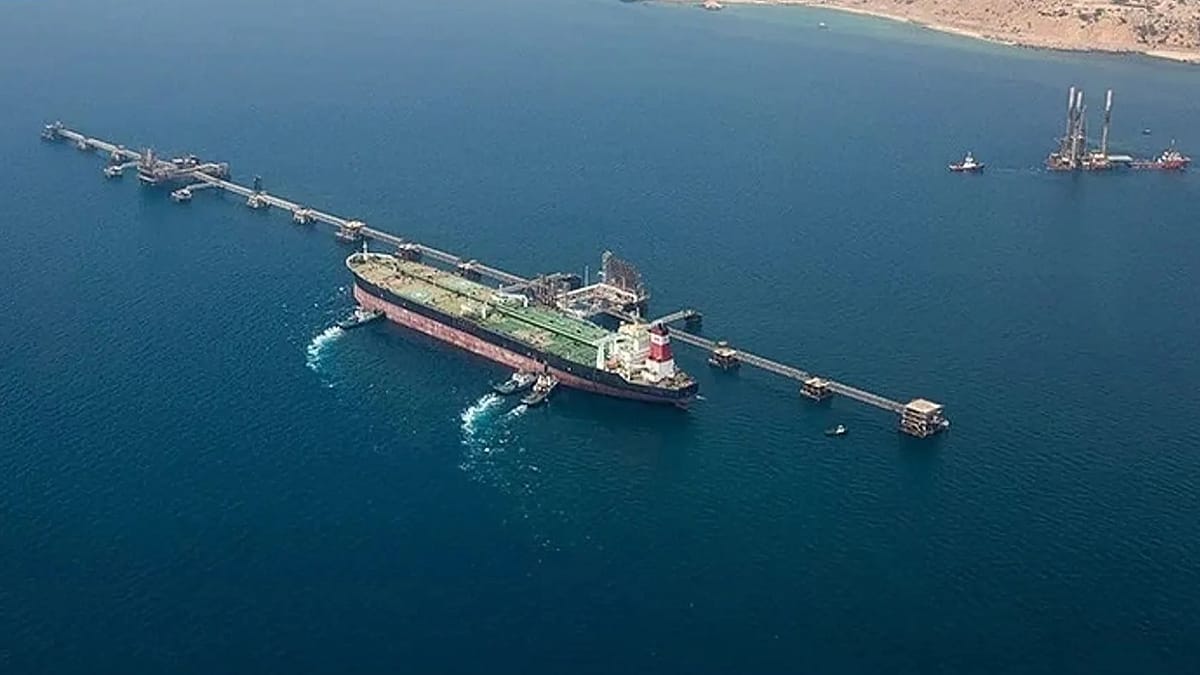
UANI sent a similar letter to executives at the government-controlled Pengerang Integrated Petroleum Complex—Malaysia's massive oil and gas hub that sits near major shipping lanes—outlining the evidence and warning about U.S. sanctions.
asserted
that → send → sanctions
Neither party has responded to UANI, nor did they respond to Free Beacon inquiries.
asserted
they → respond → inquiries
The correspondence, published here for the first time, pulls back the curtain on a complex oil smuggling network that is helping Iran evade sanctions and keep its hardline regime afloat.
asserted
Iran → publish → regime
China and Russia are also widely believed to be aiding Iran, but Malaysia—a smaller economy that exports billions in products to the United States each year—would likely be more vulnerable to an American crackdown.
asserted
that → believe → crackdown
Iran's oil smuggling ring is able to operate "primarily due to direct logistical, operational, and refueling support provided by foreign and Malaysian-flagged and Malaysian-operated supply vessels," UANI said.
asserted
UANI → operate → vessels
The Malaysian government, UANI claims, is turning a blind eye to these violations of maritime law, while notably seizing other shipments destined for Israel, revealing what UANI says is a "troubling, politicized double standard."
uncertain
UANI → claim → Israel
Since Oct. 7, Malaysia, a majority Muslim country, has imposed a series of sanctions and restrictions on Israel, even banning Google's Waze app last month because it was founded in Israel.
asserted
it → impose → Israel
Beginning in early August, Malaysian authorities seized four containers bound for the Israeli port in Ashdod, including those reportedly containing commercial electric bicycle parts.
uncertain
authorities → begin → parts
"Malaysian leadership explicitly praised these seizures as a demonstration of non-cooperation with Israel," UANI says, all the while enabling Iran's ghost fleet to freely operate within Malaysia's Exclusive Economic Zone and its highly trafficked Eastern Outer Port Limits anchorage, located roughly 45 miles from Johor in the South China Sea.
asserted
UANI → praise → Sea
UANI's Oct. 2 letter to the Malaysian foreign ministry—which was copied to U.S. officials in the State and Treasury Departments as well as to members of Congress—details evidence compiled this past summer, when the watchdog group's tanker tracking team "observed firsthand" on the waters inside the Exclusive Economic Zone how Malaysian-flagged vessels and supply ships clandestinely aided Iran's shadow fleet.
asserted
vessels → copy → fleet
"We observed firsthand that this illicit fleet remains operational in the EOPL primarily due to direct logistical, operational, and refueling support provided by foreign and Malaysian-flagged and Malaysian-operated supply vessels," UANI wrote.
asserted
UANI → observe → vessels
"Dozens of Malaysian bunkering vessels and support craft were in close proximity to these ghost-fleet tankers operating in the EOPL, with many of the small bunker tankers coming and going from the Pengerang Integrated Petroleum Complex.
asserted
many → operate → Complex
Malaysia has close diplomatic and trade relationships with Iran, and officially ignores U.S. sanctions, although much of its private sector complies with U.S. demands regarding Iran.
asserted
much → have → Iran
There is, however, almost no visible enforcement by Malaysian authorities when it comes to tankers carrying Iran's heavily sanctioned crude, creating what UANI says are "severe navigational, safety, and environmental hazards to coastal communities and legitimate international shipping."
asserted
UANI → be → communities
Since 2019, UANI has documented "hundreds of illicit ship-to-ship (STS) transfers" in the Eastern Outer Port Limits, where Tehran's "dark fleet tankers" offload Iranian crude onto other ships, disguising it as a "Malaysian blend" before exporting it to foreign markets for consumption.
asserted
tankers → document → consumption
The practice, long used by Tehran to evade heavy American sanctions, has only grown more problematic since the U.S. war against Iran prompted a naval blockade meant to cripple the mullahs' primary financial networks.
asserted
war → use → networks
"Beyond violating international sanctions compliance expectations, allowing a large fleet of aged, uninspected, and deceptively operated vessels to congregate in sensitive waters poses severe navigational, safety, and environmental hazards to coastal communities and legitimate international shipping in the South China Sea and approaches to the Singapore Strait," the watchdog group told Malaysia's foreign ministry.
asserted
group → violate → ministry
UANI says that it is advocating "for targeted secondary sanctions against facilitating companies, port complexes, and government authorities."
asserted
it → say → companies
The State Department spokesman noted that the Malaysian government has recently adopted a new law for the Exclusive Economic Zone that is expected to "strengthen marine environmental protection, regulate high-risk shipping, and curb illicit operations."
asserted
that → note → operations
Additionally, the Trump administration's Operation Economic Outcast is continuing to "sever the economic lifelines sustaining the world’s leading state sponsor of terror," the spokesman said.
asserted
spokesman → continue → terror
"Under Operation Economic Outcast, we have targeted the networks, facilitators, and financial channels that Iran uses to smuggle oil, evade sanctions, and fund terror," the State Department said.
asserted
Department → target → terror
"We will continue to target any source of the regime's illicit revenue, as well as its sanctions evasion schemes."
asserted
We → continue → revenue
A Treasury Department spokesman told the Free Beacon that "while we do not comment on allegations of sanctions violations, we take potential violations extremely seriously."
asserted
we → tell → violations
 The Aporia