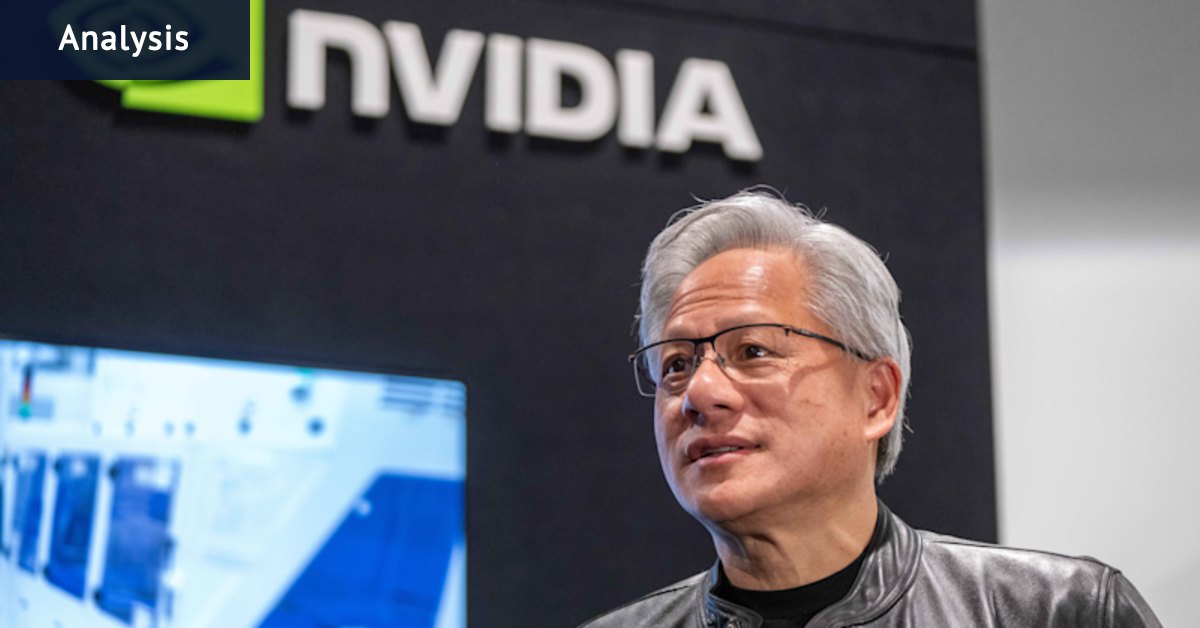
A group of 15 national security experts and AI policy leaders is urging the Justice Department to investigate what Nvidia knew about the alleged smuggling of its advanced AI chips to China, and whether the company continued doing business with customers after evidence emerged that they were illegally diverting the technology.
asserted
they → urge → technology
The letter, sent Tuesday and addressed to Attorney General Todd Blanche, asks the department to examine whether Nvidia kept selling chips to customers or middlemen after receiving evidence that they were illegally routing them to China, or whether the company “deliberately blinded itself to export control violations.”
“The United States has the world’s most advanced SI chip technology, much of it built by Nvidia,” the letter states, using the Trump administration’s “super intelligence” label for AI.
asserted
letter → send → AI
“Smuggling operations threaten to undermine that lead, giving China access to hardware necessary for developing advanced SI and deploying it to boost its military capabilities and international influence.”
asserted
operations → smuggle → capabilities
The 15 signatories include a range of national security experts and AI policy specialists, such as David Buckley, the Central Intelligence Agency’s former inspector general; Randy Manner, a retired Army general; Chris McGuire, a former Biden official who specialized in chips; and Brad Carson, the president of Americans for Responsible Innovation, the AI advocacy group that organized the letter.
asserted
that → include → letter
“China and our competitors around the world have their sights set on our advanced AI chips so they can build up their AI capabilities,” Carson told NBC News.
asserted
Carson → have → News
Nvidia did not respond to a request for comment.
asserted
Nvidia → respond → comment
On Tuesday, the company’s board of directors announced that it would establish a committee dedicated to investigating national security and export control compliance.
asserted
it → announce → security
The letter comes amid growing scrutiny of the American chipmaker and calls from Congress to investigate the extent of Nvidia’s awareness of the chips’ destination and whether the company did anything about potential smuggling.
asserted
company → come → smuggling
On Tuesday, the Justice and Commerce departments shared details about their investigation of Megaspeed, the Singaporean company tied to suspected Chinese intelligence asset Alice Huang.
asserted
departments → share → Huang
Nvidia’s former CEO Jensen Huang is alleged to have had an affair with Megaspeed’s Huang.
asserted
CEO → allege → Huang
Megaspeed reportedly acquired billions of dollars’ worth of Nvidia chips and is also being investigated over concerns that it — and its subsidiaries — smuggled chips to China.
uncertain
it → acquire → China
In a joint statement Tuesday, the agencies said Commerce opened an investigation into Megaspeed in 2024, requested sales records from Nvidia in May 2025 and that Nvidia placed the company on its no-sell list the following month.
uncertain
Nvidia → say → list
Commerce investigators also conducted an in-person inspection of Megaspeed’s facilities with Singaporean law enforcement in June 2025.
asserted
investigators → conduct → June
The Justice Department said it took the lead in the criminal investigation after that enforcement action.
asserted
it → say → action
The agencies said they would continue working together to pursue any criminal conduct that may have occurred.
uncertain
that → say → conduct
Huang has agreed to sit for an interview with several national security-focused House committees on Dec. 1, according to House Republicans.
uncertain
Huang → agree → Republicans
The appearance will focus on the former CEO’s role in “a potential breach of our national security,” according to the lawmakers.
uncertain
appearance → focus → lawmakers
Tuesday’s letter to Blanche points to several smuggling cases the Justice Department has brought in the past year involving Nvidia.
asserted
Department → point → Nvidia
In March 2026, prosecutors charged three people in an alleged scheme in which a Southeast Asian intermediary bought roughly $2.5 billion worth of servers containing advanced AI chips.
asserted
intermediary → charge → chips
Prosecutors allege at least $510 million worth were illegally sent to China.
asserted
worth → allege → China
“Repeated attempts to route Nvidia chips to China point to a pattern that warrants a closer examination of company practices and how Nvidia responded to repeated alarming discoveries over the past several years regarding the scale of smuggling operations,” the letter states.
asserted
letter → repeat → operations
Smuggled chips are estimated to equal at least 25% of the chips Chinese AI companies obtained through legal routes — though the actual figure may be far larger.
uncertain
figure → smuggle → routes
Many Chinese companies, including tech titans Alibaba and Tencent, have reportedly also leased chips from data centers based in Singapore, Malaysia and other southeast Asian countries.
uncertain
companies → include → Singapore
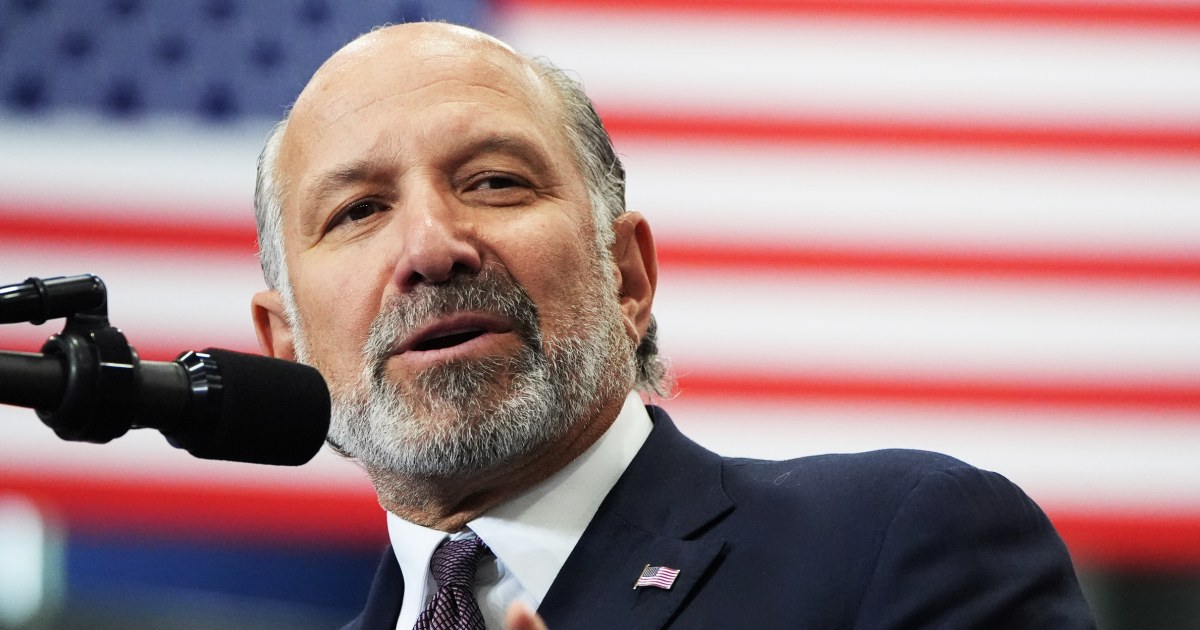
This week, Commerce Secretary Howard Lutnick and the department’s Bureau of Industry and Security announced that it would close that loophole.
asserted
it → announce → loophole
The department said it would enact a new set of regulations limiting foreign data centers’ ability to rent their chips to Chinese companies and enacting new requirements for chip customers in five southeast Asian countries — including Singapore and Malaysia — in order to receive chips from American companies like Nvidia or AMD.
asserted
it → say → Nvidia
China criticized the rule.
asserted
China → criticize → rule
“Such actions run counter to the consensus reached between the two sides, infringe upon the legitimate rights and interests of Chinese enterprises, and disrupt the stability of global industrial and supply chains,” foreign ministry spokesperson Guo Jiakun said at a regular briefing in Beijing.
asserted
Jiakun → run → Beijing
Nvidia’s most advanced AI chips are widely considered the most powerful available.
asserted
chips → consider → ?
Under current export rules, Nvidia cannot sell its top-tier chips to China, though it can sell older generation chips, from the H200 family, to China with a 25% fee taken by the White House.
asserted
it → sell → House
The Justice Department established a new body dedicated to cracking down on AI-related crime in early November.
asserted
Department → establish → November
This force, called the Super Intelligence Task Force, aims to “ensure that America’s leadership in SI is not compromised by the misuse of SI by foreign state and state-sponsored actors, transnational criminal organizations, and individual or corporate actors engaged in fraud or other unlawful conduct,” according to the Department.
uncertain
leadership → call → Department
Some lawmakers have clamored for stricter rules on advanced AI chip exports to China.
asserted
lawmakers → clamor → China
Members of the House’s Select Committee on China have sought to restrict China’s ability to purchase chipmaking equipment and to implement stronger chip-tracking technology — to ensure that chips sent to data centers outside mainland China remain outside of the country.
asserted
chips → seek → country
Tuesday’s letter closes by urging the department “to follow the evidence wherever it leads and pursue appropriate enforcement action where violations are established.”
asserted
violations → close → action
 The Aporia