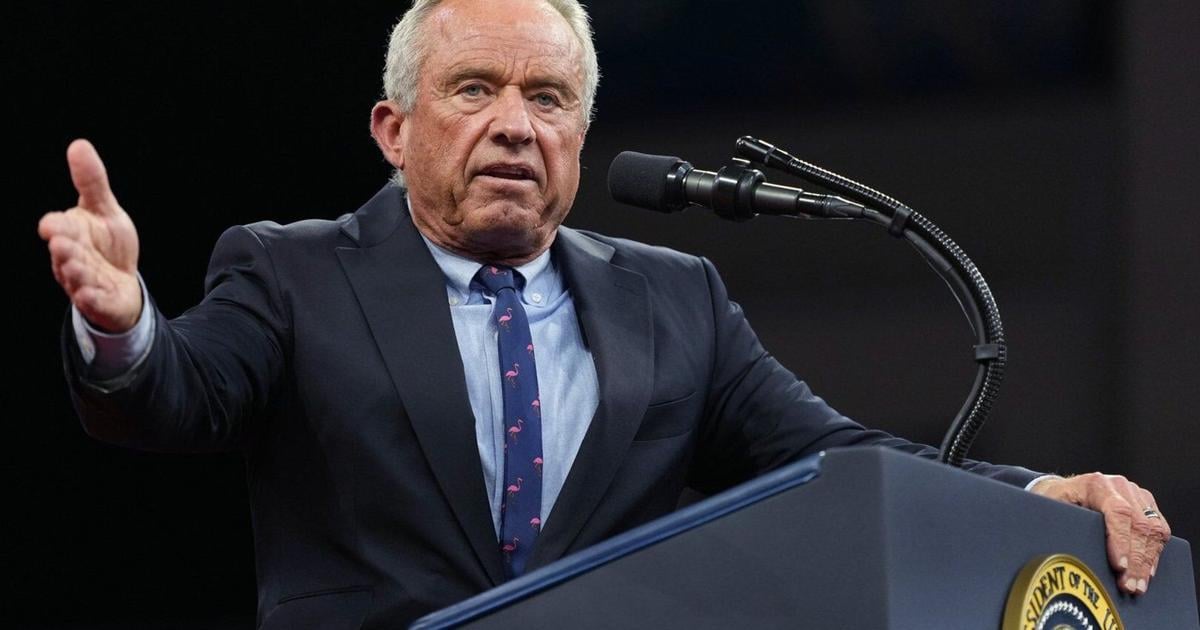
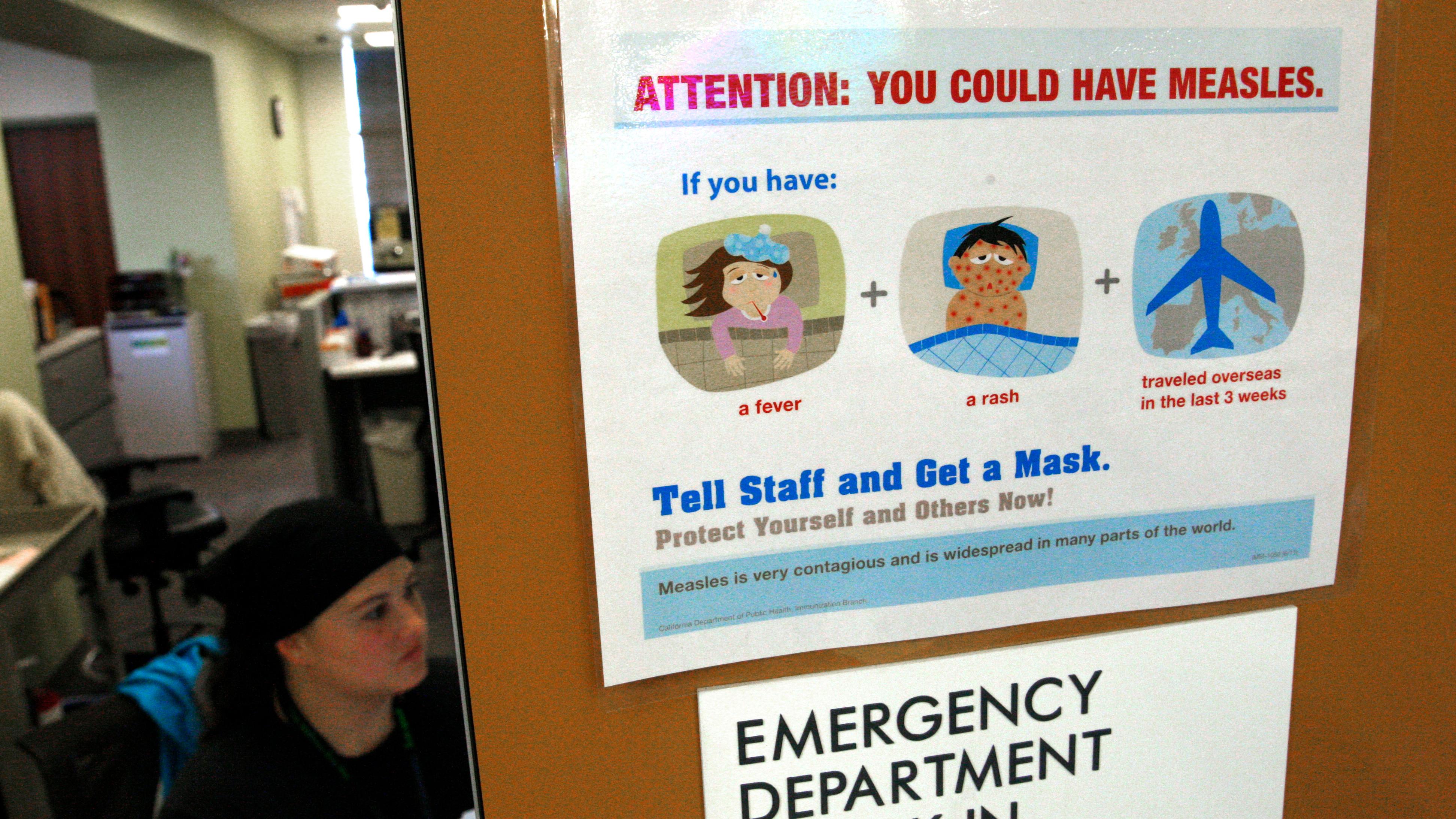
Photo via Al Jazeera

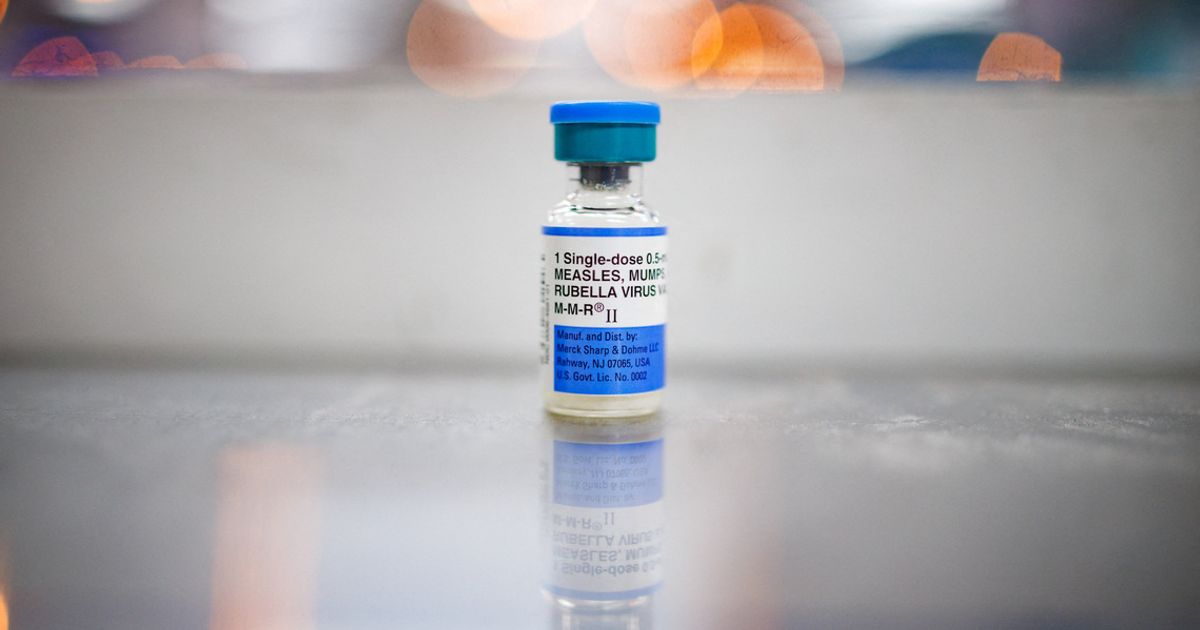
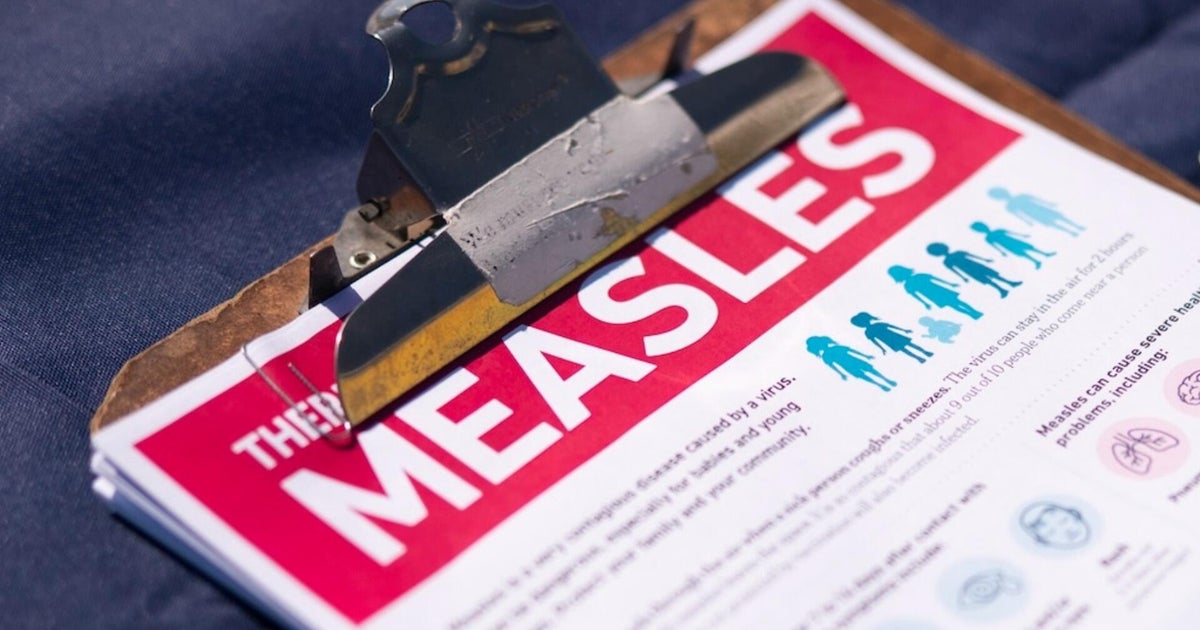
How vaccine fears fuelled a major measles comeback in the US

Read the original at Al Jazeera ↗
Cite

How vaccine fears fuelled a major measles comeback in the US. (2026, November 19). Al Jazeera. https://www.aljazeera.com/video/newsfeed/2026/11/19/how-vaccine-fears-fuelled-a-major-measles-comeback-in-the-us?traffic_source=rss

Dated from the outlet's own feed. Check the original for its byline.

Al Jazeera · collected 2026-11-19

Quick Summary

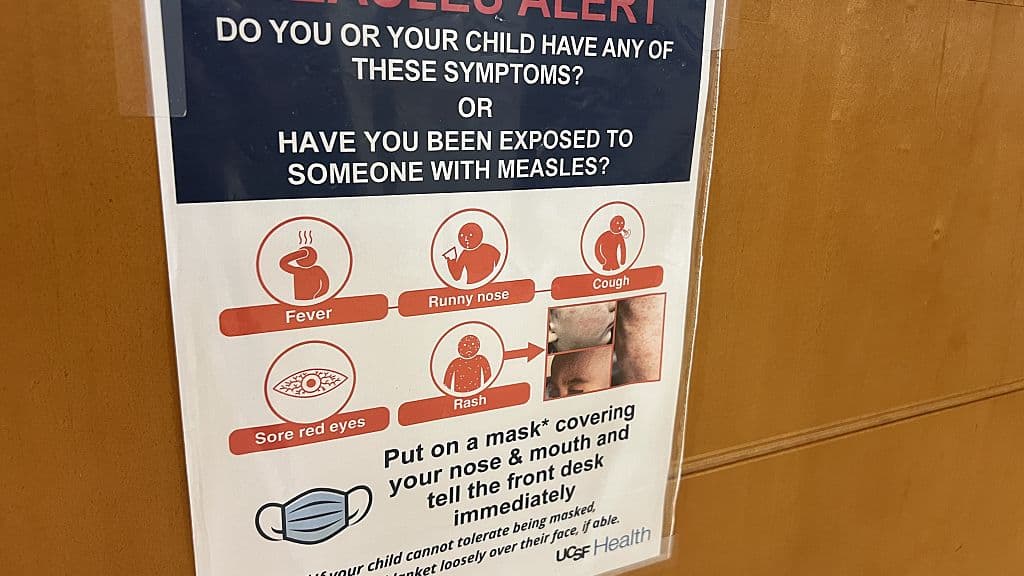
Measles cases are increasing in the United States due to declining vaccination rates, influenced by misinformation and vaccine skepticism. The resurgence marks the country's worst outbreak in decades. Al Jazeera’s Farah Samir examines the factors contributing to this public health issue.
Written by AI on 2026-11-20, from this article's own text only (the story summary below draws on all the coverage).

AI analysis

Story summary

Measles is experiencing a significant resurgence in the United States due to declining vaccination rates. According to Al Jazeera’s Farah Samir, misinformation, false claims linking vaccines to autism, and increasing vaccine skepticism have contributed to this outbreak, which is the worst in decades. The resurgence highlights the public health risks associated with reduced vaccine uptake.

Written for “Measles Comeback in US” on 2026-11-21, grounded in this article and the 0 other(s) covering the same event.

Compared with similar articles

This article reads leans left and hedges 25% of its claims. Each row says how that neighbour differs.
Al Jazeera
Leans left Hedges 6 of 49 claims Outlet record 60/100
“The articles discuss the broader context and causes of the measles comeback in the US rather than a single specific event.”
New York Post
Hedges 3 of 20 claims Outlet record 66/100
“The articles discuss the broader context and causes of the resurgence of measles in the US rather than a specific single incident occurring at a particular time and place.”
The Straits Times
Hedges 1 of 19 claims Outlet record 64/100
“While both articles discuss the resurgence of measles in the US due to declining vaccination rates, they do not describe the same specific incident or occurrence.”
The Sydney Morning Herald
Leans left Hedges 9 of 72 claims Outlet record 61/100
“The articles discuss the general resurgence of measles in the US due to decreased vaccination rates, but they do not describe the same specific outbreak or event occurring at the same time and place.”
CBS News
Hedges 0 of 2 claims Outlet record 66/100
“While both articles discuss the resurgence of measles in the US, they describe different aspects of the broader issue: one focuses on the loss of elimination status, and the other on the factors contributing to the resurgence.”
BBC News
Leans left Hedges 2 of 31 claims Outlet record 65/100
“Article A reports on the US losing its measles elimination status due to record case numbers and deaths, while Article B focuses on the factors contributing to the resurgence of measles, such as vaccine fears and misinformation.”
The Guardian
Leans strongly left further left than this Hedges 5 of 31 claims Outlet record 64/100
“Article A discusses the specific return of an anti-vaccine group to social media platforms, while Article B provides a broader overview of the measles comeback in the US due to vaccine fears and misinformation.”
Measles Has Returned Different event
TIME
Leans left Hedges 2 of 57 claims Outlet record 60/100
“While both articles discuss the resurgence of measles in the US, Article A focuses on the official loss of measles elimination status by PAHO, while Article B examines the factors contributing to the resurgence, such as vaccine fears and misinformation.”
Toronto Star
Hedges 7 of 50 claims Outlet record 64/100
“While both articles discuss the resurgence of measles in the US, they cover different aspects of the issue — one focusing on the Trump administration's response and the loss of elimination status, and the other on the role of vaccine fears and misinformation.”
TIME
Leans left Hedges 6 of 43 claims Outlet record 60/100
“Article A reports on the loss of measles-elimination status by the U.S. on Nov. 17, while Article B discusses the factors leading to a major measles comeback in the US due to vaccine fears, with a later publication date.”

Story

Measles Comeback in US
Health · 1 article(s) covering the same event.
How this article was measured signals, leaning charts, publisher record, byline, topics and claims

Signals How these are calculated →

Claims extracted
4
sentences that state something as happening or true
Uncertain
25%
1 of 4 hedged ("reportedly", "may", "according to")
Leaning
Leans left
of the writing, not the subject · beta estimate
Publisher signals
60/100
Al Jazeera's corrections and hedging, across everything collected from it. Not a measure of accuracy.
Outlets on this story
1
Health
Same framing elsewhere
1
articles that frame the event the way this one does
Analyzed 2026-11-20 · how these are computed

How this is being covered How these are calculated →

Article leaning vs. publisher reliability
Source leaning vs. consistency

Publisher

Al Jazeera · 6216 article(s) · 4 correction(s) detected
Running correction rate · 4 correction(s)

Who wrote this

No reporter is named on this article.

Topics

Al Jazeera’s Measles

Subjects

Al Jazeera’s ORG · 1× Farah Samir PERSON · 1×

Narrative

Measles is making a comeback in the US as vaccination rates fall.
framing: mixed · carried by 1 article(s) · first seen 2026-11-20
2026-11-20 · Al Jazeera
How vaccine fears fuelled a major measles comeback in the US · mixed framing

Claims (4 extracted, 1 hedged)

How vaccine fears fuelled a major measles comeback in the US asserted
fears → fuel → US
Measles is making a comeback in the US as vaccination rates fall. asserted
rates → make → US
Misinformation, autism claims and growing vaccine skepticism have all played a part in the country’s worst outbreak in decades. uncertain
Misinformation → grow → decades
Al Jazeera’s Farah Samir looks at what’s going on. asserted
what → look → ?
Give feedback · no sign-in needed

No sign-in needed for now. Your note is sent without a name, so it cannot be answered.

History Support