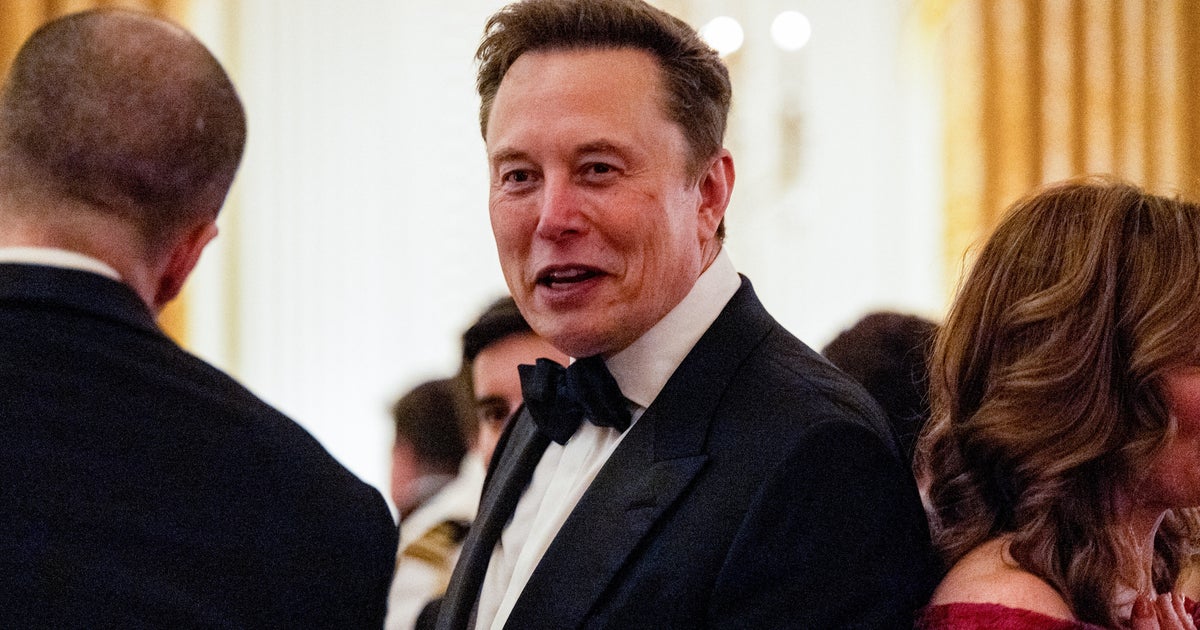
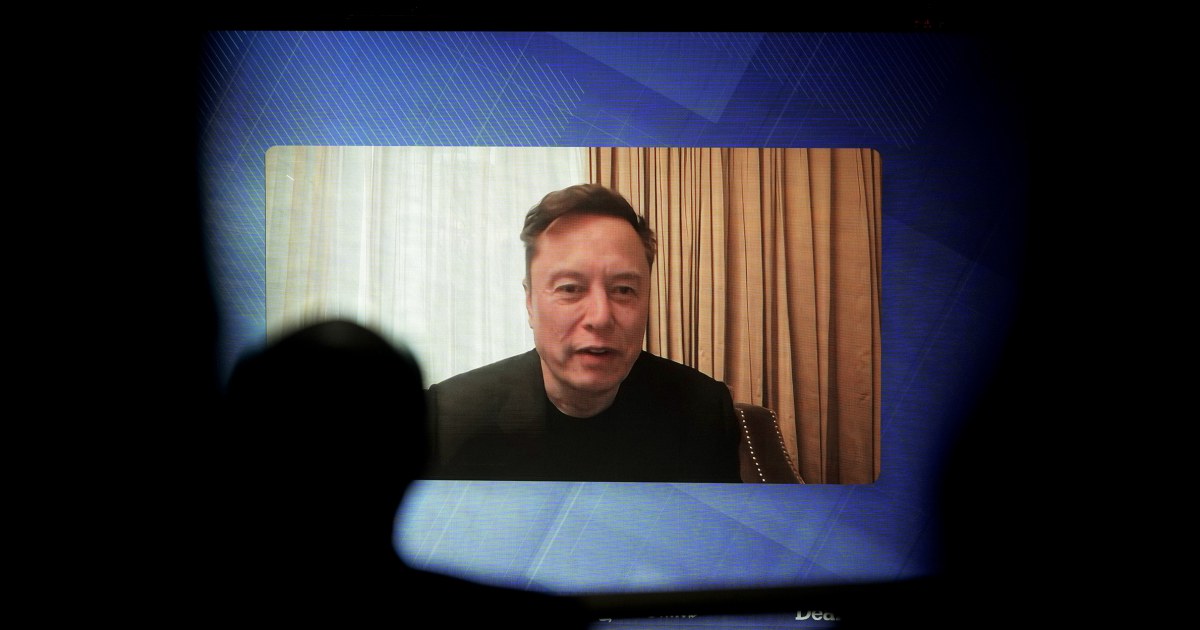
Elon Musk struck a more moderate tone while discussing his political affiliation Wednesday, arguing that he does not have “blind adherence” to the policies of the Republican Party or MAGA.
asserted
he → strike → Party
The tech billionaire, who spent nearly $500 million in contributions to Republican campaigns and Trump allies ahead of the midterm elections, made the remarks while he was in China as part of President Donald Trump’s delegation at the Asia-Pacific Economic Cooperation summit.
asserted
he → spend → summit
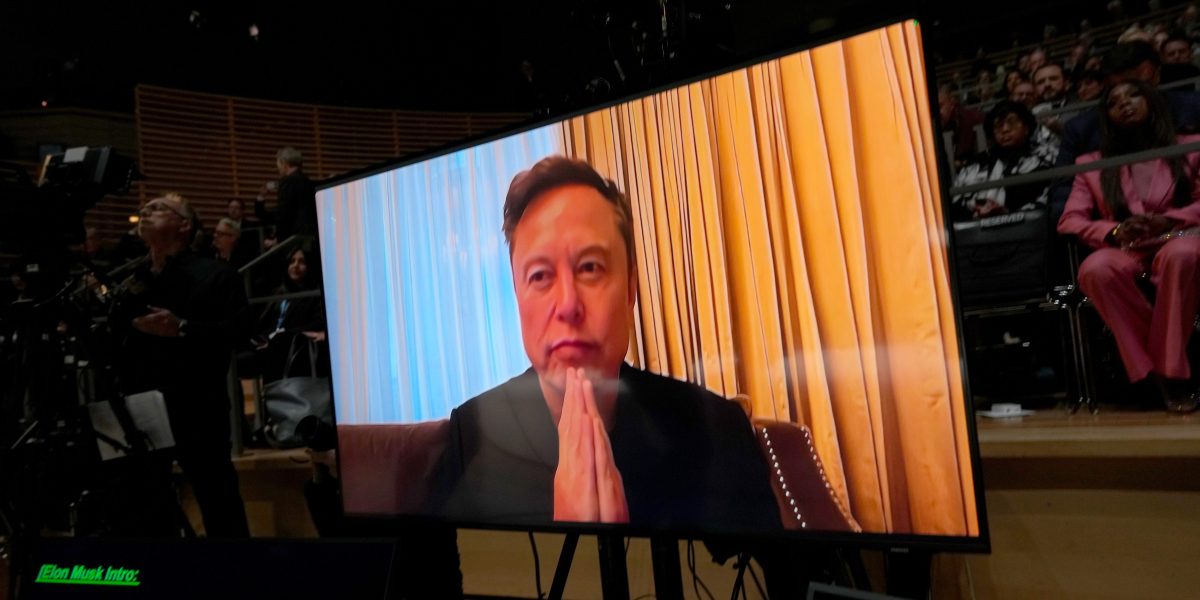
“I’m not MAGA,” Musk said during an interview for The New York Times’ DealBook Summit.
asserted
Musk → ’m → Summit
“If that means sort of blind adherence to a set of policies by the Republican Party, then I certainly don’t have that.”
asserted
I → mean → that
Musk, who moved his companies to Texas in 2020 after clashing with Democratic leaders in California, spent at least $168 million in Texas to uplift Trump allies in the midterm elections, including Senate candidate Ken Paxton and Gov. Greg Abbott, who both lost their bids.
asserted
who → move → bids
In the interview, Musk said that he thinks Democratic Gov.-elect Gina Hinojosa will be “quite moderate” when she takes office.
asserted
she → say → office
“I don’t think she’s sort of a far-left governor, and based on everything I’ve heard about her, I think things will be fine in Texas with Gina as governor,” Musk said.
asserted
Musk → think → governor
He argued that he spent big on campaigns because he thinks “it’s good to have some balance of power,” adding, “as a general rule” he wouldn’t want “the presidency, Senate and House all to be of the same party.”
asserted
presidency → argue → party
Musk said his goal, “which failed, by the way, obviously,” was to hold a Republican majority with 51 seats by 2029.
asserted
which → say → 2029
“I feel pretty foolish about having spent so much money and not seeing much for it,” Musk said.
asserted
Musk → feel → it
“But it certainly shows that, you know, American elections are not just about money.”
asserted
elections → show → money
He added, “Probably, if I could rewind the clock, I would have spent less money.”
uncertain
I → add → money
“I think there are positives and negatives in both parties,” Musk said.
asserted
Musk → think → parties
“The truth is that, you know, both parties have their issues.”
asserted
parties → know → issues
This is not the first time that Musk’s generous campaign donations have backfired.
asserted
donations → backfire → ?
In 2025, he funneled at least $20 million into Wisconsin’s state Supreme Court race and offered $1 million checks to voters for backing the conservative candidate, who ultimately lost by 10 percentage points.
asserted
who → funnel → points
After that campaign’s failures, Musk largely stayed out of the spotlight during the 2026 cycle.
asserted
Musk → stay → cycle
Some Republicans said privately that they wanted Musk to keep his distance, pointing to the success of his 2024 campaign strategy.
asserted
Musk → say → strategy
Then, Musk spent more than $250 million on Trump and the party, helping fuel Republicans’ victory in the race for the White House and control of Congress.
asserted
Musk → spend → Congress
The technique didn’t work in 2026, especially in Musk’s home state of Texas, where he has already been targeted by incoming officials.
asserted
he → work → officials
State Sen. Nathan Johnson, who will be the next Texas attorney general, pledged to investigate Musk over allegations that SpaceX unfairly benefited from a state grant program that was aimed at expanding and subsidizing rural broadband.
asserted
that → pledge → broadband
Hinojosa and Democratic Sen.-elect James Talarico have also criticized Musk.
asserted
Hinojosa → criticize → Musk
While the governor-elect has made claims that Musk got tax breaks after donating to Abbott, Talarico has taken aim at the billionaire for wanting “his own personal United States senator.”
uncertain
Talarico → make → senator
Musk has also faced criticism from Democratic lawmakers who argue that he has too much influence over the White House.
asserted
he → face → House
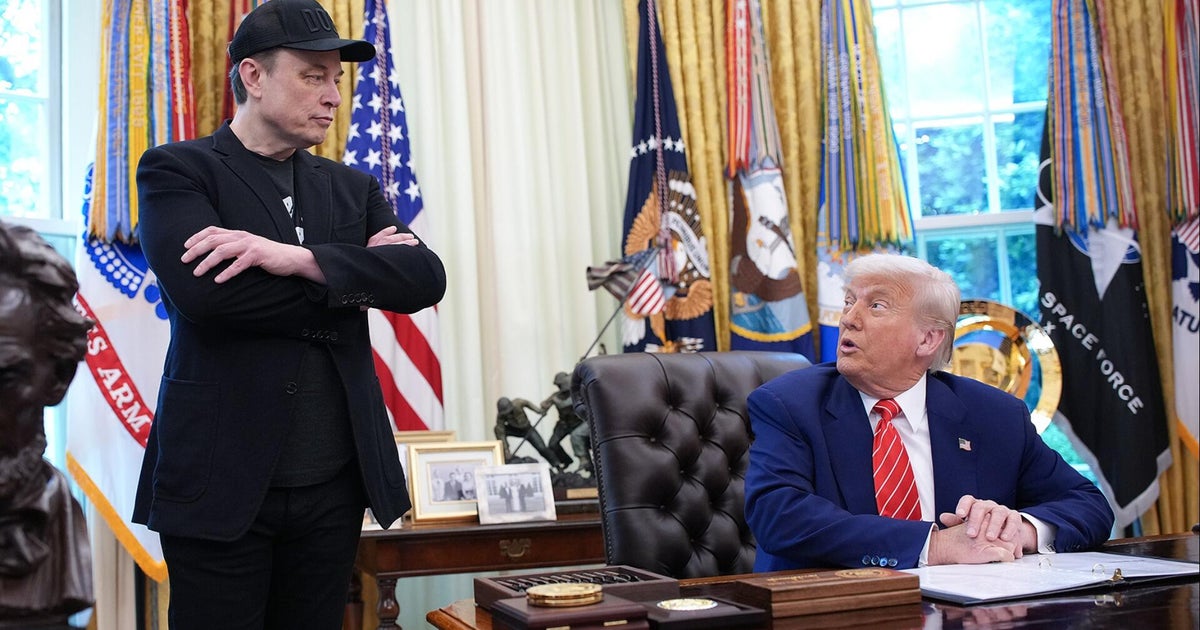
When Trump returned to office in 2025, Musk oversaw the Department of Government Efficiency (DOGE), the agency that prompted the firing of thousands of federal workers and the cancellation of various government funds.
asserted
that → return → funds
As of August, more than 377,000 employees left the federal workforce due to job cuts directed by DOGE.
asserted
employees → leave → DOGE
The agency also led to the dismantling of the U.S. Agency for International Development and sweeping cuts to foreign aid.
asserted
agency → lead → aid
 The Aporia