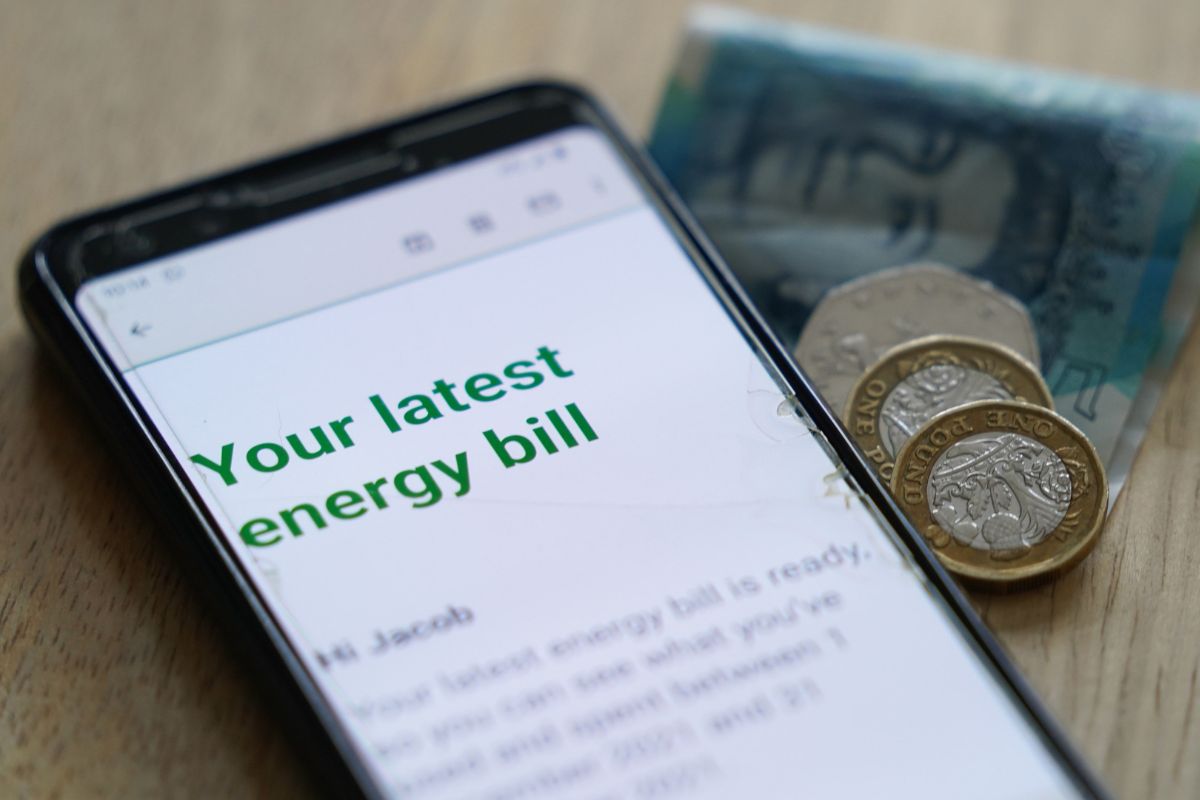
Was there ever so foolish a pre-election promise as Ed Miliband’s claim that his glorious green future was going to cut £300 a year from our energy bills?
uncertain
future → go → bills
Once again, we have been reminded of the reality.
asserted
we → remind → reality
Consultants Cornwall Insight predict the Ofgem price cap will rise in January to the point where an average household will be spending £2,166 a year on energy bills, up from £1,723 at present and £1,568 when Labour came to power.
asserted
Labour → predict → power
Far from saving us £300, bills have shot up by £600.
asserted
bills → save → 600
How could he have got it so disastrously wrong?
uncertain
it → get → ?
While ministers like to blame rising bills on the Iran war, the brutal truth is much of the pain being inflicted on UK energy consumers is coming directly from Net Zero policies.
asserted
much → like → policies
It isn’t the fault of the Iran war that in 2025 we were already paying around 25 per cent more for electricity than our near European neighbours.
asserted
we → pay → neighbours
The Department for Energy Security and Climate Change used to publish data comparing our electricity and gas prices with the rest of the world, which showed we were paying three times as much as US consumers.
asserted
we → use → consumers
But, funnily enough, the Government doesn’t do this any more – blaming a licence agreement with the International Energy Agency, which collects the data.
asserted
which → do → data
Either way, it is hard not to conclude that we are reaping the inevitable results of a reckless Net Zero target, which legally committed the Government to eliminate net greenhouse emissions by 2050 without the faintest idea of the cost.
asserted
which → conclude → cost
Not only was the error nodded through the House of Commons in 2019 without even a formal vote, but Miliband and other Labour frontbenchers then started blathering on with that pledge it was actually going to SAVE us money.
asserted
it → nod → money
Ed Miliband at the Cop31 Climate Change Conference in Turkey with London mayor Lord Khan
Our bills were going to fall, electric cars would cost less to run – and closing the North Sea wouldn’t cost a penny.
What an utter fantasyland they are living in.
asserted
they → go → fantasyland
Miliband’s £300 promise was plucked out of a 2023 report by a green energy lobbying group called EMBER.
asserted
promise → pluck → group
It was a simplistic analysis which woefully underestimated the costs of reorganising the national grid to cope with large amounts of renewable energy.
asserted
which → underestimate → energy
It also assumed the cost of renewable energy would continue to fall while gas prices stayed high.
asserted
prices → assume → energy
This summer, NESO – the quango charged with realising Miliband’s ambitions – admitted it thinks the job will cost £89billion, 50 per cent more than previously forecast.
asserted
job → charge → 89billion
Moreover, far from continuing to fall, the price of renewable energy has rebounded as interest rates and commodity prices have risen.
asserted
rates → continue → energy
Around when EMBER wrote its report, offshore windfarm developers were agreeing to sell their electricity at long-term guaranteed prices of £45 per megawatt-hour.
asserted
developers → write → hour
In the latest round of auctions, this spring, this had doubled.
asserted
this → double → auctions
Meanwhile, in spite of the Iran war, wholesale gas prices are nowhere near the levels they were in 2022, when they peaked at £6 per therm.
asserted
they → peak → therm
Even the author of the EMBER report, Pawel Czyzak, has since admitted the claimed savings of £300 a year have been wiped out by shifts in the energy market.
asserted
savings → admit → market
But despite all the warm words about tackling the cost of living, Labour MPs don’t seem to care.
asserted
MPs → tackle → living
Some 75 of them – including a number of frontbenchers – have signed a letter demanding the Government rejects development of the Rosebank oil and gas field off the Shetland Islands.
asserted
Government → include → Islands
For months, they have been trying to insist further development of the North Sea won’t take a penny off our bills and will hardly create any jobs.
asserted
development → try → jobs
They claim oil and gas from the Rosebank and Jackdaw fields ‘will just be sold on international markets at the global price’.
uncertain
oil → claim → price
Thanks to the difficulty and expense of transporting it, prices vary enormously, with wholesale prices around three times as much in Europe as in North America.
asserted
prices → transport → America
Gas from Jackdaw will feed directly into the UK gas grid, where it will help to displace liquefied natural gas imported at much higher prices.
asserted
it → feed → prices
As for Rosebank, which is more of an oil field but does also contain gas, there would be plenty of tax revenues flowing to Britain wherever the oil is sold.
asserted
oil → contain → Britain
The Government’s own impact assessment admits the ban on North Sea drilling will cost it £73million a year in lost revenue and mean 870 jobs will not now be created.
asserted
jobs → admit → revenue
The developers of the Rosebank field claim the overall benefits to the economy will be vastly higher, at £24.3billion over the field’s lifetime.
uncertain
benefits → claim → lifetime
What is true is that refusing permission for Rosebank and other North Sea fields won’t reduce UK carbon emissions by a milligram.
asserted
refusing → refuse → milligram
But Labour opponents of Rosebank are so divorced from reality, they seem to think we don’t need oil and gas any more.
asserted
we → seem → oil
Yet in 2025, Britain still met 79 per cent of its energy needs from fossil fuels – and that isn’t going to change in the near future.
asserted
that → meet → future
Far from continuing to fall, the price of renewable energy, such as that produced by offshore wind, has rebounded as interest rates and commodity prices have risen
If we don’t produce oil and gas, we will just import it.
asserted
we → continue → it
And this will increase emissions – the energy used in liquefying and transporting it is equivalent to some 10 per cent of the fuel.
asserted
energy → increase → fuel
So, in their misplaced green zeal, opponents of North Sea drilling are committing to HIGHER carbon emissions.
asserted
opponents → commit → emissions
It isn’t just the North Sea, either, on which backbench green activists are circling the Government, trying to block it from making pragmatic decisions to bring down energy prices.
asserted
activists → circle → prices
They are also lobbying hard to stop the watering down of electric vehicle targets.
asserted
They → lobby → targets
At present, the car industry is being crushed beneath the strictures of the Zero Emission Vehicle mandate, which demands manufacturers steadily increase the proportion of their sales made up of pure electric vehicles, to reach 80 per cent by 2030.
asserted
manufacturers → crush → 2030
If they fail to reach this year’s target – which is 33 per cent – they face fines of up to £12,000 per vehicle by which they fall short.
asserted
they → fail → which
…and 12 more, not listed.
 The Aporia