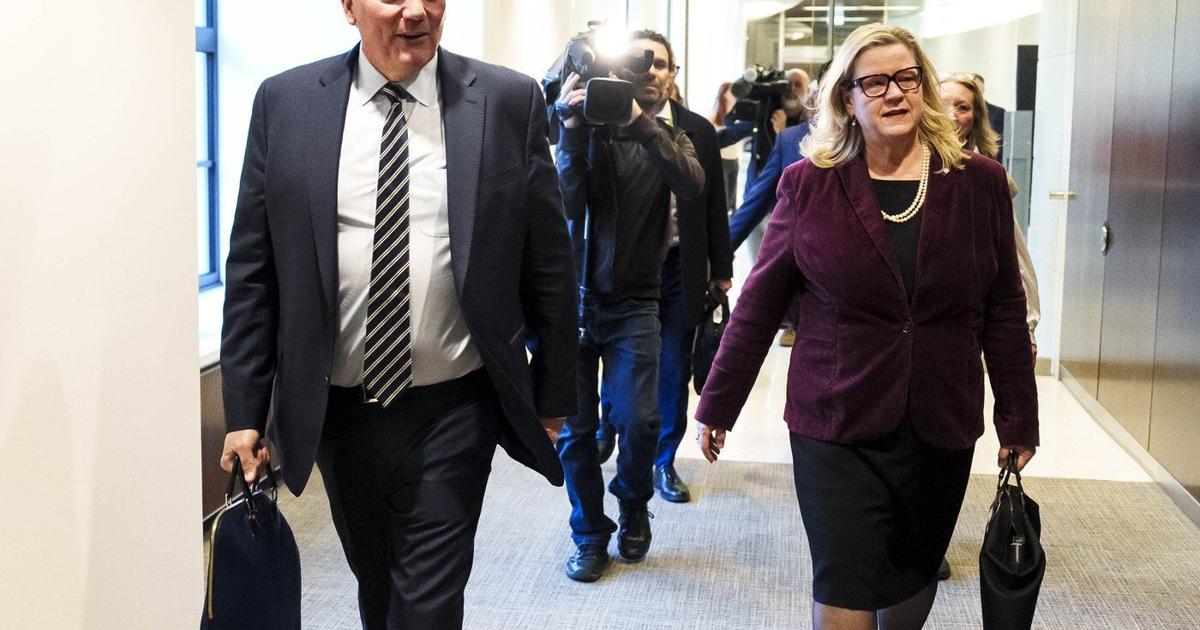
Canada’s chief trade negotiator, Janice Charette, told a federal advisory committee that “multiple trade issues” remain outstanding with the United States and are preventing a deal, several sources who were briefed by the federal government have told Global News.
asserted
who → tell → News
The biggest issue still outstanding is the 25 per cent U.S. tariff on Canadian automobiles, according to sources in the meeting.
uncertain
issue → accord → meeting
Negotiations around auto tariffs were a core reason trade talks between the Carney government and Trump administration fell apart in August.
asserted
talks → fall → August
Ottawa is attempting to get what it says is an “interim deal” that would provide tariff relief for Canadian businesses and resolve core trade irritants, ahead of Canada-U.S.-Mexico free trade renegotiation talks, according to individuals briefed by Ottawa.
uncertain
that → attempt → Ottawa
This strategy has been employed by the Liberals since the Carney government took office, part of a three-pronged approach, according to government sources.
uncertain
government → employ → sources
The first step is to deal with outstanding trade issues with the Americans.
asserted
step → deal → Americans
Step two is to partner with the Americans in key areas, such as defence and energy, before finalizing a new free trade agreement.
asserted
Step → partner → agreement
The Carney government now believes there is a window to get a deal with the Trump administration by the end of the year, prior to the Democrats taking control of Congress.
asserted
Democrats → believe → Congress
Despite multiple Democratic lawmakers publicly objecting to tariffs on Canada, sources in the meeting tell Global News the Liberals believe a friendlier Congress will not materially change negotiations with the Trump administration.
asserted
Congress → object → administration
That view is not universally accepted by council members.
asserted
view → accept → members
One told Global News that Ottawa’s push for an agreement makes it appear “desperate for a deal.”
asserted
it → tell → deal
The federal government’s framework of an agreement with the U.S. remains broadly the same as the deal that fell apart in August: Ottawa would drop its counter-tariffs in exchange for the U.S. removing or reducing sweeping 50 per cent Section 338 tariffs on more than $20 billion of Canadian products, which were implemented on Aug. 22 after trade talks fell apart.
asserted
talks → remain → Aug.
Negotiators would also be looking to reduce the long-standing Section 232 tariffs on steel, aluminum, softwood lumber and autos.
asserted
Negotiators → look → steel
- BC Nurses’ Union says arbitration in labour dispute has ended
- Saskatchewan recovery centre, accused of falsifying records, to be investigated by auditor
- ‘Difficult to predict’ timeline to end CAF ammunition shortage: official
- Former colleges and universities minister refuses to answer OSAP questions
Auto tariffs remain the core stumbling block, after they played a major role in ending the August talks.
asserted
they → say → talks
The Americans had offered to reduce tariffs from 25 per cent to 15 per cent on Canadian cars and parts, with no carve-out for CUSMA-compliant products.
asserted
Americans → offer → products
The Carney government was poised to accept that deal, despite labour leaders, auto parts manufacturers and automakers that operate in Canada all telling the government a 15 per cent tariff level would cripple the industry in Canada.
asserted
level → poise → Canada
The government readout of the meeting says discussions “also addressed the implementation of federal measures to support Canadian businesses and workers affected by U.S. tariffs, including the effectiveness of existing supports and opportunities to better respond to the needs of affected businesses.”
asserted
discussions → say → businesses
Sources say the government promised a more agile response to tariff relief, particularly on Section 338 tariffs imposed on Canadian goods in August after multiple members of the committee raised concerns over their impact on small businesses across the country.
asserted
members → say → country
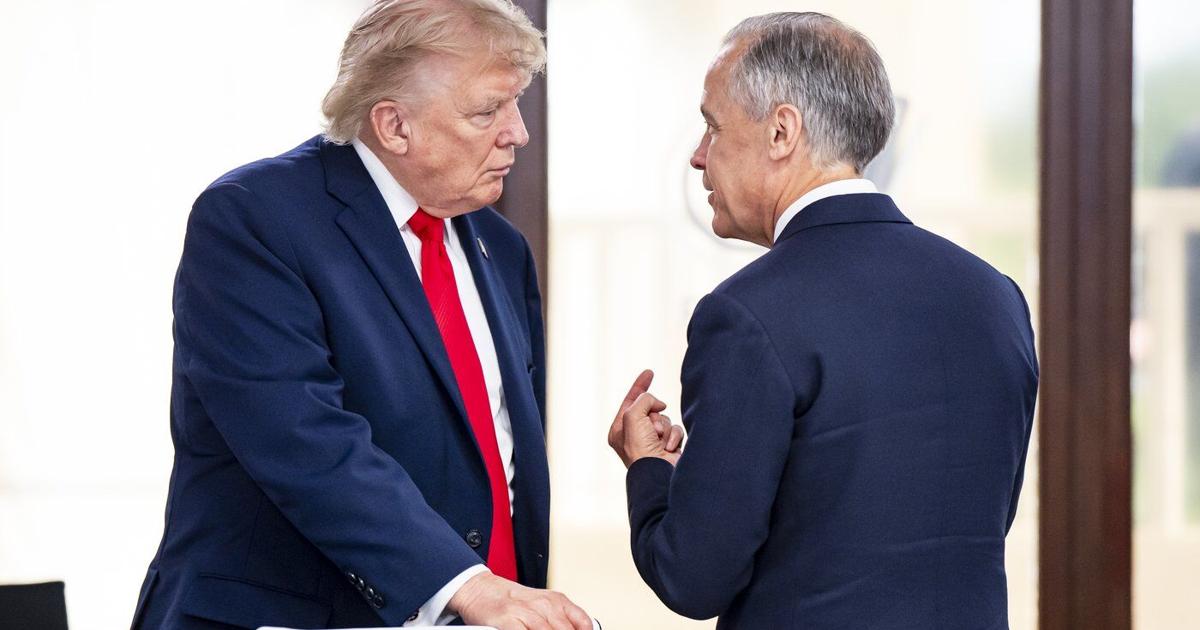
While Donald Trump and Mark Carney recently met in China, they’re not the only ones talking.
asserted
they → meet → China
Canada U.S. Trade Minister Dominic LeBlanc, who did not take questions from Global News on Parliament Hill Thursday, and Janice Charette, have been speaking with Commerce Secretary Howard Lutnick and U.S. trade representative Jamieson Greer regularly.
asserted
who → take → Lutnick
The Liberals have crucially not labelled those conversations as negotiations with the Americans, which one member of the advisory council told Global News they believe is an attempt by the Liberals to play down expectations on the possibility of getting a deal.
asserted
they → label → deal

 The Aporia