The Aporia

Reuters. (2026, November 20). Indonesian fire emissions third highest on record this year, says EU’s Copernicus. The Hindu. https://www.thehindu.com/sci-tech/energy-and-environment/indonesian-fire-emissions-third-highest-on-record-this-year-sayseus-copernicus/article71722994.ece
Reuters. “Indonesian fire emissions third highest on record this year, says EU’s Copernicus.” The Hindu, 20 Nov. 2026, https://www.thehindu.com/sci-tech/energy-and-environment/indonesian-fire-emissions-third-highest-on-record-this-year-sayseus-copernicus/article71722994.ece.
Reuters. “Indonesian fire emissions third highest on record this year, says EU’s Copernicus.” The Hindu, November 20, 2026. https://www.thehindu.com/sci-tech/energy-and-environment/indonesian-fire-emissions-third-highest-on-record-this-year-sayseus-copernicus/article71722994.ece.
Dated from the outlet's own feed. Check the original for its byline.
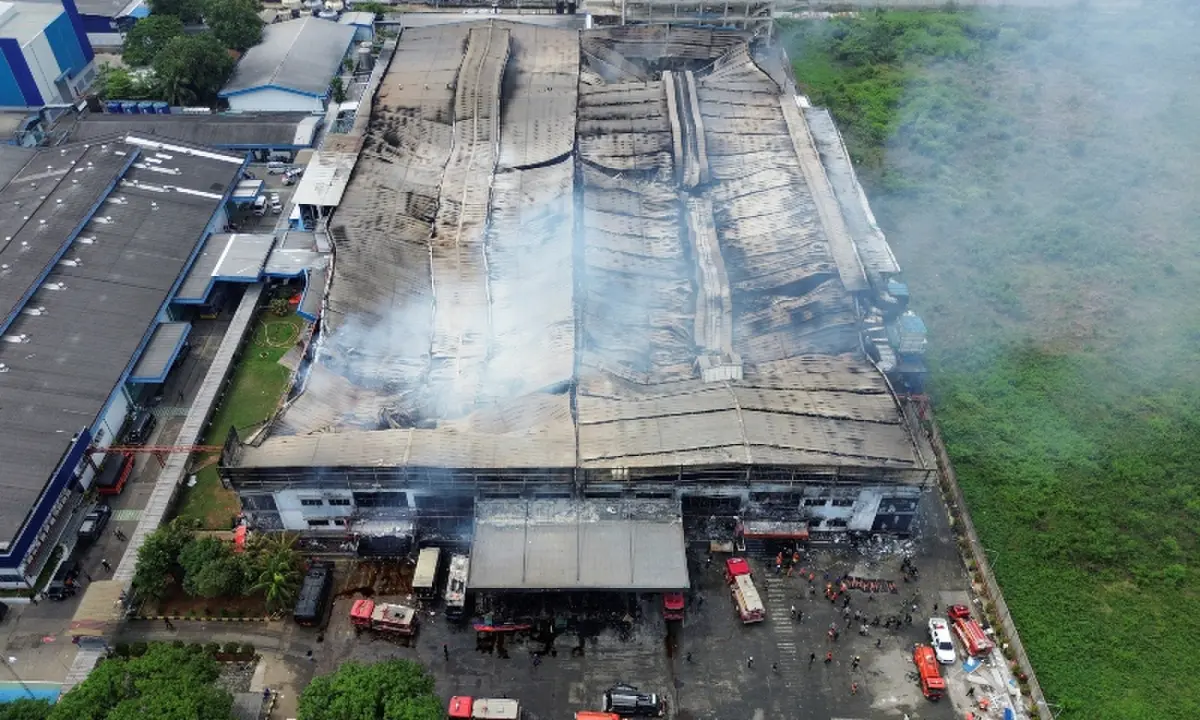
This year’s fires in Indonesia have produced nearly 200 million metric tonnes of carbon emissions by November 15, making it the third-highest annual volume on record, according to the European Union’s Copernicus Atmosphere Monitoring Service (CAMS). The archipelago has experienced its worst wildfire season in years, driven by extremely dry conditions due to a super-El Niño event and warmer temperatures. CAMS data indicates that approximately 8.9 million hectares (22 million acres) of land could have been damaged by fire this year, which is 4.7% of Indonesia’s total land area, significantly higher than the 2012 to 2025 average of 1.9%. Although El Niño is a decisive factor, experts also emphasize the role of climate change and poor land management in exacerbating the issue. The emissions from this year's fires are equivalent to over a fifth of Indonesia’s total carbon footprint in 2025, with the country’s energy consumption and industry contributing an estimated 960 million tonnes of CO2 in 2025. These emissions are comparable to the entire energy and industrial carbon footprint of Pakistan in the previous year.
Though El Niño-driven drought was a decisive factor in this year’s fires, experts have also emphasised the role played by climate change in driving up temperatures
Poor land management and the excessive draining of peatland to make way for palm oil or pulpwood concessions have also made Indonesia more vulnerable to fire