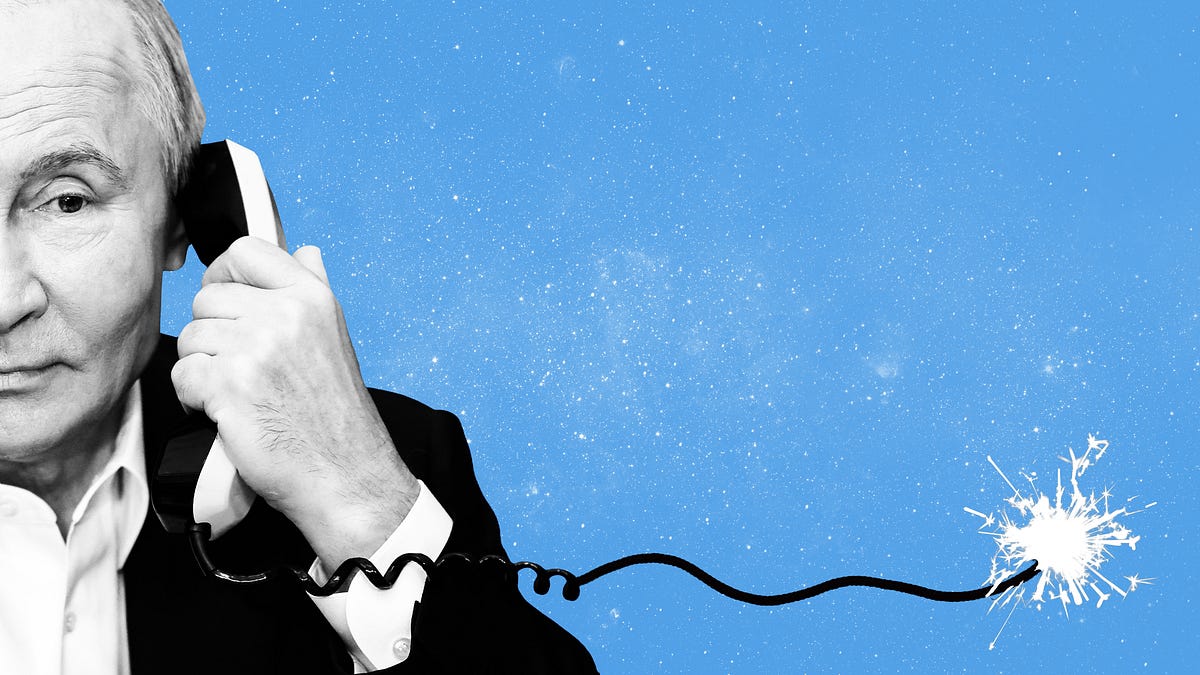
ACCORDING TO A CNN REPORT from Monday, Iran is considering several planning options to use a “dirty bomb” in Washington, D.C.
uncertain
Iran → accord → Washington
The story’s sources—anonymous U.S. intelligence officials—claim to have a significant level of detail on the plans Iran is considering, including potential locations and targets—among them, “senior Trump administration officials.”
uncertain
Iran → claim → them
To really understand whether Americans should be concerned about this report would require knowing more about the credibility of the anonymous sources and the nature of their information.
asserted
Americans → understand → information
Barring that, though, we can at least ask some of the more basic questions, starting with: What is a dirty bomb?
asserted
we → bar → questions
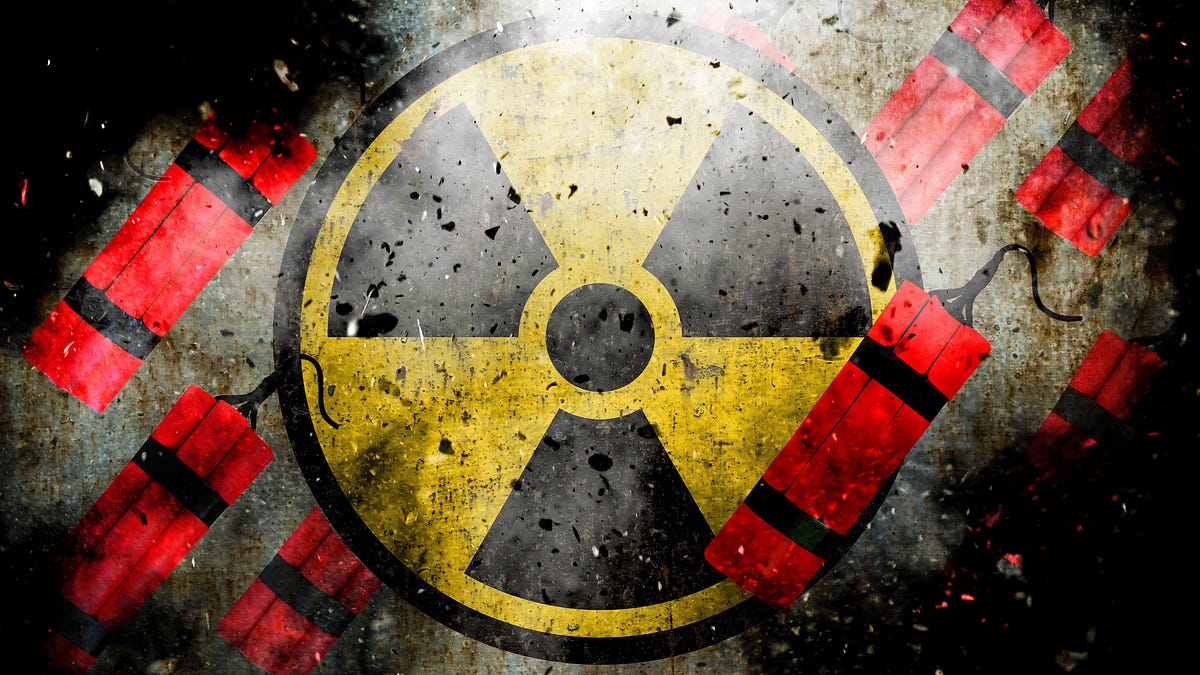
A dirty bomb—a type of what is technically known as a “radiological dispersal device”—is a weapon that uses a conventional explosive seeded with radioactive material.
asserted
that → know → material
It is not an atomic bomb; it doesn’t emit the massive heat, blast, and radiation (or produce the signature mushroom cloud) that a bomb like those dropped on Hiroshima or Nagasaki would.
asserted
bomb → emit → Hiroshima
As with a conventional bomb, the explosion (caused by, say, TNT or RDX) can result in death, injury, and damage in the blast radius, but after that main danger comes a lingering health risk caused by the radioactive material scattering contamination into the surrounding area.
asserted
risk → cause → area
It is, in effect, a terror weapon that outlives its initial blast.
asserted
that → outlive → blast
The next question one might ask: How difficult are they to make?
uncertain
they → ask → ?
Compared with a nuclear weapon, a dirty bomb is much less complicated to construct.
asserted
bomb → compare → weapon
It doesn’t require enriched uranium, a complex triggering device, or sophisticated engineering to produce a nuclear detonation.
asserted
It → require → detonation
That doesn’t mean that making and deploying a dirty bomb would be simple.
asserted
making → mean → bomb
Engineers familiar with these kinds of devices tell me that obtaining the radioactive material in the required quantities, handling it without exposure, and mixing it effectively all pose technical challenges beyond those involved in building and deploying a conventional improvised explosive device (IED).
asserted
obtaining → tell → device
But recent years have shown that Iran and Iranian-backed actors are capable of deploying technically complicated weapons, such as explosively formed penetrators, like those introduced by Iran-backed militias to enhance the effects of IEDs during my time in Iraq, and the more advanced guided drones that have been fielded by Iran over the last decade.
asserted
that → show → decade
So the technical complications involved are not a reason to disregard the possibility of Iran using a dirty bomb.
asserted
Iran → involve → bomb
On to the next question: How difficult is it to transport and emplace dirty bombs?
asserted
it → transport → bombs
In addition to technical competence, executing a dirty bomb attack requires access to the necessary dangerous materials, the ability to safely transport those materials to the place where the bomb is made, and then the ability to move the finished weapon (or the ready-for-assembly component parts) to the intended target.
asserted
bomb → execute → target
But moving hazardous substances without detection, accidental exposure, or compromising an operation is not easy.
asserted
moving → move → operation
That’s because the United States has specialized detection equipment—and in normal times, some damned good counterintelligence capabilities.
asserted
States → ’ → times
Next up: What happens when a dirty bomb explodes?
asserted
bomb → happen → ?
The simple answer: We don’t really know.
asserted
We → know → ?
The concept of the dirty bomb dates back to the early 1940s.
asserted
concept → date → 1940s
Given the weapon’s nature—suited much more to terror than to military applications—concern about dirty bombs rose as terrorism fears rose in the early 1970s, and then again in the 1990s when worries grew about radioactive materials going “orphaned” after the Soviet Union’s collapse.
asserted
materials → give → collapse
Chechen separatists tried to place radioactive material in an explosive device in a Moscow park in 1995, but it was discovered before it was detonated.
asserted
it → try → 1995
They tried again in Chechnya in 1998, placing a device near a railway line, but it was also defused.
asserted
it → try → line
Either of these devices would likely have spread radiation over an undetermined area, possibly causing injury and contamination depending on the size of the blast and the amount of radioactive material used.
uncertain
Either → spread → material
Authorities might have to evacuate or restrict access to affected areas, conduct extensive testing, remove contaminated materials, and undertake expensive cleanup operations.
uncertain
Authorities → have → operations
How long the actual danger would last and how far it would reach would depend on many factors, including some outside of human control—such as the weather.
asserted
it → last → weather
But even once the direct physical danger is remediated, the public fear and psychological toll of such a terror attack could remain: Businesses could close, transportation could be disrupted, and residents might remain fearful long after the immediate danger had passed.
uncertain
danger → remediate → attack
Where might dirty bombs be employed?
uncertain
bombs → employ → ?
My own opinion: They would likely not be employed against a military base or troop formations—at least not initially.
asserted
They → employ → base
An enemy hoping to maximize the psychological effects of this kind of weapon would target crowded public spaces, government buildings with high-ranking officials, and economically important locations.
asserted
enemy → hop → officials
Such an attack wouldn’t have to kill a large number of people to be effective, as the psychological consequences of an attack within our homeland, against citizens or government officials, would be enough to generate fear.
asserted
consequences → have → fear
Terrorism seeks to turn uncertainty into fear and fear into political leverage.
asserted
Terrorism → seek → leverage
If Iran is considering deploying a dirty bomb, that would seem to be its continuing objective.
asserted
that → consider → bomb
Finally, What else do we need to know?
asserted
we → need → What
The Nuclear Regulatory Commission refers to dirty bombs as weapons of “mass disruption” rather than mass destruction.
asserted
Commission → refer → disruption
A weapon of mass disruption is especially suited for terror attacks because its effectiveness arises from the resulting fear, economic damage, disruption, and harm to institutional trust.
asserted
effectiveness → suit → trust
The administration, our nation’s intelligence agencies, and Congress should give this reported threat needed attention.
asserted
administration → give → attention
(Trump administration officials have said there is no “imminent” threat of a dirty-bomb attack, and Iranian officials have denied the CNN report.)
asserted
officials → say → report
…and 1 more, not listed.
 The Aporia