For months, Democrats have made ending the
a core part of their pitch to midterm voters, promising that if they win control of Congress, they'll push President Trump to end an unpopular conflict that they blame for price increases.
asserted
they → make → increases
Now, with Democrats set to take decisive majorities in the House and Senate next year, some members want to use the power of the purse to pressure the Trump administration to wind down the war, using must-pass bills as leverage.
asserted
members → set → leverage
Exactly when — and how — they plan to act are less clear.
asserted
plan → plan → ?
Democratic Rep. Rosa DeLauro of Connecticut told CBS News before the election that she would support "cutting off the funds for the Iran war."
asserted
she → tell → war
DeLauro is set to chair the powerful House Appropriations Committee, which has the ability to block funding.
asserted
which → set → funding
"If they want money, they have to get congressional approval," DeLauro said.
asserted
DeLauro → want → approval
The first pressure point could arrive in a matter of weeks, before Democrats take control of Congress.
uncertain
Democrats → arrive → Congress
Lawmakers face a Dec. 11 deadline to extend funding for most federal agencies and prevent a government shutdown.
asserted
Lawmakers → face → shutdown
Several Democrats have argued the party should block any stopgap bill that doesn't restrict funding for the Iran war.
asserted
that → argue → war
But some top House Democrats who will control key committees next year are backing away from that approach, warning it could lead to a shutdown.
uncertain
it → control → shutdown
DeLauro is part of government funding negotiations and favors a short-term extension until February if full-year appropriations measures are not passed by the deadline.
asserted
measures → favor → deadline
She indicated that she is against using a continuing resolution as leverage.
asserted
she → indicate → leverage
"I think that the American people would like to see us end the war," she told reporters Wednesday.
asserted
she → think → reporters
"I also believe that the American people may not believe that shutting the government down ends the war."
uncertain
shutting → believe → war
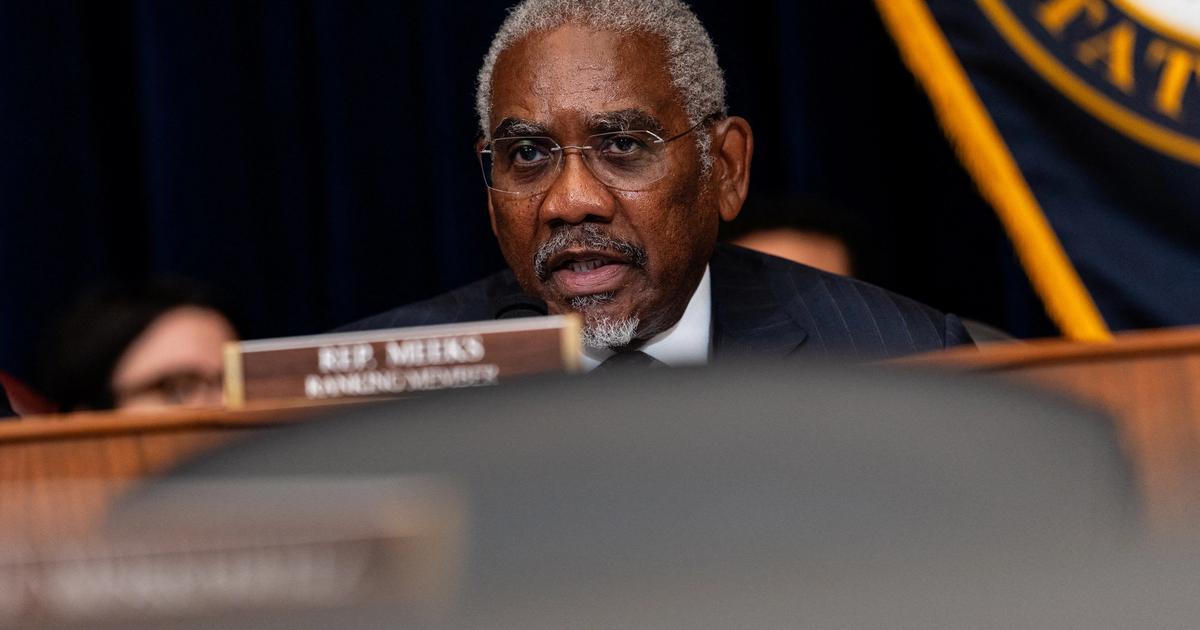
In a statement to CBS News on Thursday, Rep. Gregory Meeks of New York said he would oppose a continuing resolution "if I believed shutting down government helped us actually achieve that."
"But I believe it would only shut down parts of government that Americans rely on," said Meeks, who is the incoming chair of the House Foreign Affairs Committee.
asserted
who → say → Committee
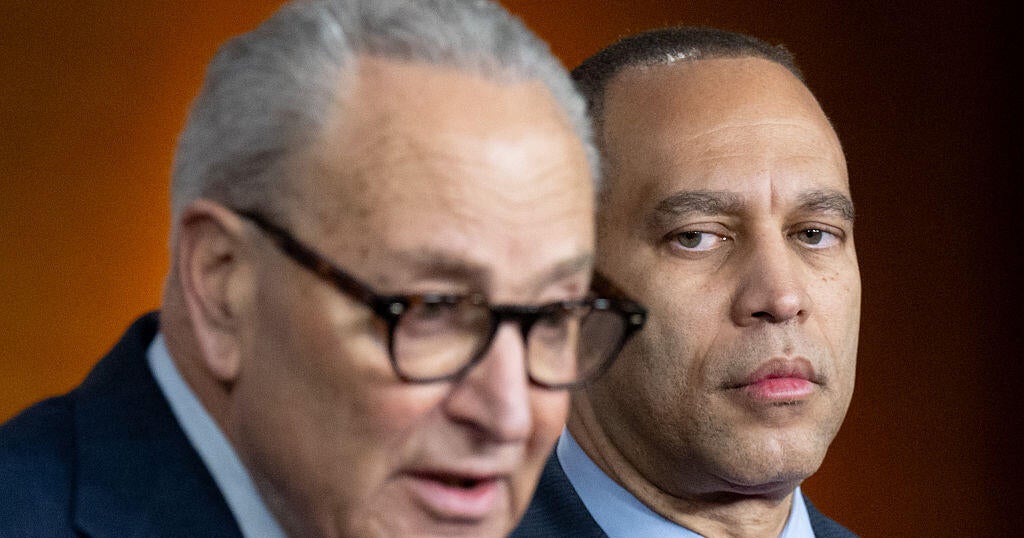
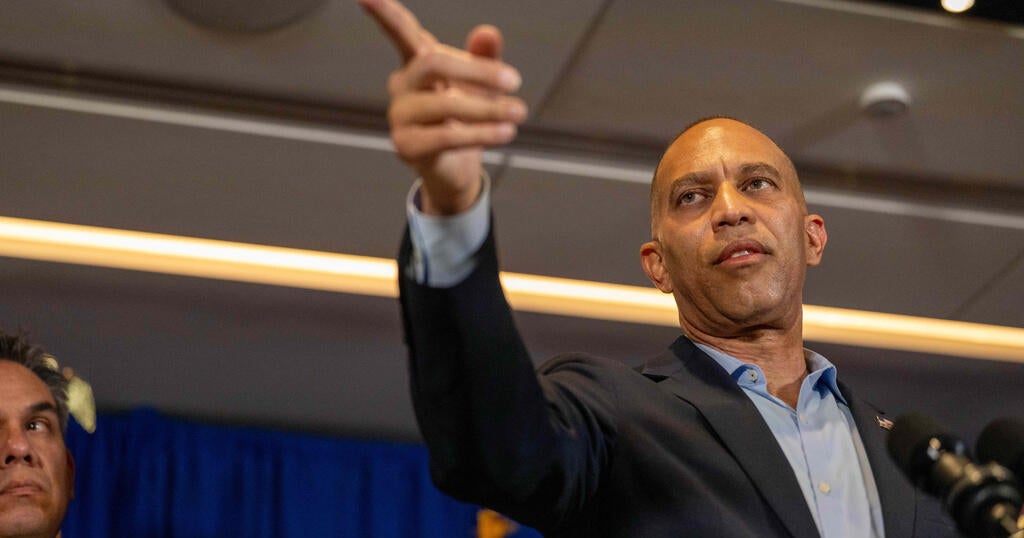
The party's House and Senate leaders — Rep. Hakeem Jeffries and Sen. Chuck Schumer — support ending the Iran war but have not specified what their approach will be, including whether they're open to attaching language to a stopgap funding bill.
asserted
they → support → bill
Jeffries said Tuesday the House and Senate appropriations committees are in "active conversation" about how to fund the government.
asserted
committees → say → government
"I don't want to get out ahead of that process," he told reporters at a news conference.
asserted
he → want → conference
"What is clear is that the reckless and costly war of choice in Iran needs to end.
asserted
war → need → Iran
It should end today."
asserted
It → end → ?
Democratic Sen. Chris Van Hollen of Maryland, who is
, has argued the party should use the Dec. 11 deadline to force restrictions on the Iran war.
asserted
party → argue → war
Van Hollen said in a statement last week that any funding deal "must include language that restricts the Trump Administration from using appropriated funds to continue his war against Iran."
asserted
that → say → Iran
It was cosigned by Sen. Tammy Duckworth of Illinois, progressive Sen. Bernie Sanders of Vermont and more moderate Sen. Michael Bennet of Colorado.
asserted
It → cosign → Colorado
Some Democrats also plan to offer amendments to any government funding deal to block war funding until the conflict is authorized by Congress, including Bennet, Duckworth, Sen. Elizabeth Warren of Massachusetts and Schumer-allied Sen. Kirsten Gillibrand of New York.
asserted
conflict → plan → York
Senate Democrats discussed how to proceed during a closed-door lunch meeting on Tuesday.
asserted
Democrats → discuss → Tuesday
Van Hollen told reporters they "had a very good discussion," but there was "no final decision."
asserted
they → tell → discussion
Reps. Yassamin Ansari of Arizona and Ro Khanna of California said they would also vote against any funding package that "does not explicitly prohibit funds from being used for offensive operations in Iran."
asserted
that → say → Iran
What could Democrats do next year?
uncertain
Democrats → do → What
After Democrats formally take control of the House and Senate in January, they could have several opportunities to attach Iran war-related language to must-pass legislation, in addition to voting on standalone bills and resolutions to restrict the war.
uncertain
they → take → war
Lawmakers will likely need to extend government funding again, and they will need to raise the debt limit at some point next year.
asserted
they → need → point
Schumer told reporters earlier this month that "we are going to end the war," and said, "the Founding Fathers had the power of the purse as one of the ways of deterring a president who does war without the consent of the American people."
Still, blocking the president from taking military action in Iran could be a challenging task.
uncertain
blocking → tell → Iran
"It is a complicated thing to force the president to stop using military force, and does require an alignment of political opportunity, savvy legislating, coordination that just is going to take time and political capital to implement," said Scott R. Anderson, a former State Department attorney and Brookings Institution senior fellow.
asserted
Anderson → force → time
Mr. Trump has vowed to use his veto power liberally.
asserted
Trump → vow → power
Democrats would need support from several Senate Republicans and dozens of House Republicans to override his veto.
asserted
Democrats → need → veto
Beyond that, Mr. Trump and other presidents have claimed sweeping authority to direct the military.
asserted
Trump → claim → military
The president did not seek congressional authorization for the Iran war.
asserted
president → seek → war
Instead, he told lawmakers shortly after the war began that he "acted pursuant to my constitutional authority as Commander in Chief," in a notice issued under the War Powers Resolution, which requires the president to notify Congress of military hostilities within 48 hours.
asserted
which → tell → hours
That 1973 law also limits hostilities to 60 days — with an extra 30-day grace period to withdraw troops — unless lawmakers pass an authorization for use of military force, and it allows Congress to pass resolutions directing the president to terminate hostilities before then.
asserted
Congress → limit → hostilities
House and Senate Democrats have used that law to vote to terminate hostilities several times this year, drawing support from some moderate or anti-interventionist Republicans.
asserted
Democrats → use → Republicans
But the Trump administration has brushed off those votes, arguing the War Powers Resolution is unconstitutional.
asserted
Resolution → brush → votes
…and 37 more, not listed.
 The Aporia