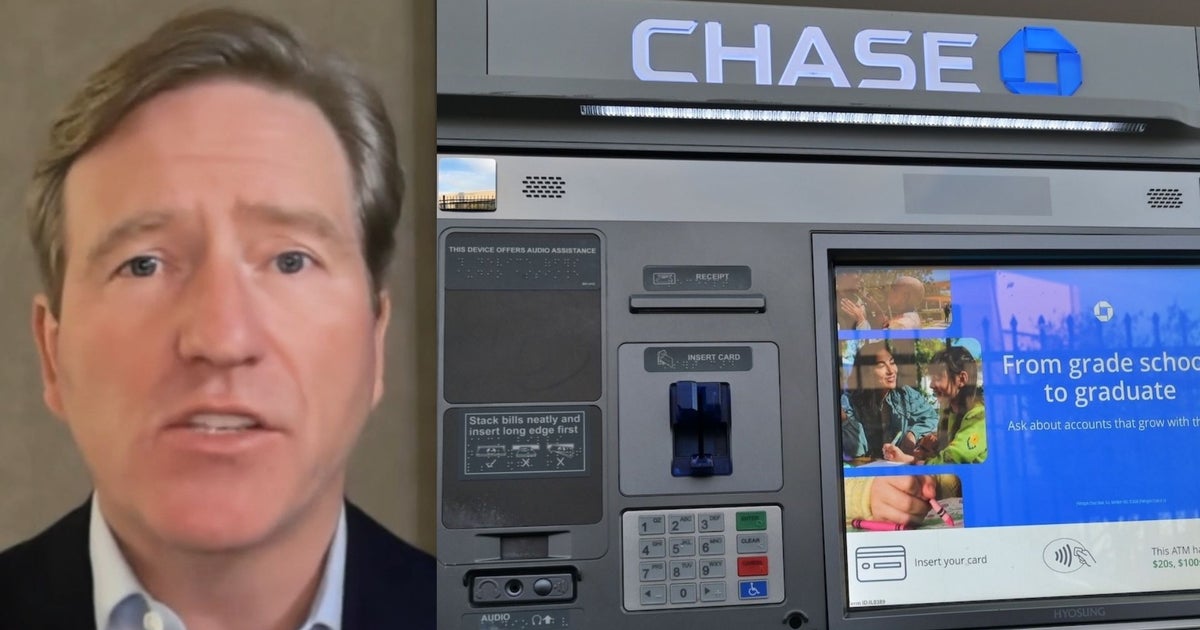
Photo via The Guardian

Don’t blame cyber-attacks for recent outages. The real villain is the US economy | Bruce Schneier

Read the original at The Guardian ↗
Cite

Schneier, B. (2026, November 20). Don’t blame cyber-attacks for recent outages. The real villain is the US economy | Bruce Schneier. The Guardian. https://www.theguardian.com/commentisfree/2026/nov/20/cyber-attacks-outages-blame-economy

Dated from the outlet's own feed. Check the original for its byline.

The Guardian · collected 2026-11-20 · by Bruce Schneier

Quick Summary

Bruce Schneier argues that recent outages at tech giants like Microsoft and airlines are not due to coordinated cyber-attacks or AI but rather coincidental failures of aging, fragile infrastructure. He attributes these issues to economic pressures in modern capitalism that prioritize short-term profits over investing in security and resilience, leading to systems that are vulnerable to failure and its cascading effects.
Written by AI on 2026-11-20, from this article's own text only (the story summary below draws on all the coverage).
See how they differ ↓

AI analysis

Story summary

As of November 21, 2026, President Trump stated that recent major tech outages affecting Microsoft, the FAA, JPMorgan Chase, and United Airlines are unrelated incidents, dismissing concerns of a coordinated attack. The outages began with Microsoft platforms going down, followed by the FAA imposing a nationwide ground stop that caused over 100 flight delays on Monday. United Airlines reported a widespread system issue for flight departures, and JPMorgan Chase experienced online banking outages. Despite these disruptions, DHS Secretary Markwayne Mullin assured Americans that the homeland remains secure. Some Americans have started preparing for potential larger-scale disruptions by stockpiling supplies like generators and cash.

Written for “Tech Outages Prompt US Concerns” on 2026-11-21, grounded in this article and the 79 other(s) covering the same event.

How they differ

29 outlets covered “Tech Outages Prompt US Concerns”.

What each outlet says

One AI summary per outlet of its latest article on this story, written from that article alone and checked against it. Open the article for the outlet's own words.

The GuardianThis outlet20 Nov

Bruce Schneier argues that recent outages at tech giants like Microsoft and airlines are not due to coordinated cyber-attacks or AI but rather coincidental failures of aging, fragile infrastructure. He attributes these issues to economic pressures in modern capitalism that prioritize short-term profits over investing in security and resilience, leading to systems that are vulnerable to failure and its cascading…

Don’t blame cyber-attacks for recent outages. The real villain is the US economy | Bruce Schneier (this article)4 articles from The Guardian on this story
The Straits Times20 Nov

U.S. shoppers are stockpiling supplies like bottled water, generators, and camping gear due to heightened fears of impending doom, partly fueled by misinterpretations of government directives and amplified on social media platforms like TikTok. This trend has been exacerbated by recent technological outages and concerns over the potential risks of artificial intelligence, leading companies like Walmart and Costco to…

‘Doomsday prepping’ spikes in US as tech outages drive shopper paranoia →7 articles from The Straits Times on this story
The Daily Wire20 Nov

Federal authorities drafted a statement to reassure the public amid multiple system failures, including Microsoft’s Outlook crash and air traffic control breakdowns, but struggled to disseminate it. Microsoft blamed Outlook’s malfunction on a spilled tea by an employee in Arkansas, while the FAA’s issues were attributed to a technician accidentally setting off dynamite. Both incidents led to significant disruptions…

Federal Authorities Draft Urgent Memo To Deny Cyberattacks But Can’t Hit Send →7 articles from The Daily Wire on this story
CBS News21 Nov

President Trump addressed concerns during a Friday statement, dismissing the idea that recent technology outages at the FAA, NSA, and other organizations were coordinated attacks. Instead, he asserted that these incidents were independent events. CBS News provided further context through national security contributor Joseph Zacks.

Trump says recent tech outages are "all separate events" →7 articles from CBS News on this story
New York Post19 Nov

This article compiles letters to the editor responding to recent major technological outages at several major organizations including the FAA, Microsoft, and the NSA. Writers express concerns about cybersecurity weaknesses and the lack of resilience in current technological systems, with some suggesting a return to older, more reliable technologies. Others raise suspicions about potential nefarious causes behind the…

Chaos from mass tech outages: Letters to the Editor — Nov. 20, 2026 →5 articles from New York Post on this story
Daily Mail18 Nov

Columnist Maureen Callahan critiques the Trump administration's handling of recent technological outages and cyberattacks, suggesting a lack of transparency. She lists incidents such as a Microsoft Outlook outage, a ground stop at FAA, and cyberattacks on multiple organizations, questioning whether these are coordinated events rather than coincidences. Former Trump press secretary Karoline Leavitt calls for more…

Trump must tell the truth about what's REALLY going on. This is the biggest giveaway all the cyber chaos isn't a coincidence... we're under siege: MAUREEN CALLAHAN →5 articles from Daily Mail on this story
Show 23 more outlets
CBC20 Nov

CBC's Front Burner podcast discusses recent major tech outages affecting companies like Microsoft and Apple, along with U.S. government entities, reassuring listeners that these disruptions are likely not the result of coordinated cyber attacks. The show breaks down the actual causes of these outages, emphasizing the evolving nature of technology and its vulnerabilities, with insights provided by WIRED’s director of…

Relax, it’s probably not a cyber attack →5 articles from CBC on this story
Just the News18 Nov

JD Vance canceled his appearance at the New York Times's DealBook summit to attend urgent meetings in Washington, D.C., according to a report by the Daily Mail. The specific reason for Vance's trip was not disclosed, but DealBook Summit host Andrew Sorkin suggested it was related to the widespread technology outages affecting major companies and government agencies, including Microsoft, Apple, the FAA, and the NSA.

Vance cancels NYC appearance for urgent meetings in DC amid outages →4 articles from Just the News on this story
Washington Examiner18 Nov

Recent outages in banking, airlines, technology, and government sectors have led to increased panic among American consumers, prompting them to stockpile supplies and prepare for potential crises. According to analysts at Mizuho, these incidents are altering consumer behavior and prompting widespread discussions on social media platforms.

Americans stockpile doomsday supplies following outages across industries →4 articles from Washington Examiner on this story
Mother Jones20 Nov

Stress Test co-hosts David Corn and Garrison Hayes discuss the numerous technological and infrastructure failures occurring in the United States, attributing the incompetence to the Trump administration. They critique Trump’s involvement with authoritarian leaders like Xi Jinping and Vladimir Putin while these domestic issues persist. The hosts also note that prominent tech figures like Elon Musk are distancing…

Checked Out: Trump Nods Off as America Breaks Down →4 articles from Mother Jones on this story
Fox News20 Nov

Recent technology outages affecting major institutions like Microsoft, banks, and the NSA have raised concerns about potential vulnerabilities to cyber threats. Over six days, disruptions impacted critical systems, leading to a nationwide ground stop for commercial flights and NSA communication issues. While U.S. officials rule out a coordinated cyberattack, experts warn that such outages highlight the importance of…

Tech outage cascade exposes US vulnerabilities to foreign cyber threats →3 articles from Fox News on this story
NBC News18 Nov

Senators Maria Cantwell and Mike Rounds have sent a bipartisan letter to the White House’s AI czar, Jay Clayton, urging the development of a national strategy to address AI-assisted cyber threats. The senators highlight how AI can rapidly identify software vulnerabilities and bypass traditional defenses, emphasizing the need for quicker repair patch implementation and new security standards for autonomous AI agents…

Amid string of outages, bipartisan letter urges strategy to combat AI-assisted cyber threats →2 articles from NBC News on this story
Toronto Sun20 Nov

Recent technology outages and concerns over potential disruptions have led many Americans to stockpile emergency supplies, including non-perishable food and water, reminiscent of the early days of the COVID-19 pandemic. Sales of emergency supplies have surged by 450% in the past three weeks, with items like rice, canned goods, and water seeing significant increases at retailers like Costco. Despite these worries…

AI woes, power outage fears triggering panic stockpiling →2 articles from Toronto Sun on this story
Dawn18 Nov

Recent high-profile tech outages affecting travel, work, and banking systems have raised concerns about the interconnectivity of modern digital infrastructure. Cybersecurity experts warn that while these outages are often not the result of cyberattacks, they can create opportunities for bad actors to exploit vulnerabilities during disruptions. Cynthia Kaiser, a former FBI cyber official, emphasizes the importance of…

Multiple tech systems have been crashing. Here is how to protect yourself →2 articles from Dawn on this story
Al Jazeera20 Nov

U.S. consumers have faced multiple technology outages recently, affecting major banks and companies like Microsoft and Apple, as well as the U.S. government. Despite reassurances from officials, including President Donald Trump, that these are isolated incidents, some experts like Georgetown University lecturer Danny Atherton are concerned about the potential impact on essential services. The outages are linked to…

Outages in US cause worry, despite official attempts to downplay concerns →2 articles from Al Jazeera on this story
Semafor20 Nov

Congress is stepping up scrutiny of AI-enabled cyber threats following recent tech outages across the United States. Senators Maria Cantwell and Mike Rounds have written a letter to the Director of National Intelligence, Jay Clayton, urging his AI task force to address these new threats. This bipartisan initiative indicates growing congressional interest in bolstering AI cybersecurity measures. Meanwhile, the…

Outages trigger congressional scrutiny of AI-enabled attacks →2 articles from Semafor on this story
Daily Caller18 Nov

Trump administration officials have dismissed concerns about a coordinated cyber attack following recent outages at Microsoft, the NSA, and the FAA. Secretary of State Marco Rubio and Director of National Intelligence Jay Clayton both stressed that there is no evidence linking these incidents to a cyberattack. Administration officials attribute the outages to routine system upgrades and maintenance rather than…

Trump Admin Bats Down Cyber Attack Concerns Following Tech Outages →2 articles from Daily Caller on this story
The Independent19 Nov

President Trump addressed public concern over recent tech outages by telling Americans to “relax” and asserting that these are “individual events” unrelated to cyberattacks. During an interview with Fox News from China, where he was meeting with Chinese President Xi Jinping and Russian President Vladimir Putin, Trump also suggested that any country attempting such disruptions would fear severe consequences from the…

Trump tells Americans to ‘relax’ after spate of tech outages spark concern: ‘Everything’s good’ →2 articles from The Independent on this story
Global News17 Nov

President Trump downplayed recent tech outages affecting air travel, banking, and national security systems, stating, “It’s fine.” The outages began on Thursday with a Microsoft disruption and continued through Tuesday with an air traffic control breakdown and a suspected outage at the NSA. While the White House claims there is no evidence of a cyberattack and no crisis, some lawmakers and former officials express…

U.S. tech outages raise alarms as Trump plays down issue, says ‘it’s fine’ →
Toronto Star17 Nov

President Donald Trump faced widespread criticism Tuesday for the White House’s handling of recent technical outages affecting major organizations like Microsoft, Chase Bank, air traffic control, and the National Security Agency. These outages have led to travel disruptions, work stoppages, and security concerns, with each incident being attributed to internal technical issues rather than cyberattacks. Critics…

Trump faces criticism as allies press the White House for answers on tech problems →
Sydney Morning Herald18 Nov

Republicans and MAGA activists are pressing for explanations regarding recent widespread technical failures affecting major airlines, banks, and government agencies, including a brief outage at the National Security Agency. These outages have fueled public concern and prompted some individuals to stockpile essentials like food and water, despite government assurances that the issues stem from routine maintenance…

Republicans, MAGA demand answers over spate of tech outages as Trump says ‘that’s life’ →
The Hindu18 Nov

On November 17, 2026, Secretary of State Marco Rubio addressed concerns about recent outages in the U.S., stating there is no evidence linking these incidents to cyberattacks or other malicious actors. Rubio made this statement while traveling with President Donald Trump ahead of meetings with Chinese and Russian leaders. Despite outages affecting major institutions like Microsoft, Chase Bank, and the NSA, Rubio and…

Marco Rubio says ‘zero’ information that U.S. outages are linked or caused by a malign actor →
Times of India18 Nov

Marco Rubio, US Secretary of State, stated on Tuesday that there is no evidence linking recent outages and technical failures across the country to cyberattacks or malicious actors. Speaking while traveling with President Trump in Asia, Rubio emphasized that the disruptions affecting government agencies and private companies are isolated incidents likely caused by technical issues rather than cyberattacks or foreign…

Rubio says there is ‘zero’ evidence linking US outages to cyberattacks →
BBC18 Nov

US Secretary of State Marco Rubio addressed concerns over recent tech outages, including flight groundings and disruptions to banking and tech giants like Apple and Microsoft. Rubio stated there is "zero evidence" linking these outages and reassured the public that they are not part of a coordinated attack. He noted that many issues are due to infrastructure updates and emphasized that all signs indicate no…

Rubio says US not 'under systemic attack' after series of tech outages →
ABC News (US)18 Nov

Director of National Intelligence Jay Clayton and Secretary of State Marco Rubio addressed concerns over recent technical outages, assuring the public that these incidents are not the result of cyberattacks or state-sponsored activities. Clayton stated during a CNBC interview that there is no evidence of a coordinated effort by a nation-state, and the outages are likely due to routine maintenance and system…

National intelligence director says no signs of cyberattack amid tech outage concerns →
NPR18 Nov

During a trip to the Philippines, U.S. Secretary of State Marco Rubio addressed concerns about recent technological outages affecting major institutions, assuring the public that there is "zero" evidence of malicious intent or cyber attacks. Rubio spoke as outages impacted Microsoft, Chase Bank, air traffic control, and the National Security Agency over several days, with each organization attributing their…

Rubio says there's 'zero' information that U.S. outages are caused by a malign actor →
Euronews18 Nov

US Secretary of State Marco Rubio addressed concerns over recent technological outages during a diplomatic trip in Asia, asserting there is "zero evidence" linking the disruptions or indicating involvement of malicious actors. Rubio spoke about a range of outages affecting air traffic, Microsoft services, banking systems, and even a top-secret US government network. He emphasized the increasing integration of…

Marco Rubio says no evidence recent tech outages in US are linked or 'nefarious' →
Los Angeles Times18 Nov

Recent days have seen a series of technology failures affecting major U.S. companies and government agencies, including Microsoft, JPMorgan Chase, Apple, Marriott, and the NSA. These outages have been attributed to technical errors and system updates, with officials like President Trump and Director of National Intelligence Jay Clayton ruling out cyberattacks or AI involvement. However, cybersecurity experts such as…

'It's not fine': Massive tech failures fuel alarm about critical U.S. infrastructure, AI →
The Blaze19 Nov

Sara Gonzales on BlazeTV questions whether recent widespread outages affecting air traffic, email services like Gmail and Microsoft Outlook, banking systems, and intelligence communications are coincidental or indicative of a coordinated cyberattack. Despite officials denying evidence of a cyberattack, Gonzales highlights multiple simultaneous disruptions across major corporations and government entities, suggesting…

FAA ground stop, Gmail outages, banking disruptions — Sara Gonzales says it all 'seems a little cyberattacky' →

Where they agree and split

Agreed

AI · cited, from two or more outlets

  • Major outages affected multiple companies and government entities.12
  • There is no evidence the outages are related or caused by a nefarious actor.35
Quoted from the coverage (4)

Then, on Friday the FAA ordered a nationwide ground-stop that left thousands stranded at airports.

9 outlets

Secretary of State Marco Rubio addressed the string of tech-related outages that have hit many U.S. entities over the past week in a press conference on Tuesday, explaining that there is no evidence the events are related or that any of them were caused by a nefarious actor.

9 outlets

The disruptions began last Thursday, when a Microsoft outage knocked out its email server Outlook.

8 outlets

“Looking very diligently across the landscape, we are not seeing this as a cyber attack incident,” Clayton said in an interview with Fox Business Network.

7 outlets

Disputed

Picked by our model, which is sometimes wrong

  • President Trump downplayed the outages, while some Trump allies demanded more information.26

Framing

How the first headlines put it

Attributed to a source2
Stated as fact3
An achievement1
The headlines (6)

Trump unconcerned with service outages, says they happen 'when you're big and powerful' Just the News · attributed to a source

Trump says he’s not worried about nationwide bank and FAA outages Washington Examiner · attributed to a source

Why Chase, Microsoft and United are facing crippling outages — and why it’s all likely to get worse New York Post · stated as fact

Trump's out-of-touch response as Americans scramble to doomsday prep amid growing outages and fears of an Iran-planted 'dirty bomb' in US: 'It's fine' Daily Mail · stated as fact

‘It’s life’: Trump brushes aside concerns about outages NBC News · stated as fact

DHS chief tells Americans to 'breathe' amid tech outages, insists homeland is 'secure' Fox News · an achievement

Words to watch (4)

Baffled Republicans smell the 'greatest coincidence' in history as nationwide outage chaos ruffles Trump loyalists: 'That's how you cause mass panic' Daily Mail

EXCLUSIVE: Disaster Store Owners Can’t Keep The Shelves Stocked As Panic Sweeps Across America The Daily Wire

DHS chief Markwayne Mullin insists the ‘homeland is secure’ as tech outages hit airline and banking industries New York Post

DHS chief tells Americans to 'breathe' amid tech outages, insists homeland is 'secure' Fox News

The full story: what happened, how it changed, and all 80 articles →

Compared with similar articles

This article reads leans strongly left and hedges 0% of its claims. Each row says how that neighbour differs.
CBS News
Hedges 0 of 1 claims Outlet record 66/100
“Article A discusses a cybersecurity expert breaking down recent outages, while Article B provides a broader analysis of the cause of recent outages, concluding they are unrelated and not due to a coordinated cyber-attack.”
Daily Mail
Hedges 6 of 58 claims Outlet record 69/100
“The articles describe different perspectives on recent outages, with Article A suggesting a coordinated cyber-attack and Article B asserting the outages are unrelated and not a result of a coordinated attack.”
Toronto Star
Leans strongly left Hedges 5 of 37 claims Outlet record 64/100
“The articles describe different incidents occurring in distinct timeframes and affecting different entities.”
The Daily Wire
Hedges 5 of 17 claims Outlet record 60/100
“The articles mention different entities experiencing outages: Article A lists Microsoft, the FAA, banks, United Airlines, NSA, and Apple, while Article B specifies the USDA. The events, though occurring in a similar timeframe, are distinct and not the same specific incident.”
Al Jazeera
Hedges 11 of 40 claims Outlet record 60/100
The Daily Wire
Leans right further right than this Hedges 15 of 196 claims Outlet record 60/100
“While both articles discuss recent outages, they describe different time frames and specific incidents, indicating they are not reporting on the same specific event.”
The Dispatch
Hedges 1 of 4 claims Outlet record 61/100
“While both articles discuss recent outages at various companies and organizations, ARTICLE A suggests a possible coordinated cyberattack, while ARTICLE B explicitly denies the existence of such a coordinated attack and attributes the outages to unrelated incidents.”
The Straits Times
Leans left further right than this Hedges 7 of 46 claims Outlet record 64/100
“While both articles discuss recent outages affecting multiple tech and service providers, ARTICLE A focuses on the public's reaction and distrust towards these outages, while ARTICLE B provides an analysis and clarification that the outages are unrelated and not the result of cyber-attacks.”
CBC News
Hedges 3 of 39 claims Outlet record 60/100
“While both articles discuss recent technical outages in the U.S., they do not describe the same specific event or incident, but rather different analyses of the same general topic.”
CBC News
Hedges 0 of 4 claims Outlet record 60/100
“Both articles discuss multiple unrelated outages but Article A is an opinion piece explaining why they are unrelated, while Article B is summarizing and addressing the panic about these outages. They cover the same general topic but are not reporting on the same specific incident.”

Story

Tech Outages Prompt US Concerns
Technology · 80 article(s) covering the same event. Compare every outlet's account →
How this article was measured signals, leaning charts, publisher record, byline, topics and claims

Signals How these are calculated →

Claims extracted
35
sentences that state something as happening or true
Uncertain
0%
0 of 35 hedged ("reportedly", "may", "according to")
Leaning
Leans strongly left
of the writing, not the subject · beta estimate
Publisher signals
64/100
The Guardian's corrections and hedging, across everything collected from it. Not a measure of accuracy.
Outlets on this story
80
Technology
Same framing elsewhere
1
articles that frame the event the way this one does
Analyzed 2026-11-20 · how these are computed

How this is being covered How these are calculated →

Article leaning vs. publisher reliability
Source leaning vs. consistency

Publisher

The Guardian · 2645 article(s) · 9 correction(s) detected
Running correction rate · 9 correction(s)

Who wrote this

Bruce Schneier
2 article(s) here · 0 carrying a prediction
A September 2025 Pew survey of Americans found that more than 70% would think less of a candidate if they used AI to help write a speech.
Also by Bruce Schneier
Nothing else under this byline is closely related to this article, so these are simply their most recent.

Topics

Apple FAA Microsoft NSA United Airlines

Subjects

NSA ORG · 2× Apple ORG · 1× Bruce Schneier PERSON · 1× FAA ORG · 1× Harvard University ORG · 1× Microsoft ORG · 1× Munk School ORG · 1× United Airlines ORG · 1× the Harvard Kennedy School ORG · 1× the University of Toronto’s ORG · 1×

Narrative

The technologies we rely on are built and maintained within our economic system – and that’s where the core problems lie. Security, safety, resilience, redundancy and recoverability are all essential parts of reliable technology, but they are all costs.
framing: assertive · carried by 1 article(s) · first seen 2026-11-20

Claims (35 extracted, 0 hedged)

We’ve seen outages at Microsoft, the FAA, a handful of banks, United Airlines, an unnamed classified NSA network, and Apple. asserted
We → see → banks
People should be forgiven for suspecting a coordinated cyber-attack, a common cause, or at least a conspiracy. asserted
People → forgive → attack
They’re not the result of any cyber-attack, coordinated or not. asserted
They → ’re → cyber
And, even more surprising, they don’t seem to be the result of AI. asserted
they → seem → AI
(We can’t say anything about the NSA; we’ll probably never know the details of that one.) asserted
we → say → one
It’s really just a series of unfortunate coincidences. asserted
It → ’ → coincidences
None of them should surprise, though. asserted
None → surprise → them
Much of it is old and has been incrementally patched and upgraded over the decades. asserted
Much → patch → decades
A surprising amount of it is maintained by hobbyists, without any recompense. asserted
amount → maintain → recompense
And more and more of it is centralized, meaning that individual failures have cascading consequences across many different aspects of our lives and society. asserted
failures → mean → lives
A lot of our tech infrastructure just barely works. asserted
lot → work → infrastructure
And when it fails, it can fail badly. asserted
it → fail → ?
It’s the very opposite of resilience. asserted
It → ’ → resilience
There are a lot of technological reasons why this is true, but they are all downstream from the economic ones. asserted
they → be → ones
The technologies we rely on are built and maintained within our economic system – and that’s where the core problems lie. Security, safety, resilience, redundancy and recoverability are all essential parts of reliable technology, but they are all costs. asserted
they → rely → technology
More importantly, they are costs that don’t generate near-term profits. asserted
that → generate → profits
Modern shareholder capitalism, and private equity in particular, prioritizes near-term profits over everything else. asserted
capitalism → prioritize → everything
This squeezes all apparent inefficiencies – and, additionally, all other positive intangibles – out of a company in pursuit of those profits. asserted
This → squeeze → profits
Market competition, essential for the forces that nudge companies to provide better services, is another perceived inefficiency. asserted
that → nudge → services
Monopolization removes it in pursuit of near-term profits. asserted
Monopolization → remove → profits
From the perspective of a quarterly budget, spending on reliability measures is an inefficiency. asserted
spending → spend → measures
They’re expenses that don’t generate revenue. asserted
that → ’re → revenue
They feel wasteful … until something bad happens. asserted
something → feel → ?
But, if you’re lucky, you can push the costs of failure on to society, further increasing profits. asserted
you → ’re → profits
So, we get stranded in airports when planes don’t fly, or have to deal with the fallout when we can’t withdraw money from our bank accounts. asserted
we → strand → accounts
The effects of those economic pressures are brittle systems, with single points of failure and cascading failure modes. asserted
effects → cascade → failure
They’re more susceptible to cyber-attack – both human and AI-fueled – and more susceptible to random mistakes. asserted
They → ’re → mistakes
The more we allow unregulated capitalism to privatize gains while socializing risks, the more we should expect these sorts of failures. asserted
we → allow → failures
Upgrading our computerized systems, increasing their reliability, removing single points of failure, and making them more resilient are all technical problems. asserted
them → upgrade → failure
But they won’t happen until we fix the political and economic ones. asserted
we → happen → ones
We need to change the economic incentives that make it profitable to operate these systems just at the edge of functionality, and to push the costs of failure on to all of us. asserted
it → need → us
Fixing that requires regulation – with enforcement and meaningful fines – and stringent antitrust enforcement. asserted
Fixing → fix → enforcement
But while that’s all easy to say, it’s much harder to implement – especially in the US where monied interests have such a tight hold on the legislative agenda. asserted
interests → ’ → agenda
Until this changes, we should expect lots more of these sorts of failures in the future. asserted
we → expect → future
- Bruce Schneier is a security technologist who teaches at the Harvard Kennedy School at Harvard University and the University of Toronto’s Munk School asserted
who → teach → Toronto
Give feedback · no sign-in needed

No sign-in needed for now. Your note is sent without a name, so it cannot be answered.

History Support