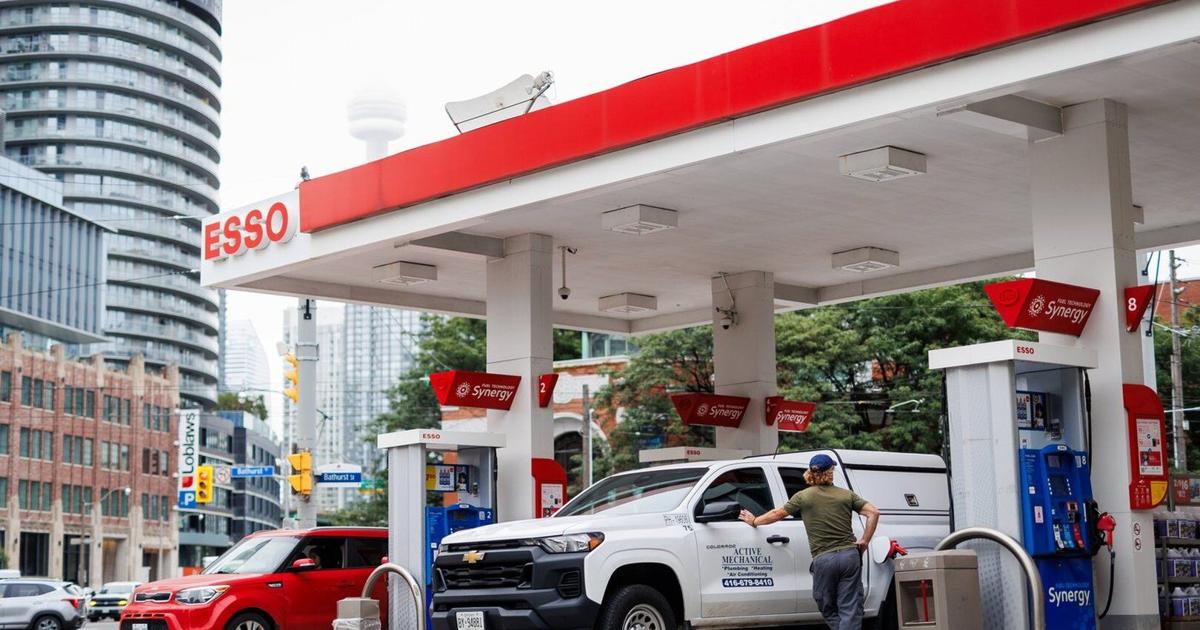
Canadian retail sales rose 0.8 percent to $75.3 billion in September, led by a 6.9 percent jump at gasoline stations and fuel vendors, Statistics Canada reported.
asserted
Canada → rise → stations
The agency’s own figures point to softer underlying demand, with sales volumes and core retail each up just 0.1 percent and an early estimate signalling a decline in October.
asserted
estimate → point → October
October already looks weaker.
asserted
October → look → ?
Statistics Canada’s early reading has sales dropping 1.5 percent that month, though the agency cautioned that the unofficial figure will be revised.
asserted
figure → have → ?
The estimate rests on replies from only 58.1 percent of the companies surveyed.
asserted
estimate → rest → companies
Over the previous 12 months, the survey’s final response rate averaged 86.6 percent.
asserted
rate → average → percent
The gap between the dollar figure and the volume figure matters because it separates what Canadians paid from what they took home.
asserted
they → matter → what
Receipts at gasoline stations climbed for a second straight month, yet the amount of fuel sold rose a far smaller 1.6 percent.
asserted
amount → climb → fuel
The agency’s release did not attribute the increase to a specific cause.
asserted
release → attribute → cause
Five of the nine retail subsectors finished the month higher.
asserted
subsectors → finish → month
Motor vehicle and parts dealers posted a 0.2 percent gain, while general merchandise retailers rose 1.5 percent and clothing and accessories stores 0.8 percent.
asserted
retailers → post → gain
Within core retail, the steepest drop came at food and beverage retailers, down 0.4 percent, where supermarkets and other grocery stores gave back 0.5 percent following a 1.0 percent increase in August.
asserted
gave → come → August
Nine provinces gain as online sales slip
Nine provinces posted higher sales.
asserted
provinces → gain → sales
Ontario’s 0.7 percent rise was the largest in dollar terms and was led by gasoline stations, with sales in the Toronto census metropolitan area up 1.0 percent.
asserted
sales → lead → area
Alberta’s sales grew 1.7 percent, also on fuel.
asserted
sales → grow → fuel
Manitoba was the only province to decline, down 1.6 percent on weaker sales at motor vehicle and parts dealers.
asserted
Manitoba → decline → dealers
Over the third quarter, retail receipts grew 1.2 percent, and measured by volume the gain was 1.0 percent.
asserted
gain → grow → volume
Online shopping moved the other way.
asserted
shopping → move → ?
E-commerce retailers took in $5.7 billion in September after seasonal adjustment, 0.2 percent less than in August.
asserted
retailers → take → August
That trimmed the online share of all retail trade to 7.5 percent from 7.6 percent a month earlier.
asserted
That → trim → percent
The Hub reports that growth in Canadian e-commerce revenue slowed to 2.8 percent in 2025, when sales reached $59.2 billion, from 27.7 percent the year before.
asserted
sales → report → percent
What fuel costs mean for households
asserted
mean → mean → households
University of Calgary economist Trevor Tombe notes that gasoline accounts for about 3 percent of household spending, and that higher fuel costs also work their way into the prices of food, transportation and other goods.
asserted
costs → note → food
Tombe estimates that a sustained 50 percent rise in oil prices would cost the typical household nearly $1,000 a year.
asserted
rise → estimate → 1,000
He argues that even though Canada gains as a major oil producer, the first effect of higher energy prices is a higher cost of living.
asserted
effect → argue → living
Ottawa suspended its 10-cent-per-litre gasoline tax until after the Labour Day long weekend, a measure Tombe calculates was worth about $65 to the average household.
asserted
Tombe → suspend → household
Alicia Planincic, whose analysis was originally published by the Business Council of Alberta, writes that high gasoline prices are eating into household incomes at a time when the economy faces trade uncertainty and elevated youth unemployment.
asserted
economy → publish → uncertainty
“A better way to put it is that Canada was already down and is now taking further hits,” Planincic argues of the broader economy.
asserted
Planincic → put → economy
She observes that policymakers have limited tools to respond.
asserted
policymakers → observe → tools
The federal deficit has reached $72 billion, the Parliamentary Budget Office puts the odds of Ottawa meeting its own fiscal target at less than 1 percent, and Planincic writes that any boost from the Bank of Canada risks reigniting inflation.
asserted
boost → reach → inflation
The September gain could be more a measure of what Canadians paid for fuel than of how much they bought.
uncertain
they → pay → much
Sales at gasoline stations rose 6.9 percent in dollar terms, but total retail volumes barely moved at 0.1 percent.
asserted
volumes → rise → percent
A confirmed October decline would suggest households are trimming other purchases, and the next release is the figure to watch.
asserted
release → confirm → purchases
The data do not settle whether households are cutting back elsewhere to cover fuel.
asserted
households → settle → fuel
Grocery sales fell in September, but general merchandise and clothing sales rose, and the release offers no breakdown by household income.
asserted
release → fall → income
Nor do the available figures show how governments or the central bank will respond.
asserted
governments → show → ?
Statistics Canada will publish October retail trade data, including a revised reading of the advance estimate, on Dec. 18.
asserted
Canada → publish → Dec.

 The Aporia