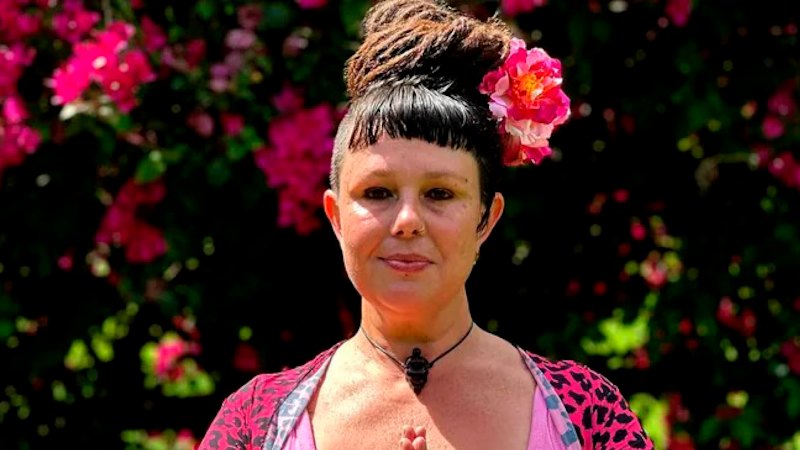
Photo via The Sydney Morning Herald

Midwives fear upcoming rule change will push more women to unqualified doulas

Read the original at The Sydney Morning Herald ↗
Cite

Rasker, R. (2026, November 20). Midwives fear upcoming rule change will push more women to unqualified doulas. The Sydney Morning Herald. https://www.smh.com.au/national/nsw/midwives-fear-upcoming-rule-change-will-push-more-women-to-unqualified-doulas-20261121-p61e4u.html?ref=rss&utm_medium=rss&utm_source=rss_feed

Dated from the outlet's own feed. Check the original for its byline.

The Sydney Morning Herald · collected 2026-11-20 · by Rachel Rasker

Quick Summary

Midwifery groups are warning that an impending regulatory change set to take effect on January 1 will likely reduce access to home births, as many midwives will be unable to afford professional indemnity insurance (PII). The rule change, which ends a 17-year exemption allowing private midwives to attend home births without PII, is expected to create a shortage of home birth midwives, pushing some women to seek unqualified doulas instead of hospital care. Maria Golushko, who had a positive home birth experience, expresses concern over the loss of this choice for future pregnancies, considering it a reproductive rights issue. The Department of Health, Disability and Ageing asserts that the new insurance scheme is intended to cover eligible midwives, though the Australian College of Midwives argues that this product is not suitable for the majority of midwives, as it only covers those with additional training.
Written by AI on 2026-11-23, from this article's own text only (the story summary below draws on all the coverage).

AI analysis

Story summary

Midwifery groups in Australia are warning that an upcoming rule change, set to take effect on January 1, will severely limit women's access to home births and push them towards potentially dangerous unqualified doulas. The rule change will end a 17-year exemption allowing private midwives to attend home births without professional indemnity insurance (PII), which midwives argue will create a shortage of home birth midwives at a time of increasing demand. Maria Golushko, a resident of Bondi, sought a home birth for continuity of care but missed out on a place in her local hospital’s Midwifery Group Practice program. She emphasized the importance of a strong, personal relationship with a midwife, stating that the bond with her private midwife was crucial for her to feel safe and supported during her son Leo's birth. The Australian College of Midwives and other health organizations are concerned that this change could lead to more women opting for unregulated and potentially risky home births.

Written for “Midwives Fear Rule Change Pushing Unqualified Doulas” on 2026-11-23, grounded in this article and the 0 other(s) covering the same event.

Compared with similar articles

This article reads leans strongly left and hedges 0% of its claims. Each row says how that neighbour differs.
ABC News (AU)
Hedges 2 of 30 claims Outlet record 66/100
“The articles describe related events but not the same specific incident: Article A discusses midwives' concerns about a rule change, while Article B reports on rallies protesting the same rule change.”

Story

Midwives Fear Rule Change Pushing Unqualified Doulas
Health · 1 article(s) covering the same event.
How this article was measured signals, leaning charts, publisher record, byline, topics and claims

Signals How these are calculated →

Claims extracted
38
sentences that state something as happening or true
Uncertain
0%
0 of 38 hedged ("reportedly", "may", "according to")
Leaning
Leans strongly left
of the writing, not the subject · beta estimate
Publisher signals
61/100
The Sydney Morning Herald's corrections and hedging, across everything collected from it. Not a measure of accuracy.
Outlets on this story
1
Health
Same framing elsewhere
1
articles that frame the event the way this one does
Analyzed 2026-11-23 · how these are computed

How this is being covered How these are calculated →

Article leaning vs. publisher reliability
Source leaning vs. consistency

Publisher

The Sydney Morning Herald · 8013 article(s) · 19 correction(s) detected
Running correction rate · 19 correction(s)

Who wrote this

Rachel Rasker
21 article(s) here · 1 carrying a prediction
Midwifery groups have slammed an upcoming rule change, which they say will severely reduce women’s access to home births and push them towards potentially dangerous free births outside the medical system.
Millions of Australians are expected to use GLP-1s in the coming years, with the drugs boasting powerful health effects including significant weight loss, improved blood glucose control and other metabolic health benefits. However, experts have warned there is a lack of research into the wider effects of the medications, including the risk of malnutrition, which can cause serious health concerns but go unnoticed as symptoms of nutrient deficiency mimic the side effects of GLP-1s, including fatigue, nausea, diarrhoea and constipation.
The NSW Coroner’s Court on Wednesday was told the parents of the newborn, known as Baby DH, saw signs that “something was seriously wrong” from the first minutes of his life and would have called Triple Zero “almost straight away” if their doula Amy Lou Smith had not been with them.
A Byron doula did not know a woman was carrying twins and could only sense or feel that she was pregnant with one child after “constant mapping” of the mother, a coronial inquest has heard.
As opposed to a planned midwife-led homebirth, a free birth mother may be alone, with a partner or unaccredited support person such as a doula or birth keeper.
This will implement around-the-clock security at 27 hospitals.
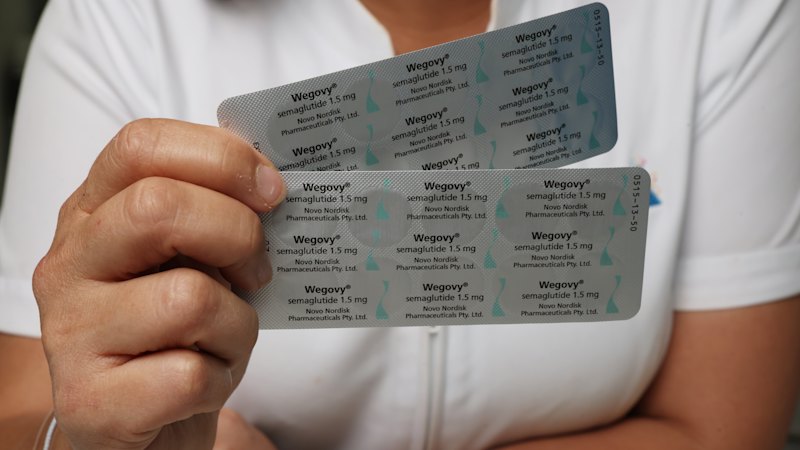
A GLP-1 weight-loss tablet has been approved in Australia for the first time, expected to lead to a surge in demand for the sought-after peptide that could hit the market by the end of this year.
Senior doctors at a NSW hospital have demanded the government intervene before an imminent takeover by a Catholic provider they fear will lead to widespread service cuts for expectant mothers and cancer patients.
“Gradually [the writing] will come off, symbolising letting go of your worries.”
About $600 million a year would be needed to fix the state’s shortfall of frontline public mental health staff, a confidential ministerial briefing note says, a figure NSW Health warned could cause reputational damage to the Minns government if revealed.
Also by Rachel Rasker
First GLP-1 pills for weight loss go on sale in Australia
2026-11-19 · The Sydney Morning Herald
Nothing else under this byline is closely related to this article, so these are simply their most recent.
All 21 articles by Rachel Rasker →

Topics

Australia Australian Australian College of Midwives Bondi the Department of Health, Disability and Ageing

Subjects

Katelyn Commerford PERSON · 2× Australia GPE · 1× Australian NORP · 1× Australian College of Midwives ORG · 1× Bondi GPE · 1× Golushko PERSON · 1× Kelley Lennon PERSON · 1× Leo PERSON · 1× Maria Golushko PERSON · 1× the Department of Health, Disability and Ageing ORG · 1×

Narrative

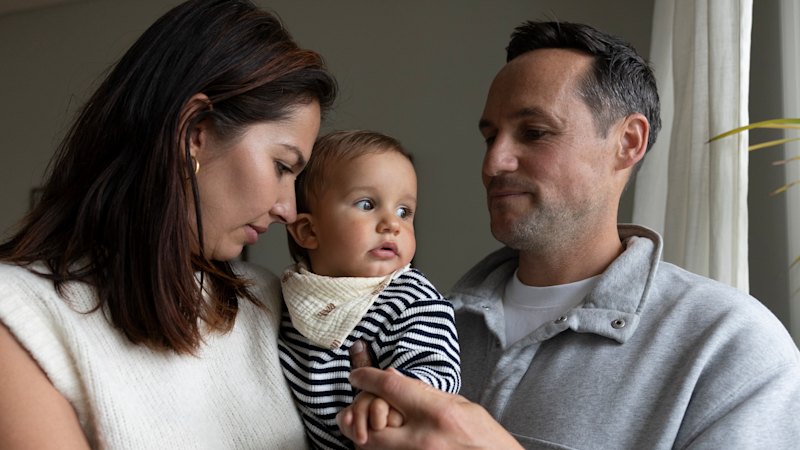
Maria Golushko sought a home birth for continuity of care during her pregnancy after she missed out on a place in her local hospital’s Midwifery Group Practice program, in which a midwife cares for an expectant mother throughout her pregnancy, labour, birth and the early weeks at home.
framing: assertive · carried by 1 article(s) · first seen 2026-11-23
Midwifery groups have slammed an upcoming rule change, which they say will severely reduce women’s access to home births and push them towards potentially dangerous free births outside the medical system.
2026-11-23 · The Sydney Morning Herald
Midwives fear upcoming rule change will push more women to unqualified doulas · assertive framing

Claims (38 extracted, 0 hedged)

Midwifery groups have slammed an upcoming rule change, which they say will severely reduce women’s access to home births and push them towards potentially dangerous free births outside the medical system. asserted
they → slam → system
The warning comes ahead of the January 1 expiry of the 17-year exemption that allowed private midwives to attend home births without professional indemnity insurance (PII). asserted
midwives → come → insurance
The sector has cautioned that the regulatory change will lead to a widespread shortage of home birth midwives at a time when demand is surging, with some birthing mothers more likely to turn to unqualified doulas than to hospital care. asserted
mothers → caution → care
Maria Golushko sought a home birth for continuity of care during her pregnancy after she missed out on a place in her local hospital’s Midwifery Group Practice program, in which a midwife cares for an expectant mother throughout her pregnancy, labour, birth and the early weeks at home. asserted
midwife → seek → home
“You need a deep, personal relationship with someone you can trust to feel fully safe: it’s not a relationship with a dentist,” she said. asserted
she → need → dentist
Golushko said the relationship she built with her private midwife became so strong that the birth of her son, Leo, in her Bondi apartment, became a transformational, stress-free experience. asserted
birth → say → apartment
“It has become the most empowering thing that I’ve ever gone through,” she said, and was frustrated at the prospect of losing that choice for future pregnancies. asserted
she → become → pregnancies
“If elective caesarean was under threat of being taken away, I would be [just] as appalled,” she said. asserted
she → take → threat
“I see this as a reproductive rights issue.” asserted
I → see → issue
Home births in Australia require two midwives, often referred to as a primary and secondary midwife. asserted
births → require → midwife
Many secondary midwives work in hospitals and attend private home births sporadically on their days off. asserted
midwives → work → days
A spokesperson for the Department of Health, Disability and Ageing said all health practitioners were required to hold PII, and that home birth midwives only had an exemption as there was no suitable product available. asserted
midwives → say → exemption
The spokesperson said the Australian government addressed the gap last year by expanding an insurance scheme to cover eligible midwives. asserted
government → say → midwives
But Australian College of Midwives chief midwife Kelley Lennon said this product was “not fit for purpose” because only endorsed midwives, who make up just five per cent of the workforce, were eligible. asserted
who → say → workforce
Endorsement requires additional training but allows midwives to access Medicare benefits, prescribe medications and order diagnostic tests. asserted
midwives → require → tests
It is not mandatory to provide home birth care. asserted
It → provide → care
“The vast majority of midwives will be unable to access insurance and therefore unable to provide home birth care, despite being appropriately qualified,” Lennon said. asserted
Lennon → access → care
“This profession is not asking for special treatment. asserted
profession → ask → treatment
We are asking for a workable insurance product that reflects contemporary midwifery practice, supports informed choice, and protects access to safe, evidence-based maternity care.” asserted
that → ask → care
In metro areas, primary midwives will have to second for each other, which will mean reducing their caseloads and increasing their prices, Homebirth Australia co-ordinator Katelyn Commerford said. asserted
Commerford → have → prices
“In regional and rural areas, we’re wiping it out entirely as an option for many women,” Commerford said. asserted
Commerford → wipe → women
“The government can tell us this is about safety as much as they want but … this is not going to result in safer care. asserted
this → tell → care
This week, the deputy coroner heard of four deaths within the Northern Rivers region, a hotspot for the small but growing trend of “free births” or “sovereign births”, outside of the medical system. asserted
coroner → hear → system
The Lismore inquest was told of birthing mothers who turned away from doctors and midwives and instead placed their trust in unqualified doulas and birth keepers such as Sita Kali, who was involved in the birth of two of the babies who died. asserted
who → tell → babies
Kali cut the umbilical cord of one newborn without first clamping it, the court heard, with the resulting blood loss potentially fatal for a small baby. asserted
loss → cut → baby
Another case involved a mother who had a “very strong desire” to home birth but was unable to access her local hospital’s program. asserted
who → involve → program
When her baby displayed signs of laboured breathing, Kali told the mother that holding him close to her chest would help, the inquest heard. asserted
inquest → display → chest
The baby lived for less than 24 hours. asserted
baby → live → hours
Commerford said a Homebirth Australia survey of over 600 consumers who were planning or considering a home birth found close to 60 per cent would consider free birth if home birth was not an option. asserted
birth → say → birth
More than one in three (35 per cent) said free birth would most likely be their only choice. asserted
birth → say → ?
“The government can tell us this is about safety as much as they want, but we’ve really clearly expressed to them that this is not going to result in safer care,” Commerford said. asserted
Commerford → tell → care
A spokesperson for the Nursing and Midwifery Board of Australia said PII protects the public from financial and safety risks resulting from a negligent act, error or omission in a practitioner’s conduct. asserted
PII → say → conduct
The board is currently reviewing registration standards for endorsed midwives, the spokesperson said, including the current requirement of 5000 clinical hours. asserted
spokesperson → review → hours
Jo Hunter, an endorsed midwife who has delivered about 850 babies at home, said she doesn’t know what she’ll do if the regulations go through. asserted
regulations → endorse → what
Her services are booked out until July 2027. asserted
services → book → July
Hunter has a pool of secondary midwives whom she rotates based on availability. asserted
she → have → availability
With some of them only attending a few home births a year, paying thousands of dollars annually for insurance won’t be worth it, and she fears they will leave the sector. asserted
they → attend → sector
Rallies on the issue were planned across the country on Saturday, with more than 11,000 people registered to attend. asserted
people → plan → Saturday

Give feedback · no sign-in needed

No sign-in needed for now. Your note is sent without a name, so it cannot be answered.

History Support