In short:
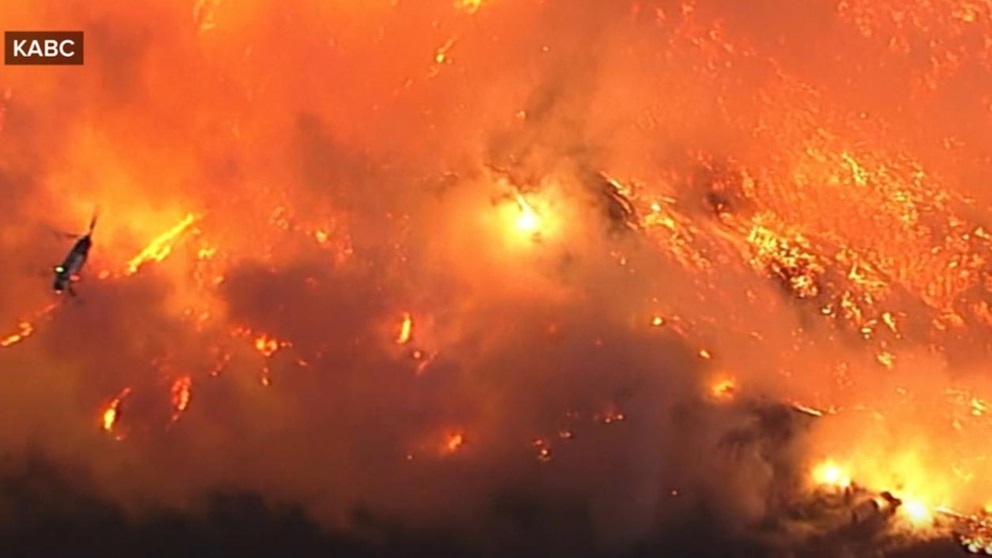
Jonathan Rinderknecht has been convicted of lighting the 2025 Palisades Fire in Los Angeles, California.
asserted
Rinderknecht → convict → Angeles
The fire killed 12 people and devastated neighbourhoods in LA and Malibu.
asserted
fire → kill → LA
This conviction came as part of the Rinderknecht's second trial, after the first case against him ended in a deadlocked jury.
asserted
case → come → jury
The man accused of sparking last year's deadly Palisades Fire has been found guilty of arson charges after his first federal case earlier this year ended in a mistrial.
asserted
case → accuse → mistrial
Jurors convicted Jonathan Rinderknecht, 30, of lighting a fire on January 1, 2025, that burned undetected deep in root systems before flaring back up January 7, becoming one of the most destructive wildfires in California history.
asserted
that → convict → history
The Palisades Fire killed 12 people as it incinerated entire neighbourhoods in Los Angeles and Malibu.
asserted
it → kill → Angeles
Rinderknecht pleaded not guilty to federal charges of destruction of property by means of fire and arson.
asserted
Rinderknecht → plead → fire
The scope of the first charge was narrowed to only include the January 1 blaze, known as the Lachman Fire, and the second addresses the Palisades Fire.
asserted
second → narrow → Fire
He was convicted on both charges.
asserted
He → convict → charges
Prosecutors continued to pursue the case after Rinderknecht's first jury deadlocked 10 to two in favour of acquittal after a two-week trial in June.
asserted
jury → continue → June
They dropped a third charge of timber set afire when they filed a new indictment for the retrial.
asserted
they → drop → retrial
During the second trial, prosecutors presented a more tightly organised case that included digital forensic data, expert testimony and Rinderknecht's state of mind in the hours leading up to the fire.
asserted
that → present → fire
They did not focus as much on his resentment toward the rich and powerful to present the crime as arson motivated by "societal revenge", as they previously did.
asserted
they → focus → revenge
Prosecutors zeroed in on evidence placing him at the fire's origin area, such as photographs that showed his car parked at the base of a trail leading up to where the fire started and mobile phone tower data pointing to his movement on the hill.
asserted
fire → zero → hill
Fire detection camera images showed the time window the blaze ignited, and experts eliminated any other source of ignition that night, including fireworks.
asserted
experts → show → fireworks
They established that Rinderknecht was acting erratic and angry in the hours leading up to the fire, through the testimony of Uber passengers and texts sent to his girlfriend at the time.
asserted
Rinderknecht → establish → time
"He was mad at everything, and frustrated," said assistant US attorney Mark Williams.
asserted
Williams → say → everything
After the fire began, Rinderknecht called 911 more than a dozen times as he walked down the hill.
asserted
he → begin → hill
Prosecutors presented the video he screen-recorded on his phone while calling.
asserted
he → present → phone
As he was calling, he asked ChatGPT: "Are you at fault if a fire is lit because of your cigarettes?"
asserted
fire → call → cigarettes
These were part of an alibi Rinderknecht was trying to create for himself, prosecutors said.
asserted
prosecutors → try → himself
They also presented extensive testimony on how fire investigators determined the Palisades Fire was a holdover fire from the initial blaze Rinderknecht sparked.
asserted
Rinderknecht → present → blaze
Jurors were instructed not to consider the Los Angeles Fire Department's role in putting out the fire.
asserted
Jurors → instruct → fire
Rinderknecht's defence attorney, Steve Haney, cast doubt on the government's case and said their evidence proved nothing.
Mr Haney said the fire scene could have been compromised because the area was accessible to the public until the Palisades Fire started on January 7.
uncertain
Fire → cast → January
"Six days of anyone and everyone walking across the spot the government now calls a crime scene," he said.
asserted
he → walk → spot
The defence called their own expert witnesses, including a retired fire investigator for the US Forest Service, who argued the fire origin area was different from what the government concluded.
asserted
government → call → what
Mr Haney argued the government could not conclusively say there was no-one else by the fire ignition point that night because of missing mobile data records, and pointed to a neighbour's testimony that he saw a group of teenagers running away from the direction of the trail head.
uncertain
group → argue → head
He told jurors to disregard any evidence related to Rinderknecht's character, such as his angry text messages, because they were "evidence of the man, not evidence of the act".
asserted
they → tell → act
Finally, Mr Haney presented an alternate explanation for what ignited the fire: fireworks.
asserted
what → present → fire
Multiple witnesses, including two neighbours and a local firefighter, all said they heard a loud bang or explosion from the direction of the hill the fire purportedly started on.
In the thousands of images of the evening collected from cameras in the area, none showed fireworks in the sky above the hill where the fire started, prosecutors said.
asserted
prosecutors → include → hill

 The Aporia