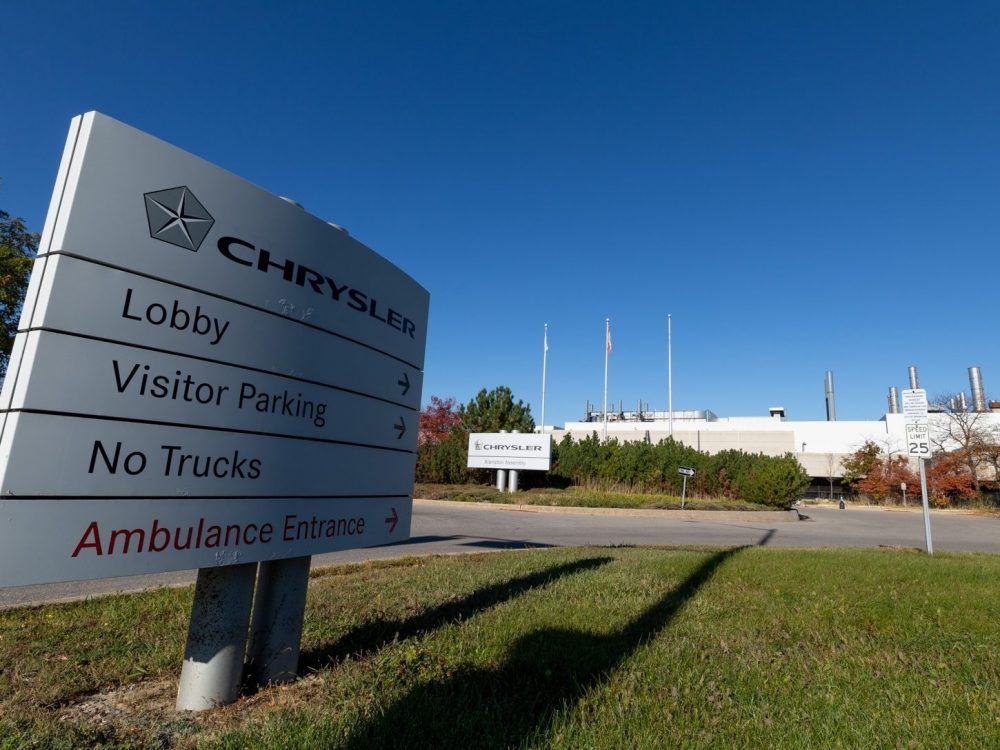
For the roughly 3,000 Unifor members laid off since Stellantis idled its Brampton assembly plant in December 2023, the automaker’s announcement that it is selling the facility to armoured-vehicle manufacturer Roshel is a gut punch.
asserted
it → lay → Roshel
After years of promises that the plant would be retooled for a new model, frustration that Stellantis is abandoning the plant and its workers is entirely justified.
asserted
Stellantis → retool → plant
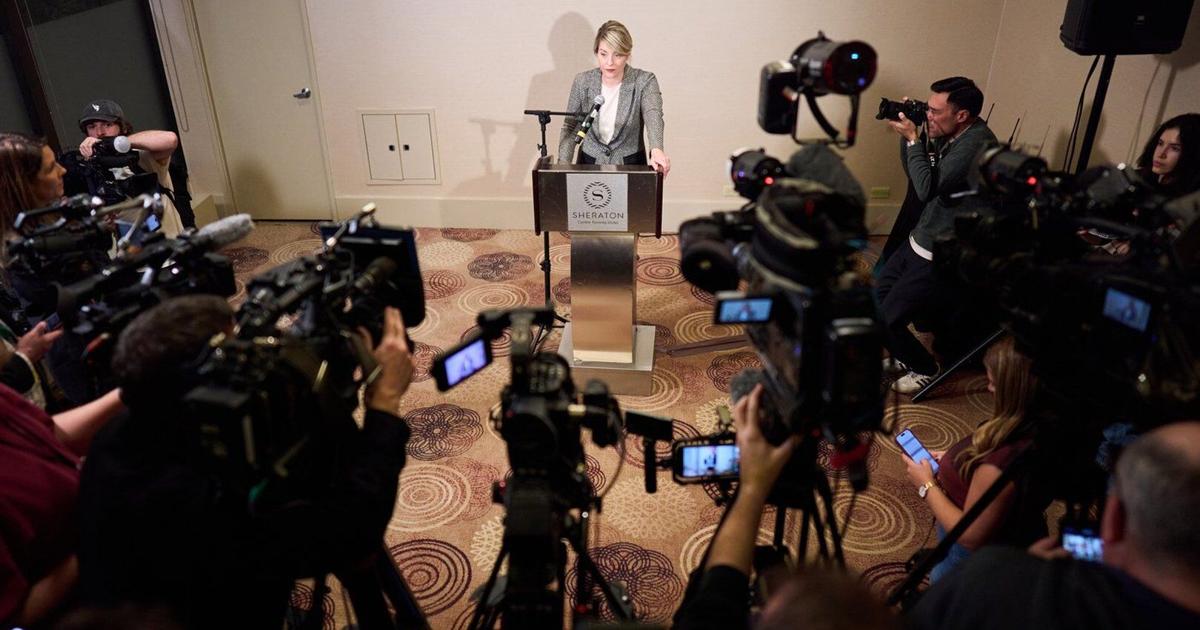
Prime Minister Mark Carney called the sale a “betrayal,” and he and Industry Minister Mélanie Joly have vowed to hold Stellantis to the employment commitments it made when it accepted federal funding in 2022.
asserted
it → call → 2022
How much force those commitments carry is unclear.
uncertain
carry → carry → force
According to the Globe and Mail, the redacted funding agreement lets the company stop operating the plant if levies, adverse market conditions or other factors have a “material impact” on its economic viability.
uncertain
levies → accord → viability
It is hard to see how a trade war with your main customer wouldn’t qualify.
asserted
war → see → customer
Stellantis says it plans to sell its Brampton plant to armoured vehicle maker Roshel.
asserted
it → say → Roshel
It’s unclear what will happen to roughly 2,000 workers if it
Stellantis says it plans to sell its Brampton plant to armoured vehicle maker Roshel.
uncertain
it → ’ → Roshel
It’s unclear what will happen to roughly 2,000 workers if it
These reactions from the government might play well politically, but as industrial policy they are counterproductive.
uncertain
they → ’ → policy
By trying to force an automaker to prop up an unprofitable venture in perpetuity, Ottawa is sending a chilling message to every potential investor watching from the sidelines: if you build a factory in Canada and market conditions change, the government will not let you leave.
asserted
you → try → Canada
A central lesson of macroeconomic labour research is that high “exit costs” —penalties, lawsuits, and regulatory roadblocks that hinder companies from downsizing or shuttering factories — actually reduce overall employment.
asserted
that → hinder → employment
When a manufacturer evaluates where to build its next assembly line, it considers not only construction costs, but also the cost of pivoting if consumer demand shifts, competitors innovate, or a key export market launches a misguided trade war.
asserted
market → evaluate → war
The costlier it is to exit when conditions sour, the less attractive it is to build in the first place.
asserted
it → exit → place
A useful aphorism is that firing costs are hiring costs.
asserted
costs → fire → costs
Canada’s addiction to letting bureaucrats hand-pick projects for “bespoke” subsidies exacerbates this problem.
asserted
bureaucrats → let → problem
The Parliamentary Budget Officer estimated in 2024 that federal and provincial support for EV supply-chain projects announced from 2020 to that point could reach $52.5 billion.
uncertain
support → estimate → billion
Examples include promises of up to $15 billion in production subsidies for the Stellantis-LG battery plant in Windsor and roughly $13 billion for Volkswagen’s battery plant in St. Thomas.
asserted
Examples → include → Thomas
When politicians stake their personal credibility on specific subsidized projects, they fall prey to the sunk-cost fallacy.
asserted
they → stake → fallacy
Some ventures inevitably fail, and fighting to prop them up traps capital and labour that could be used more productively elsewhere.
uncertain
that → fail → capital
After threatening to sue Stellantis for leaving, Joly now says Ottawa is offering the company an “aggressive package” to stay.
asserted
Ottawa → threaten → package
This is a classic example of sunk costs in action: the government that has staked its credibility (not to mention a great deal of taxpayer money) on the plant and would rather double down than admit its initial bet failed.
asserted
bet → sink → plant
Ottawa appears to be doubling down not just on Brampton, but its entire auto-sector strategy.
asserted
Ottawa → appear → Brampton
On Friday, Joly and Ontario Premier Doug Ford announced roughly $760 million in federal and provincial funding for Ford’s Oakville truck plant.
asserted
Joly → announce → plant
(That money replaces an earlier pledge of $590 million to convert the same plant to produce electric vehicles, a plan the company abandoned due to lack of demand.)
asserted
company → replace → demand
Reports indicate that the deal’s proposed terms require Ford to keep operating the plant until 2038 — the same way the Stellantis agreement was structured.
asserted
agreement → indicate → 2038
If conditions in the truck market deteriorate before then, we should expect even more threats, and also even more handouts.
asserted
we → deteriorate → handouts
Manufacturing is the epicentre of this problem, but it touches all sectors of the economy.
asserted
it → touch → economy
Ottawa recently announced plans to invest up to $1.6 billion for an ownership stake in Toronto-based AI company Cohere.
asserted
Ottawa → announce → Cohere
As promising as the company looks today, the AI industry is changing rapidly and its eventual winners are far from settled.
asserted
winners → look → ?
If Cohere’s business model proves unviable, Ottawa must be willing to accept losses rather than committing even more public money to defend its original bet.
asserted
Ottawa → prove → bet
Government ownership could also discourage Canadian challengers if they expect Ottawa to favour a company whose success it now has a financial stake in.
uncertain
it → discourage → stake
The signal sent by the Brampton fiasco to the investment community is not a new one.
asserted
signal → send → community
Last year, Doug Ford sent a similar message when he threatened to pull Crown Royal off LCBO shelves after its parent company, Diageo, announced plans to shutter an Ontario bottling plant.
asserted
company → send → plant
In fact, Canadian policymakers have been sending this signal since long before the current trade conflict with the United States began.
asserted
conflict → send → States
When the 2008 financial crisis cratered steel demand, Ottawa sued U.S. Steel for reducing employment at its Hamilton mills below pre-recession levels.
asserted
Ottawa → cratere → levels
A few years later, Quebec and Manitoba took Air Canada to court to enforce decades-old quotas for maintenance workers in Montreal and Winnipeg.
asserted
Quebec → take → Montreal
That trade conflict, as unjustified as it may be, makes addressing our reputation for holding investors hostage even more urgent.
uncertain
addressing → make → investors
Historically, unfettered access to the American market was one of Canada’s key sources of comparative advantage; with that access in doubt, we are a less attractive investment destination than we used to be.
asserted
we → use → doubt
Now that manufacturers must price in American tariff risk before building here, we can no longer afford to tell them they might not be allowed to unwind investments that don’t work out.
uncertain
that → price → investments
Standing up for Brampton autoworkers does not mean chaining them to a company that no longer has a viable product for their plant.
asserted
that → stand → plant
…and 9 more, not listed.
 The Aporia