Photo via The Sydney Morning Herald

Jet aborts take-off in near miss with ute on Melbourne Airport runway

Read the original at The Sydney Morning Herald ↗
Cite

Zappone, C. (2026, November 23). Jet aborts take-off in near miss with ute on Melbourne Airport runway. The Sydney Morning Herald. https://www.smh.com.au/business/companies/jet-aborts-take-off-in-near-miss-with-ute-on-melbourne-airport-runway-20261123-p61gft.html?ref=rss&utm_medium=rss&utm_source=rss_feed

Dated from the outlet's own feed. Check the original for its byline.

The Sydney Morning Herald · collected 2026-11-23 · by Chris Zappone

Quick Summary

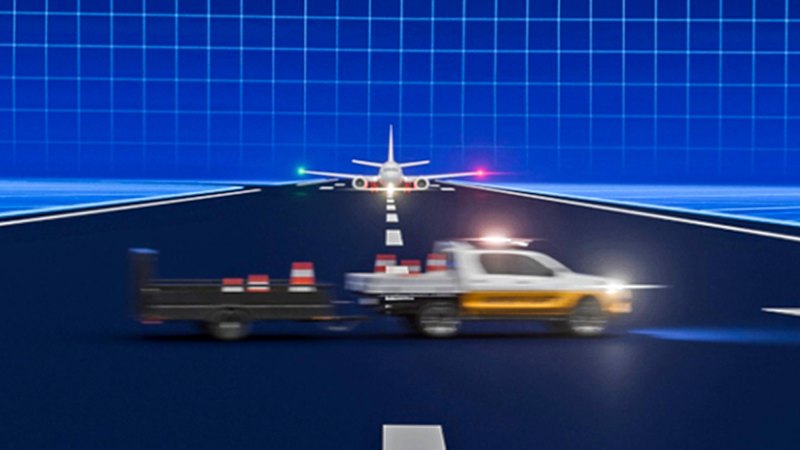
A 737 freighter plane operated by Team Global Express nearly collided with an airport safety vehicle on Melbourne Tullamarine Airport's runway 34 early on February 17. The incident occurred when a safety vehicle, without air traffic control clearance, entered runway 34 while removing lights and cones from a closed runway nearby. The plane was instructed to stop immediately by air traffic control, and the vehicle exited the runway. The pilot conducted a high-speed rejected take-off at 257 km/h, just below the decision speed of 261 km/h, avoiding a collision. The Australian Transport Safety Bureau classified the event as a serious incident due to the safety officer's misidentification of their position on the runway.
Written by AI on 2026-11-23, from this article's own text only (the story summary below draws on all the coverage).

AI analysis

Story summary

A Boeing 737 freighter operated by Team Global Express nearly collided with an airport safety vehicle on the runway at Melbourne Tullamarine Airport early on February 17, 2026. The incident occurred when safety officers, who were removing lights and cones from a closed runway, inadvertently entered the active runway without clearance. The plane was at “decision speed” when the vehicle was detected, prompting an immediate abort of the take-off. The Australian Transport Safety Bureau classified the incident as a "serious incident." The electronic surveillance system triggered a warning to the air traffic control tower, and the controller instructed the vehicle to vacate the runway and the flight crew to stop the take-off. The aircraft's brakes required approximately 48 minutes to cool before it could be inspected and cleared for further service.

Written for “Jet Near Miss at Melbourne Airport” on 2026-11-23, grounded in this article and the 0 other(s) covering the same event.

Compared with similar articles

Nothing to compare against. No article is close enough to this one for the pipeline to have linked or judged the pair.

Story

Jet Near Miss at Melbourne Airport
Technology · 1 article(s) covering the same event.
How this article was measured signals, leaning charts, publisher record, byline, topics and claims

Signals How these are calculated →

Claims extracted
27
sentences that state something as happening or true
Uncertain
7%
2 of 27 hedged ("reportedly", "may", "according to")
Leaning
not political
takes no side on a contested political question
Publisher signals
61/100
The Sydney Morning Herald's corrections and hedging, across everything collected from it. Not a measure of accuracy.
Outlets on this story
1
Technology
Same framing elsewhere
1
articles that frame the event the way this one does
Analyzed 2026-11-23 · how these are computed

How this is being covered How these are calculated →

Article leaning vs. publisher reliability
Source leaning vs. consistency

Publisher

The Sydney Morning Herald · 8013 article(s) · 19 correction(s) detected
Running correction rate · 19 correction(s)

Who wrote this

Chris Zappone
24 article(s) here · 1 carrying a prediction
Because of the high-speed rejected take-off, the brakes required “about 48 minutes to naturally cool, before a visual inspection could be performed and the aircraft was cleared back into service”.
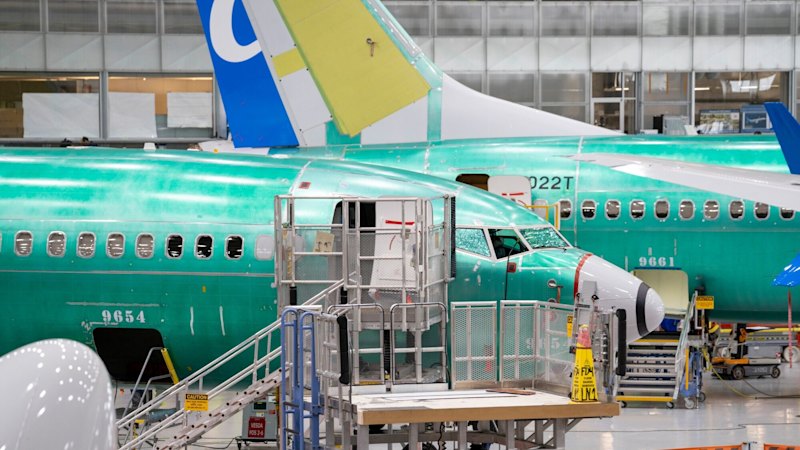
But its journey back to the top will depend on how things operate on its factory floor – now and far into the future.
We will provide immediate updates as we have them.”
Describing the outsourcing move as “part of the business model for Qantas for some time,” Transport Minister Catherine King said: “I think that we saw the last time that it engaged in this sort of level of outsourcing during COVID, that it did a significant amount of damage to its social license.” Qantas said on Tuesday it will eliminate 850 local jobs, and send them to professional services firm Accenture, to “modernise its back-end systems, processes and data”, with back office functions “mostly” shifted to India.
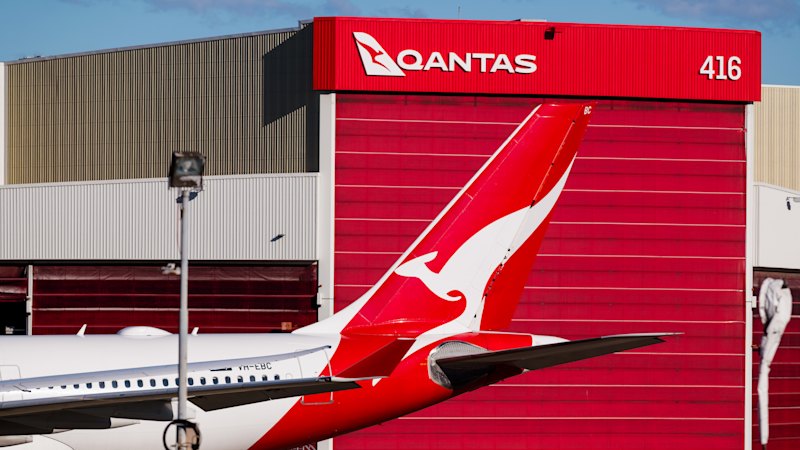
Qantas will cut 850 local jobs after inking a deal with professional services firm Accenture to “modernise its back-end systems, processes and data”.
“Routes that may have been marginal, for some time that have been subsidised by more profitable routes, are really being examined closely and capacity reduced on some of those routes.
It marks the start of the airline’s travel to WSI, where it will fly three times weekly from Auckland.
The first commercial flight from Australia’s newest international airport will take off this morning from Western Sydney International, bound for the Gold Coast.
Once Western Sydney International Airport opens on Sunday, the true strength of demand for flights from Australia’s newest airport will start to show.
In the latest case, the business and property division of Britain’s High Court heard how VietJet has resisted paying, and even halted flights of aircraft to Singapore where they would have been seized under court orders.
Also by Chris Zappone
Qantas to cut 850 local jobs as it shifts roles to India
2026-11-09 · The Sydney Morning Herald
Nothing else under this byline is closely related to this article, so these are simply their most recent.
All 24 articles by Chris Zappone →

Topics

737 ATSB Boeing Melbourne Team Global Express

Subjects

ATSB ORG · 4× Melbourne GPE · 2× Angus Mitchell PERSON · 1× Boeing ORG · 1× Team Global Express ORG · 1× the Australian Transport Safety Bureau ORG · 1×

Narrative

As the plane approached, a runway occupied alert was generated by the electronic surveillance system, which warned Melbourne’s air traffic control tower that a vehicle was on the runway. “Looking out from the tower, the controller detected [the car] on the runway and immediately instructed the vehicle to vacate the runway and, at 4.45am, instructed the flight crew of the 737 to ‘stop immediately’,” said the report from the ATSB.
framing: assertive · carried by 1 article(s) · first seen 2026-11-23
Because of the high-speed rejected take-off, the brakes required “about 48 minutes to naturally cool, before a visual inspection could be performed and the aircraft was cleared back into service”.
2026-11-23 · The Sydney Morning Herald
Jet aborts take-off in near miss with ute on Melbourne Airport runway · assertive framing

Claims (27 extracted, 2 hedged)

A 737 plane nearly collided with an airport safety vehicle in Melbourne causing the jet to abort its take off seconds before reaching “decision speed” in an incident considered “serious” by the aviation safety regulator. asserted
jet → collide → regulator
The freighter operating for Team Global Express was taking off from runway 34 at Melbourne Tullamarine Airport in the early hours of February 17 when the event occurred. asserted
event → operate → February
At the same moment, safety officers were removing lights and cones from a closed runway, 9/27, which crossed over runway 34, as part of works being done on the runways. asserted
which → remove → runways
As the Boeing 737 began its take-off run, the vehicle inadvertently entered the active runway without air traffic control clearance. asserted
vehicle → begin → clearance
The incident, which the Australian Transport Safety Bureau has classed as a “serious incident”, occurred about 4.45am. asserted
Bureau → class → incident
As the plane approached, a runway occupied alert was generated by the electronic surveillance system, which warned Melbourne’s air traffic control tower that a vehicle was on the runway. “Looking out from the tower, the controller detected [the car] on the runway and immediately instructed the vehicle to vacate the runway and, at 4.45am, instructed the flight crew of the 737 to ‘stop immediately’,” said the report from the ATSB. asserted
report → approach → ATSB
The vehicle, a car with a trailer attached, responded by accelerating and exiting the runway, with the driver reporting seeing the aircraft’s lights as they crossed the intersection, with the on-coming plane about 412 metres away at that moment. asserted
plane → attach → moment
The pilot of the 737 reported seeing the vehicle at the same time as receiving the instruction from traffic control and the crew conducted a high-speed rejected take-off at 257km/h, just below the calculated “decision speed” for the flight of 261km/h. asserted
crew → report → km/h
“Decision speed” is the critical point during a take-off when pilots must commit either to stopping the aircraft on the runway or continuing the take-off. asserted
pilots → commit → off
During a “rejected take-off”, pilots reduce thrust to idle, apply maximum brakes on wheels, deploy spoilers and speed brakes on the plane and wings, and use reverse thrusters on engines. asserted
pilots → reject → engines
The pilot later estimated that the plane had passed the runway intersection at between 129km/h and 148km/h. asserted
plane → estimate → km/h
In the investigation, the ATSB found the safety officer driving the airport safety vehicle “misidentified their position while collecting works lights and markers on the closed runway”. asserted
officer → find → runway
The driver had said the darkness, numerous lines of red lights, the absence of centre line lighting on the closed runway and a lack of knowledge about the partial closure of the taxiway conspired to create confusion, according to the report. uncertain
darkness → say → report
“The airside safety officer was experienced in night-time maintenance works, but was operating in a complex airside environment in the dark,” said ATSB Chief Commissioner Angus Mitchell. asserted
Mitchell → experience → dark
“The positioning of unserviceability lights had changed when the works plan progressed the night prior to the occurrence, and the pre-shift briefing did not include the required review of the local works plan. asserted
briefing → change → plan
“Consequently, the airside safety officer had an incomplete understanding of the revised works.” asserted
officer → have → works
The report said visual cues had not sufficiently distinguished the active runway intersection from other crossings within the works, resulting in the vehicle entering the active runway without clearance. asserted
vehicle → say → clearance
The safety officer driving the vehicle later reported they had not slept well the night before the incident thanks, in part, to fireworks going off near their home. asserted
they → drive → home
“Research has shown that alertness and vigilance appear to be the cognitive capacities most consistently impacted by insufficient sleep,” the ATSB reports. asserted
ATSB → show → sleep
After the aborted take-off, the two-person flight crew brought the plane to the parking bay and requested the airport fire and rescue crew inspect the landing gear to ensure tyres remained intact, and the brakes didn’t show signs of fire or excessive heat. asserted
brakes → abort → fire
Because of the high-speed rejected take-off, the brakes required “about 48 minutes to naturally cool, before a visual inspection could be performed and the aircraft was cleared back into service”. uncertain
aircraft → reject → service
Given that there had been some confusion with the use of orange cones used to delineate runway closures, the airport said it would buy and use yellow cones to more clearly identify entry points to an active runway from a closed runway. asserted
it → give → runway
“Safety is the No.1 priority at Melbourne Airport,” an airport spokesperson said. asserted
spokesperson → say → Airport
Immediately after the February event, the airport conducted an internal investigation that confirmed the runway closure was compliant with CASA standards. asserted
closure → conduct → standards
“Melbourne Airport has since taken proactive steps to further improve airfield procedures and protocols,” the spokesperson said. asserted
spokesperson → take → procedures
“The airport also identified opportunities to strengthen safety controls with improved aides at runway intersections, providing better visual distinction and physical barriers at active runway entry points during works.” asserted
airport → identify → works
The near miss in Melbourne comes after four ground incidents at Sydney Airport raised concerns about safety for air traffic control. asserted
incidents → come → control

Give feedback · no sign-in needed

No sign-in needed for now. Your note is sent without a name, so it cannot be answered.

History Support