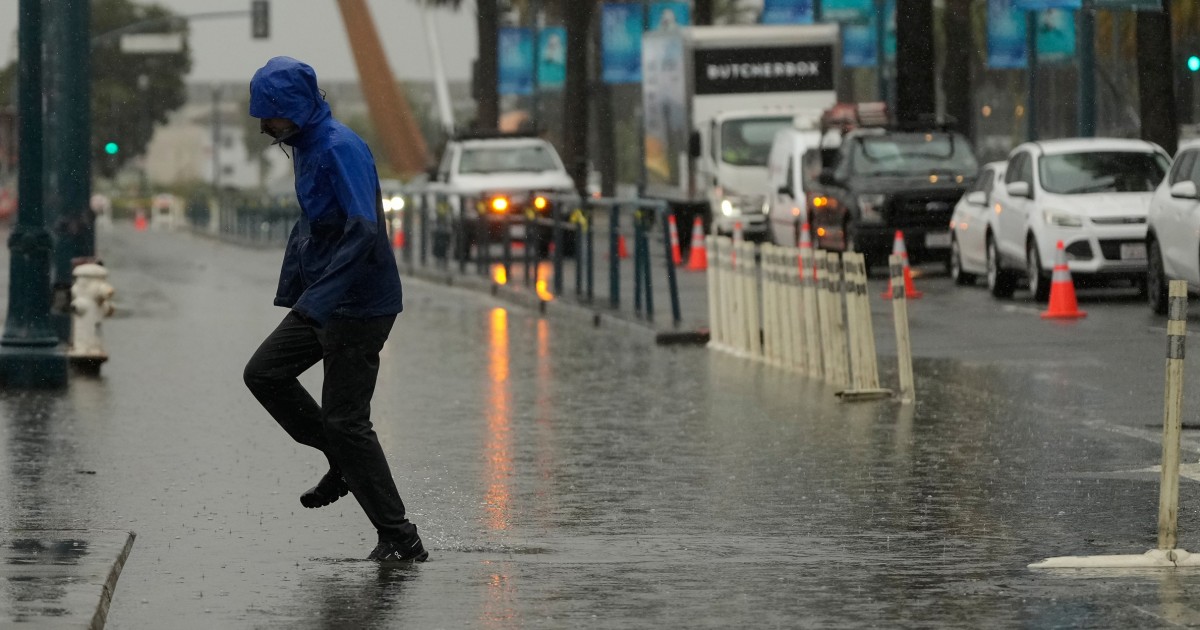
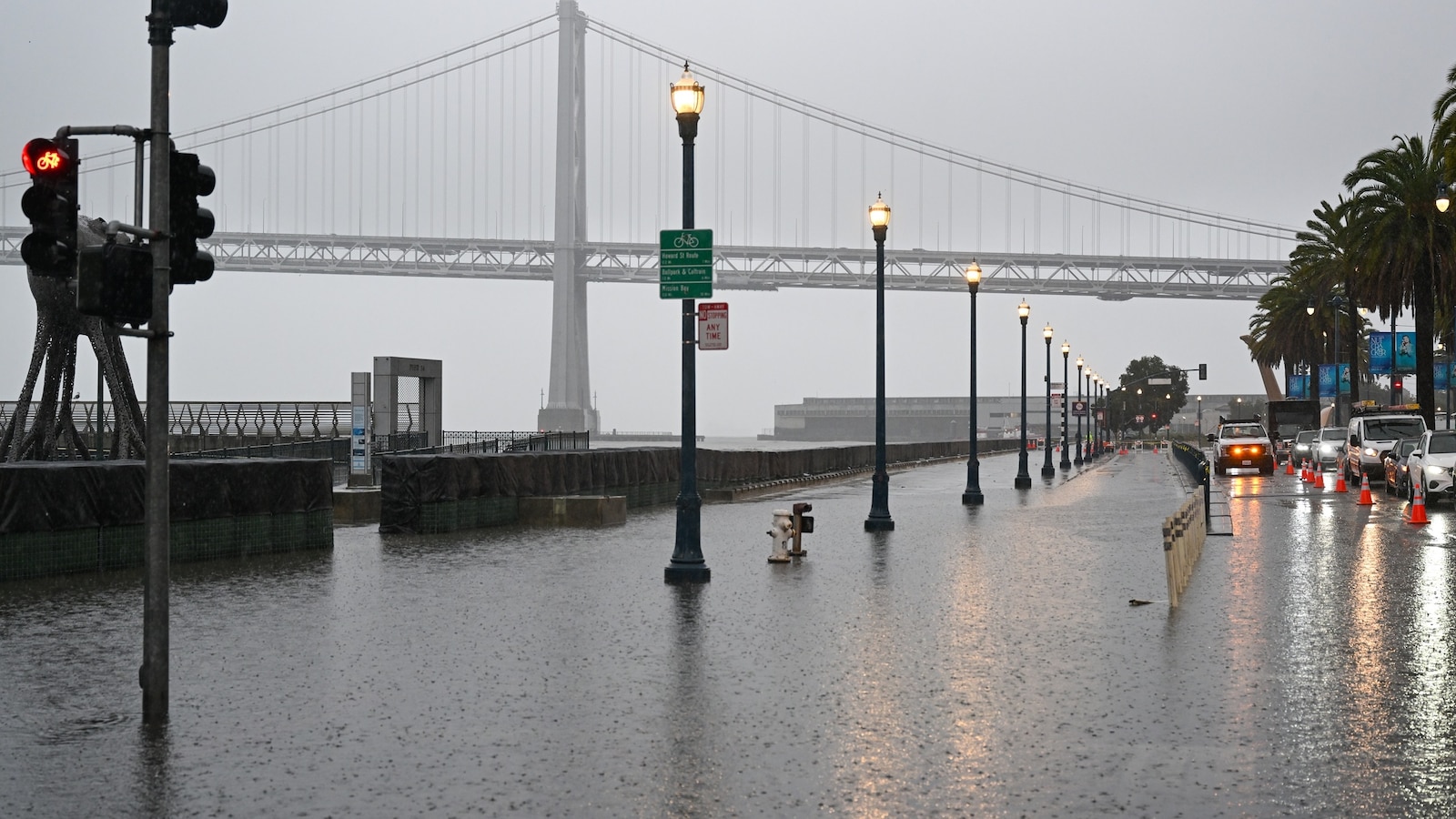
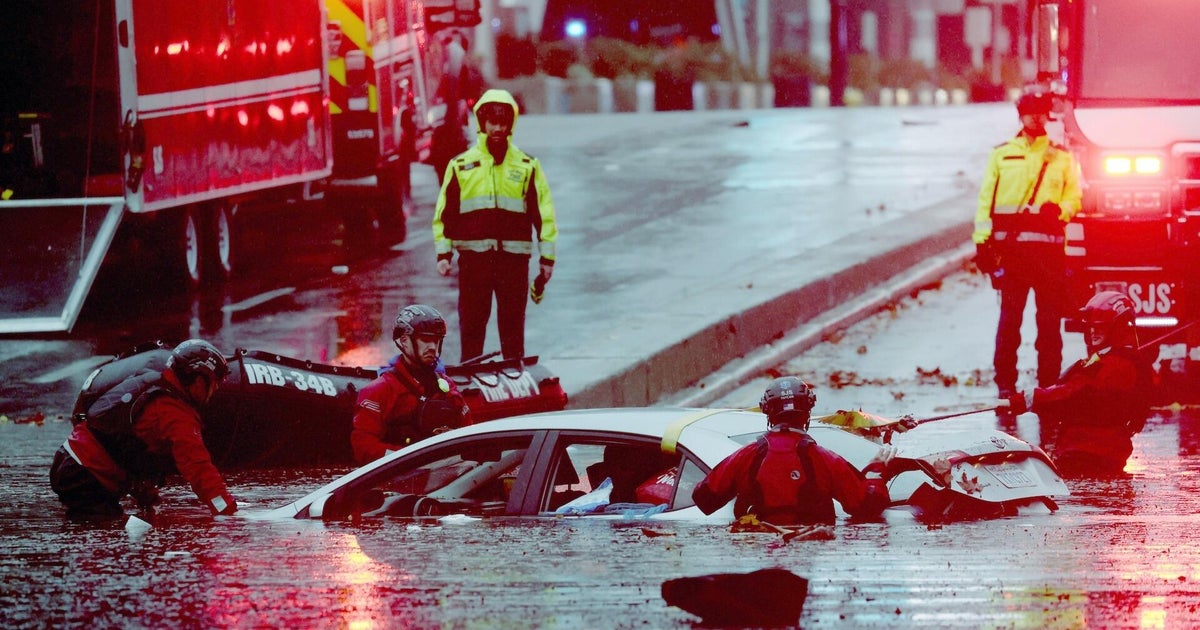
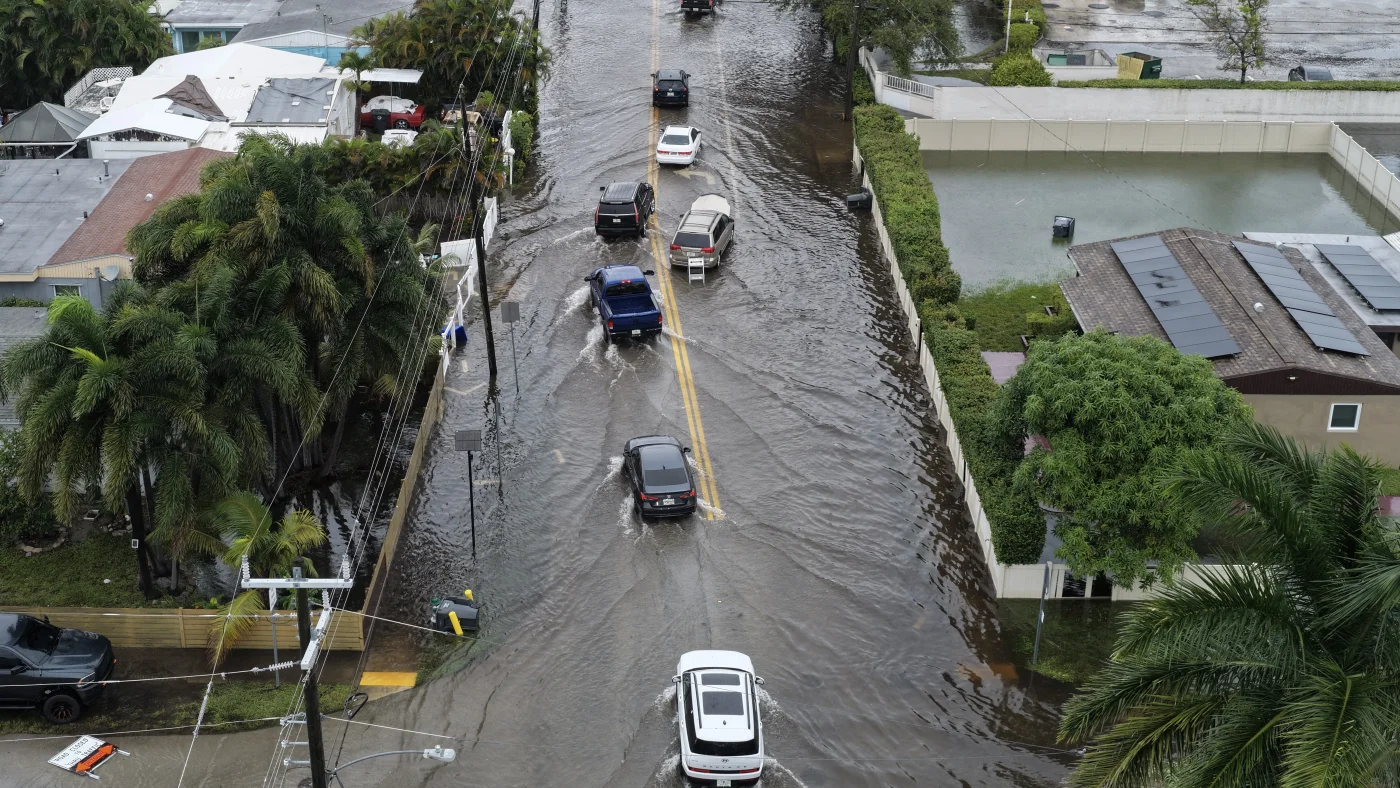
It has already been a rough year for coastal Californians – who have endured flooding, extreme waves and beach erosion during the super El Niño season.
asserted
who → endure → season
Now experts are warning that Thanksgiving week could see more havoc, as a winter high tide event brings potentially record-breaking floods on the coast and farther inland.
uncertain
event → warn → coast
Unusually elevated ocean levels during this super El Niño year will be pushed even higher by these so-called king tides, the first of which arrives 22 to 24 of November, just as many Americans are traveling for Thanksgiving.
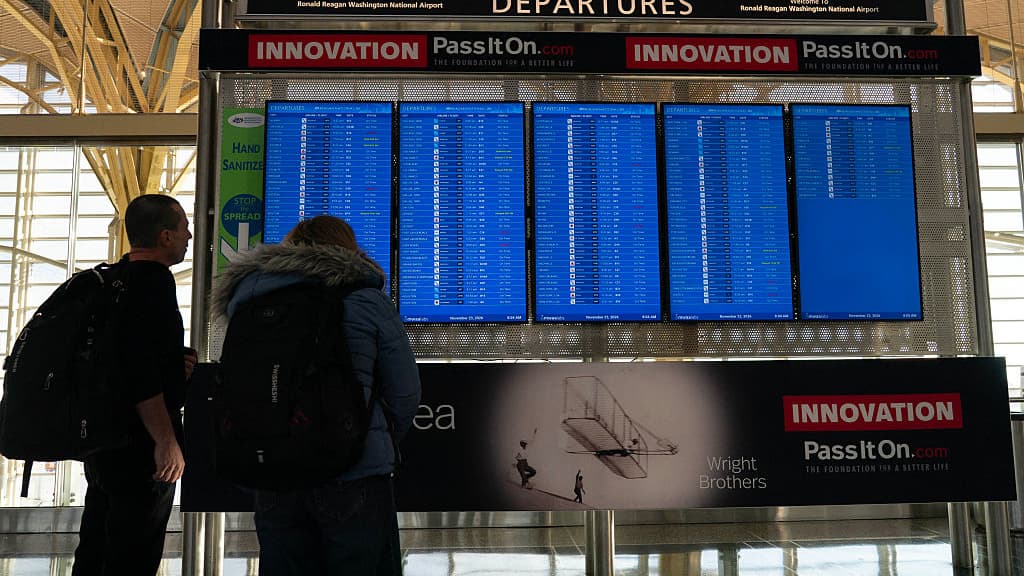
If heavy rainstorms hit California on any of those days, scientists have warned, the combined impact could be disastrous, and could have wide-ranging effects on homes, infrastructure and travel, with airports, roads and trains all at risk of being affected on some of the busiest travel days of the year.
uncertain
airports → push → year
The flooding could affect parts of California that haven’t been inundated in the past .
uncertain
that → affect → past
Daniel Lurie, the mayor of San Francisco, called for residents to avoid unnecessary travel from Monday afternoon through Wednesday, saying the weather forecast was “extremely serious” and “we are anticipating high tides and rain that this city has never seen before.”
asserted
city → call → that
He advised locals to stock up on food and other essentials, as a meteorologist warned that San Francisco international airport and its tarmac risked being inundated with flood waters.
asserted
airport → advise → waters
Here is a look at the factors behind California’s holiday flood risk, and what we know about how it is playing out so far.
asserted
it → know → what
What flooding has already happened in California this year?
asserted
flooding → happen → California
In September, intense storm-driven waves battered southern California’s coastline, eating away at beaches and damaging coastal homes.
asserted
waves → drive → homes
In October, it didn’t even take the year’s highest high tides to swamp low-lying neighborhoods of southern California, leaving people kayaking and paddle-boarding through flooded city streets despite no storms at all.
asserted
it → take → storms
In early November, areas of the coastline saw giant, 50ft waves that attracted pro surfers from around the world, but that also produced sneaker waves dangerous to more ordinary beachgoers.
asserted
that → see → beachgoers
This past week, heavy and sometimes record-breaking rain pounded San Francisco and Los Angeles, causing temporary flooding of urban streets and highways.
asserted
rain → break → streets
Scientists are worried about the risk that these different dangerous weather patterns may overlap during the highest tides, multiplying the potential flooding damage.
uncertain
patterns → overlap → damage
What is a ‘king tide’ and why does it matter right now?
asserted
it → matter → ?
“King tides” are simply “the very highest high tide cycles of the year”, Daniel Swain, a climate scientist at the California Institute for Water Resources, explained in a recent online briefing.
asserted
Swain → explain → briefing
That means the tides are a natural, annual occurrence, “the periods when we have the very highest astronomical, meaning sun and moon orbit-related, tides of the year”, Swain said.
asserted
Swain → mean → year
But this year, the high tides have raised concerns about “widespread and potentially significant – maybe even record-breaking – coastal flooding”.
asserted
tides → raise → flooding
King tides will occur on 22-24 November, before Thanksgiving; 23-25 December, over Christmas; and 21-22 January, according to the California Coastal Commission, with some areas of northern California seeing the tides arrive a day earlier.
uncertain
tides → occur → California
These tides are predicted to be “half a foot to a foot higher” than October’s high tide event, Swain said.
asserted
Swain → predict → event
If the tides combined with even a “moderate” storm, that “can produce 6in to 12in of storm surge”, Swain said.
asserted
Swain → combine → surge
Both storm surge waves and heavy rain “are more likely than usual during a very strong El Niño winter”, he added.
asserted
he → add → winter
The king tide flood risk is not limited to people living along California’s beaches.
asserted
risk → limit → beaches
“Even places that are not along the Pacific coast, but that are inland – San Francisco Bay, Monterey Bay, San Diego Bay, even places much farther inland along the San Joaquin Sacramento estuary that are tidally influence – could see significant to record-breaking inundation due to elevated water levels,” Swain said.
uncertain
Swain → see → levels
What is the super El Niño and what role is it playing?
asserted
it → play → role
El Niño is one phase of a cyclical weather pattern in the Pacific Ocean that is believed to date back at least 120,000 years.
asserted
that → believe → Ocean
The warm phase of this cycle, which is called “El Niño”, occurs every two to seven years when Pacific Ocean surface temperatures rise at least 0.5C above average for a period of months.
asserted
temperatures → call → months
This has massive global effects, leading to drier weather, droughts and wildfires in some parts of the world, and wetter weather and floods in others, including across the western US.
asserted
This → have → US
The current El Niño season is expected to be record-breaking, with experts predicting it could be the most intense in 1,000 years.
uncertain
it → expect → years
A “very strong” or “super” El Niño season is defined as one where the Pacific Ocean temperatures are 2C warmer than usual.
asserted
temperatures → define → one
At its peak, this super El Niño season is expected to hit 4C warmer than usual, a development scientists dubbed “jaw-dropping”.
asserted
scientists → expect → 4C
Among the weather patterns of the Pacific Ocean this El Niño year is the so-called “Kelvin” wave, an enormous band of warm water that traveled from the Eastern Pacific, hit the coast of South America, and then moved up the North American coast starting this summer.
asserted
that → call → coast
The Kelvin wave is not a crashing wave – it’s planetary in scale – but has brought months of higher water levels and warmer water to the California coastline, with the National Oceanic and Atmospheric Administration (Noaa) estimating that the Kelvin wave has increased water levels by 6-12in or more.
asserted
wave → crash → in
The Kelvin wave’s increase comes on top of water level rise from the California coast’s “ongoing marine heatwave”, according to Noaa: “Warmer water takes up more space than cold water, a concept known as thermal expansion, causing water levels to rise higher and reach further inland.”
uncertain
levels → come → expansion
As Swain, the climate scientist, explained in a recent El Niño update: “Ocean surface temperatures are now much warmer than average along most of the California coast, and are 8 to 10F warmer than average (record warm) from about Pt Reyes (Marin county) southward to and past San Diego.”
asserted
temperatures → explain → Diego
These existing ocean level changes, combined with October high tides, meant that several coastal California cities already broke “their all-time highest observed water levels” in late October, including Los Angeles, San Diego, Santa Barbara and La Jolla, according to Noaa.
uncertain
cities → exist → Noaa
But the king tides coming this winter are expected to break those records again.
asserted
tides → come → records
Many areas are at risk, including key transportation hubs.
asserted
areas → include → hubs
In San Francisco, the NWS is forecasting “major to extreme coastal flooding Thanksgiving week”, with “up to 2.8ft of inundation above ground level” leading to “flooding of low-lying infrastructure, numerous road closures and coastal erosion”.
asserted
NWS → forecast → infrastructure
meteorologist projected that San Francisco international airport and part of the highway outside it would see serious flooding on the peak travel days of Tuesday, Wednesday and Thursday – though whether the flood waters would overwhelm the airport runways remained unclear, the San Francisco Chronicle reported.
uncertain
Chronicle → project → runways
Going into the week, the risk appeared slightly lower in southern California.
asserted
risk → go → California
…and 28 more, not listed.

 The Aporia