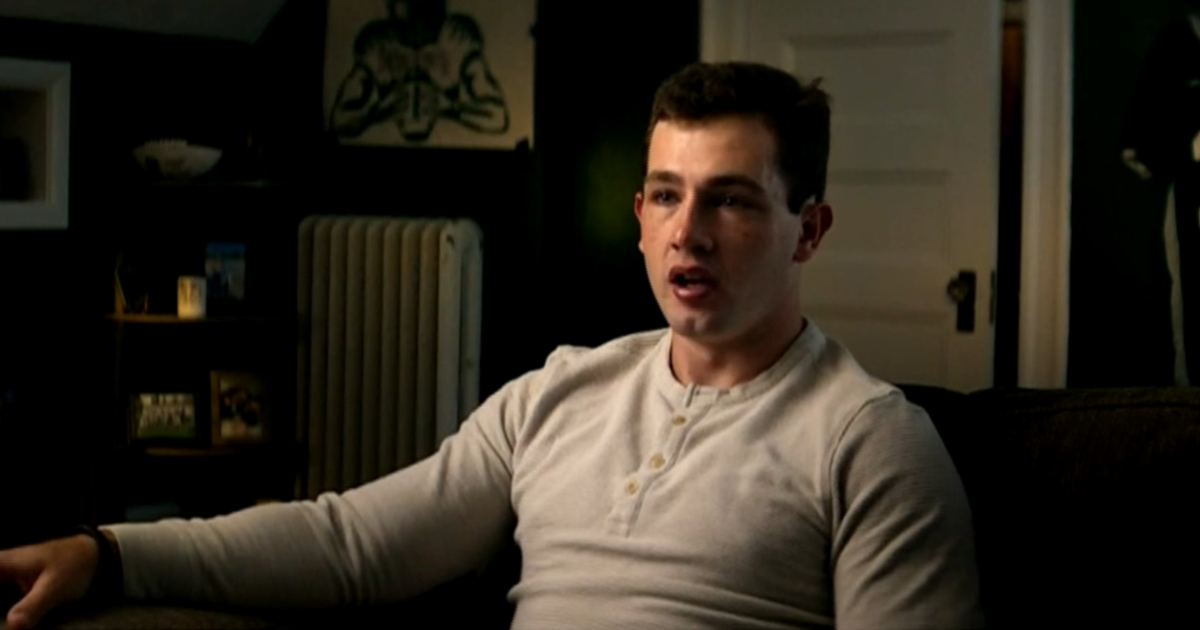
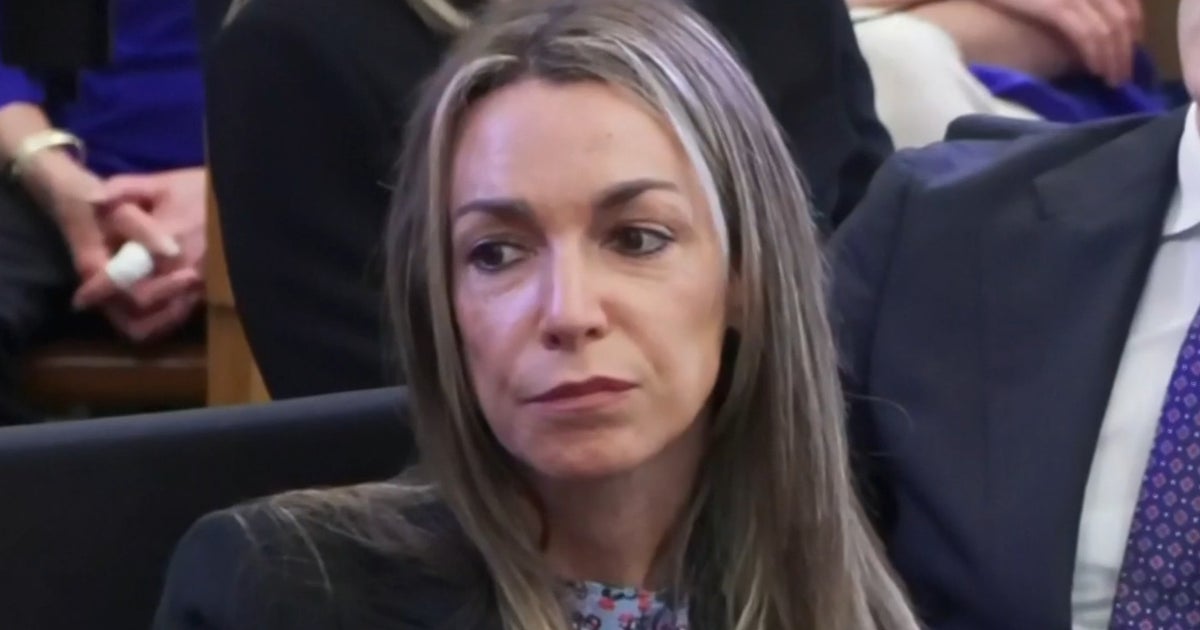
The Trials of Karen Read is a 3-part docuseries, directed by Danielle Johnson Cutts, that examines the case against Karen Read, who was accused of murdering her boyfriend, Boston Police officer John O’Keefe, by backing over him with her car after a pre-snowstorm night of drinking with friends.
asserted
who → direct → friends
THE TRIALS OF KAREN READ: STREAM IT OR SKIP IT?
asserted
TRIALS → stream → IT
We see scenes of a snowy New England town as reports of an approaching snowstorm play.
asserted
reports → see → snowstorm
The Canton police, as well as the Massachusetts State Police, had Read as a person of interest in O’Keefe’s death almost from the start of the investigation, and arrested her initially for vehicular manslaughter and leaving the scene, but months later upgraded the charges to 2nd-degree murder.
asserted
police → have → murder
Read’s two trials were played out in the media over the last few years, with the first being declared a mistrial and the second resulting in acquittal from the most serious charges.
asserted
second → play → charges
Through interviews with O’Keefe’s family and friends and law enforcement, as well as audio from an interview Read did with Boston Magazine in 2023, we get a picture of O’Keefe as a single dad — he took in his niece and nephew after both their parents died within months of each other — who seemed to be in a solid relationship with Read after they reconnected during the pandemic.
asserted
they → do → pandemic
The night O’Keefe died, in front of the home of Brian Albert, Read brought two friends to where she last saw O’Keefe and went right to where he was buried in a pile of plowed snow.
asserted
he → die → snow
The State Police felt they had strong evidence to upgrade the charges, including shards of a taillight next to O’Keefe’s body and unhinged voicemails to O’Keefe from Read that night.
asserted
they → feel → Read
But a YouTuber named Aidan Kearney aka “Turtleboy,” presented evidence that showed that Read was innocent, and the police were covering up what really happened to O’Keefe.
asserted
what → name → O’Keefe
What Shows Will It Remind You Of?
asserted
It → show → You
The Karen Read case captured the attention of true crime aficionados for a couple of reasons, but the main one was that it so severely divided people.
asserted
it → capture → people
The people who thought she was framed are thoroughly convinced of that, but the people who thought she purposely killed O’Keefe are just as sure in their convictions.
asserted
she → think → convictions
She’s either completely innocent or a sociopath with a Machiavellian ability to manipulate.
asserted
She → ’ → ability
What we wondered while watching this docuseries is whether the filmmakers were going to examine both of those sides.
asserted
filmmakers → wonder → sides
As the first episode played out, though, we weren’t sure that was going to be the case.
asserted
that → play → ?
It certainly feels like, from the first scenes, through the inevitable news-audio-laden montage that serves as the opening credits, through the entire first episode, that Read was going to be portrayed as that Machiavellian sociopath.
asserted
Read → feel → sociopath
It’s not that Cutts is uninterested in showing just why there was enough reasonable doubt around the evidence to get her ultimately acquitted, but there does seem to be a bit of a lean towards the idea that she got away with something.
asserted
she → ’ → something
It could be why Read didn’t participate and that everyone interviewed eventually ended up being suspicious of her.
uncertain
everyone → participate → her
Perhaps the lean towards Read being guilty is fully a function of who Cutts got to talk to on camera.
asserted
Cutts → get → camera
And, given what we know about the case, we could go either way.
uncertain
we → give → case
But it certainly seems like the narrative Cutts puts forth doesn’t even try to be balanced, which is interesting given how divisive this case has been.
asserted
case → seem → ?
Parting Shot: A recording of Read saying that she’s “much more optimistic of [her] trajectory” than of the people that she thinks were actually involved in O’Keefe’s death.
asserted
she → say → death
But it certainly has a point of view, and doesn’t paint as complete a picture as we would like.
asserted
we → have → picture
Joel Keller (@joelkeller) writes about food, entertainment, parenting and tech, but he doesn’t kid himself: he’s a TV junkie.
asserted
he → write → himself
His writing has appeared in the New York Times, Slate, Salon, RollingStone.com, VanityFair.com, Fast Company and elsewhere.
asserted
writing → appear → Times
 The Aporia