The U.S.-Israel alliance was tested when Washington and Jerusalem found common cause against Iran — and when defending Israel drew heavily on American weapons stocks.
asserted
defending → test → stocks
Meanwhile, that ongoing conflict has now sharpened a question for Washington: what does the alliance deliver, and what does it demand in return?
asserted
it → sharpen → return
A new report from Advancing American Freedom (AAF) and the Zionist Organization of America (ZOA) argues that Israel’s military reach and regional role make the alliance a strategic asset for Washington.
asserted
alliance → argue → Washington
Its authors call Israel "the largest U.S. aircraft carrier" in the Middle East.
asserted
authors → call → East
But this is in direct opposition of critics who say that the alliance costs the U.S. a lot and delivers very little in return.
asserted
alliance → say → return
The report, dated Oct. 26, 2026, arrives as public support for Israel continues to fall across the political spectrum — even among Republicans and MAGA supporters.
asserted
support → date → Republicans
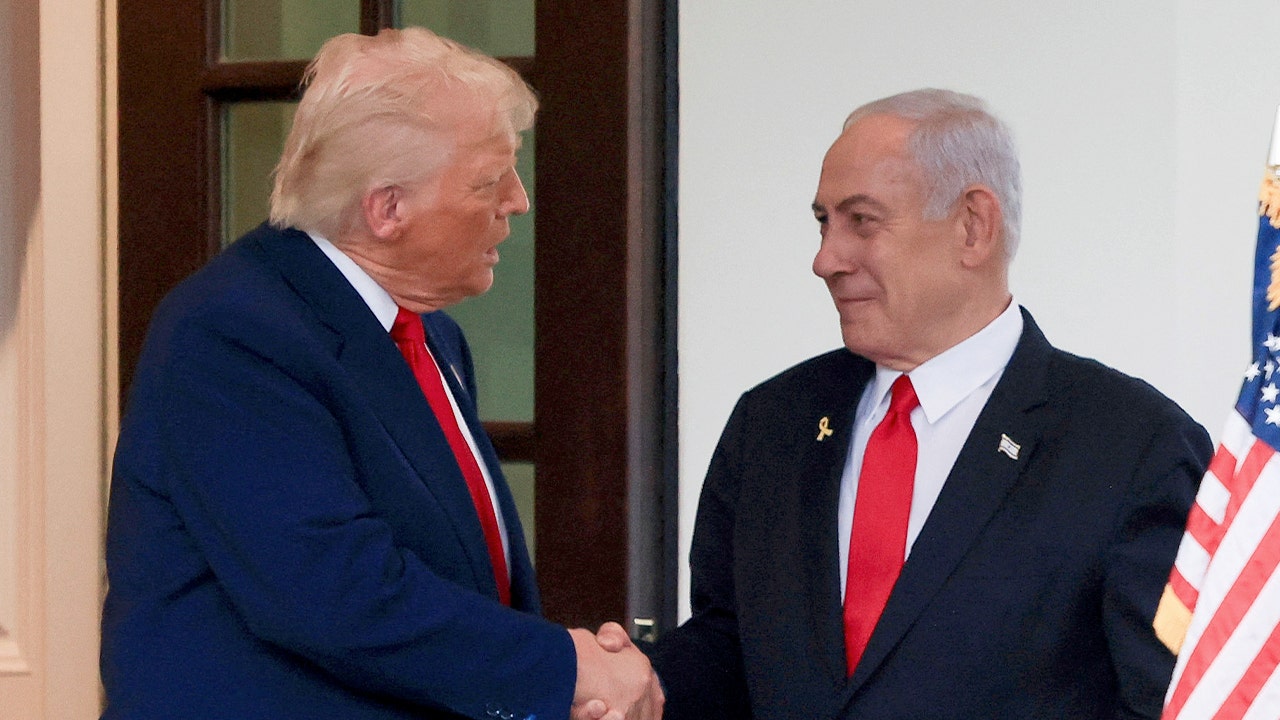
President Donald Trump and Israeli Prime Minister Benjamin Netanyahu have discussed ending direct U.S. military aid, but the U.S. leader has also called Israel "a great ally, much more reliable than most" and said Washington would help if Israel needed it.
asserted
Israel → discuss → it
The report specifically points to intelligence sharing, joint weapons development and military cooperation as returns on what the U.S. gets for providing support to Israel.
asserted
U.S. → point → Israel
The U.S. and Israel develop systems including David’s Sling and Arrow, while American companies manufacture components for several programs.
asserted
companies → develop → programs
More than 100 companies across 34 states participate in missile-defense co-production, according to the Congressional Research Service.
uncertain
companies → participate → Service
In August, a Raytheon-Rafael facility in Arkansas delivered the first Iron Dome Tamir interceptor built entirely in the U.S.
Those programs support U.S. manufacturers and give the Pentagon a role in developing missile-defense systems.
asserted
programs → deliver → systems
During the Iran conflict, however, U.S. forces also expended large numbers of interceptors — costly weapons that can take years to replace.
asserted
that → expend → years
In September, the Congressional Budget Office (CBO) estimated that the U.S. had probably used between half and two-thirds of its combined inventory of Patriot, THAAD, SM-3 and SM-6 interceptors since June 2025.
asserted
U.S. → estimate → June
The estimate includes weapons used during the earlier 12-day war with Iran and is based on publicly reported expenditures compared with the number of those interceptors the War Department has purchased.
asserted
Department → include → interceptors
CBO said rebuilding stocks could take at least five years, even if production increased.
uncertain
production → say → years
Intelligence sharing is another return cited by supporters of the alliance.
asserted
sharing → cite → alliance
Former CIA Director John Brennan said Israeli intelligence was among the "thousands of bits" considered during the years-long effort to find Usama bin Laden.
asserted
intelligence → say → Laden
He did not specify what Israel provided or how much it contributed to the operation.
asserted
it → specify → operation
A more recent exchange shows how Israeli reporting can prompt U.S. action even when its accuracy is uncertain.
asserted
accuracy → show → action
Israeli officials warned the U.S. of a possible Iranian plot to kill Trump during a trip to Turkey.
asserted
officials → warn → Turkey
The Secret Service took precautions, including moving him to another aircraft.
asserted
Service → take → aircraft
U.S. intelligence agencies could not independently verify the threat, however, and the CIA assessed some of the Israeli reporting with "low confidence," according to Reuters and The Washington Post.
uncertain
CIA → verify → Reuters
The financial relationship has also become part of the debate.
asserted
relationship → become → debate
Under the current agreement, the U.S. provides Israel with $3.3 billion annually in Foreign Military Financing and $500 million for joint missile-defense programs.
asserted
U.S. → provide → programs
Most of the military aid pays for weapons and services from U.S. contractors, according to CRS.
uncertain
Most → pay → CRS
Israel’s ability to spend a portion of the funding on domestic purchases is scheduled to phase out by 2028.
asserted
ability → spend → 2028
The report's authors call the $3.8 billion in annual U.S. military aid "one of the highest returns on investment of any U.S. foreign assistance."
asserted
authors → call → assistance
Trump has said he wants to end annual aid, while Netanyahu has also publicly called for phasing it out over time.
asserted
Netanyahu → say → time
U.S. and Israeli officials have been negotiating a new agreement that could wind down direct assistance while expanding joint defense projects and weapons production.
uncertain
that → negotiate → projects
The current agreement runs through 2028, Congress controls appropriations, and no successor deal has been reached.
asserted
deal → run → appropriations
The debate is also becoming more politically consequential as Americans question the relationship’s terms.
asserted
Americans → become → terms
A 2026 Chicago Council survey found that 56% favored reducing or ending U.S. military aid to Israel.
asserted
% → find → Israel
Republicans remain more supportive than Democrats and independents, but the right is divided: Joe Kent blamed Israeli pressure for the Iran war, Rep. Thomas Massie has pushed to cut aid, and Vice President JD Vance has called for changing the relationship while continuing to describe Israel as a strategic ally.
asserted
Vance → remain → ally
The two countries have cooperated against Iran and developed defenses against missile attacks, but their goals have not always matched during the war.
asserted
goals → cooperate → war
A Stimson Center analysis says Israel sought to broaden the conflict beyond what Washington preferred.
asserted
Washington → say → what
That does not establish that Israel drew the United States into a war it opposed.
asserted
it → establish → war
It does show how cooperation can leave Washington managing military costs even when its preferred limits differ from Israel’s.
asserted
limits → show → Israel
The next agreement will help determine whether the alliance continues to rely on direct grants or shifts toward joint weapons development and production.
asserted
alliance → help → development
Either way, the military and intelligence cooperation described in the report comes with commitments of U.S. money and weapons — and leaves Washington weighing those costs against the advantages it expects the alliance to deliver.
asserted
alliance → describe → advantages
 The Aporia