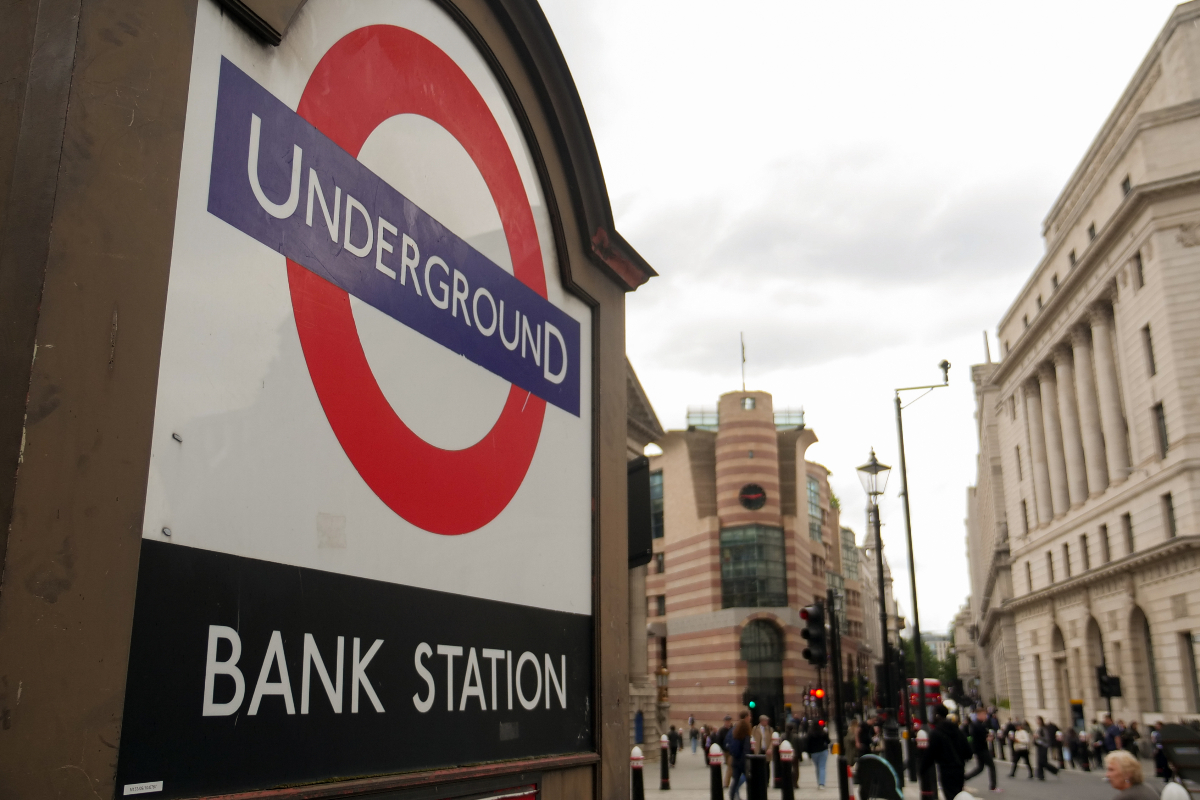
Londoners will suffer fresh Tube strike misery this week as a row over a four-day working week for drivers brings parts of the network to a standstill.
asserted
row → suffer → standstill
At the centre of the dispute is TfL's proposal to introduce a voluntary four-day working week for Tube drivers, initially on the Bakerloo line.
asserted
proposal → introduce → line
Under the plans, drivers who choose to switch from five working days to four would keep their existing salaries, while those who prefer the five-day week would be able to stay at the same depot, according to TfL.
But the RMT has criticised the proposals as a "fake" four-day week, arguing that drivers could face longer shifts, last-minute changes to their working patterns and increased fatigue.
uncertain
drivers → choose → patterns
The union has also raised concerns about weakened workplace protections and potential job cuts.
asserted
union → raise → protections
The dispute comes as Tube drivers continue to benefit from inflation-linked pay rises, with salaries having increased by almost a third since before the pandemic.
asserted
salaries → come → pandemic
How much do Tube drivers earn?
asserted
drivers → earn → much
The deal, accepted by the RMT following previous industrial action, included an initial 3.4 per cent increase backdated to April 2026.
asserted
deal → accept → April
It also links pay rises to RPI inflation, which is generally higher than CPI, and guarantees a minimum overall increase of around 9.8 per cent.
asserted
which → link → cent
How have Tube driver salaries changed in recent years?
asserted
salaries → change → years
Tube driver salaries have risen by 32.7 per cent since 2018, according to Freedom of Information (FOI) data.
uncertain
salaries → rise → data
In 2018/19, 3,596 Tube drivers earned an annual salary of £55,011.
asserted
drivers → earn → 55,011
By 2026, this had increased to £73,000 - a rise of £17,989, according to TfL.
Salaries have increased by an average of around 4% a year, with the largest rise recorded between 2021/22 and 2023/24, when pay climbed from £58,949 to £63,901.
uncertain
pay → increase → 63,901
Walkouts will take place from Thursday, November 24 to early February, disrupting commuters, shoppers and passengers making Christmas plans.
asserted
Walkouts → take → plans
Among the dates affected is Saturday, December 19, one of the busiest shopping days in the run-up to Christmas, when thousands of Londoners and visitors are expected to descend on the West End.
asserted
thousands → affect → End
Aslef, the train drivers' union in support of the four-day week, previously expressed its surprise at RMT's decision to take strike action.
asserted
Aslef → express → action
The union highlighted the financial benefits of the proposed arrangement to its members.
asserted
union → highlight → members
“The reality is few people will want to keep working an extra day and more hours every week for no extra money and less time off!” the union explained as it outlined the deal on offer.
“Instead of only getting 80% of salary, they will have the option of receiving full pay,” it added.
asserted
it → want → pay
The final planned walkout is due to take place in February, raising the prospect of months of disruption as TfL and the unions remain at odds over the proposed changes.
asserted
TfL → plan → changes
This week’s strike comes after members of the Transport Salaried Staffs' Association (TSSA) launched a snap Tube strike at lunchtime on Friday, closing the Piccadilly line until around 6pm on Saturday.
asserted
members → come → Saturday
The strike was called in a shock move in the stand-off over the union member, who worked in a Tube control centre in South Kensington, and who was dismissed in the row over doing a second job while on sick pay.
asserted
who → call → pay

 The Aporia