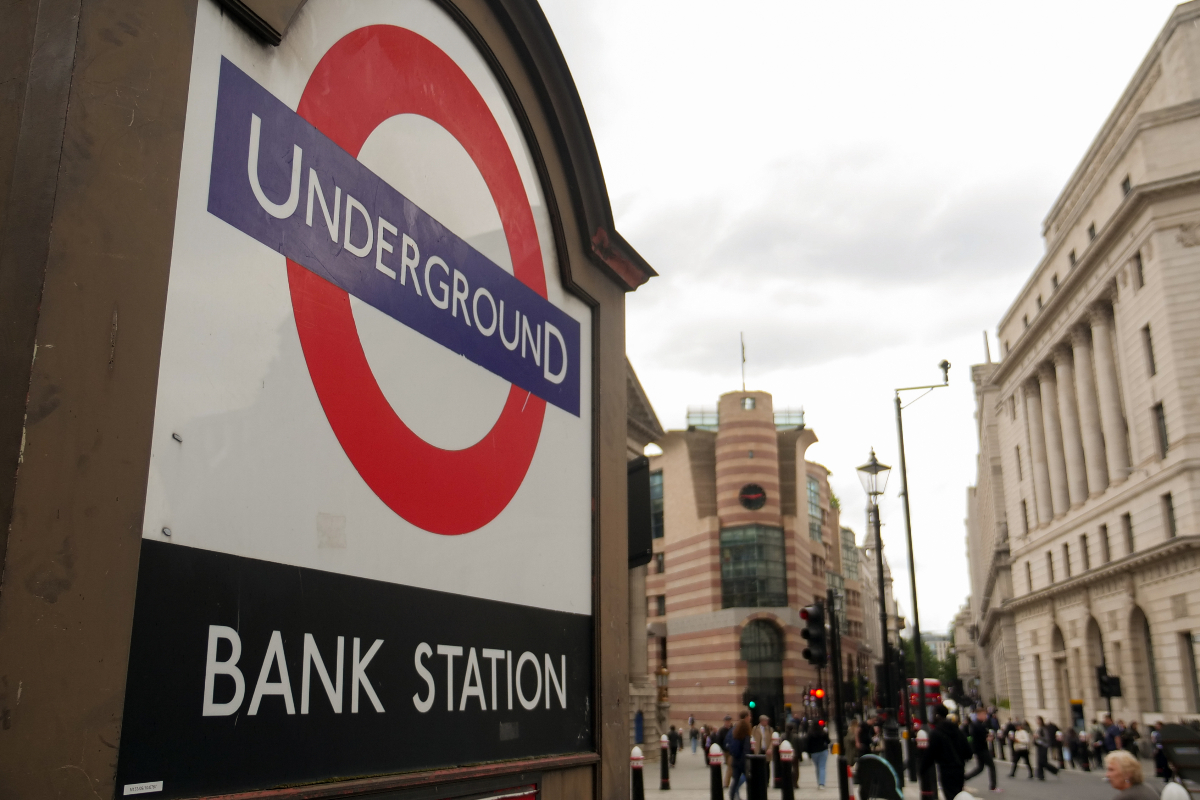
Just as London gears up for the busy festive season, a fresh round of Tube strikes is set to throw travel plans into disarray.
asserted
round → gear → disarray
That will be followed by seven more 24-hour walkouts between December 17 and February 25.
asserted
That → follow → December
Passengers are being urged to plan ahead and consider alternative routes to avoid the worst of the disruption.
asserted
Passengers → urge → disruption
The Standard has rounded up the best ways to get around London during the strikes.
asserted
Standard → round → strikes
Most Tube lines are expected to operate during the strikes, although the level of disruption will vary.
asserted
level → expect → disruption
No service is expected on the Circle or Piccadilly lines throughout Thursday, or on the Waterloo & City line from midday.
asserted
service → expect → midday
During previous walkouts in April and June, services were suspended between Baker Street and Aldgate on the Metropolitan line and between White City and Liverpool Street on the Central line.
asserted
services → suspend → line
Passengers are advised to plan alternative routes even if their usual Tube line is running, as services may be subject to delays and cancellations.
uncertain
services → advise → delays
Read More
Here’s how you can avoid disruption on the Tube:
asserted
you → read → Tube
Passengers travelling east to west across central London should consider using the Elizabeth line, though services are expected to be much busier than usual.
asserted
services → travel → line
Services will continue to operate, offering alternative routes between London neighbourhoods without the need to travel through central London.
asserted
Services → continue → London
Both are expected to operate as normal.
asserted
Both → expect → ?
They provide links in east and south London, including Docklands, Canary Wharf and Croydon.
asserted
They → provide → Docklands
National Rail services offer alternative routes into and across the capital.
asserted
services → offer → capital
Passengers travelling to Heathrow Airport can use the Elizabeth line or Heathrow Express while Piccadilly line services are suspended.
asserted
services → travel → line
London buses
Buses will operate as normal, although increased demand means services are likely to be busier than usual, with passengers potentially having to wait for several buses before being able to board.
asserted
passengers → operate → buses
Routes 14, 19 and 91, alongside route 10, offer alternatives to sections of the suspended Piccadilly line, while routes 205, 11 and 27 serve parts of the northern and southern stretches of the Circle line.
asserted
routes → offer → line
Cycling
Rental e-bikes are becoming an increasingly popular commuting option for Londoners, particularly during periods of strike action.
asserted
bikes → become → action
If the weather remains dry on Thursday, swapping the Tube for a bike or scooter could be a convenient way to avoid disruption.
uncertain
swapping → remain → disruption
New research from Lime suggests that Londoners are embracing rental e-bikes as a year-round mode of transport, rather than just relying on them during periods of industrial action.
uncertain
Londoners → suggest → action
The findings reveal that one in three Londoners (33%) have used a rental e-bike in the past year, while more than one in 10 (11%) use one every week.
asserted
10 → reveal → one
Half of Londoners (50%) believe more people are cycling across all seasons and weather conditions than five years ago, while 49% say the capital’s cycle lanes are busier than ever.
asserted
lanes → believe → seasons
Alice Pleasant, Lime’s deputy regional head of government relations, said: "During periods of significant Tube disruption, we see more Londoners turn to Lime to keep moving around the city.
asserted
Londoners → say → city
Demand increased by more than 50% week-on-week during previous strikes that affected every Tube line.
asserted
that → increase → line
"Whilst we expect the current ones to be less disruptive, we're preparing for increased demand and will be working to ensure bikes are available in the areas where riders need them most."
asserted
riders → expect → them
Alex Berwin, VP of Public Affairs at Forest, added: “If the strikes later this week go ahead, Forest is ready to help Londoners find other ways to get around.
“
asserted
Londoners → add → ways
During the strikes this June, Forest experienced a 50% increase in rides during a Wednesday rush hour between 7am and 8am, compared with the week before, and a 35% rise during the afternoon rush hour.
asserted
Forest → experience → hour
“We’re preparing for a similar surge in demand by putting more staff on the streets and positioning bikes where Londoners are most likely to need them, particularly around stations and key commuter hubs.
asserted
Londoners → prepare → stations
We’re also directing extra resources to busy locations to keep bikes neatly parked, bays tidy and pavements clear.
asserted
pavements → direct → bikes
We’re here to support TFL and keep London moving.”
asserted
We → ’re → London
Boat
If you’re looking for a more scenic commute, Uber Boat by Thames Clippers offers an alternative way to travel to the office.
asserted
Boat → look → office
But, it’s important to note that Uber Boat journeys are not included in TfL fare caps.
asserted
journeys → ’ → caps
While you can tap in and out using Oyster or contactless at the yellow pier card readers, river services are priced separately and do not count towards your daily or weekly TfL fare cap.
asserted
services → tap → cap
Key commuter stops along the Thames include Canary Wharf, London Bridge, Blackfriars and Battersea Power Station.
asserted
stops → include → Wharf
Services operate from around 5.30am, with boats typically departing every 10 to 20 minutes during peak commuting hours.
asserted
boats → operate → hours
Standard adult pay-as-you-go fares typically range from £6.20 to £11.40 when using Oyster or contactless, with journeys across all zones costing around £19.30.
asserted
journeys → pay → 19.30

 The Aporia