Eight years ago, I told the House of Commons what I now know to be an outright lie.
asserted
I → tell → Commons
It concerned the scandal of the 20,000 servicemen forced to witness the testing of British nuclear weapons in the Pacific and Australian desert during the 1950s and 60s.
asserted
It → concern → 1950s
Then a defence minister with responsibility for veterans affairs, I was being challenged about whether blood samples had been taken from these men at the time, as many later claimed.
asserted
many → challenge → time
These would be crucial in supporting their demand for compensation for the cancers and other terrible illnesses they went on to suffer.
asserted
they → support → cancers
Like minister after minister before me, I trusted what I was told by the Ministry of Defence, which claimed it was ‘unable to locate any information’ suggesting such samples had been taken.
asserted
samples → trust → information
That was what I declared to the Commons, but it was very far from the truth.
asserted
it → declare → truth
Shamed
In 2024, after years of inaction, the MoD was finally shamed into conducting an investigation that revealed medical examinations and blood testing were carried out for most of that period, across all three services.
asserted
examinations → sham → services
It also confirmed that some blood-testing records were missing and that others had been destroyed through administrative error.
asserted
others → confirm → error
Did this amount to deliberate deception by the MoD?
asserted
this → amount → MoD
That is one of the questions I hope will be answered by the Hillsborough-style independent inquiry expected to be announced by Andy Burnham this week.
asserted
I → hope → Burnham
The MoD said it had found no evidence of intentional concealment.
asserted
it → say → concealment
But I believe there may have been a cover-up on a scale comparable to, if not bigger than, other historic injustices like the infected blood scandal and wrongful prosecution of hundreds of sub-postmasters.
uncertain
I → believe → postmasters
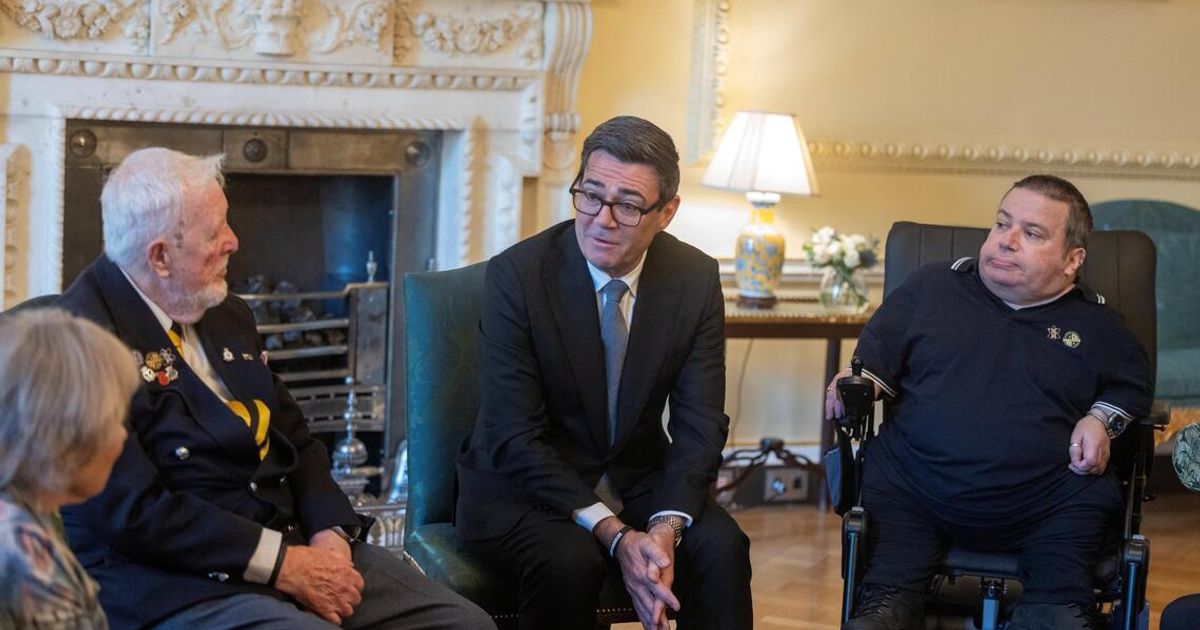
Some 20,000 servicemen were forced to witness the testing of British nuclear weapons in the Pacific and Australian desert during the 1950s and 60s
Both revealed the human cost of what happens if institutions focus on defending themselves rather than those who have been harmed – and the stonewalling of the nuclear veterans has gone on for seven decades.
asserted
stonewalling → force → decades
In the Cold War, they were seen as dispensable human guinea-pigs, needed to help Britain understand how its weapons worked and how its Armed Forces might function on a nuclear battlefield.
uncertain
Forces → see → battlefield
Pilots flew through mushroom clouds.
asserted
Pilots → fly → clouds
Servicemen sailed through contaminated waters and crawled across areas exposed to radioactive fallout.
asserted
Servicemen → sail → fallout
Others witnessed nuclear explosions from distances that today seem almost unimaginably close.
asserted
that → witness → distances
They were following orders.
asserted
They → follow → orders
Serving their country. Doing what was asked of them.
asserted
what → serve → them
Many are no longer with us and those who remain are mostly in their 80s and 90s, still bewildered and angry about why it has taken so long for them to be heard.
asserted
them → remain → 80s
How shameful that seems when you consider the stories of survivors like John Morris, 88, from Rochdale.
asserted
you → seem → Rochdale
He was 18 when he was sent to Christmas Island in the Pacific, where he worked in the military laundry handling contaminated clothing.
asserted
he → send → clothing
He vividly remembers being 20 miles from an explosion 20 times more powerful than the bomb dropped on Hiroshima.
asserted
bomb → remember → Hiroshima
Although he had his hands over his eyes and sunglasses on, with his back to the blast, the light generated by the blast was so strong that he could see every sinew and bone in his hand.
uncertain
he → have → hand
John subsequently suffered from stomach and prostate cancer, and a bone marrow deficiency.
asserted
John → suffer → cancer
He and his wife also lost their baby son Steven from what he believes was the result of radiation.
asserted
he → lose → radiation
Equally shocking was the experience of Ken McGinley, who witnessed five detonations on Christmas Island as a 19-year-old sapper with the Royal Engineers.
asserted
who → witness → Engineers
He was medically discharged at 21, with a duodenal ulcer which led to two-thirds of his stomach being removed.
asserted
thirds → discharge → stomach
He also became infertile and developed a rare but treatable type of blood cancer, and before his death in 2024 was diagnosed with stage four lung and kidney cancer.
asserted
He → become → cancer
In 1983, Ken had formed the British Nuclear Test Veterans Association to press the Government into action.
asserted
Ken → form → action
Other nuclear nations, such as the US, France, even the Soviet Union, acknowledged that the tests happened and created compensation schemes for nuclear veterans who subsequently developed serious illnesses.
But British veterans have faced the extraordinary burden of proving their ill-health decades later was linked to their service without access to vital medical records.
asserted
health → acknowledge → records
How can anyone prove what happened when the evidence they need is withheld?
asserted
they → prove → ?
In 2007, about 1,000 veterans and their families took the MoD to court in a failed bid to get compensation.
asserted
veterans → take → compensation
Instead of taking the opportunity to right the wrongs of the past, the MoD fought them, in part by instructing the Atomic Weapons Establishment to assemble documentation into a searchable database called Merlin.
asserted
MoD → take → database
In 2024, the MoD was finally shamed into conducting an investigation that revealed medical examinations and blood testing were carried out for most of that period (stock image)
More than 28,000 documents were eventually collected, covering radiation, safety precautions, medical monitoring and what was known about the possible effects of the tests.
asserted
what → sham → tests
Yet the veterans’ lawyers were denied access to this archive.
asserted
lawyers → deny → archive
In 2022, as chairman of the House of Commons’ Defence Committee, I became aware of newspaper reports that Merlin contained documents referring to blood and urine testing and raised the matter with the MoD.
It finally admitted that the Atomic Weapons Establishment held copies of blood-test results and urine-radioactivity measurements and, of course, the astonishing extent of their records was finally revealed following that investigation in 2024.
asserted
extent → become → 2024
On learning about this, I thought back to the misleading parliamentary answer I had given in 2018.
asserted
I → learn → 2018
If all this information existed, why had I been told otherwise?
asserted
I → exist → ?
Who had colluded to cover it up?
asserted
Who → collude → it
…and 14 more, not listed.
 The Aporia