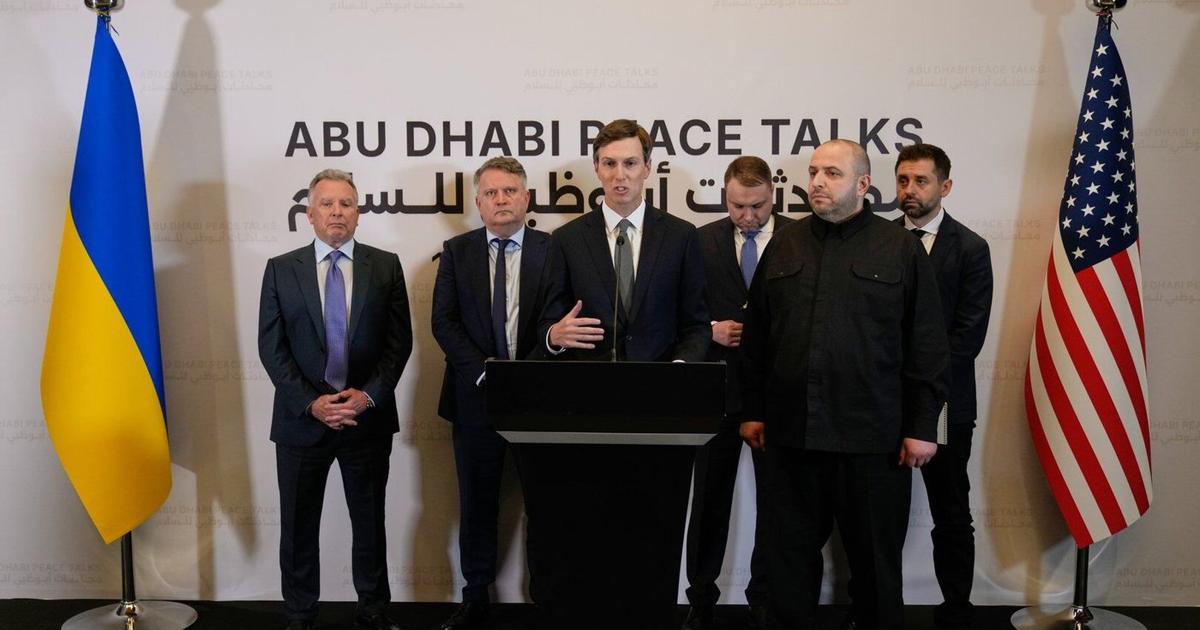
Photo via Al Jazeera

Is Russia really aiming for a new European security architecture?

Read the original at Al Jazeera ↗
Cite

Bechev, D. (2026, November 25). Is Russia really aiming for a new European security architecture? Al Jazeera. https://www.aljazeera.com/opinions/2026/11/25/is-russia-really-aiming-for-a-new-european-security-architecture?traffic_source=rss

Dated from the outlet's own feed. Check the original for its byline.

Al Jazeera · collected 2026-11-25 · by Dimitar Bechev

Quick Summary

Russia is demanding significant concessions from the US and Europe to end the Ukraine war, including NATO withdrawing forces from eastern allies and ceasing to accept new members. This demand mirrors earlier proposals from December 2021 that were rejected by the US. Russia insists these radical changes are necessary to address what it considers the root causes of the conflict, despite ongoing negotiations and partial agreements on specific issues like missile control. The Kremlin continues to push for a complete reconfiguration of European security and political order, which includes neutralizing Finland and preventing Ukraine from joining EU defense initiatives, indicating an unwavering and expansive vision for reshaping the continent's security architecture.
Written by AI on 2026-11-25, from this article's own text only (the story summary below draws on all the coverage).

AI analysis

Story summary

As of November 25, 2026, Russia is pushing for significant concessions to end the nearly five-year-long Ukraine war. During a three-way mediation meeting in Abu Dhabi, Russia demanded that NATO withdraw forces from its eastern flank and cease accepting new members, among other conditions. This includes prohibiting Ukraine's participation in the European Union’s defense initiatives and Finland exiting NATO to become neutral. Russia first introduced similar demands in December 2021, which the US rejected due to their far-reaching nature. The US administration, under President Donald Trump, is exploring mediation between Moscow and Kyiv to stop the destruction of Ukrainian cities and critical infrastructure. The talks have not yielded a concrete deal, and Russia continues to add new conditions to the negotiation process.

Written for “Russia's Security Goals” on 2026-11-25, grounded in this article and the 0 other(s) covering the same event.

Compared with similar articles

This article reads leans right and hedges 18% of its claims. Each row says how that neighbour differs.
The Hindu
Hedges 0 of 6 claims Outlet record 78/100
“The articles discuss different aspects of the Ukraine-Russia situation, with Article A focusing on Russia's stance regarding EU's Kallas in peace talks and Article B discussing broader mediation and security architecture demands.”
Fox News
Leans strongly left further left than this Hedges 11 of 44 claims Outlet record 65/100
“Article A describes a specific military attack on Ukraine that occurred shortly after a meeting involving Trump, while Article B discusses broader diplomatic efforts and Russian demands regarding the Ukraine war over a longer period.”
The Independent
Leans right Hedges 10 of 41 claims Outlet record 59/100
“The articles discuss related diplomatic efforts regarding Ukraine and European security but describe different stages or aspects of the negotiations and diplomatic discussions.”
The Independent
Hedges 3 of 17 claims Outlet record 59/100
“The articles discuss different aspects of the ongoing conflict and diplomatic efforts, not the same specific incident or time frame.”
The Straits Times
Hedges 1 of 18 claims Outlet record 64/100
“The articles discuss different aspects of the situation involving Russia, Ukraine, and European security, but do not describe the same specific incident or occurrence.”
The Straits Times
Hedges 1 of 23 claims Outlet record 64/100
“Article A discusses Zelensky's call for four-way talks including Ukraine, Europe, America, and Russia, while Article B talks about past and ongoing attempts at mediation and the conditions Russia is setting, covering different phases of the diplomatic efforts.”
Toronto Star
Leans right Hedges 10 of 43 claims Outlet record 65/100
“The articles discuss related diplomatic developments but describe different specific meetings and negotiations.”
The Hindu
Hedges 1 of 2 claims Outlet record 78/100
“The articles discuss different aspects of the U.S. and Russia's approach to ending the Ukraine war, with Article A focusing on shelved business deal proposals and Article B discussing broader security architecture demands.”
The Independent
Leans right Hedges 2 of 13 claims Outlet record 59/100
“The articles discuss different aspects of the US's approach to ending the Ukraine war, with Article A focusing on Russia's demands for a new European security architecture and Article B on abandoned business deal plans to incentivize peace. They are related but describe distinct events.”
New York Post
Hedges 0 of 15 claims Outlet record 66/100
“The articles describe different stages of ongoing diplomatic efforts, with Article A reporting on specific peace talks in Berlin where a potential breakthrough was discussed, while Article B discusses broader demands and disagreements made by Russia in a different context and time frame.”

Story

Russia's Security Goals
Politics · 1 article(s) covering the same event.
How this article was measured signals, leaning charts, publisher record, byline, topics and claims

Signals How these are calculated →

Claims extracted
45
sentences that state something as happening or true
Uncertain
18%
8 of 45 hedged ("reportedly", "may", "according to")
Leaning
Leans right
of the writing, not the subject · beta estimate
Publisher signals
60/100
Al Jazeera's corrections and hedging, across everything collected from it. Not a measure of accuracy.
Outlets on this story
1
Politics
Same framing elsewhere
1
articles that frame the event the way this one does
Analyzed 2026-11-25 · how these are computed

How this is being covered How these are calculated →

Article leaning vs. publisher reliability
Source leaning vs. consistency

Publisher

Al Jazeera · 6609 article(s) · 4 correction(s) detected
Running correction rate · 4 correction(s)

Who wrote this

Dimitar Bechev
1 article(s) here · 1 carrying a prediction
Future historians may argue whether the acceptance of the entire package would have averted the war.
The only article under this byline in the corpus.

Topics

European NATO Russia Ukraine Ukrainian

Subjects

Russia GPE · 8× European NORP · 6× Ukraine GPE · 6× NATO ORG · 5× Kyiv GPE · 3× Putin PERSON · 3× Russian NORP · 3× Ukrainian NORP · 3× Kremlin ORG · 2× Moscow GPE · 2×

Narrative

Instead, it is piling up new conditions: the cessation of European military support for Kyiv, no deployment of forces on Ukrainian soil, Finland exiting NATO and reverting to neutrality, prohibition of Ukraine’s participation in the European Union’s budding defence initiatives, no extension of the British and French nuclear umbrella to their European allies, etc.
framing: assertive · carried by 1 article(s) · first seen 2026-11-25
Future historians may argue whether the acceptance of the entire package would have averted the war.
2026-11-25 · Al Jazeera
Is Russia really aiming for a new European security architecture? · assertive framing

Claims (45 extracted, 8 hedged)

How do you stop the Ukraine war after nearly five years of bloodshed and destruction? asserted
you → stop → bloodshed
The administration of United States President Donald Trump seems to believe the path forward is mediation between Moscow and Kyiv. asserted
path → seem → Moscow
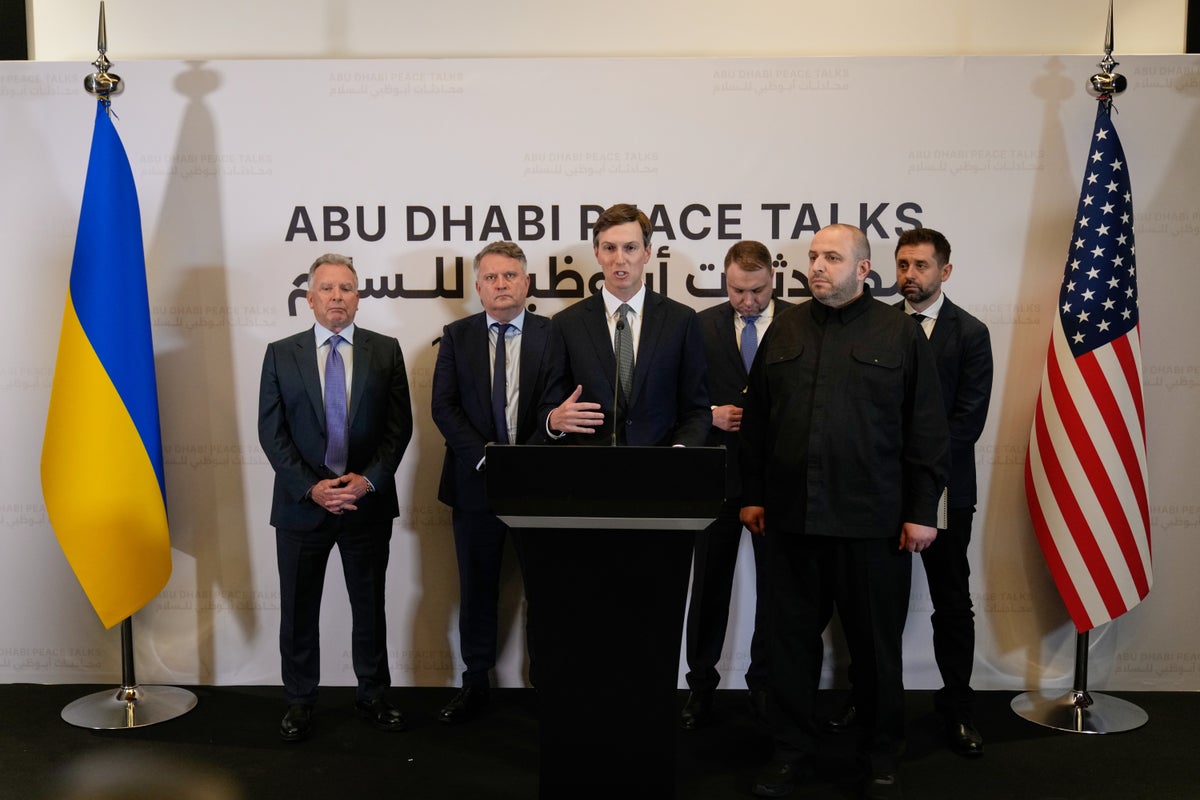
Earlier this month, it restarted three-way talks with a meeting in Abu Dhabi. asserted
it → restart → Dhabi
But instead of some outline of a deal, what we got was Russia adding yet another item of disagreement by bringing up European security architecture. asserted
Russia → get → architecture
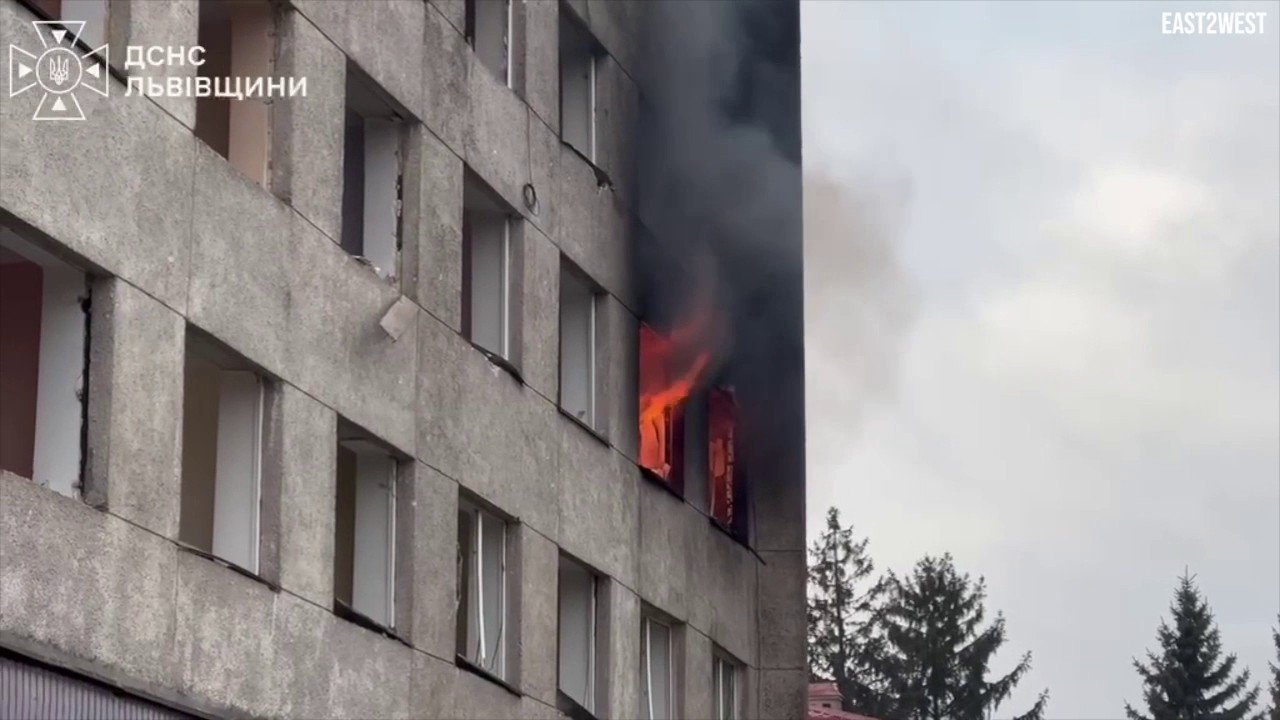
To stop pounding Ukrainian cities and critical infrastructure, Russia is demanding far-reaching concessions by both the US and Europe. asserted
Russia → stop → US
The wish-list includes NATO withdrawing forces from allies on the eastern flank and committing not to accept new members. asserted
NATO → include → members
In December 2021, weeks before the full-scale invasion of Ukraine, Russia presented the US and NATO with two draft treaties which spelled out similar conditions. asserted
which → present → conditions
The US rejected the far-reaching demands, which included scrapping NATO’s open-door policy, rolling back defence infrastructure and deployments in the east to the levels of 1997, and withdrawing US nuclear arms from Europe. asserted
which → reject → Europe
Yet Washington was ready to engage on certain issues, including negotiations on intermediate and short-range missiles stationed in Europe, as well as transparency, risk reduction, and arms control. asserted
Washington → engage → Europe
Future historians may argue whether the acceptance of the entire package would have averted the war. uncertain
acceptance → argue → war
But Russia’s ambition to recast the European security and political order was already there, in stark display, in late 2021. asserted
ambition → recast → 2021
Ever since, Moscow has stuck to its guns – repeating at every twist and turn that “the root causes” of the conflict have to be addressed in a settlement. asserted
causes → stick → settlement
One might agree or disagree about the merits of Russia’s perspective – blaming the war fully on the US and NATO and portraying its own actions as purely defensive. uncertain
One → agree → actions
However, there is no denying how radical a cure the Kremlin prescribes to the alleged ills of Western expansion. asserted
Kremlin → be → expansion
One would think that the failure to subdue Ukraine would have injected a dose of realism. asserted
failure → think → realism
A de facto partition of Ukrainian territory, with a ceasefire freezing the front lines, and gradual lifting of Western sanctions, is fully within Putin’s grasp. asserted
partition → freeze → grasp
That is the message he is getting from both Trump and European leaders. asserted
he → get → Trump
But at least officially, the Kremlin is having none of it. asserted
Kremlin → have → it
Instead, it is piling up new conditions: the cessation of European military support for Kyiv, no deployment of forces on Ukrainian soil, Finland exiting NATO and reverting to neutrality, prohibition of Ukraine’s participation in the European Union’s budding defence initiatives, no extension of the British and French nuclear umbrella to their European allies, etc. asserted
Finland → pile → allies
In other words, nearly all gains Europe has made since February 2022 in terms of strengthening its collective defence have to go in order for Russia to stop fighting. asserted
Russia → make → defence
It seems Putin’s ambitions know no bounds. asserted
ambitions → seem → bounds
Obviously, such an overhaul of European security arrangements is, to put it politely, not very likely. asserted
overhaul → put → it
Even Trump, however eager he might be to cut a deal with “his friend” Putin, will not be willing, much less able, to deliver Europe on a silver platter. uncertain
he → cut → platter
Ukraine will not stop fighting – it made that abundantly clear with the successful strikes against the Kerch bridge and Russian ships in the Baltic and off Libya’s coast in the Mediterranean. asserted
that → stop → Mediterranean
Nor will Europe – for all the uncertainty about funding and the rise of Ukraine-sceptical parties and leaders in key countries – stop supporting Kyiv. asserted
Europe → stop → Kyiv
The Russian side is fully aware of the limits and constraints, and yet it hammers on with the same talking points over and over again. asserted
it → hammer → points
The more benign interpretation of Russia’s overly ambitious demands has to do with basic negotiation strategy. asserted
interpretation → have → strategy
Russia is setting a very high asking price in order to extract as much as is realistically possible in the talks with the US and the Europeans. asserted
Russia → set → US
Once the guns fall silent, there will be practical issues of managing the Cold War-like standoff between NATO and Russia as well as between a Western-backed Ukraine and Russia. asserted
guns → fall → Ukraine
Some guardrails would probably be welcomed by both sides on transparency of troop and equipment movements and joint exercises. asserted
guardrails → welcome → movements
Trying to prevent and/or manage escalation through a new security regime could be possible. uncertain
Trying → try → regime
The Organisation for Security and Co-operation in Europe (OSCE), in which both EU member states and Russia participate, could get a new lease of life in such a scenario. uncertain
states → participate → scenario
A return to summits involving Russia, on one side, and the US and major European countries on the other might also be a possibility, especially after Putin is gone. uncertain
Putin → involve → other
The more sceptical interpretation of Russia’s demands is that it is trying to dilute the agenda and in effect divert attention away from Ukraine in order to gain extra advantage on the battlefield. asserted
it → try → battlefield
In Moscow’s thinking, strategic-level relations between great powers have priority over regional issues. asserted
relations → have → issues
Vladimir Medinsky, Putin’s aide and chief negotiator, put it bluntly: “Essentially, the whole body is sick, and in the Ukraine, there was just a cyst that burst. asserted
that → put → Ukraine
The same logic informed the much-hyped summit in Shenzhen between Putin, Trump and Chinese President Xi Jinping. asserted
logic → inform → Putin
The Russian leader basked in his top-dog status in global geopolitics, with nuclear stability and the global price of energy on the agenda. asserted
leader → bask → agenda
The US is prepared to indulge Putin. asserted
US → prepare → Putin
This in turn gives Russia sufficient political licence to shower ballistic missiles and drones on Ukraine through another winter, aiming for a victor’s peace rubber-stamped by the Americans and swallowed as a fait accompli by Europe. asserted
This → give → Europe
…and 5 more, not listed.

Give feedback · no sign-in needed

No sign-in needed for now. Your note is sent without a name, so it cannot be answered.

History Support