Tech giants could face penalties of up to 5% of their global revenue if found in violation of new online safety rules in Australia.
uncertain
giants → face → Australia
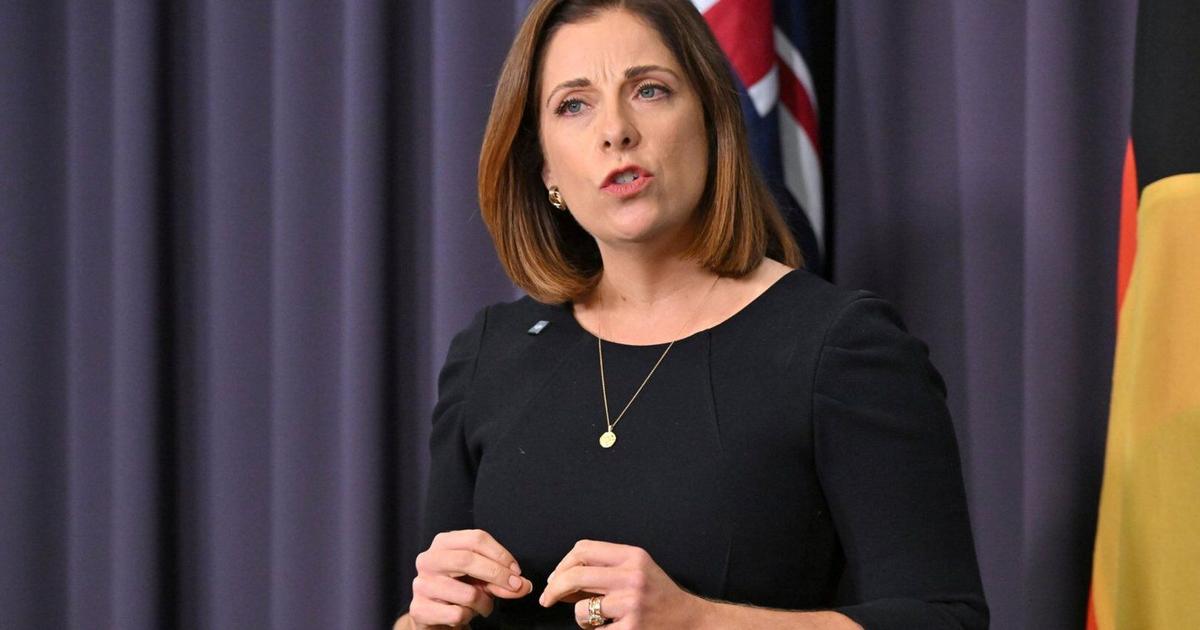
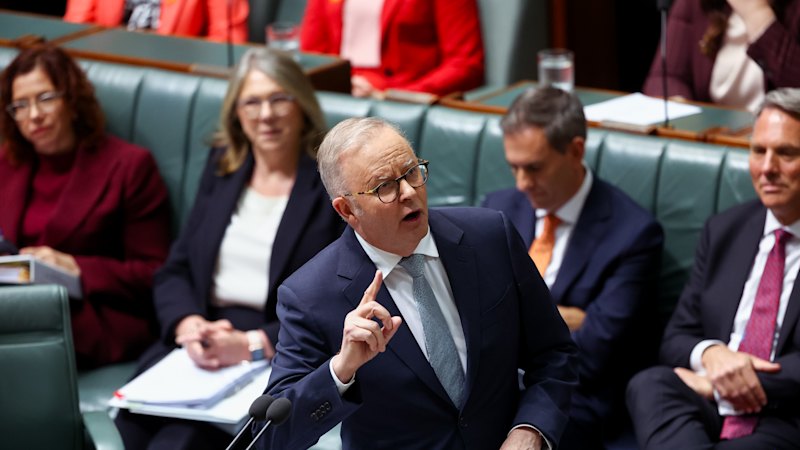
The country’s Parliament passed the Digital Duty of Care bill Wednesday, Communications Minister Anika Wells said, after the center-left Labor Party government of Prime Minister Anthony Albanese reached a deal with the left-wing Greens party.
asserted
government → pass → party
Australia has been a world pioneer in legislating protections against harms online.
asserted
Australia → legislate → harms
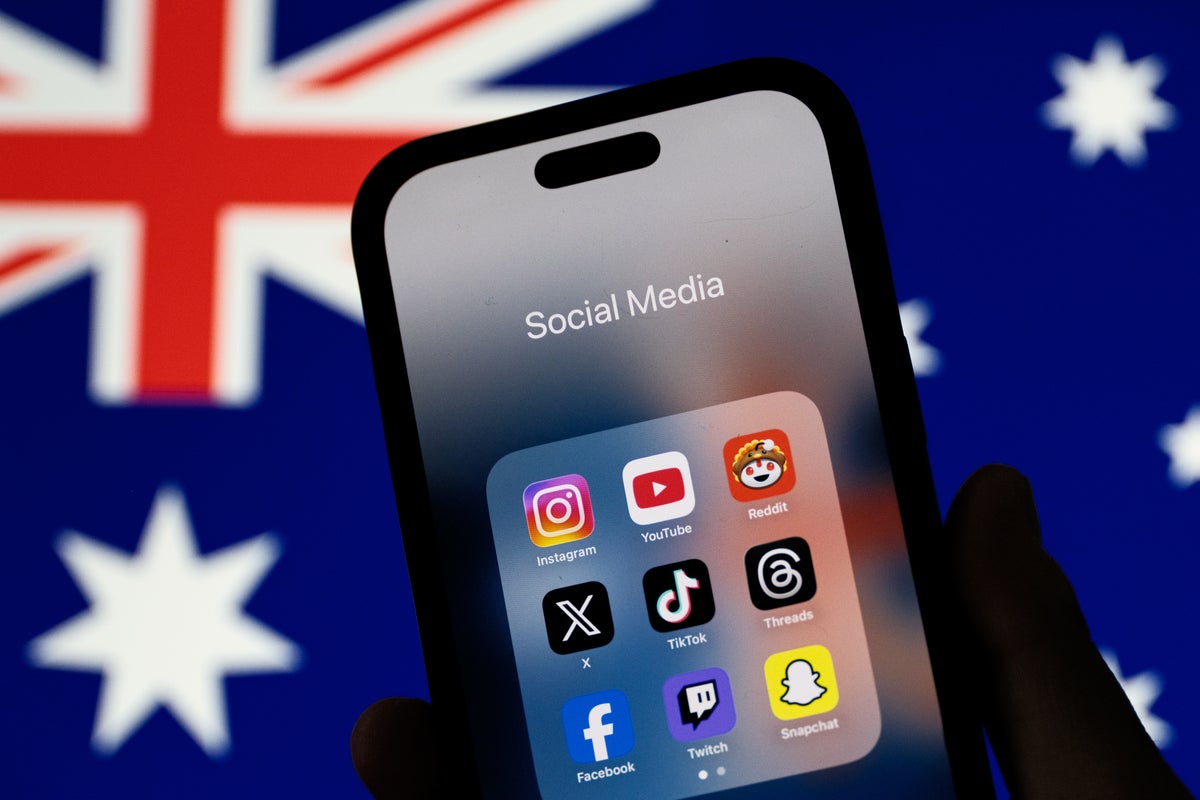
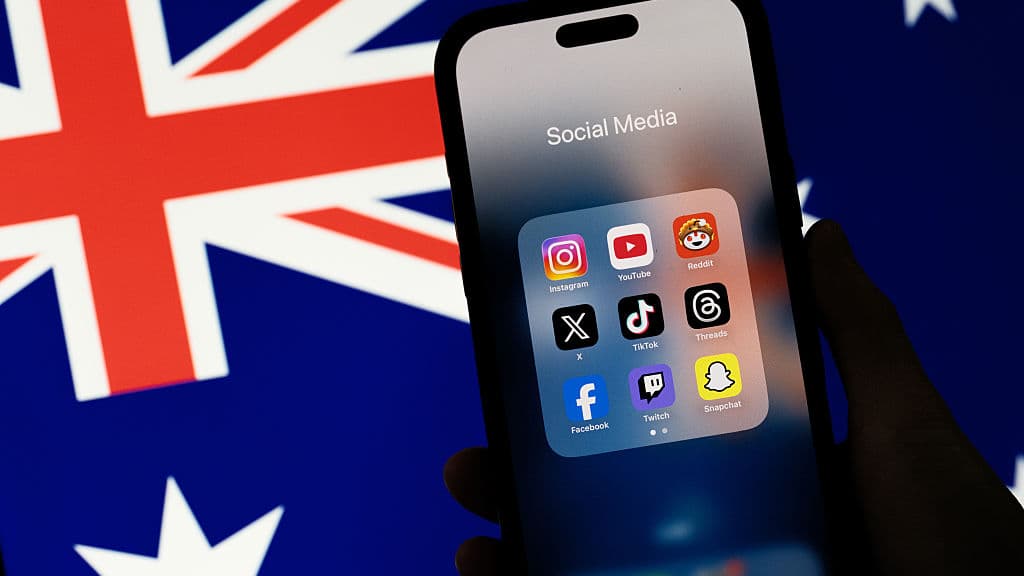
Last December, it implemented a global-first social media ban for residents under 16, which has had mixed results but has also inspired other countries to follow suit.
asserted
which → implement → suit
“It’s about Australia taking action on the side of parents and children, not foreign-owned tech companies,” he told Parliament on Tuesday.
asserted
he → ’ → Tuesday
Tech firms like Meta and Apple, many of which are headquartered in the U.S., have said that they want to improve child protection and curb harm on their platforms, though they have pushed back against how broad they say Australia’s laws are.
asserted
laws → headquarter → platforms
Critics of the Digital Duty of Care law particularly question who gets to decide what counts as harmful content.
asserted
what → question → content
David Brat, the U.S. Ambassador to Australia, said he had conveyed the Trump Administration’s objections to the law amendments to Wells on Tuesday.
asserted
he → say → Tuesday
“Vaguely defined ‘harms,’ backed by penalties of up to 5% of global revenue, will push platforms to censor lawful speech,” Brat posted on social media.
asserted
Brat → define → media
“As Australia’s largest foreign investor, the U.S. is concerned with regulations that impose disproportionate compliance burdens on American companies relative to competitors.”
asserted
that → concern → competitors
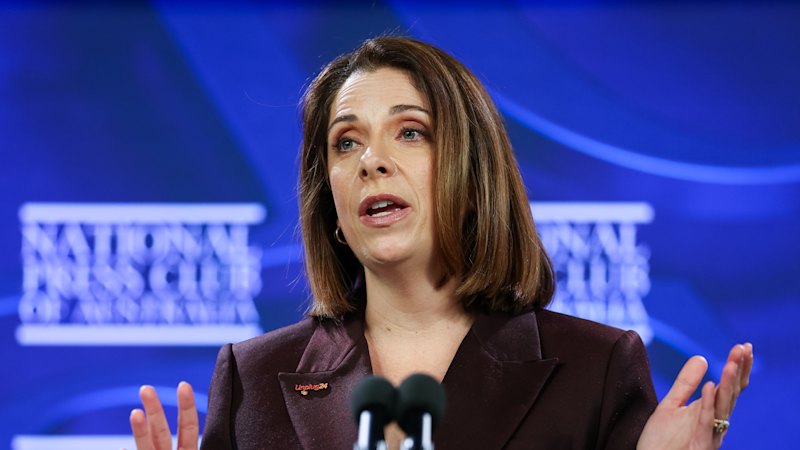
Last month, Wells told the National Press Club that the new law would apply to U.S. President Donald Trump’s Truth Social platform.
asserted
law → tell → platform
On Tuesday, she said her ministry was ironing out differences with their American counterparts.
asserted
ministry → say → counterparts
What does the Digital Duty of Care law do?
asserted
law → do → Care
The law amends a collection of internet-related legislation, including Australia’s 2021 Online Safety Act, which set 17 online safety codes and standards to combat unlawful and age-restricted material.
asserted
which → amend → material
Amendments have been pursued for years amid criticisms that previous safeguards were inadequate.
asserted
safeguards → pursue → criticisms
Wells said in October that those prior codes “were drafted by big tech for big tech.”
asserted
codes → say → tech
The Digital Duty of Care law, which was introduced in Parliament in October, repeals those prior codes in favor of a broader “duty of care” requirement for tech firms, following a 12-month transition period.
asserted
which → introduce → period
The duty mimics how Australia regulates other sectors, including aged care and child supervision, commercial vessel and rail safety, and workplace safety, in which businesses and providers are expected to manage risks to health and safety “as much as is reasonably practicable.”
asserted
businesses → mimic → health
Under the Digital Duty of Care law, platforms must provide risk assessments to regulators at least once a year, and they must notify regulators before they introduce significant changes to their platforms that could allow for new risks of harm, such as “addictive” design features.
uncertain
that → provide → features
The amendments also make it easier for Australian citizens to hold tech companies to account.
asserted
citizens → make → account
Previously, one needed to rely on complex legal avenues concerning company negligence and consumer protection.
asserted
one → need → negligence
The new law grants Australians the “private right of action,” which means they can directly sue digital platforms for breaching their duty of care.
asserted
they → grant → care
The new law also implements stronger privacy protections for users, expanded regulatory powers to remove “nudifying” services, and a clarified definition of “hostile attitudes to women”—which now refers to material depicting hatred or the inferiority of women or promoting violence, abuse, exclusion, or the denial of women’s rights.
asserted
law → implement → rights
The bill would also require tech firms to allow users in Australia to opt out of a platform’s algorithm and instead choose to see only content from accounts they follow.
asserted
they → require → accounts
It also introduces steeper fines for violations, which Wells said the Australian public demanded.
asserted
public → introduce → violations
Initially, the proposed maximum penalty was 109 million Australian dollars ($72 million), but it was raised to up to 5% of the violator’s global revenue.
asserted
it → propose → revenue
The steep fines mirror those in other jurisdictions, including Canada’s proposed 3% penalty in a bill that would require Big Tech to reduce the risk of harmful content and the European Union’s draft 6% fine against companies that push for unfair trade practices.
asserted
that → mirror → practices
How have critics responded?
asserted
critics → respond → ?
The Tech Council of Australia, an industry body whose membership includes companies like Google, Microsoft, and LinkedIn, told the Guardian in a statement that it supported the legislation but was concerned over its impact on businesses, particularly in its empowering of individuals to sue.
asserted
it → include → individuals
“A private right of action is a complex undertaking with significant consequences,” a spokesperson said.
asserted
spokesperson → say → consequences
“How this is implemented is critical, and we need proper consultation to ensure that businesses are not hindered from investing in Australia.
asserted
businesses → implement → Australia
If we get this wrong, it will be counterproductive to encouraging innovation in Australia.”
asserted
it → get → Australia
The conservative opposition coalition has called the law “a blank cheque for political censorship.”
asserted
coalition → call → censorship
Senator Sarah Henderson said on Tuesday that the bill compromised current legislation, gave “extensive” powers to the government, and would hurt smaller tech businesses.
asserted
bill → say → businesses
“The fact is the digital duty of care should never have seen the light of day,” Henderson said.
asserted
Henderson → see → day
“This is policy on the run, driven by an insidious agenda to shut down lawful speech and control political debate.”
asserted
This → drive → debate
 The Aporia