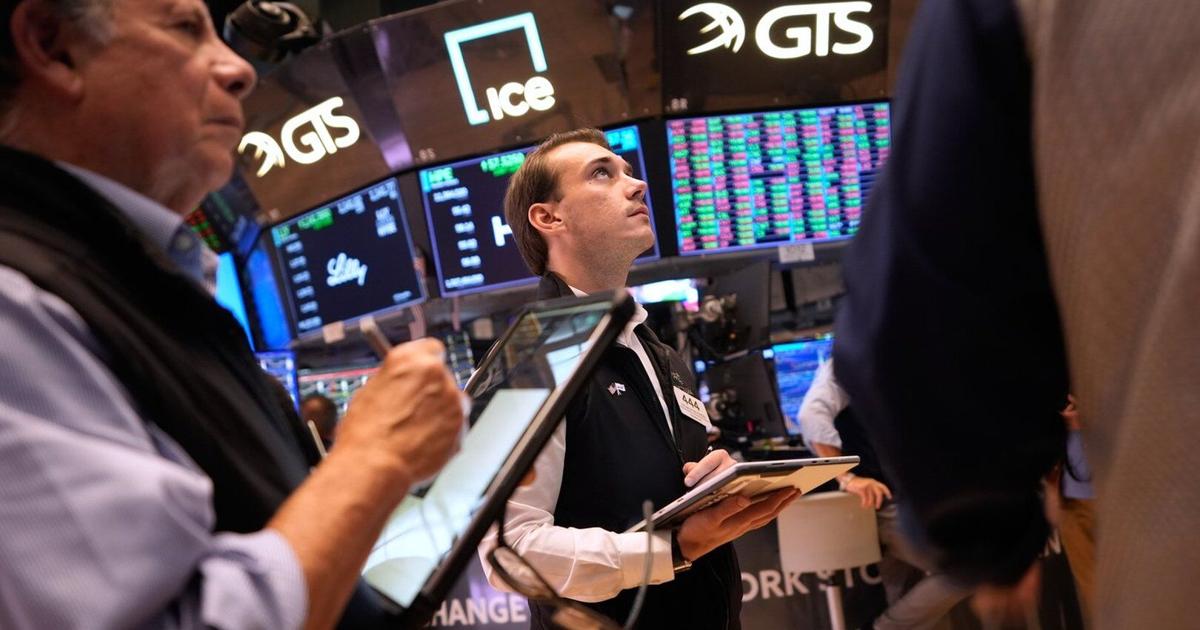
Photo via Toronto Star

Japan's central bank raises benchmark interest rate to 1.25%

Read the original at Toronto Star ↗
Cite

Kageyama, Y. (2026, September 18). Japan's central bank raises benchmark interest rate to 1.25%. Toronto Star. https://www.thestar.com/news/world/asia/japan-s-central-bank-raises-benchmark-interest-rate-to-1-25/article_7c023ecb-5591-5a07-8cf8-87d61db8d715.html

Dated when The Aporia collected the article, usually within hours of publication. Check the original for its exact date and byline.

Toronto Star · collected 2026-09-18 · by Yuri Kageyama

Quick Summary

Japan’s central bank increased the benchmark interest rate to 1.25%, marking a 31-year-high. The Bank of Japan aims to normalize monetary policy after prolonged periods with near-zero rates intended to stimulate borrowing and spending. This move comes amid rising inflationary pressures, primarily due to high oil prices resulting from the conflict in Iran, which negatively impacts resource-dependent Japan.
Written by AI on 2026-09-18, from this article's own text only (the story summary below draws on all the coverage).
See how they differ ↓

AI analysis

Story summary

On September 18, 2026, Japan's central bank, the Bank of Japan (BOJ), raised its main interest rate to a new 31-year high of 1.25% from 1%, marking the sixth increase since late 2024. This move comes amid rising inflation and pressure from major global events like the Iran war, which have driven up energy prices globally. The BOJ's decision follows similar actions by other central banks such as the US Federal Reserve and the European Central Bank to combat inflationary pressures. Japan now faces economic challenges including a weak yen and a shrinking workforce, factors that contribute to increasing domestic prices despite efforts to normalize interest rates after years of ultra-low borrowing costs aimed at stimulating the economy.

Written for “Japan Raises Interest Rates” on 2026-11-21, grounded in this article and the 6 other(s) covering the same event.

How they differ

6 outlets covered “Japan Raises Interest Rates”.

What each outlet says

One AI summary per outlet of its latest article on this story, written from that article alone and checked against it. Open the article for the outlet's own words.

Toronto StarThis outlet18 Sep

Japan’s central bank increased the benchmark interest rate to 1.25%, marking a 31-year-high. The Bank of Japan aims to normalize monetary policy after prolonged periods with near-zero rates intended to stimulate borrowing and spending. This move comes amid rising inflationary pressures, primarily due to high oil prices resulting from the conflict in Iran, which negatively impacts resource-dependent Japan.

Japan's central bank raises benchmark interest rate to 1.25% (this article)2 articles from Toronto Star on this story

BBC18 Sep

Japan's central bank raised its main interest rate to 1.25%, marking a 31-year high since 1995, in response to increasing inflation and economic pressures. The Bank of Japan (BOJ) has incrementally increased rates six times since late 2024 as global oil prices rise due to the Iran war, affecting energy supplies critical for Japan's economy. While inflation slightly eased to 1.7% in August from 1.8% the previous…

Japan raises interest rate to new 31-year high to curb rising prices →
Al Jazeera18 Sep

The Bank of Japan increased interest rates to 1.25%, a 31-year high, in response to rising inflation and wage growth. The hike comes amid global pressures, including similar moves by the Federal Reserve and European Central Bank, which could impact the yen's value and further inflationary pressures in Japan. Structural issues such as a shrinking labor force contribute to ongoing inflation, pushing core consumer…

Japan’s interest rate hiked to 31-year high at 1.25% as inflation rises →
ABC News (AU)18 Sep

Japan's Bank of Japan raised interest rates to 1.25%, marking the second increase this year following a rise in June that pushed rates to 1%. This move comes amid inflation at nearly 2%—a significant shift for a country accustomed to near-zero rates over decades. The central bank cited global energy prices and currency fluctuations as key factors, signaling potential further hikes due to ongoing economic pressures…

Japan lifts interest rates to counter 'shocking' inflation →
The Hindu18 Sep

On September 18, 2026, the Bank of Japan raised its interest rates by 25 basis points to 1.25%, marking a more than 30-year high in an effort to combat inflation driven by surging energy prices and a weak yen. The decision was approved with a 7-2 majority vote despite growing pressure for further tightening measures. Despite the hike, the yen weakened, trading at over 157 per dollar compared to around 156.30 before…

Bank of Japan hikes rates to 31-year high to battle inflation →
The Guardian18 Sep

Japan’s central bank raised its target interest rate to 1.25%, the highest level since 1995, in response to global inflation pressures linked to conflicts in Iran. The Bank of Japan (BoJ) joined other major central banks like the US Federal Reserve and European Central Bank in tightening monetary policy this month but did not unanimously support the increase with two board members dissenting. Economists caution that…

Japan raises interest rates to 31-year high to curb impact of rising prices →

Where they agree and split

Framing

How the first headlines put it

Stated as fact6
The headlines (6)

Japan raises interest rate to new 31-year high to curb rising prices BBC · stated as fact

Japan’s interest rate hiked to 31-year high at 1.25% as inflation rises Al Jazeera · stated as fact

Japan lifts interest rates to counter 'shocking' inflation ABC News (Australia) · stated as fact

Bank of Japan hikes rates to 31-year high to battle inflation The Hindu · stated as fact

Asian shares mostly rise, cheered by a US rally and easing oil prices Toronto Star · stated as fact

Japan raises interest rates to 31-year high to curb impact of rising prices The Guardian · stated as fact

Words to watch (1)

Japan lifts interest rates to counter 'shocking' inflation ABC News (Australia)

The full story: what happened, how it changed, and all 7 articles →

Compared with similar articles

This article reads leans right and hedges 0% of its claims. Each row says how that neighbour differs.
ABC News (AU)
Hedges 4 of 43 claims Outlet record 67/100
BBC News
Hedges 0 of 21 claims Outlet record 65/100
Al Jazeera
Hedges 1 of 9 claims Outlet record 60/100
The Hindu
Hedges 3 of 16 claims Outlet record 60/100
The Guardian
Hedges 2 of 15 claims Outlet record 64/100
Toronto Star
Hedges 1 of 29 claims Outlet record 64/100

Story

Japan Raises Interest Rates
Economy/Business · 7 article(s) covering the same event. Compare every outlet's account →
How this article was measured signals, leaning charts, publisher record, byline, topics and claims

Signals How these are calculated →

Claims extracted
4
sentences that state something as happening or true
Uncertain
0%
0 of 4 hedged ("reportedly", "may", "according to")
Leaning
Leans right
of the writing, not the subject · beta estimate
Publisher signals
64/100
Toronto Star's corrections and hedging, across everything collected from it. Not a measure of accuracy.
Outlets on this story
7
Economy/Business
Same framing elsewhere
1
articles that frame the event the way this one does
Analyzed 2026-09-18 · how these are computed

How this is being covered How these are calculated →

Article leaning vs. publisher reliability
Source leaning vs. consistency

Publisher

Toronto Star · 16334 article(s) · 31 correction(s) detected
Running correction rate · 31 correction(s)
2026-11-17
Correction
2026-10-26
Correction
2026-10-24
Correction
2026-10-07
Correction
2026-09-24
Correction

Who wrote this

Yuri Kageyama
14 article(s) here · 0 carrying a prediction
Markets took that to mean the Federal Reserve will be less likely to raise its benchmark rate.
The price is volatile because of uncertainty about when the war with Iran will allow oil to flow freely again from the Middle East, including access to the Strait of Hormuz.
2026-09-28 · assertive framing · Asian shares trade mixed as oil prices rise
The price for a barrel of Brent remains much higher than the roughly $72 it cost before the war with Iran began and worries are running high that the war with Iran will keep oil bottled up in the Middle East for a long time.
When he switched to his current job, at a flower shop, he decided to take up a pursuit that was Japanese, so he could explore that aspect of himself, and one that could be done for a long time, alone.
Wall Street stocks got a boost after the price for a barrel of Brent crude oil slid from the nearly $110 it reached earlier in the week on worries that the war with Iran will keep oil bottled up in the Middle East instead of going to customers worldwide.
U.S. markets will be closed Monday for the Labor Day holiday.
Also by Yuri Kageyama
Nothing else under this byline is closely related to this article, so these are simply their most recent.
All 14 articles by Yuri Kageyama →

Topics

Iran Japan TOKYO The Bank of Japan

Subjects

Japan GPE · 3× Iran GPE · 1× TOKYO GPE · 1× The Bank of Japan ORG · 1×

Narrative

The Bank of Japan has been trying to normalize monetary policy after decades of keeping interest rates near or below zero to try to encourage more borrowing and spending to counter deflation and pull Japan’s economy out of the doldrums.
framing: assertive · carried by 1 article(s) · first seen 2026-09-18
2026-09-18 · Toronto Star
Japan's central bank raises benchmark interest rate to 1.25% · assertive framing

Claims (4 extracted, 0 hedged)

TOKYO (AP) — Japan’s central bank on Friday raised the benchmark interest rate to 1.25% from 1.0%, a 31-year-high. asserted
bank → raise → %
The Bank of Japan has been trying to normalize monetary policy after decades of keeping interest rates near or below zero to try to encourage more borrowing and spending to counter deflation and pull Japan’s economy out of the doldrums. asserted
Bank → try → doldrums
Inflationary pressures are rising because of the war in Iran, which has sent oil prices soaring in recent months. asserted
which → rise → months
That is a big negative for resource-poor Japan, which virtually imports all its oil. asserted
which → import → oil
Give feedback · no sign-in needed

No sign-in needed for now. Your note is sent without a name, so it cannot be answered.

History Support