The Aporia
Zane, D. (2026, November 25). South Africa baobab trees replanted after smuggling attempt. Semafor. https://www.semafor.com/article/11/25/2026/five-baobab-trees-replanted-in-a-south-african-nature-reserve-after-attempted-illegal-export
Zane, Damian. “South Africa baobab trees replanted after smuggling attempt.” Semafor, 25 Nov. 2026, https://www.semafor.com/article/11/25/2026/five-baobab-trees-replanted-in-a-south-african-nature-reserve-after-attempted-illegal-export.
Zane, Damian. “South Africa baobab trees replanted after smuggling attempt.” Semafor, November 25, 2026. https://www.semafor.com/article/11/25/2026/five-baobab-trees-replanted-in-a-south-african-nature-reserve-after-attempted-illegal-export.
Dated from the outlet's own feed. Check the original for its byline.
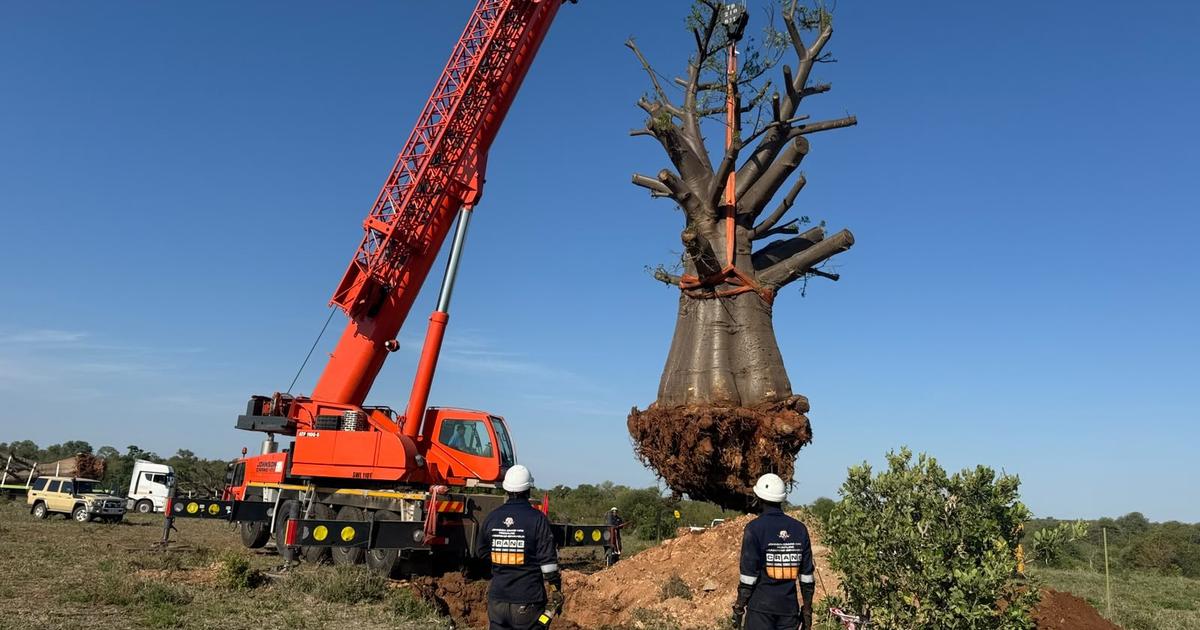
Two two-century-old baobab trees, revered in many parts of Africa, were illegally uprooted and transported over 900 kilometers from their original location to Durban’s port, with the intent of being exported to Georgia. The South Africa-based conservation charity, the Baobab Foundation, intervened and facilitated the replanting of these trees in a nature reserve. Although the initial plan was to transport the trees to Georgia without obtaining necessary permissions from the authorities, they were instead returned to their natural habitat after a three-day journey. This incident highlights the ongoing issue of baobab tree smuggling, which, though lacking systematic data, has been reported by conservationists across the continent. Baobabs hold cultural and spiritual significance for many African communities, serving as shrines and meeting places, in addition to providing food and shade.