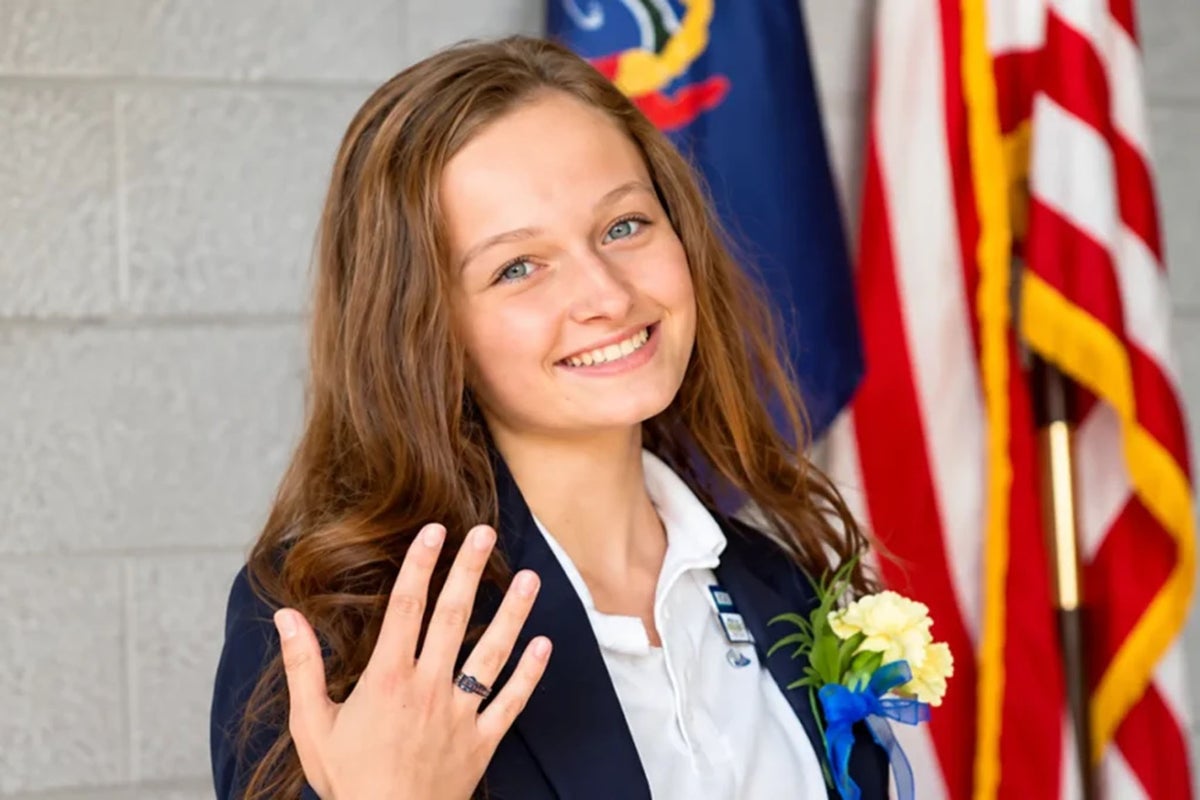
A Pennsylvania teenager who died of brain cancer at 18 could one day become the Catholic Church’s first Gen Z saint.
uncertain
who → die → 18
The U.S. Conference of Catholic Bishops (USCCB) voted Tuesday to advance the beatification and canonization cause of Maria Middleton, who died on Oct. 8, 2020.
asserted
who → vote → Oct.
The move came after Philadelphia Archbishop Nelson J. Pérez filed a petition on her behalf, according to a USCCB release.
uncertain
Pérez → come → release
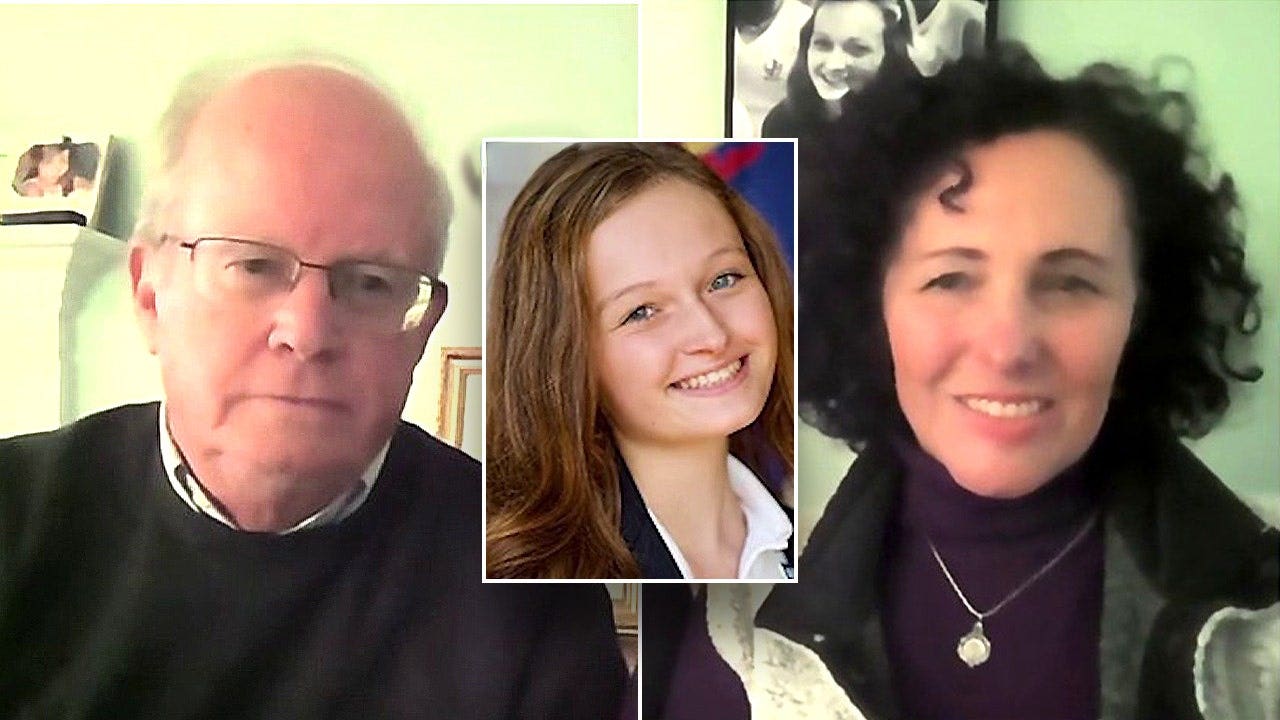
Her parents, Susan and Brian Middleton, told ABC affiliate WPVI they’re still trying to wrap their heads around what it all means.
asserted
it → tell → what
God created us to be saints,” Susan said, while Brian added, “We’re sort of living in a space somewhere between heaven and earth.”
asserted
We → create → heaven
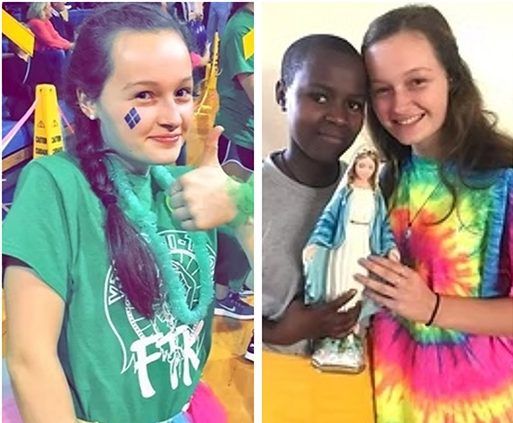
Born in Doylestown in 2002, Maria was remembered by the USCCB for her faith, kindness and willingness to help others.
asserted
Maria → bear → others
She organized coat drives, spent Thanksgiving holidays handing out clothing to families in Harlem, raised money for children with cancer, prepared meals for seniors, collected Christmas gifts and Easter baskets, and visited nursing-home residents.
asserted
She → organize → residents
She also served as a lector and altar server, organized youth retreats and volunteered as a cantor at her parish.
asserted
She → serve → parish
‘You don’t have to be weird to be holy’
asserted
You → have → ?
But her parents say she wasn’t some overly serious teenager who spent every waking moment praying.
asserted
who → say → moment
Maria loved Taylor Swift, dancing, her pets and telling jokes.
asserted
Maria → love → jokes
“Our favorite Maria quote is, ‘You don’t have to be weird to be holy,’ ” Brian told ABC News.
asserted
Brian → have → News
“She was in every way normal, but she had this extraordinary faith and pursuit of virtue.”
asserted
she → have → virtue
At 16, Maria was diagnosed with an inoperable brain tumour — a devastating blow her mother described as a “nightmare” with no way out.
asserted
mother → diagnose → way
It was a no-way-out situation,” Susan told WPVI.
asserted
Susan → tell → WPVI
The family prayed, with people around the world joining them.
asserted
people → pray → them
Despite her diagnosis, Maria travelled to Uganda nine months later, raising money to help improve a school she visited, Newsweek reports.
asserted
Newsweek → travel → school
Reports of people being healed
Since her death, people have travelled from around the world to visit her grave at the Shrine of Our Lady of Czestochowa in New Britain Township, Penn.
asserted
people → heal → Township
The USCCB said there have been reports of people receiving blessings and healing through her intercession.
asserted
people → say → intercession
Her family also found writings she left behind.
asserted
she → find → writings
When they wondered what the last thing she managed to write by hand was, they found two simple words: “Think hope.”
asserted
they → wonder → hope
That phrase has since become the title of a book about Maria and the name of the Think Hope Foundation created in her memory, according to PEOPLE.
uncertain
phrase → become → PEOPLE
So what happens next?
asserted
what → happen → ?
The Catholic Church’s path to sainthood typically begins with a diocesan investigation into a person’s life, writings and reputation for holiness, according to WMUR.
uncertain
path → begin → WMUR
If the Vatican approves the evidence, the pope may declare the person “Venerable,” recognizing their heroic virtue.
uncertain
person → approve → virtue
The next step, beatification, generally requires one miracle attributed to the person’s intercession after death, unless the candidate was a martyr.
asserted
candidate → require → death
Canonization — the final step — typically requires a second miracle and allows the person to be recognized as a saint by the universal Church, according to Newsweek.
uncertain
person → require → Newsweek
It’s a lengthy process, often taking years of investigation and Vatican review.
asserted
It → ’ → investigation
 The Aporia