OTTAWA — Prime Minister Mark Carney is downplaying the recent spike in American criticism over the state of Canada’s military, suggesting U.S. President Donald Trump — who has long accused Canada of freeloading on the United States for its defence — has not voiced similar concerns in their own discussions.
asserted
who → downplay → discussions
Carney’s comments follow intensifying pressure from the Pentagon, including a two-page ”fact sheet” published this week that claimed the Canadian Armed Forces has “atrophied” through years of underspending and said Ottawa has no clear plan to meet its NATO spending commitments.
asserted
Ottawa → follow → commitments
On Tuesday, media including the CBC reported that a senior U.S. defence official briefed reporters about an ongoing campaign designed to press the Canadian government to “credibly turn” its military pledges into actions that help protect North America.
asserted
that → include → America
Heading into Wednesday’s Liberal caucus meeting on Parliament Hill, Carney insisted his government is “taking responsibility for our defence.”
asserted
government → head → defence
He pointed to the military’s operation in Latvia, where Canadian soldiers are leading a NATO force meant to deter further Russian aggression in Eastern Europe, as well as almost $82 billion in new defence spending earmarked over five years in the 2025 federal budget.
asserted
soldiers → point → budget
The prime minister also said Trump has not directly voiced concerns like those the Pentagon shared this week.
asserted
Pentagon → say → those
“Look, the commander-in-chief of the U.S. military is the president of the United States, and I can assure you that in my discussions with the president of the United States, we’re focused on conflict resolution around the world, and he has not raised issues such as has been reported recently,” Carney said.
asserted
Carney → look → issues
“We’re making historic investments in our military.”
asserted
We → make → military
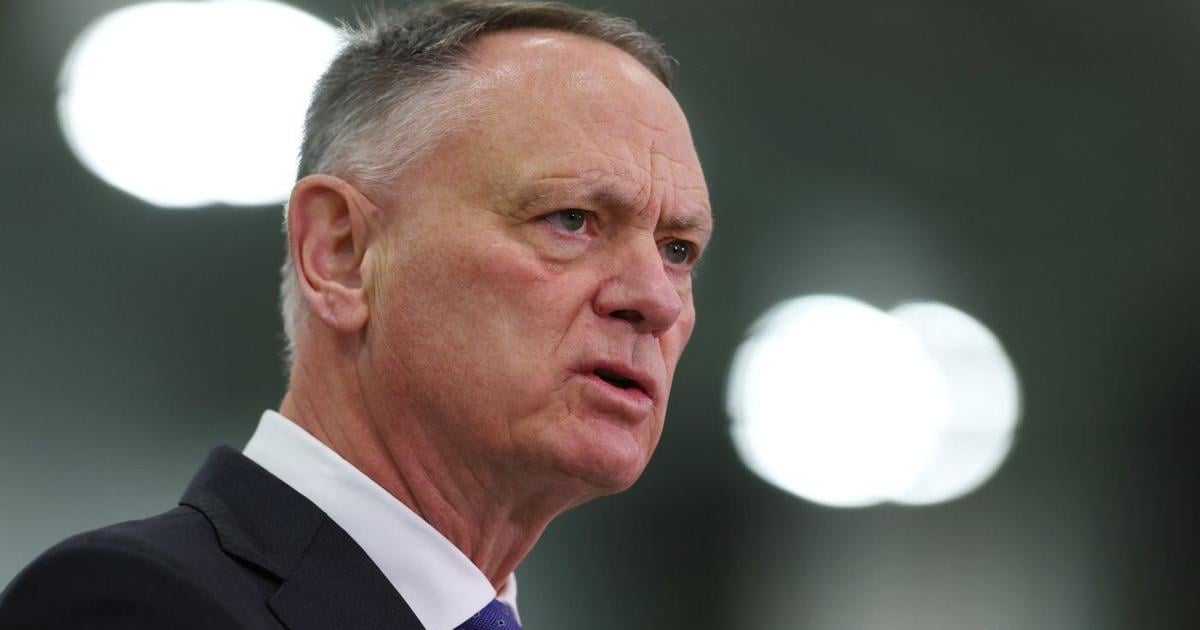
A day earlier, Defence Minister David McGuinty told reporters that Canada is boosting its military and that it intends to achieve the new NATO target to spend at least five per cent of gross domestic product (GDP) on defence and defence-related initiatives by 2035 — even as Canada plans to review the goal in 2029.
asserted
Canada → tell → 2029
Andrea Charron, director of the Centre for Defence and Security Studies at the University of Manitoba, said it’s not clear why the U.S. is putting renewed pressure on Canada over military spending at this point.
asserted
U.S. → say → point
She noted factors in the “background,” including the ongoing review of Canada’s purchase of 88 American-made F-35 fighter jets, with commitments to acquire at least 16 of the planes so far — with questions about the future of that procurement marked as a “capability shortfall” in the Pentagon missive this week.
asserted
She → note → missive
But even if there is some truth in the U.S. criticism of Canada’s defence spending, Charron said, it ignores the broader context of the country’s effort to bolster its military, including through more than $38 billion pledged to improve Arctic radar and work with the Canada-U.S. North American Aerospace Defence Command (Norad).
asserted
it → be → Command
“It’s unprecedented to publish, at the highest level, quote-unquote ‘fact sheets’ that call into question the military capability of your closest ally and partner, who is in lockstep with the United States when it comes to defending North America,” Charron said.
asserted
Charron → ’ → America
That tactic could bolster the view advanced by countries like Russia and China that U.S.-led alliances like Norad and NATO are under strain, Charron said.
uncertain
Charron → bolster → strain
“The concern is this constant public sniping creates the conditions for adversaries to stoke that narrative to further divide us,” she said.
asserted
she → create → us
Titled “Canadian Defence Shortfalls,” the Pentagon missive took aim at what the Carney government has admitted is Canada’s long record of underinvestment in the country’s military.
asserted
government → title → military
When Carney took office, he quickly took steps to hit that target in the 2025-26 fiscal year, shifting the Coast Guard into the Department of National Defence and raising soldiers’ salaries as part of a $9-billion infusion of cash.
asserted
he → take → cash
The government then signed on to a new NATO pledge to increase defence spending to five per cent of GDP by 2035, with 3.5 per cent focused on “core” military needs and 1.5 per cent including defence- and security-related spending in areas like infrastructure, hiring new RCMP and border officers, and national emergency alert systems.
asserted
cent → sign → RCMP
The U.S. has now zeroed in on the fact that current budgets don’t chart a path to that 2035 target, with the Pentagon alleging “flawed prioritization” and “unfocused global commitments” from Canada.
asserted
Pentagon → zero → Canada
This month’s federal budget shows total defence and defence-related spending increasing to 4.1 per cent of GDP by 2027-28, and remaining at that level until 2030-31, when “core” defence spending is projected to be $99.2 billion.
asserted
spending → show → 2030
The “fact sheet” also highlighted persistent problems with Canadian military equipment.
asserted
sheet → highlight → equipment
A recent National Defence report said less than 54 per cent of the navy’s fleets were in good enough shape for training, readiness, and operational requirements in 2025-26, down from 59 per cent a year earlier.
asserted
cent → say → cent
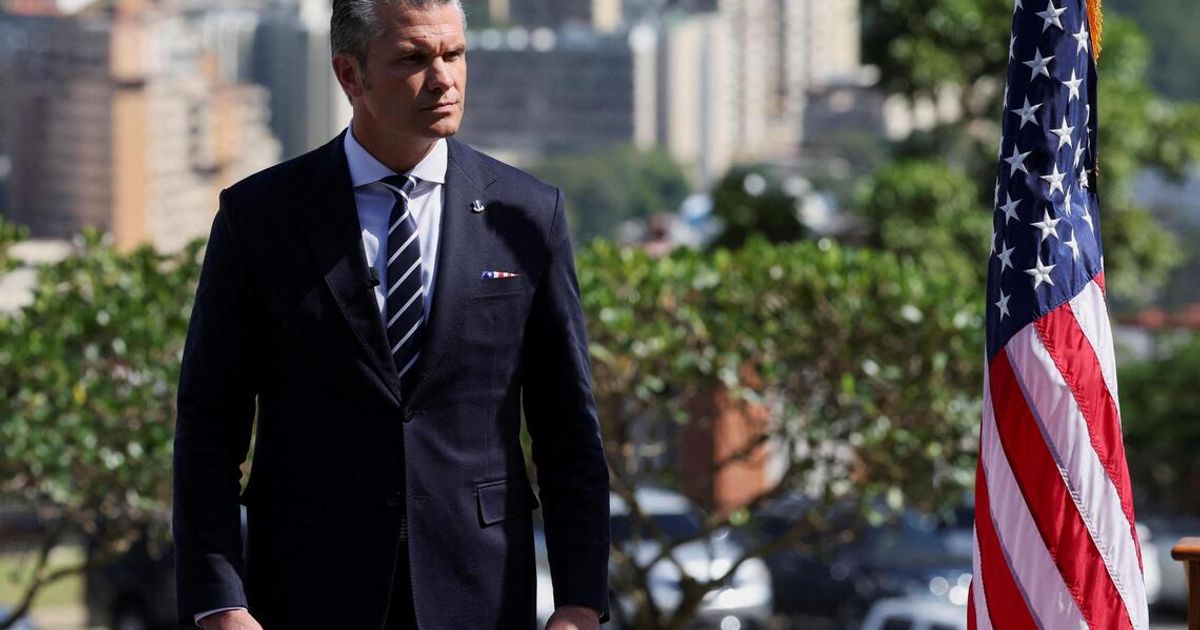
The Pentagon criticism followed reports of a secret memo from U.S. Defence Secretary Pete Hegseth, which the Washington Post said imposed restrictions on interactions between Canadian and American military personnel.
asserted
Post → follow → personnel
Republican Sen. Mike Rounds told reporters the memo is meant to apply in areas like think-tank conferences, not military operations.
asserted
memo → tell → conferences
Justin Massie, director of the Network for Strategic Analysis at the Université du Québec à Montréal, noted that the U.S. has already walked away from the Permanent Joint Board on Defence that saw American and Canadian officials discuss strategy for decades.
asserted
officials → note → decades
If the administration’s dissatisfaction continues, there are other ways of “putting pain” on Canada to influence how it spends money on the military, Massie added, citing reducing intelligence-sharing or co-operation in Norad as examples.
asserted
Massie → continue → examples
“Every other administration, whether Democrat or Republican, was dissatisfied with Canada’s defence budgets and readiness levels,” Massie said.
asserted
Massie → say → budgets
“But Trump … is the first one that actually puts costs on Canada, puts pressure, actual coercion — ‘If you don’t do this, there will be consequences.’”
asserted
you → put → this

 The Aporia