In short:
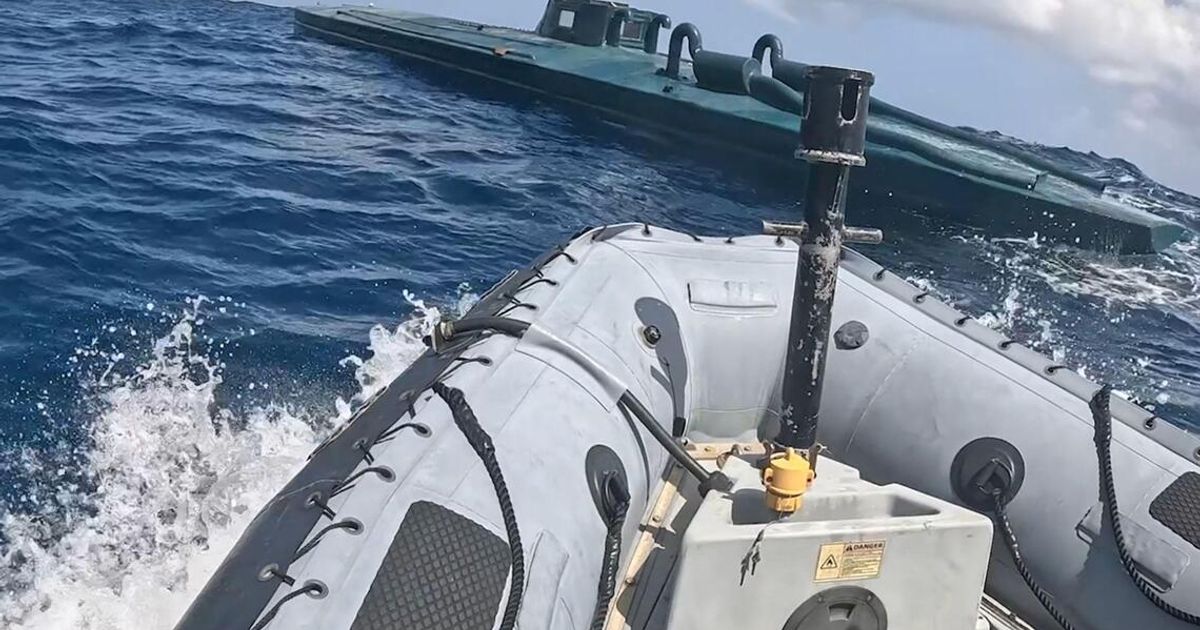
More than 3 tonnes of methamphetamine have been seized from a small unflagged oil tanker by France's armed forces in the Pacific.
asserted
tonnes → seize → Pacific
Experts say the tanker was a "mothership" designed to transport drugs before handing them off to smaller vessels.
asserted
tanker → say → vessels
The drugs have been sent to Tahiti to be destroyed.
asserted
drugs → send → Tahiti
French authorities deployed to the Pacific have seized 3.3 tonnes of methamphetamine, bringing the total amount of drugs French armed forces have seized in the region this year to more than 15 tonnes.
asserted
forces → deploy → tonnes
The French military discovered the drugs after boarding a small unflagged oil tanker outside French Polynesia's maritime zone last Friday.
asserted
military → discover → zone
The operation was assisted by a maritime patrol aircraft from the US Coast Guard.
asserted
operation → assist → Guard
In a statement, the French Pacific Command (CPP) and French Armed Forces in French Polynesia (FAPF) said the vessel was spotted near Clipperton Island, an uninhabited French atoll about 1,100 kilometres from the Mexican coastline.
asserted
vessel → say → coastline
The vessel was tracked for several weeks, with assistance from international partners, before it was intercepted.
asserted
it → track → partners
"The boarding team found 150 bales, weighing 3.328 tonnes, which tested positive to methamphetamine," said the statement translated from French.
asserted
statement → find → French
The drugs were seized and transported to Tahiti for destruction, the CPP-FAPF said.
asserted
FAPF → seize → destruction
The crew and vessel were released in line with international law and flagged to international authorities.
asserted
crew → release → authorities
Tanker a drug 'mothership'
The haul follows several other drug interceptions by French armed forces this year, including three cocaine seizures totalling more than 11 tonnes across January and February, much of which was bound for Australia.
asserted
much → follow → Australia
But unlike those operations, which targeted smaller vessels, this interception involved what is known as a "mothership", said associate professor Jose Sousa-Santos, convenor of the Pacific Regional Security Hub at the University of Canterbury in New Zealand.
asserted
Santos → target → Zealand
Mr Sousa-Santos said mothership vessels were intended to operate undetected until they approached a Pacific island, Australian or New Zealand waters.
asserted
they → say → island
"They are meant to travel underneath the radar undetected until it gets closer to Pacific island, Australian or New Zealand shores," he said.
asserted
he → mean → shores
Mr Sousa-Santos said motherships typically offloaded drug shipments onto smaller craft, including narco-subs, which then carried the cargo to smaller ports or remote locations.
asserted
which → say → ports
In this case, he said the location of the seizure suggested the vessel was closer to its point of origin than its intended destination.
uncertain
vessel → say → destination
The operation also pointed to a higher level of cooperation between French and US authorities than had previously been seen.
asserted
operation → point → authorities
"This would definitely be a hit and would send a clear message that trafficking in the region has become harder, especially because the seizure has happened so close to the port of origin," he said.
asserted
he → send → origin
A shifting market
Mr Sousa-Santos said a series of large cocaine seizures this year had contributed to a shift in the Australian drug market, with traffickers increasingly turning to methamphetamine.
asserted
traffickers → shift → methamphetamine
He said the most recent seizure reflected that shift, given it occurred in an area of the Pacific more commonly associated with cocaine trafficking.
asserted
it → say → trafficking
"That market has grown, so you expect syndicates to increase the amount of methamphetamine moving toward the Australia and New Zealand market," he said.
asserted
he → grow → market
Mr Sousa-Santos said transporting the seized drugs back to Tahiti, rather than destroying them at sea, could give authorities a greater chance of tracing the shipment to criminal syndicates.
uncertain
transporting → say → syndicates
"By taking the drugs back into port you can test the drugs, map where the point of origin is, map who the exporters are, which cartel and that makes a huge difference to understanding who is exporting to Australia and New Zealand," he said.
asserted
he → take → Australia
"When you're trying to disrupt markets in Australia and New Zealand, this information is critical."
asserted
information → try → Australia
 The Aporia