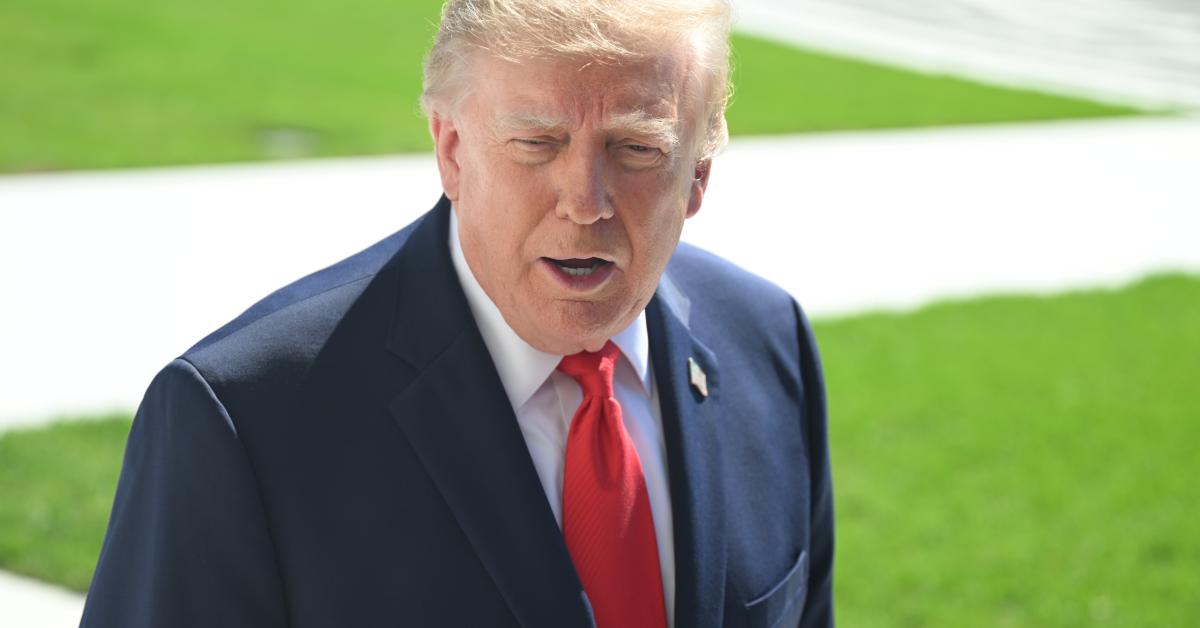
Trump, Democrats seem open to a healthcare deal, but it faces potentially large roadblocks
asserted
it → seem → roadblocks
So far, no Republican senator has publicly backed a comprehensive healthcare reform plan that aligns with "Medicare-for-all."
asserted
that → back → all
Part of the problem appears to be defining what the voter-friendly phrase actually means.
asserted
phrase → appear → what
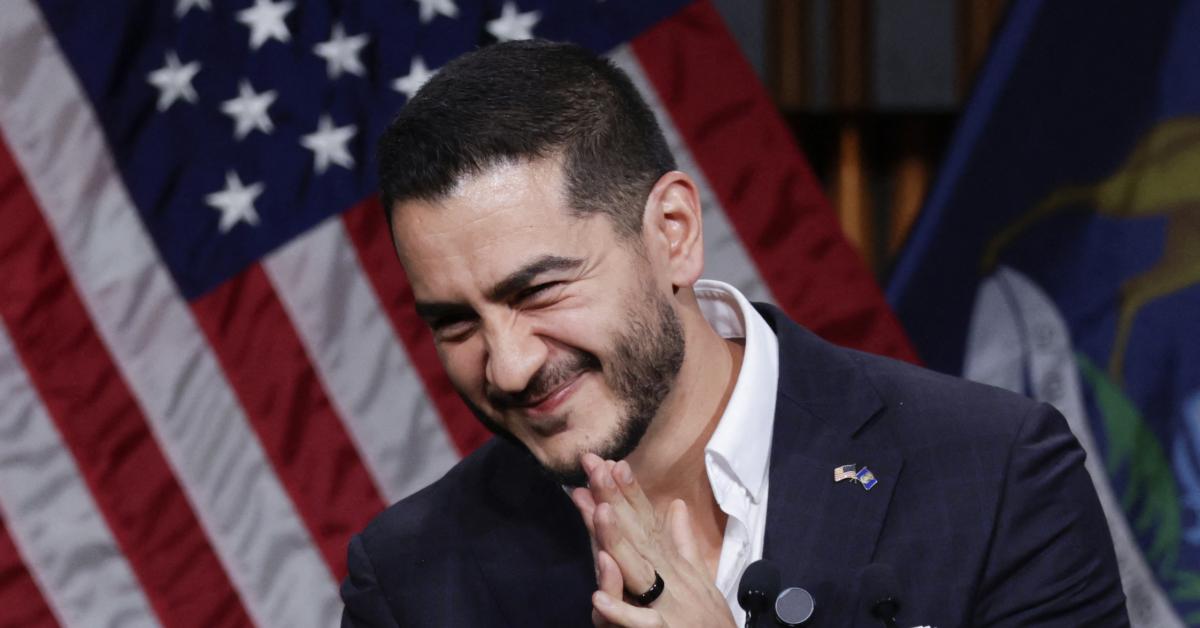
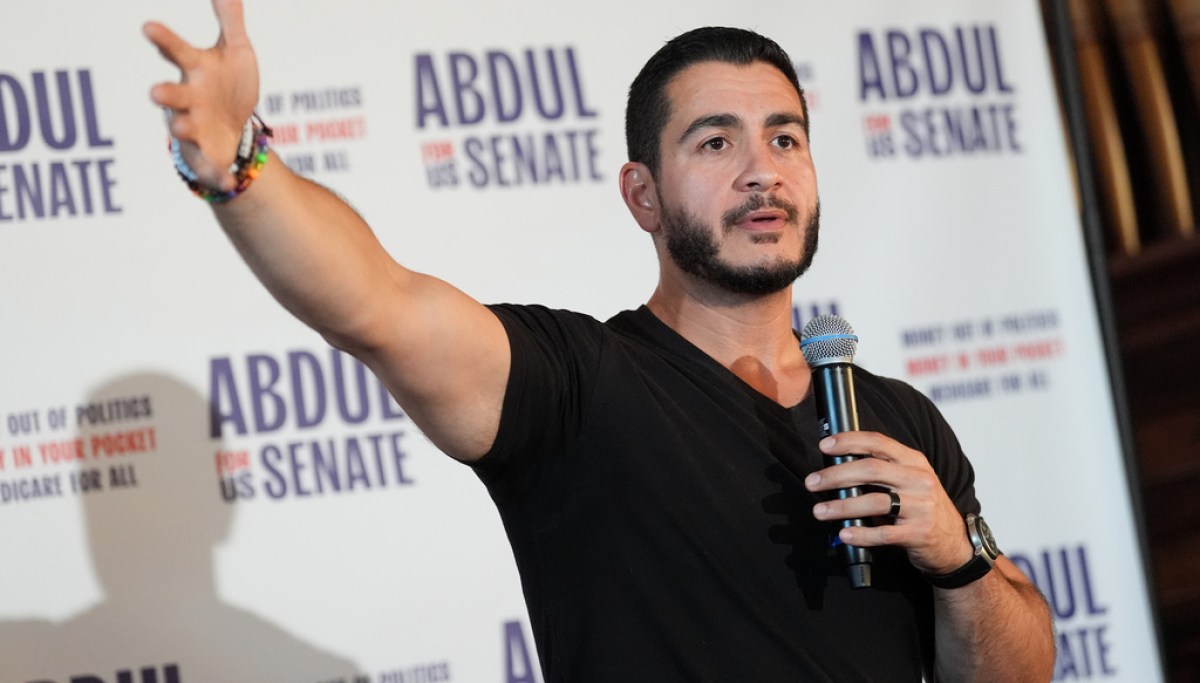
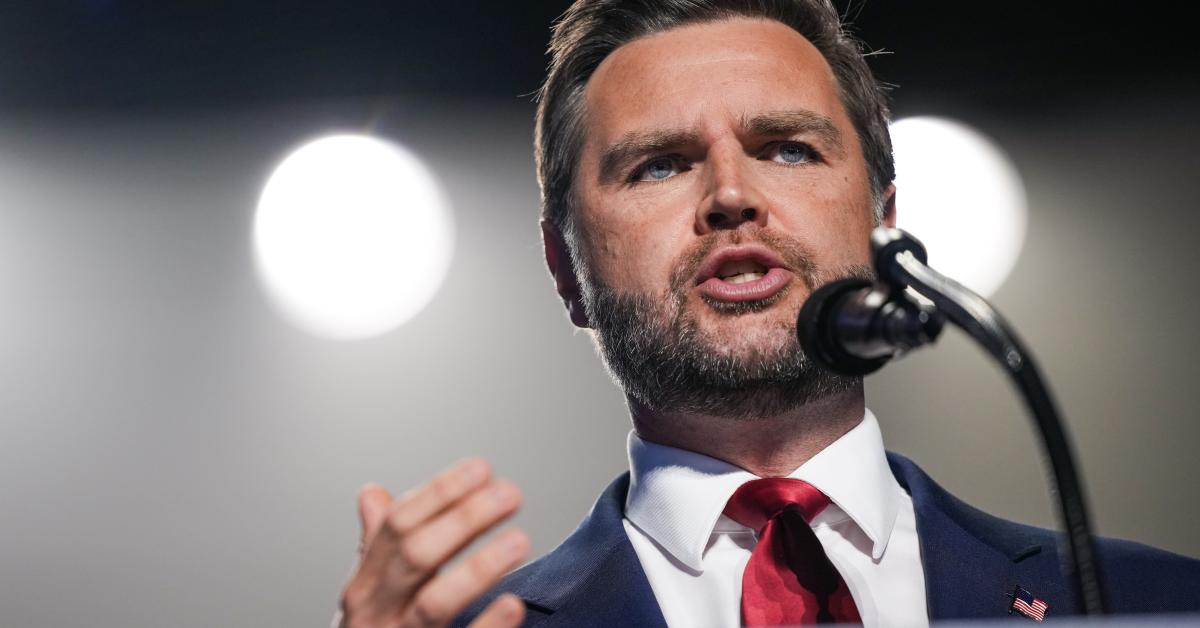
President Donald Trump this month hinted that he might accept a major healthcare reform deal with Senate Democrats after Sen.-elect Abdul El-Sayed, D-Mich., said on Sunday he would pass a single-payer healthcare bill — commonly referred to as “Medicare for All” — with the name “TrumpCare,” adding that he does not “really care what it’s called.”
uncertain
it → hint → name
Still, intra-party struggles, Republican opposition, and an ongoing debate about what “Medicare-for-all” actually means, threaten to derail the effort.
asserted
Medicare → mean → effort
Medicare is a taxpayer-funded healthcare coverage system that currently applies to senior citizens aged 65 or older who meet citizenship or residency requirements.
asserted
who → fund → requirements
Sen. Bernie Sanders, I-Vt., has long pushed for extending the program to cover every American.
asserted
Sanders → push → American
Sanders' proposal is that the first year of the revamped law would lower the Medicare eligibility age from 65 to 55, expand coverage to include dental, vision and hearing care, and guarantee healthcare to children through age 18.
asserted
year → revamp → age
The success of Democratic candidates in the midterms means that the party will take 56 seats in the Senate and a clear majority in the House.
asserted
party → mean → House
While they would need 60 votes to overcome a Senate filibuster, they would need more still to overcome Trump’s veto.
asserted
they → need → veto
That requires a two-thirds vote of the members present and voting in both the House of Representatives and the Senate, which comes out to 290 votes in the House and 67 votes in the Senate, if all legislators voted.
asserted
legislators → require → Senate
Accordingly, some Democrats are eager to win Trump's agreement on the issue.
asserted
Democrats → win → issue
Winning over Trump with flattery and perhaps a slight appeal to ego
Sen.-elect Abdul El-Sayed, D-Mich., this week, posted an image of a gold healthcare card labeled “TrumpCare” and wrote "Donald, this is on the table.
asserted
this → win → table
Trump then shared El-Sayed’s post on Truth Social.
asserted
Trump → share → Social
On Tuesday, Trump stated that he would meet with El-Sayed to discuss the issue, calling him a “smart guy.”
asserted
he → state → him
Ironically, Democrats nationwide have railed against Trump's penchant for eponymous projects, ranging from Kennedy Center to his picture on proposed coins, passports, government websites and more.
asserted
Democrats → rail → coins
Trump, for his part, expressed a willingness to work with El-Sayed, saying, “[h]e did a good job.
asserted
h]e → express → job
He actually did a very good job.
asserted
He → do → job
I know I’ll be meeting with him.
asserted
I → know → him
Maybe there’s some place in the middle that we could go,” he added.
uncertain
he → ’ → that
Trump has separately hinted that he might have an easier time finding common ground with Democrats than he did with Senate Republicans and that his veto would provide him with enough leverage to extract concessions from them.
uncertain
veto → hint → them
What are they actually proposing?
asserted
they → propose → What
“I want everybody to have it.
asserted
everybody → want → it
It would be guaranteed.
asserted
It → guarantee → ?
It’s just there,” El-Sayed told Politico.
asserted
Sayed → ’ → Politico
He further asserted that his proposal would go beyond a public option and exist for all Americans.
asserted
proposal → assert → Americans
Extending Medicare to all Americans would effectively mean that the government pays for the health insurance of its citizens using taxpayer dollars in what is known as a single-payer system.
asserted
what → extend → system
That model would maintain the existing infrastructure of private medical practices, while displacing the private health insurance industry.
asserted
model → maintain → industry
This type of system stands in contrast to the British model, where the National Health Service (NHS) both pays for the cost of medical care and directly operates the lion’s share of hospitals, though it generally relies on private general practitioners.
asserted
it → stand → practitioners
A public option, meanwhile, is a state-provided health insurance plan that competes with private health insurance providers, with the aim of using that competition to drive down prices.
asserted
that → provide → prices
The Affordable Care Act, colloquially called "Obamacare," created state and federal insurance exchanges wherein qualifying persons can purchase a private plan and receive tax credits to offset the cost.
asserted
persons → call → cost
Polling suggests the details haven't been made clear to the public
A recent survey from the Searchlight Institute, a Democratic Party-aligned 501(c)(4) nonprofit advocacy organization, suggests that the public lacks clarity on what “Medicare-for-All” means in practice and that while voters broadly support making healthcare accessible to everyone, they are less keen on a mandatory, uniform public system.
uncertain
they → suggest → system
When asked what “Medicare-for-All” means, 48% of likely voters said that it meant “universal coverage,” while 14% said it meant “free or affordable” healthcare, and 12% thought it meant a government-run or single-payer system.
asserted
it → ask → system
At the same time, voters also appeared confused about the definitions of these terms.
asserted
voters → appear → terms
Only 12% were able to correctly distinguish between Medicare for All, a single–payer system, or a public option.
asserted
% → distinguish → All
When pressed on their desired relationship between public and private insurance options in the market, just 24% said they wanted only a national, single-payer system without private insurance.
asserted
they → press → insurance
A majority of 56% supported a mix between public and private options, while 26% supported the current balance of private healthcare with limited public options for the poor and elderly.
asserted
% → support → poor
Notably, voters overwhelmingly (70%) prefer keeping their current healthcare plans to switching to Medicare or a similar system.
asserted
overwhelmingly → prefer → Medicare
Trump expresses optimism about a compromise with Democrats
Thus far, no Republican senator has publicly backed a comprehensive healthcare reform plan that aligns with Medicare-for-all.
asserted
that → express → all
But Trump himself has been optimistic about the prospect and contended that the legislation might be better because of a Democratic majority.
uncertain
legislation → contend → majority
…and 4 more, not listed.
 The Aporia