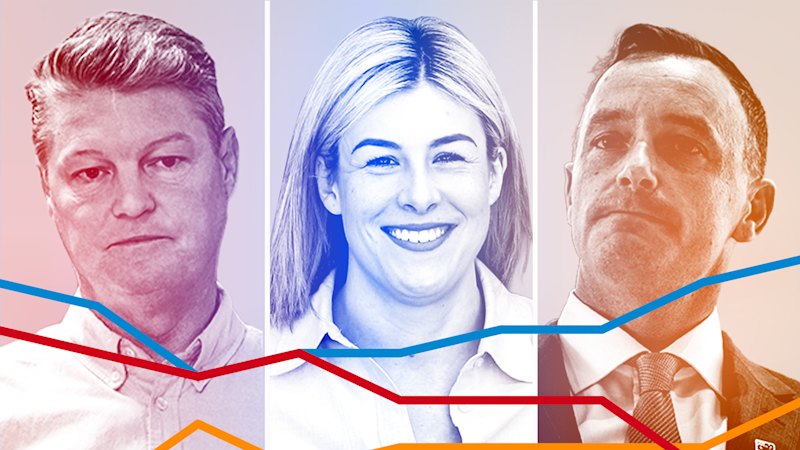
This week, Angus Taylor narrowly became preferred prime minister: a fact of meagre significance on its own, but one unimaginable months ago.
asserted
Taylor → become → own
But also, a fact that is coupled with the changing political winds.
asserted
that → couple → winds
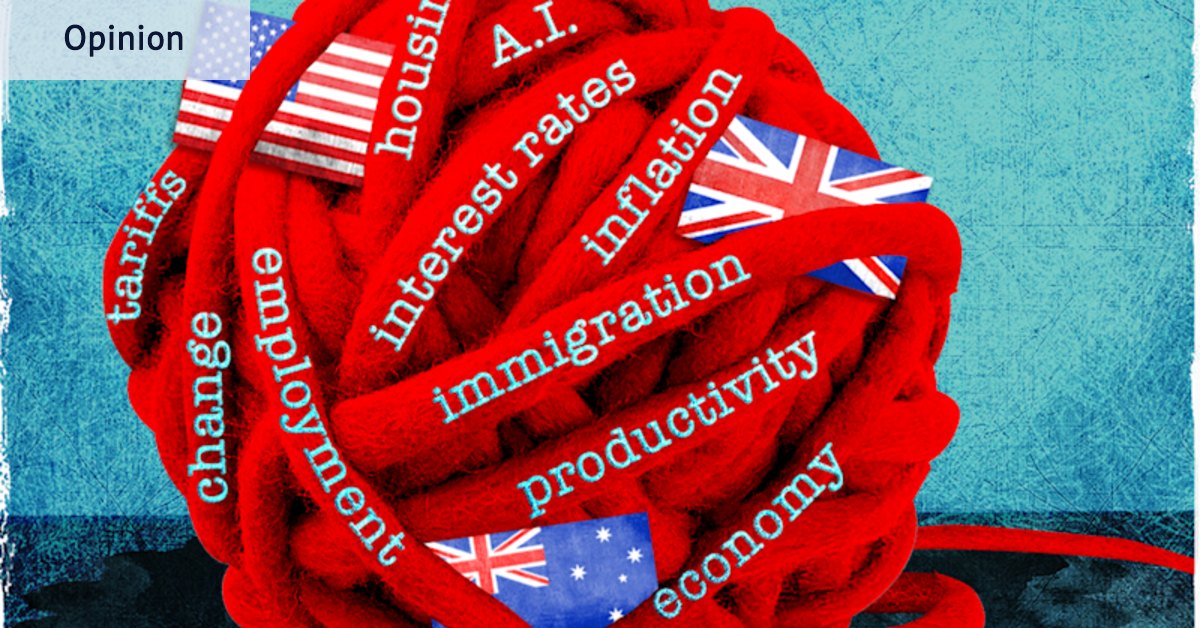
It’s not just the fact that the Albanese government was mugged this week by some horrible economic numbers showing both rising inflation and unemployment.
asserted
government → ’ → inflation
It’s that it has now conceded the terms of the debate.
asserted
it → ’ → debate
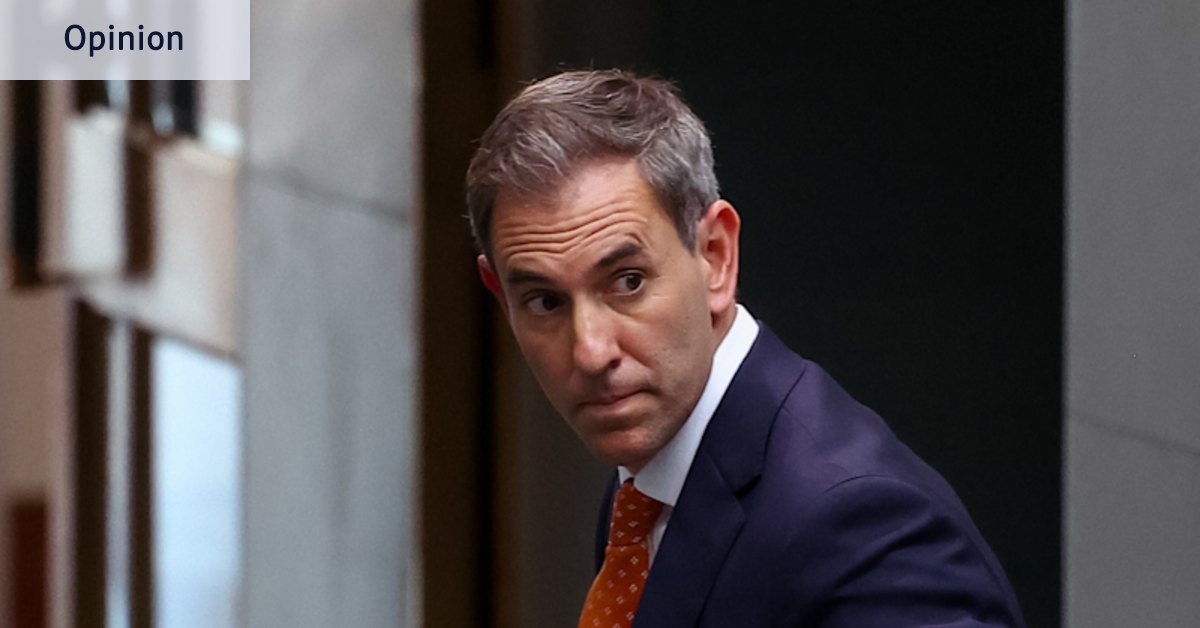
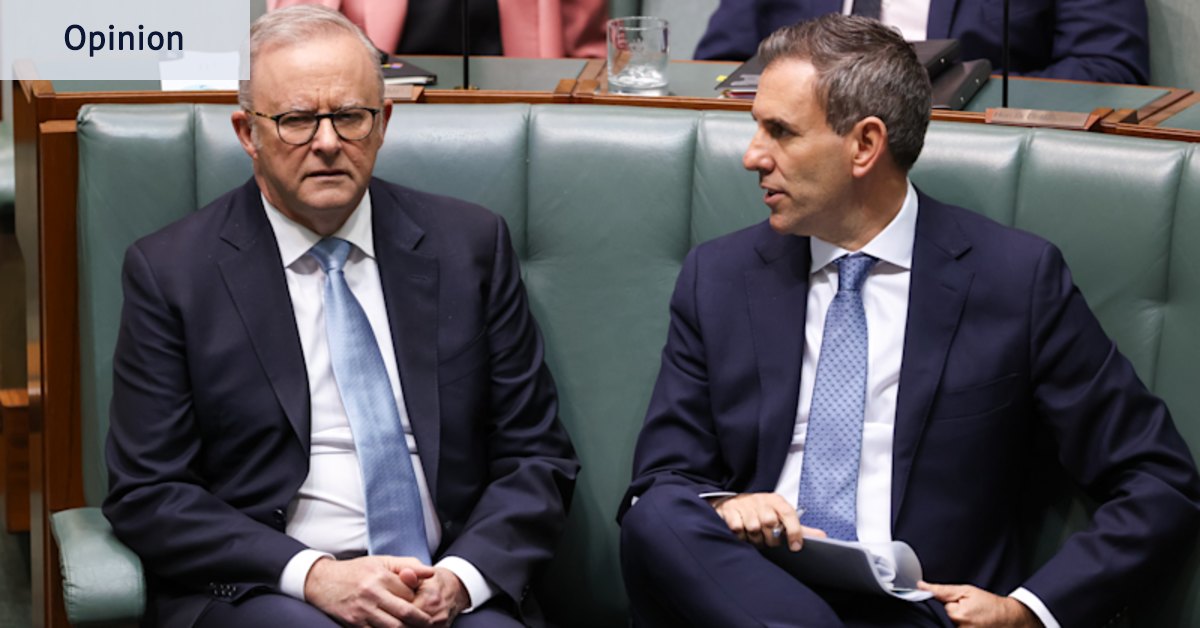
That happened when Treasurer Jim Chalmers finally confirmed, after weeks of being pressed on it, that next month’s budget update would contain net savings.
asserted
update → happen → savings
That is, whatever new money the government spends, it will cut more.
asserted
it → spend → more
And that ultimately accepts the Coalition’s longstanding narrative: that government spending is too high, and contributing too much to our stubborn inflation problem.
asserted
spending → accept → problem
That’s a shift.
asserted
That → ’ → ?
Labor has spent the past year cycling through various other explanations for our inflation woes.
asserted
Labor → spend → woes
Then, that the main problem was the Iran war, whose contribution to spiking fuel prices is obvious.
asserted
contribution → spike → prices
Yes, household spending had increased.
asserted
spending → increase → ?
But one reason that was possible is that households were getting more money via government spending.
asserted
households → get → spending
And yes, the Iran war is causing inflation almost everywhere, but inflation was also being seen in what the boffins call the “non-tradeable” part of the economy, which in theory captures those things that aren’t affected by international factors.
asserted
that → cause → factors
All contribute.
asserted
All → contribute → ?
And the only thing the government can control is its own spending, which, by the way, is at its highest proportion of the economy (outside COVID) in the past 40 years.
asserted
which → control → years
Eventually, Labor had to yield.
asserted
Labor → have → ?
That takes federal politics into a new phase.
asserted
That → take → phase
in which the Albanese government’s only solutions are to commit to inflicting pain.
asserted
solutions → commit → pain
Until now, it has consistently pledged cost-of-living relief, sensing a public demand for it.
asserted
it → pledge → it
Now it is signalling that the days of such relief are over.
asserted
days → signal → relief
It is as though the government has heard a penny drop somewhere in the electorate that the relief is a mirage; that there’s little point receiving it, then giving it back in higher prices, and ultimately interest rates.
asserted
relief → hear → prices
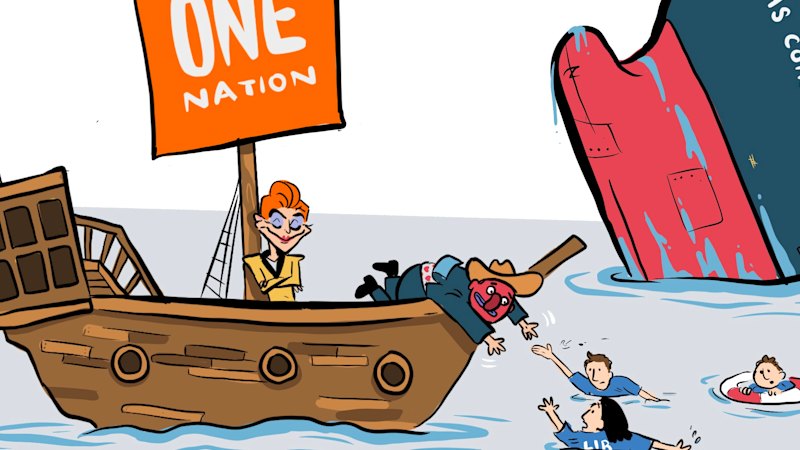
Certainly, it is not the politics of One Nation, which wants to increase Medicare rebates, increase pensions, allow people to access their superannuation early for certain purposes, subsidise aged care, pause the GST on building materials, and increase the tax-free threshold for retirees.
asserted
people → want → retirees
It wants to allow income splitting for families with children, and halve the fuel excise.
asserted
It → want → excise
It opposes the government’s changes on negative gearing and capital gains taxes.
asserted
It → oppose → gearing
It wants to increase defence spending to 3.5 per cent of GDP – which would cost about $97 billion a year.
asserted
which → want → billion
And even One Nation’s proposed cuts to spending on climate change and Indigenous affairs wouldn’t come close to offsetting it.
asserted
cuts → propose → it
It’s unlikely One Nation’s growing popularity had much to do with these specific policies.
asserted
popularity → ’ → policies
But they capture the direction of travel federal politics has been taking.
asserted
politics → capture → travel
And that direction had the Coalition trying in vain to catch up, limping and a little to the rear.
asserted
Coalition → have → rear
That is to say, the political contest was being fought on hostile terrain for the Coalition.
asserted
contest → say → Coalition
Even on the social and cultural issues that might once have worked – immigration, Australian values – it found itself comprehensively outbid.
uncertain
itself → work → issues
On economic management, it was talking to an electorate that was hardly in a liberal mood.
asserted
that → talk → mood
It’s easily forgotten, but in the final throes of the 2025 election campaign, polls had Labor more trusted on the economy.
asserted
Labor → forget → economy
That, as much as anything, crystallises how far the Coalition had fallen, even before One Nation stormed its barricades.
asserted
Nation → crystallise → barricades
Now, suddenly, politics is speaking a far more conventional language, of spending restraint and budget repair.
asserted
politics → speak → restraint
That’s a language the Coalition speaks with unique fluency among the political field.
asserted
Coalition → ’ → field
Put another way, it is the language of liberal economics, that school of thought that has been more-or-less friendless in the Western world for a decade, and in Australia since COVID.
asserted
that → put → COVID
I wouldn’t quite say it’s overwhelmed with friends now.
asserted
it → say → friends
It’s still the case that the least popular figures in political debate are probably billionaires, especially of the tech variety.
asserted
figures → ’ → variety
There might be a growing sense that government spending is too high, but no one is openly calling for some kind of austerity.
uncertain
one → grow → austerity
…and 16 more, not listed.
 The Aporia