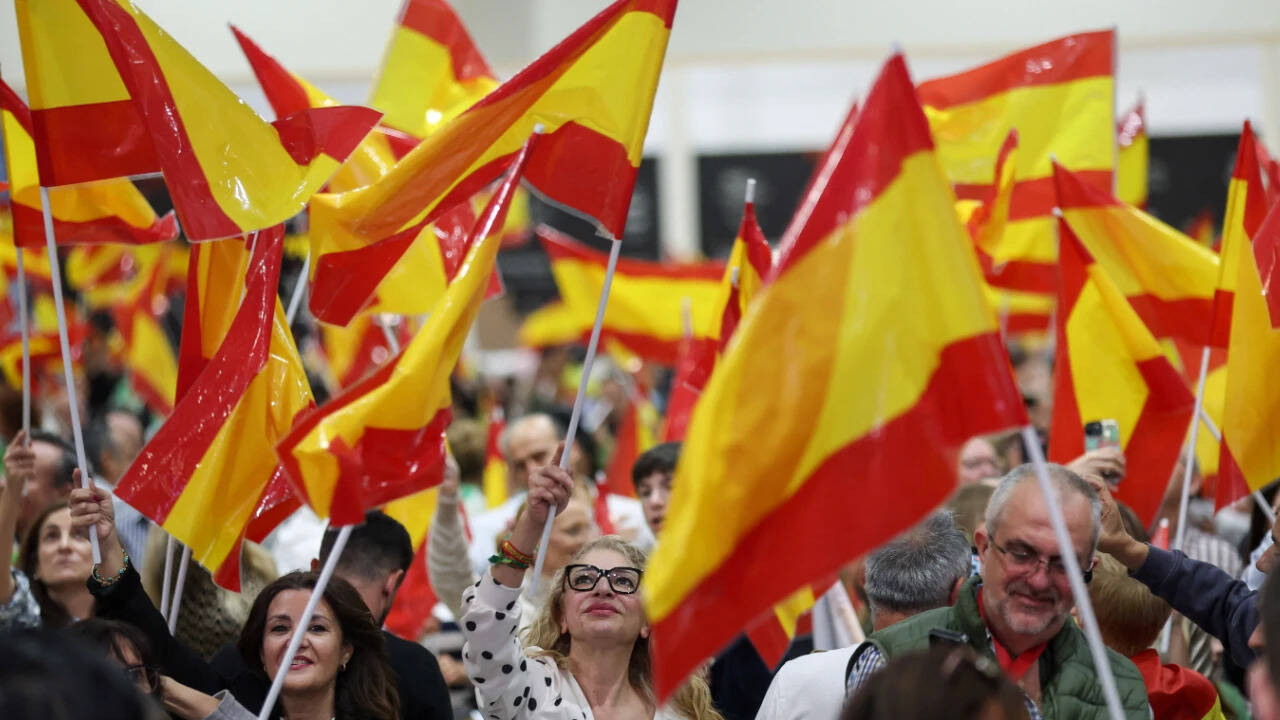
Spain will hold a snap election on November 29 that could bring the far right into government for the first time since the end of Francisco Franco’s dictatorship in 1975.
uncertain
that → hold → 1975
Prime Minister Pedro Sanchez called the early vote last month after parliament rejected his government’s housing relief measures, which came during mass protests over rents and house prices.
asserted
which → call → rents
Polls suggest the centre-right People’s Party (PP) will win most seats but will need the far-right Vox party to reach the 176 seats required for a majority in the 350-seat Congress of Deputies.
asserted
party → suggest → Deputies
Voters will also elect 208 members of the Senate.
asserted
Voters → elect → Senate
About 38.7 million people aged 18 and above are eligible to vote, according to Spain’s National Statistics Institute (INE).
uncertain
people → age → Institute
When will polls open?
asserted
polls → open → ?
Polling stations across Spain will be open on November 29 at 9am local time (08:00 GMT) and close at 8pm (19:00 GMT).
asserted
stations → close → pm
How does voting work?
asserted
voting → work → ?
King Felipe VI is head of state, while the government is led by a prime minister who answers to the Cortes Generales, a parliament made up of two houses: the Congress of Deputies and the Senate.
asserted
who → lead → Deputies
The 350 members of the lower house, the Congress of Deputies, are elected in 52 constituencies by proportional representation.
asserted
members → elect → representation
Rather than choosing individual candidates, voters pick a party, and each party puts forward a ranked list of candidates in every constituency.
asserted
party → choose → constituency
Every province is guaranteed at least two seats and the autonomous cities of Ceuta and Melilla in North Africa get one each.
asserted
cities → guarantee → one
The rest are distributed by population, which is why Madrid and Barcelona elect far more deputies than smaller provinces.
asserted
Madrid → distribute → provinces
Within each constituency, seats are divided according to each party’s share of the vote and go to the candidates at the top of each list.
uncertain
seats → divide → list
A party needs at least 3 percent of the vote in a constituency to qualify for any seats there.
asserted
party → need → seats
A party needs 176 of the 350 seats for a majority.
asserted
party → need → majority
If no party reaches that number, parties must form coalitions or strike deals to govern.
asserted
parties → reach → deals
After consulting party leaders, the king proposes a candidate for prime minister, who must then win an investiture vote in Congress.
asserted
who → consult → Congress
Most members of the upper house, the Senate, are elected directly, with voters choosing individual candidates by name.
asserted
voters → elect → name
In most provinces, each voter can back up to three candidates and the four with the most votes are elected.
asserted
four → back → votes
The remaining senators are appointed by Spain’s regional parliaments.
asserted
senators → remain → parliaments
When will the results be announced?
asserted
results → announce → ?
Provisional results from the Interior Ministry will start coming in straight away, with the overall picture clear before midnight on Sunday.
asserted
picture → come → Sunday
In 2023, about 99 percent of votes had been counted by 11:45pm.
asserted
percent → count → 11:45pm
Prime Minister Pedro Sanchez leads a minority coalition government made up of the Spanish Socialist Workers’ Party (PSOE) and the left-wing Sumar alliance.
asserted
Sanchez → lead → Party
The 22-member cabinet comprises Sanchez, three deputy prime ministers and 18 other ministers.
asserted
cabinet → comprise → Sanchez
The three deputy prime ministers each oversee a major policy area: Carlos Cuerpo oversees the economy, Yolanda Diaz labour and the social economy and Sara Aagesen the ecological transition.
asserted
Cuerpo → oversee → economy
Cuerpo is also acting transport minister after Oscar Puente resigned after last month’s train crash that killed 69 people.
asserted
that → resign → people
Thirteen cabinet members belong to the PSOE and five to Sumar, while four are independents appointed by the PSOE.
asserted
four → belong → PSOE
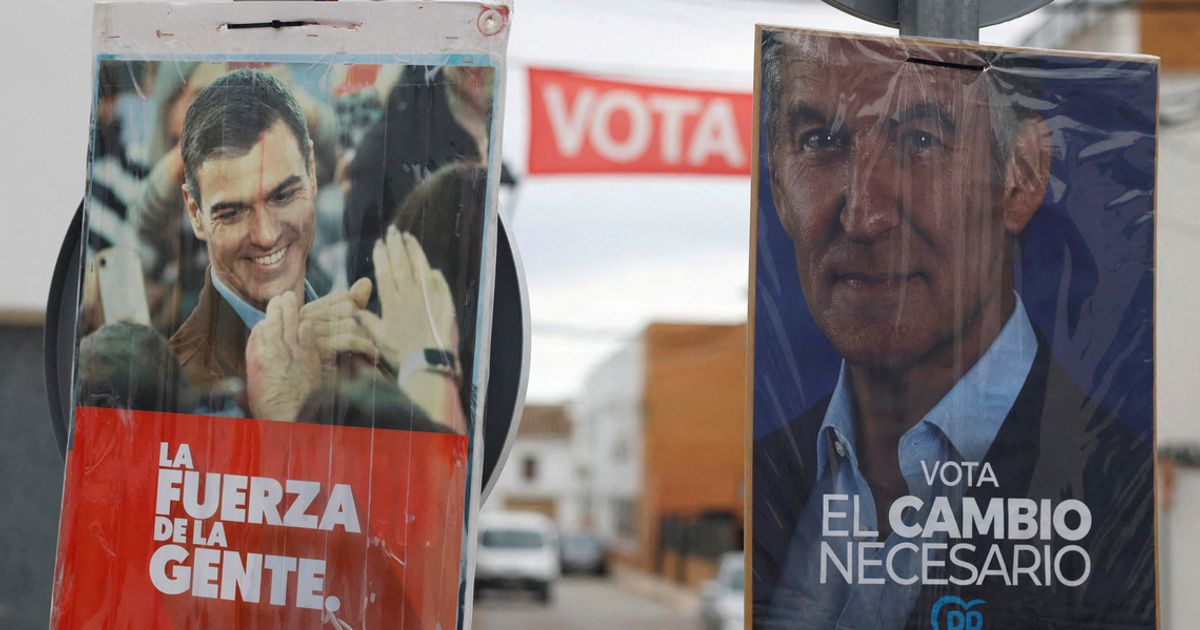
- Socialist Party (PSOE), centre-left – Incumbent Pedro Sanchez is running again after more than eight years in office, which makes him Spain’s second-longest-serving prime minister since 1978, after Felipe Gonzalez.
asserted
him → run → Gonzalez
His final two years in power were overshadowed by corruption investigations involving his wife, his brother and former close allies.
asserted
years → overshadow → wife
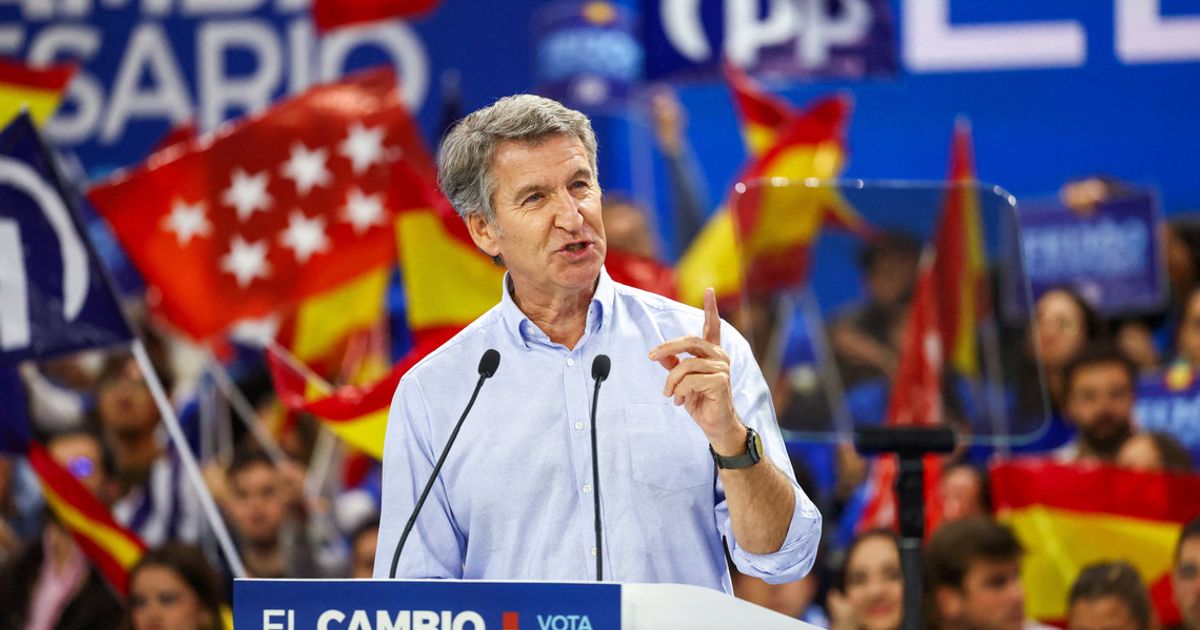
- People’s Party (PP), centre-right – Alberto Nunez Feijoo, who has led the PP since 2022, is the party’s candidate.
asserted
who → lead → 2022
The PP won the most seats in the 2023 election but could not gather enough support to form a government.
uncertain
PP → win → government
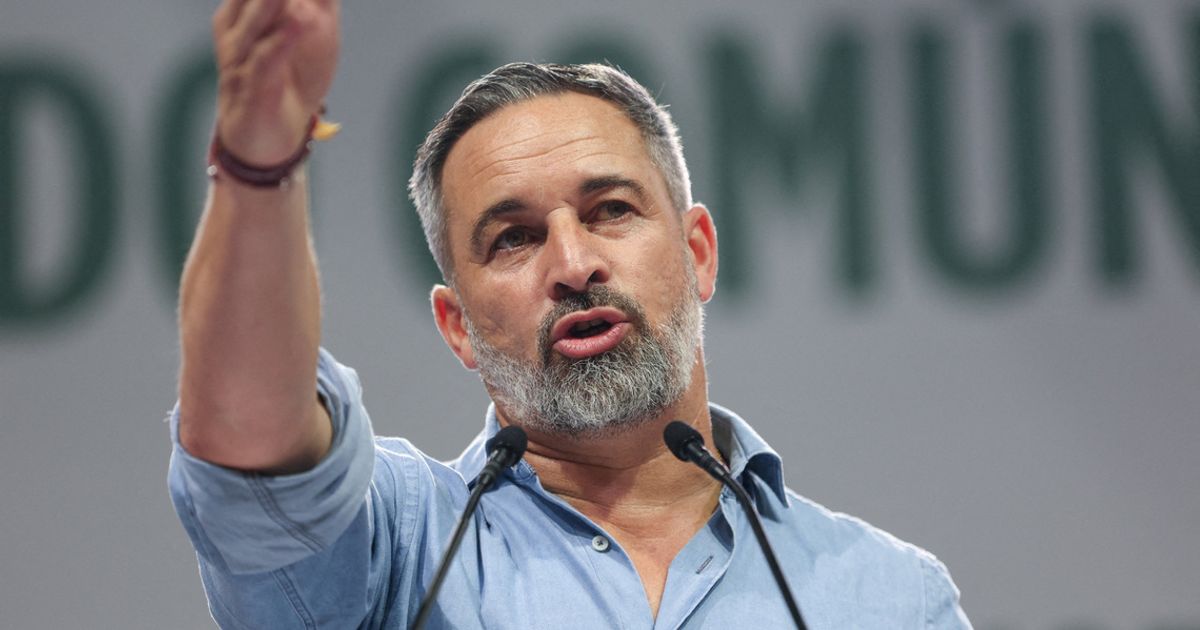
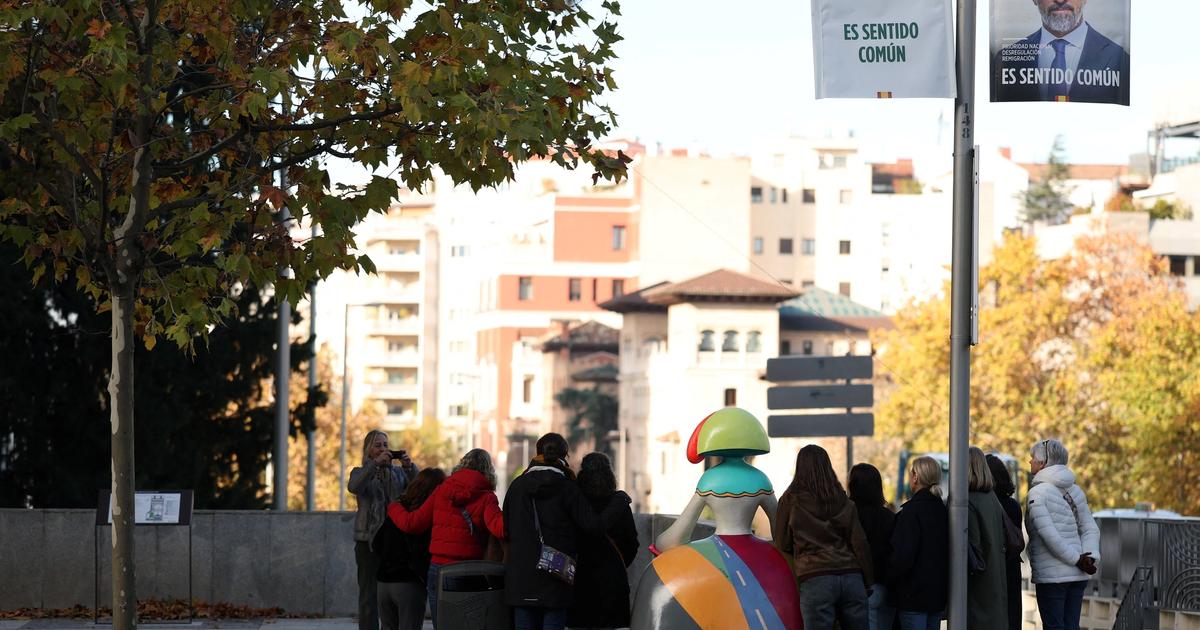
- Vox, far right – Led by Santiago Abascal, who co-founded the party in 2014 after leaving the PP, Vox has become Spain’s third-largest party.
asserted
Vox → lead → PP
It campaigns for tougher immigration rules, lower taxes and a hard line against Catalan and Basque separatism.
asserted
It → campaign → separatism
- Broad Front (Frente Amplio), left – Headed by Ada Colau, the former mayor of Barcelona, it is a new alliance that replaces Sumar, the left-wing grouping that has governed alongside Sanchez since 2023.
asserted
that → head → 2023
Podemos, a former partner of Sumar, is running separately.
asserted
Podemos → run → Sumar
- Regional parties – Could again decide who governs.
uncertain
who → decide → ?
EH Bildu (Basque Country), the BNG (Galicia), the Basque Nationalist Party (PNV) and the left-wing Catalan pro-independence ERC have largely backed Sanchez.
asserted
Bildu → back → Sanchez
The centre-right Catalan pro-independence party Junts supported his 2023 investiture but has since repeatedly voted against his government.
asserted
party → support → government
…and 11 more, not listed.

 The Aporia