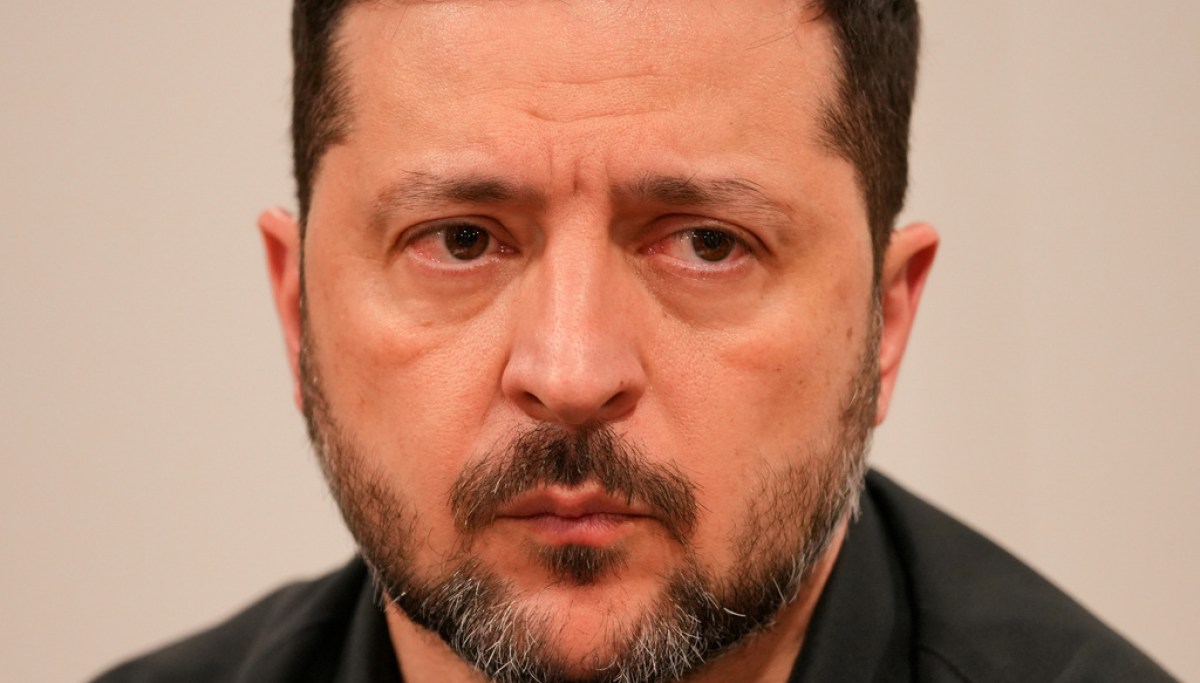
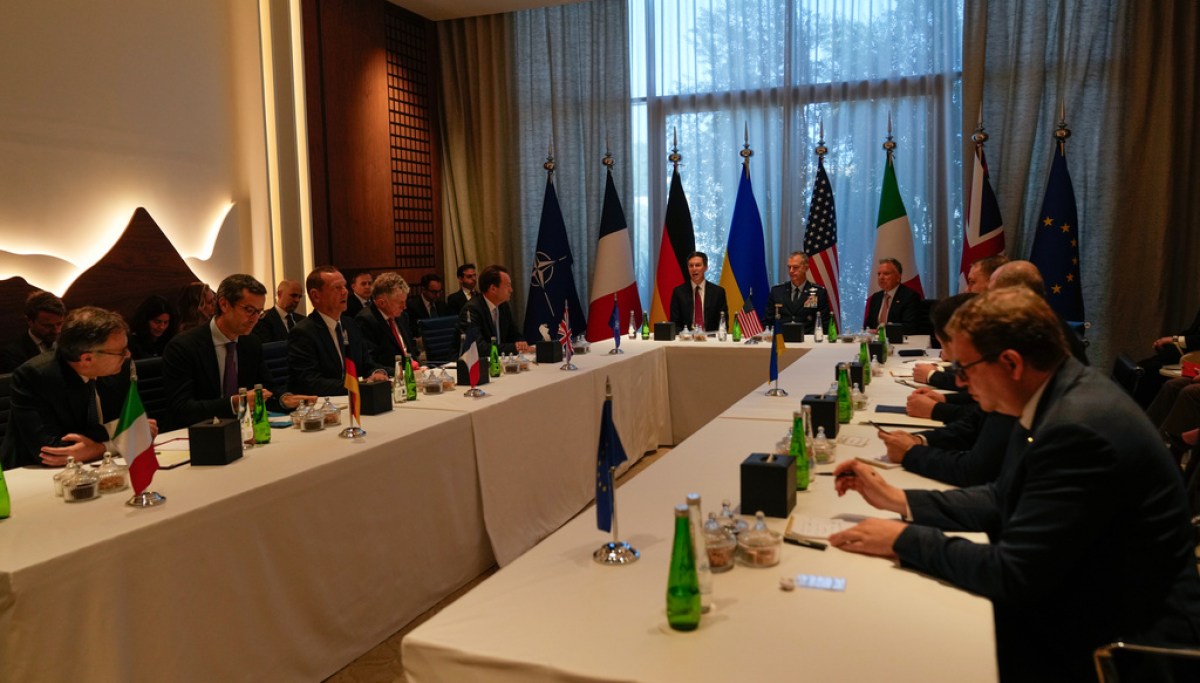
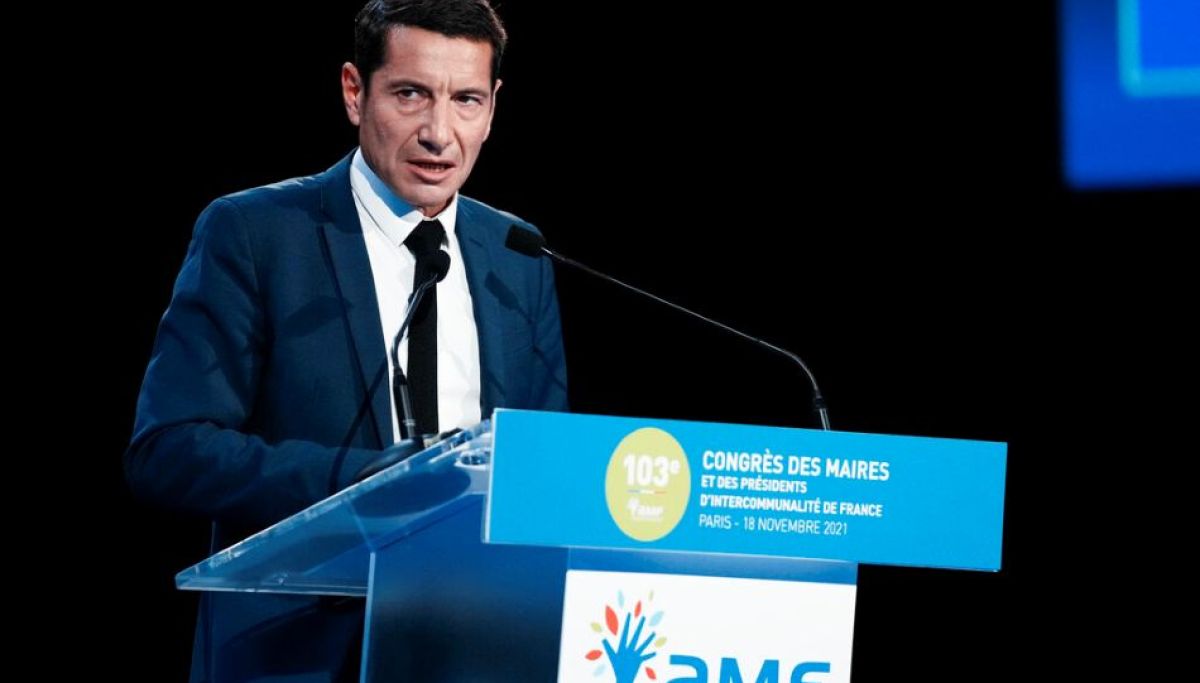
Photo via Washington Examiner

Why, after losing 700,000 men in Ukraine, Russians aren’t revolting

Read the original at Washington Examiner ↗
Cite

Chkhikvadze, A. (2026, November 27). Why, after losing 700,000 men in Ukraine, Russians aren’t revolting. Washington Examiner. https://www.washingtonexaminer.com/op-eds/4815434/why-russians-are-not-revolting/

Dated from the outlet's own feed. Check the original for its byline.

Washington Examiner · collected 2026-11-27 · by Ani Chkhikvadze

Quick Summary

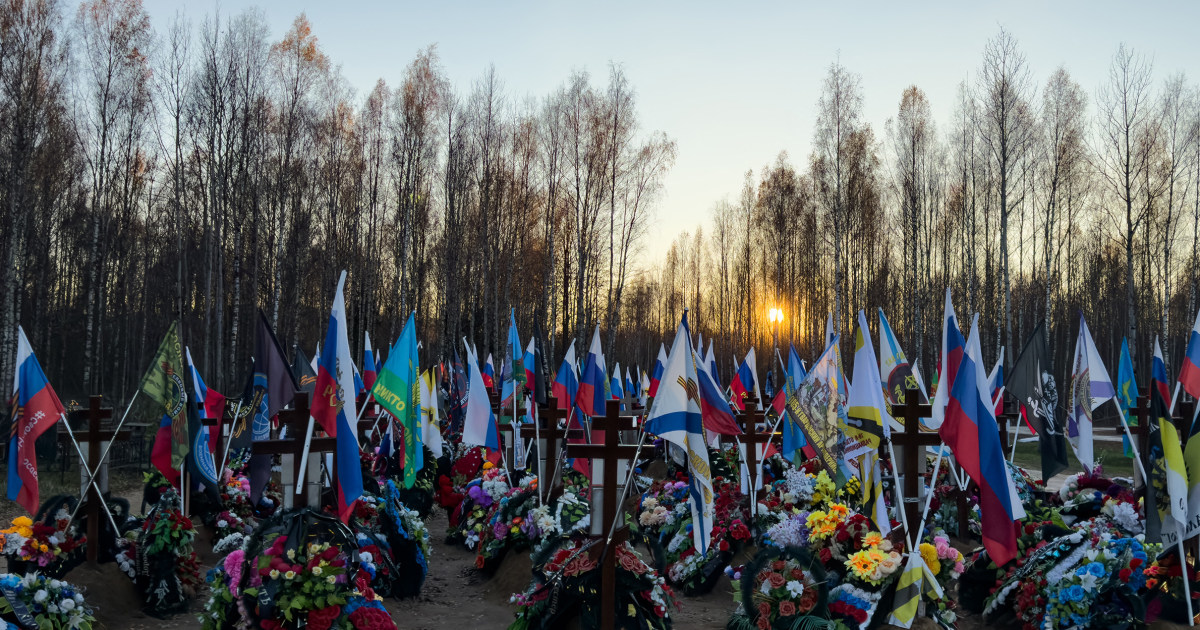
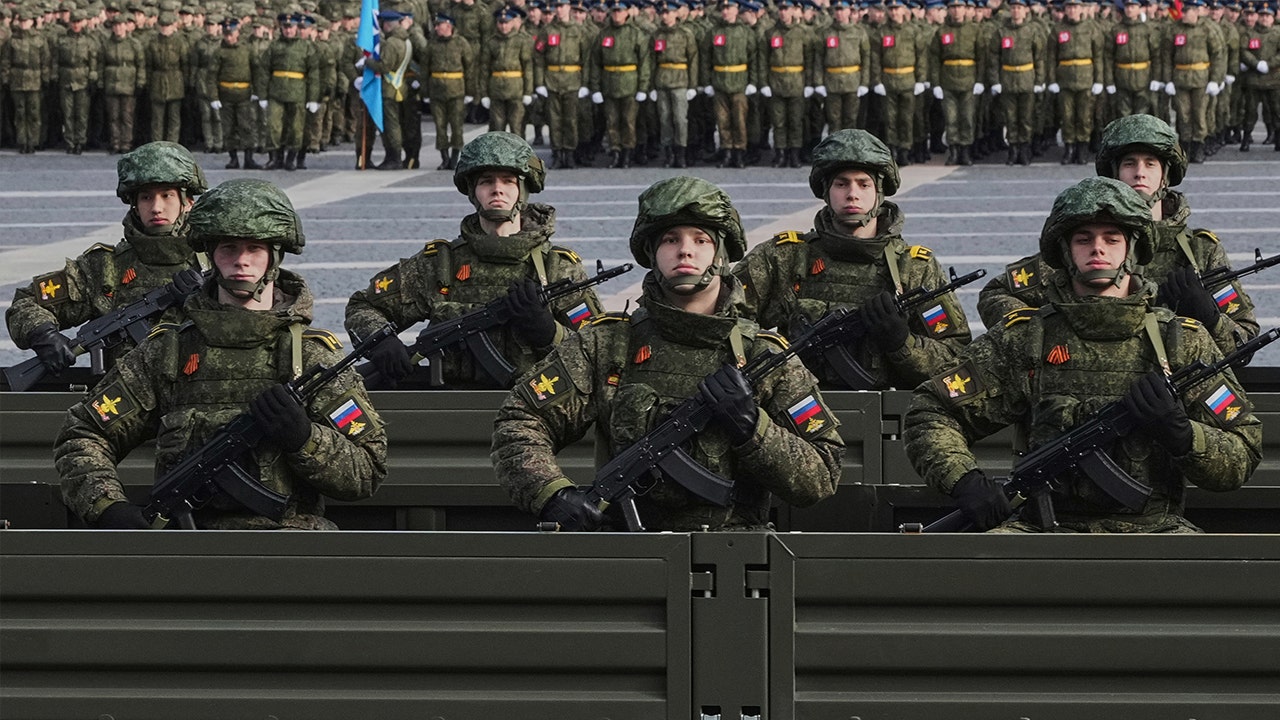
The article discusses Russian President Vladimir Putin's contradictory statements regarding the war in Ukraine. In September 2022, Putin claimed Russia had not lost anything despite the ongoing conflict. However, two months later, he acknowledged the high human cost by stating that soldiers' lives are finite. The piece highlights the Russian military's significant losses, with an estimated 700,000 men casualties, yet notes the lack of widespread public revolt against the war.
Written by AI on 2026-11-27, from this article's own text only (the story summary below draws on all the coverage).

AI analysis

Story summary

In September 2022, seven months into Russia's full-scale invasion of Ukraine, Russian President Vladimir Putin assured an economic forum that “we have not lost anything, nor will we lose anything.” Despite this, Russia has suffered significant military losses, with 700,000 men reportedly lost in the conflict. Putin later offered more somber statements, acknowledging the mortality of soldiers during a meeting with their mothers. Despite these losses, there has not been widespread domestic revolt against Putin's leadership.
Written for “Russian Casualties in Ukraine” on 2026-11-28, grounded in this article and the 0 other(s) covering the same event.

Compared with similar articles

This article reads unscored and hedges 0% of its claims. Each row says how that neighbour differs.
Washington Examiner
Hedges 1 of 3 claims Outlet record 66/100
“Article A reports on new estimates of Russian military casualties since the start of the war, while Article B discusses the societal and political implications of those casualties.”
Al Jazeera
Hedges 0 of 2 claims Outlet record 60/100
“The articles discuss different aspects of the conflict between Russia and Ukraine, but do not describe the same specific incident or occurrence.”
Al Jazeera
Hedges 2 of 51 claims Outlet record 60/100
“The articles describe different events, with Article A referring to Russian casualties and morale in a broader context, and Article B detailing a specific military operation by Ukraine in the Kharkiv region.”
Evening Standard
Hedges 3 of 9 claims Outlet record 64/100
“The articles discuss different aspects of the ongoing conflict in Ukraine and do not describe the same specific incident.”
NBC News
Leans left Hedges 4 of 33 claims Outlet record 70/100
“While both articles discuss the high number of Russian military casualties in Ukraine, Article A reports on a specific new estimate of over 700,000 deaths, while Article B focuses on the societal and political implications of these losses, suggesting they are discussing different aspects of the same broader topic.”
Fox News
Leans left Hedges 5 of 37 claims Outlet record 68/100
“Article A reports on the Kremlin dismissing a new investigation's estimate of 700,000 deaths, while Article B discusses the lack of public revolt despite the same high death toll but does not focus on the same specific event or moment of dismissal.”
BBC News
Leans left Hedges 8 of 38 claims Outlet record 70/100
“While both articles discuss Russian casualties in the war in Ukraine, they describe different aspects of the war's impact, with Article A focusing on leaked death records and Article B on the societal and political implications of the casualties.”

Story

Russian Casualties in Ukraine
Politics · 1 article(s) covering the same event.
How this article was measured signals, leaning charts, publisher record, byline, topics and claims

Signals How these are calculated →

Claims extracted
3
sentences that state something as happening or true
Uncertain
0%
0 of 3 hedged ("reportedly", "may", "according to")
Leaning
withheld
no quote in the article backed the model's score
Publisher signals
66/100
Washington Examiner's corrections and hedging, across everything collected from it. Not a measure of accuracy.
Outlets on this story
1
Politics
Same framing elsewhere
1
articles that frame the event the way this one does
Analyzed 2026-11-27 · how these are computed

How this is being covered How these are calculated →

Article leaning vs. publisher reliability
Source leaning vs. consistency

Publisher

Washington Examiner · 5643 article(s) · 12 correction(s) detected
Running correction rate · 12 correction(s)

Who wrote this

Ani Chkhikvadze
16 article(s) here · 1 carrying a prediction
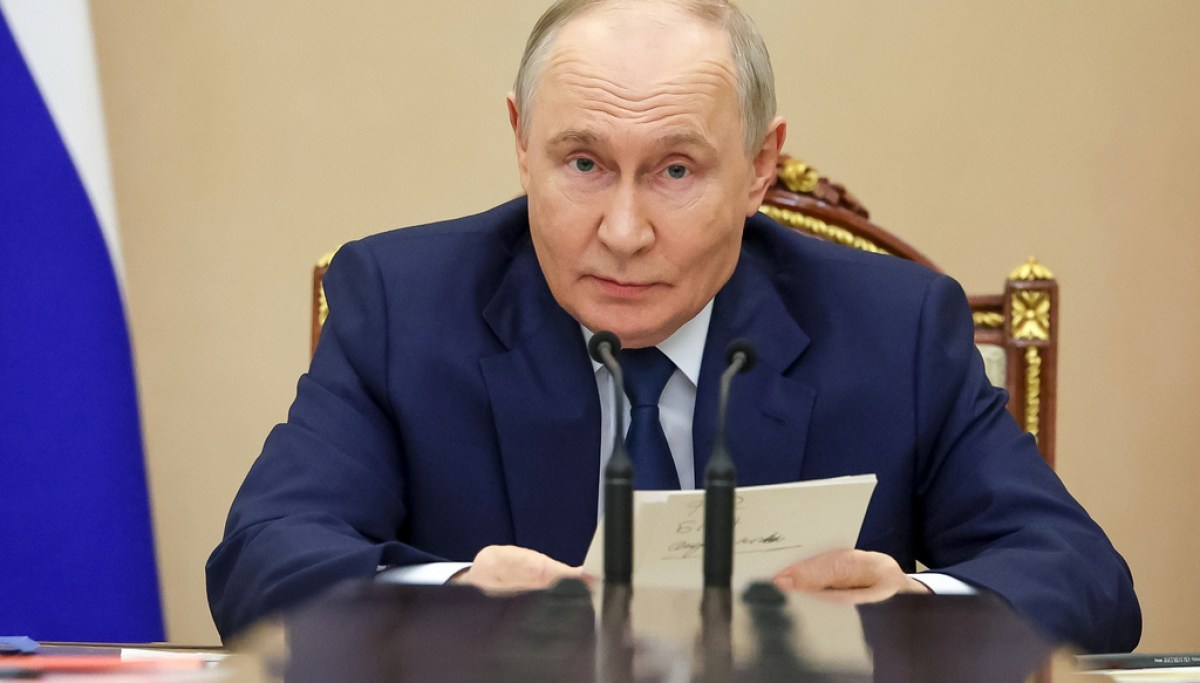
In September 2022, seven months into his full-scale war on Ukraine, Russian President Vladimir Putin assured an economic forum that “we have not lost anything, nor will we lose anything.”
After last week’s U.S.-Russia-Ukraine talks in Abu Dhabi, President Volodymyr Zelensky said that American negotiators had asked him a hypothetical question: “What if Ukraine joins NATO? Would Ukraine withdraw from Donbas?”
David Lisnard, the mayor of Cannes, has become the surprise story of France’s 2027 presidential race.
There are fears that new violence may follow Sunday’s results.
2026-10-23 · assertive framing · Will Serbia elections break Vucic’s grip on power?
Sadly, hopes that these discussions will bring an end to the Ukraine war are unfounded.
2026-10-22 · assertive framing · Russia cannot be allowed to win in Ukraine
South Korean President Lee Jae Myung said that Ukraine and South Korea had agreed to keep the transfer confidential because publicity could endanger the soldiers, their families in North Korea, and complicate diplomacy on the Korean Peninsula.
2026-10-08 · assertive framing · What’s behind the Ukraine-South Korea dispute?
It will raise taxes and borrow more to cover the costs.
2026-10-02 · assertive framing · Russia surges defense spending as the West dithers
Trump noted last week that the new base could be announced “very soon,” crediting what he called the “bold leadership” of Polish President Karol Nawrocki.
2026-09-24 · assertive framing · Trump’s priceless military base in Poland
Sikorski’s preferred division of labor would require Europe to provide most of the conventional forces needed to defend the continent, while the United States provided the other capabilities European militaries cannot quickly reproduce.
The DSA’s reputation for ill-considered foreign policy positions was further fueled on what would have been former Cuban dictator Fidel Castro’s 100th birthday this month.
Also by Ani Chkhikvadze
Crimea Bridge destruction poses Putin a big problem
2026-11-17 · Washington Examiner
Nothing else under this byline is closely related to this article, so these are simply their most recent.
All 16 articles by Ani Chkhikvadze →

Topics

Russian Ukraine

Subjects

Russian NORP · 1× Ukraine GPE · 1× Vladimir Putin PERSON · 1×

Narrative

In September 2022, seven months into his full-scale war on Ukraine, Russian President Vladimir Putin assured an economic forum that “we have not lost anything, nor will we lose anything.”
framing: assertive · carried by 1 article(s) · first seen 2026-11-27
In September 2022, seven months into his full-scale war on Ukraine, Russian President Vladimir Putin assured an economic forum that “we have not lost anything, nor will we lose anything.”
2026-11-27 · Washington Examiner
Why, after losing 700,000 men in Ukraine, Russians aren’t revolting · assertive framing

Claims (3 extracted, 0 hedged)

In September 2022, seven months into his full-scale war on Ukraine, Russian President Vladimir Putin assured an economic forum that “we have not lost anything, nor will we lose anything.” asserted
we → assure → anything
Two months later, seated beside soldiers’ mothers, he offered colder comfort: “We are all mortal.” asserted
We → seat → comfort
Some appear to be more mortal than others. asserted
Some → appear → others
Give feedback · no sign-in needed

No sign-in needed for now. Your note is sent without a name, so it cannot be answered.

History Support