Claims extracted
20
sentences that state something as happening or true
Uncertain
0%
0 of 20 hedged
("reportedly", "may", "according to")
Leaning
Leans right
of the writing, not the subject · beta estimate
Publisher signals
67/100
BBC News's corrections and
hedging, across everything collected from it. Not a measure of accuracy.
Outlets on this story
11
Politics
Same framing elsewhere
1
articles that frame the event the way this one does
- Published
European Union (EU) leaders have deferred negotiations on its long-term budget after tensions surfaced over the bloc's spending priorities and aid for Ukraine.
asserted
tensions → publish → Ukraine
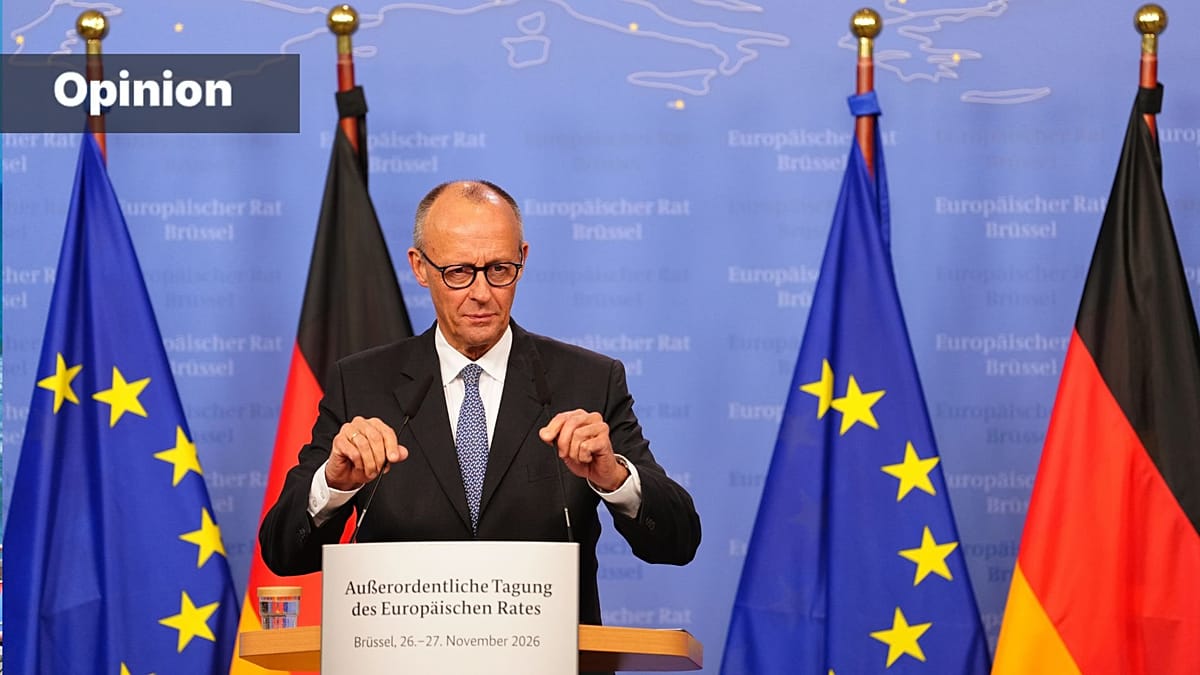
Tense talks on the 2028-34 budget ended after 12 hours on Thursday at a summit in Brussels, with some members walking out of negotiations that will resume in December.
Divisions were largely split along the lines of countries, including France and Italy, wanting to approve a higher-spending proposal against those advocating for financial restraint, with Germany chief among them.
asserted
Germany → end → them
Many members want the budget locked in ahead of several high-stakes elections held across Europe in 2027, including in France.
asserted
budget → want → France
Countries remain divided over a proposal to provide Ukraine with an additional loan of €45bn (£37.6bn), split between non-military and military funding.
asserted
Countries → divide → funding
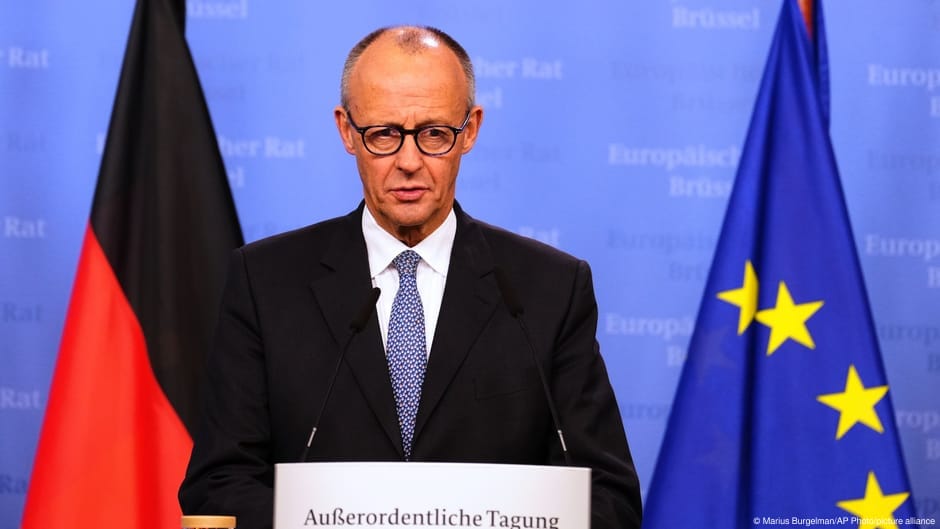
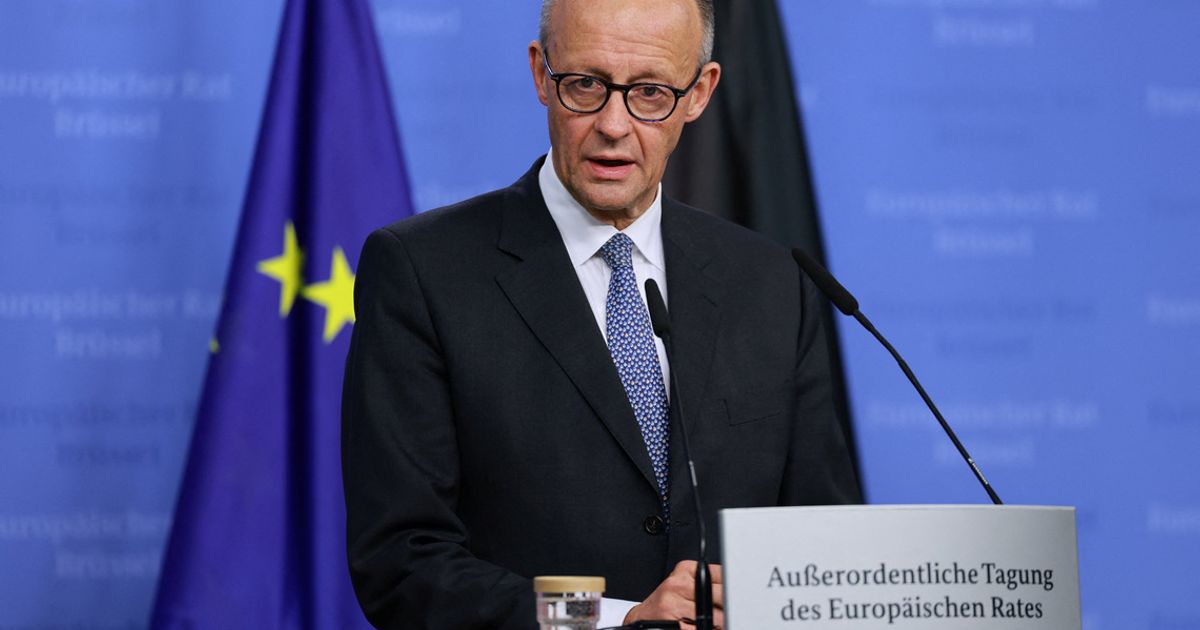
Slovakia, the Czech Republic and Hungary have objected to the loan, but German Chancellor Frederich Merz said uniform EU agreement was a condition for approving the broader budget.
asserted
agreement → object → budget
"I stand by my view that aid for Ukraine must be supported by the European Union as a whole," Merz told reporters.
asserted
Merz → stand → reporters
"The European Union comprises of 27 member states, not 23 or 24."
asserted
Union → comprise → states
Bulgaria, which previously opposed the plan, said it would agree to fund part of the loan that commits non-military financial support to Kyiv, marking a small sign of progress emerging from the special summit of the European Council.
EU members have been wrangling over the long-term budget after the European Commission submitted a €2tn proposal earlier this year, with some countries objecting to high levels of spending.
asserted
countries → oppose → spending
Those advocating higher spending want the funds to future-proof industries such as farming and invest in regional development.
asserted
funds → advocate → development
Fiscally cautious countries want to avoid amassing ballooning debt.
asserted
countries → want → debt
Thursday's talks were set up by the European Council to unblock the impasse, with a proposal to reduce spending by approximately €220bn to €230bn.
Under the current proposal, the budget totals €1.582tn, which includes €140bn to repay pandemic-era borrowing.
asserted
which → set → borrowing
Four countries wanting to rein in the budget, including Denmark and Austria, walked out of negotiations after several hours of meetings.
asserted
countries → want → meetings
Merz said there was "new movement" towards reducing the size of the EU budget, though he added "we are not there yet" when he confirmed that a new round of negotiations would not take place in Brussels on Friday.
asserted
round → say → Friday
European budgets requires approval from all 27 countries, with each country effectively holding veto power.
asserted
country → require → power
French President Emmanuel Macron said it would be a "strategic mistake" to lower long-term spending.
asserted
it → say → spending
France's forthcoming presidential election came into focus during the EU budget talks, with frontrunner Marine Le Pen calling the talks an "underhanded political manoeuvring to thwart the democratic will of the French people".
asserted
Pen → come → people
Last month, Le Pen announced she would significantly reduce French aid to Ukraine and EU contributions if she were to win the presidency.
asserted
she → announce → presidency
Macron addressed Le Pen's remarks on the sidelines of the Brussels summit, saying: "It is an odd kind of arrogance to behave as if she is already in charge of France's destiny because, as things stand, she has not been elected."
asserted
she → address → destiny
Once the talks concluded, the European Council announced a two-day summit on 17 and 18 December would revive budget negotiations.
asserted
summit → conclude → negotiations
Spanish economist Pablo Hernández de Cos was also named as the next President of the European Central Bank, replacing Christine Lagarde from February 2027.
asserted
Cos → name → February

 The Aporia