The 2026 Israeli elections were termed the most consequential in recent decades for the country – for multiple reasons.
asserted
elections → term → reasons
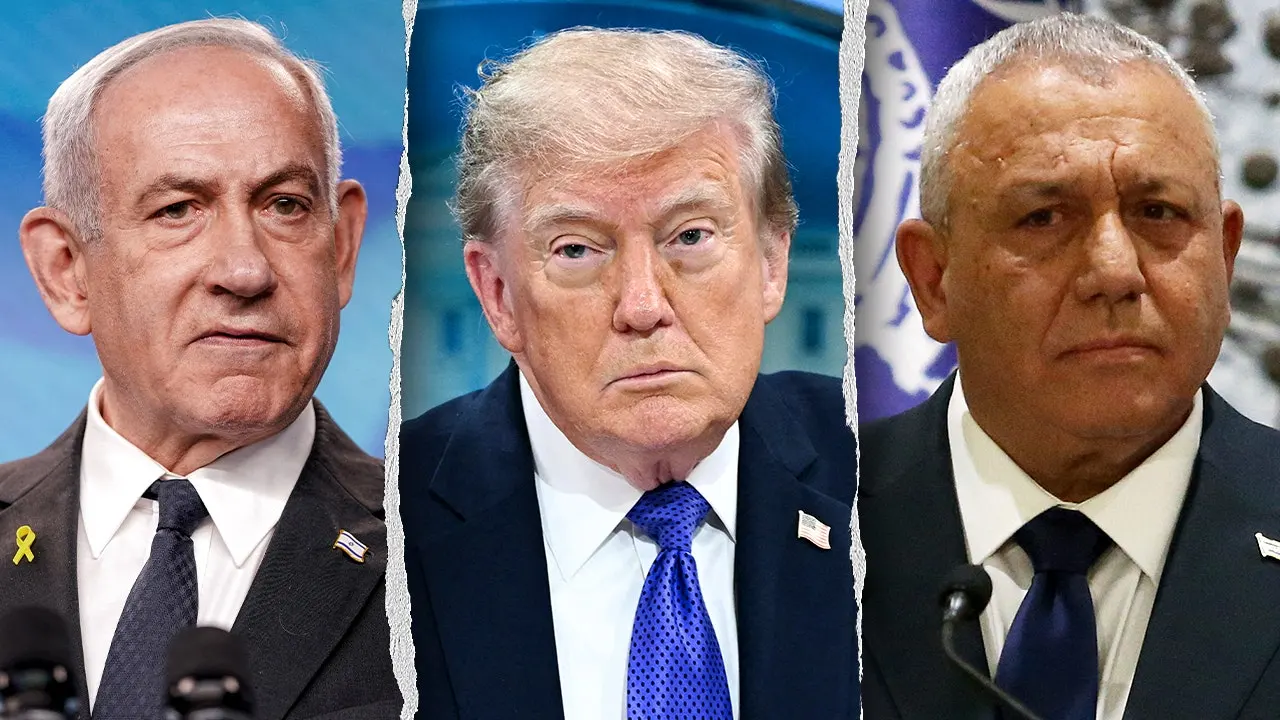
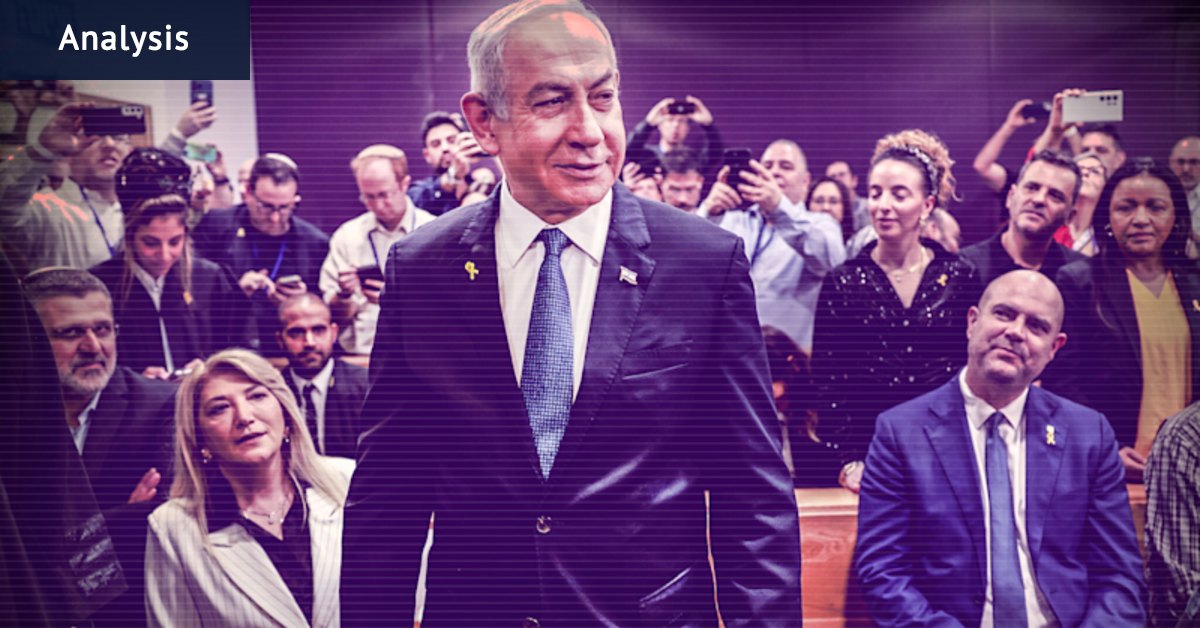
For Benjamin Netanyahu, the caretaker prime minister, and his right-wing coalition, the elections were about keeping the far-right in power to protect the formative changes they enacted in state policies and institutions.
asserted
they → keep → policies
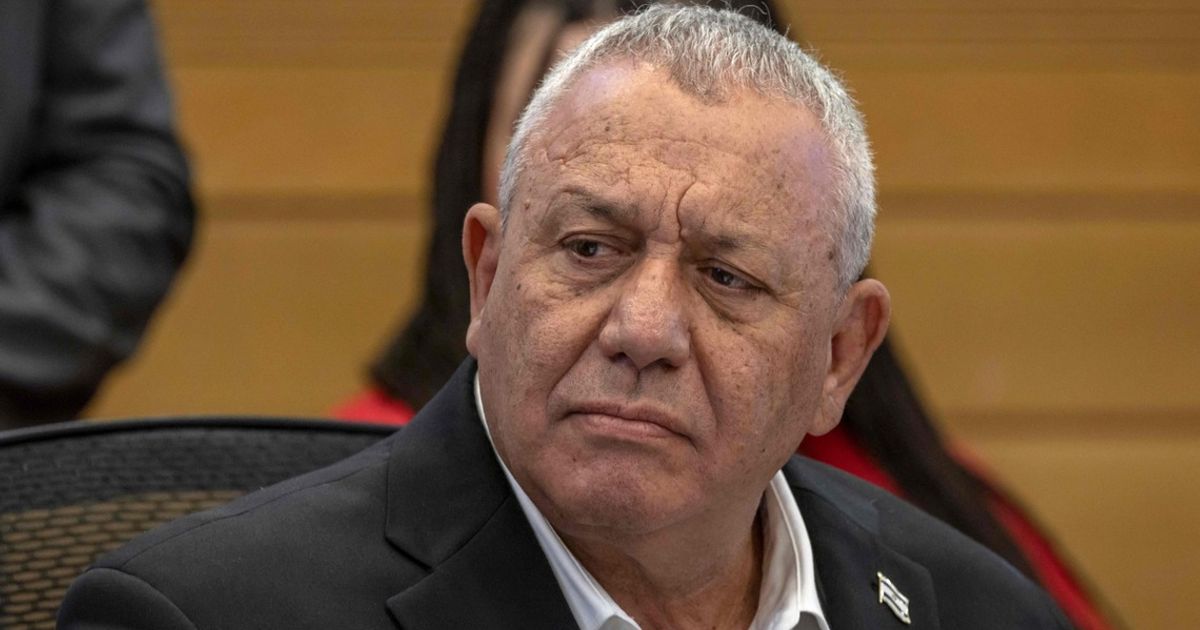
For the anti-Netanyahu bloc led by Gadi Eisenkot – or the “change bloc”, as it is referred to – the promise was to replace the failed October 7 government as they termed it, rehabilitate Israel’s international standing, and end internal divisions.
asserted
they → lead → divisions
Once the results were announced, things changed.
asserted
things → announce → ?
Gadi Eisenkot was tasked with forming Israel’s next government.
asserted
Eisenkot → task → government
But his bloc does not have enough seats in the Knesset to win a vote of confidence on its own.
asserted
bloc → have → own
The United Arab List and the Joint List, parties led by Palestinian citizens of Israel, have 19 seats and are willing to back Eisenkot in his efforts to replace Netanyahu as Israel’s premier.
asserted
List → lead → premier
But some in the change bloc, such as Avigdor Lieberman, promised not to support any government coalition that includes an Arab-led party or one that depended on votes from Palestinian citizens of Israel.
asserted
that → promise → Israel
This, despite the fact that Lieberman himself became chair of the Knesset’s Foreign Affairs and Defense Committee thanks to those same votes.
asserted
Lieberman → become → votes
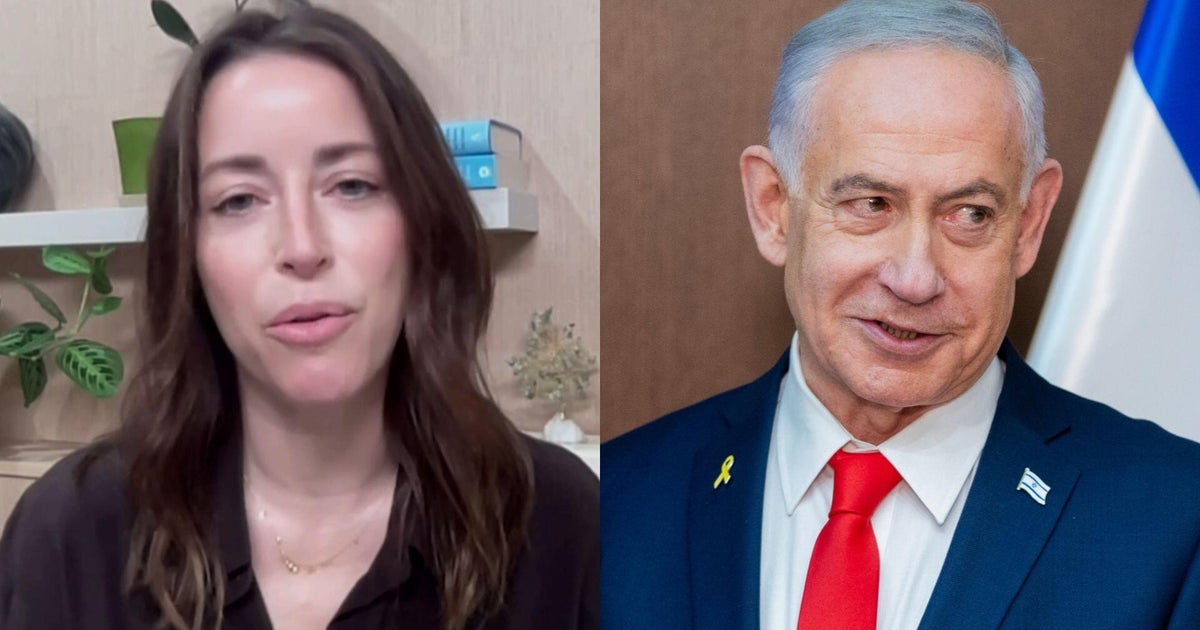
That contradiction was pointed out by Mohamed Majadli, the chief editor of AlNas Radio in Israel and an analyst on the country’s Channel 12.
asserted
contradiction → point → Channel
In such a limited space for political manoeuvres, Eisenkot embarked on forming a coalition, holding talks with his partners, while also trying to open channels of communication with ultra-Orthodox parties, particularly the United Torah Judaism party.
asserted
Eisenkot → embark → parties
At the same time, former Prime Minister Naftali Bennett led efforts to form a unity government with Netanyahu’s Likud party and succeeded in convincing Eisenkot’s Yashar party to open formal talks with Likud.
asserted
Bennett → lead → Likud
The prospect of reneging on the change bloc’s central promise to oust Netanyahu looms large over these talks.
asserted
prospect → renege → talks
Bennett and others are advocating for that outcome in light of the lack of a clear Zionist majority against Israel’s longest-serving prime minister.
asserted
Bennett → advocate → minister
Meanwhile, leader of the Democrats group, Yair Golan, has publicly opposed any unity formula with Netanyahu and has called out Bennett for his efforts to reach it.
asserted
leader → oppose → it
The Yashar-Likud talks are complex and overshadowed by, among other issues, accusations between the two sides.
asserted
talks → overshadow → sides
Netanyahu accuses the change bloc of working to undermine Israel by working with Arab-led parties, which he has referred to as “the enemy”.
asserted
he → accuse → enemy
Eisenkot has gone on the record saying that Netanyahu endangers the security of Israel and is willing to ignite war for his personal gain.
asserted
Netanyahu → go → gain
From Likud’s perspective, a unity government would require a rotation agreement on the premiership.
asserted
government → require → premiership
That means that rather than getting rid of Netanyahu, Eisenkot would have to agree to Netanyahu staying on as prime minister for two years, or agreeing to serve second in the rotation.
asserted
Netanyahu → mean → rotation
This scenario gained traction after judges presiding over Netanyahu corruption trials recommended dropping the most serious charge of bribery, as well as reconsidering the charges or reaching a plea bargain in the others.
asserted
judges → gain → others
This development has strengthened Netanyahu’s negotiating position and prompted him to call for an end to the political boycott against him.
asserted
development → strengthen → him
Against this backdrop, Eisenkot is manoeuvring through dangerous political waters.
asserted
Eisenkot → manoeuvre → waters
If he fails to form a government, voters may be forced to return to the polls again while Netanyahu remains at the helm.
uncertain
Netanyahu → fail → helm
This scenario could translate into a loss of support for the change bloc and hand Netanyahu a renewed mandate, while simultaneously ending the political careers of some leaders such as Eisenkot.
uncertain
scenario → translate → Eisenkot
If Eisenkot chooses unity with Netanyahu over the promises he made to his voters, he will lose credibility among supporters.
asserted
he → choose → supporters
Additionally, Eisenkot could be outmanoeuvred by Netanyahu.
uncertain
Eisenkot → outmanoeuvre → Netanyahu
Many point to the coalition agreement between Benjamin Netanyahu and Benny Gantz in 2020, which included a rotating premiership.
asserted
which → point → premiership
The government collapsed before Benny Gantz assumed his position and his political career never recovered.
asserted
career → collapse → position
In political terms, forming a unity government with Netanyahu would represent a reversal of election promises on fundamental issues such as transparency, judicial reform, and the influence of religion on the state, because unlike the change bloc, Netanyahu’s allies are already embedded in the state bureaucracy and able to entrench these policies.
asserted
allies → form → policies
More strategically, it reflects the knee-jerk reaction of Israel’s body politic to Palestinian citizens of Israel.
asserted
it → reflect → Israel
This is what leading sociologist and researcher Honaida Ghanem calls Israel’s structural problem: its inability to reconcile that part of Israel’s political and leadership crisis is that in today’s Israel, anti-Arab sentiment is one of the few policies most Jewish Israelis can agree on, while they no longer agree on the nature of the state, the influence of religion over the state, or many other fundamental issues of identity and governance.
asserted
they → lead → identity
The prospect of a unity government with Eisenkot and Netanyahu remains possible, though not likely, primarily because of the personal and political risks such an unholy political marriage would entail for the change bloc leaders.
asserted
marriage → remain → leaders
 The Aporia