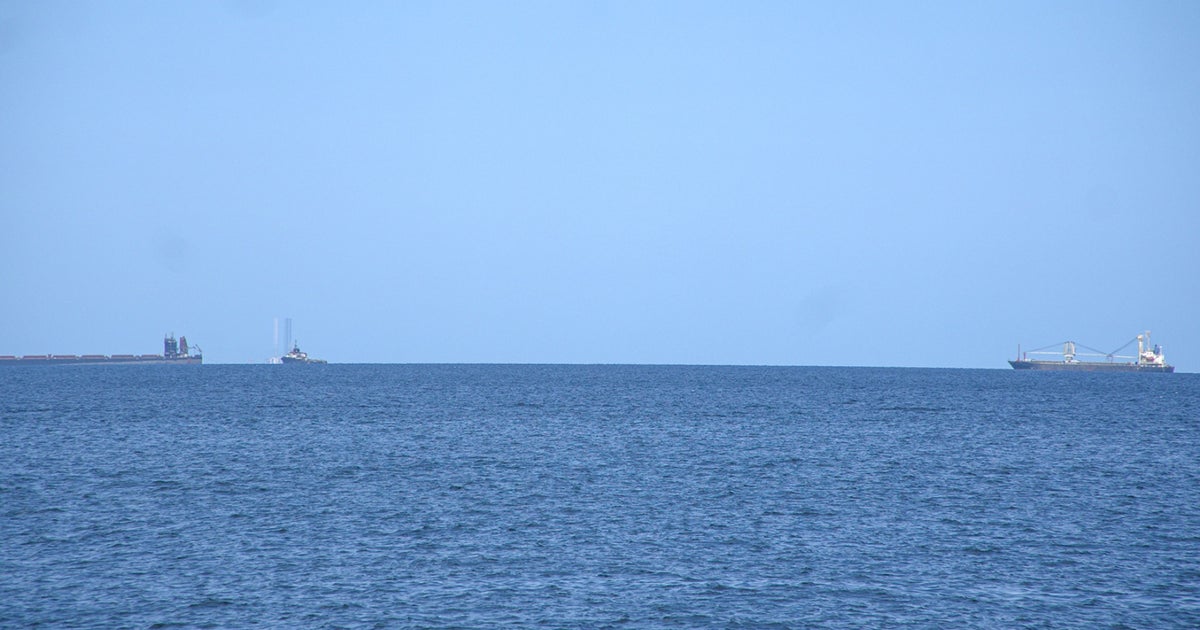
American forces disabled a commercial vessel attempting to bypass a blockade of Iranian ports in the Gulf of Oman, according to an announcement Friday from U.S. Central Command.
uncertain
forces → disable → Command
An aerial military strike launched "precision munitions" targeting the stern of the Palau-flagged M/V Pacific Archer on Thursday, resulting in the "ship’s propulsion was ultimately disabled and the civilian crew was unharmed," the statement detailed.
asserted
statement → launch → Thursday
Central Command reported that the Pacific Archer departed the Iranian port of Bandar Abbas prior to its blockade-running attempt.
asserted
Archer → report → attempt
Ship tracking data lists the vessel’s intended destination as Singapore.
asserted
data → list → Singapore
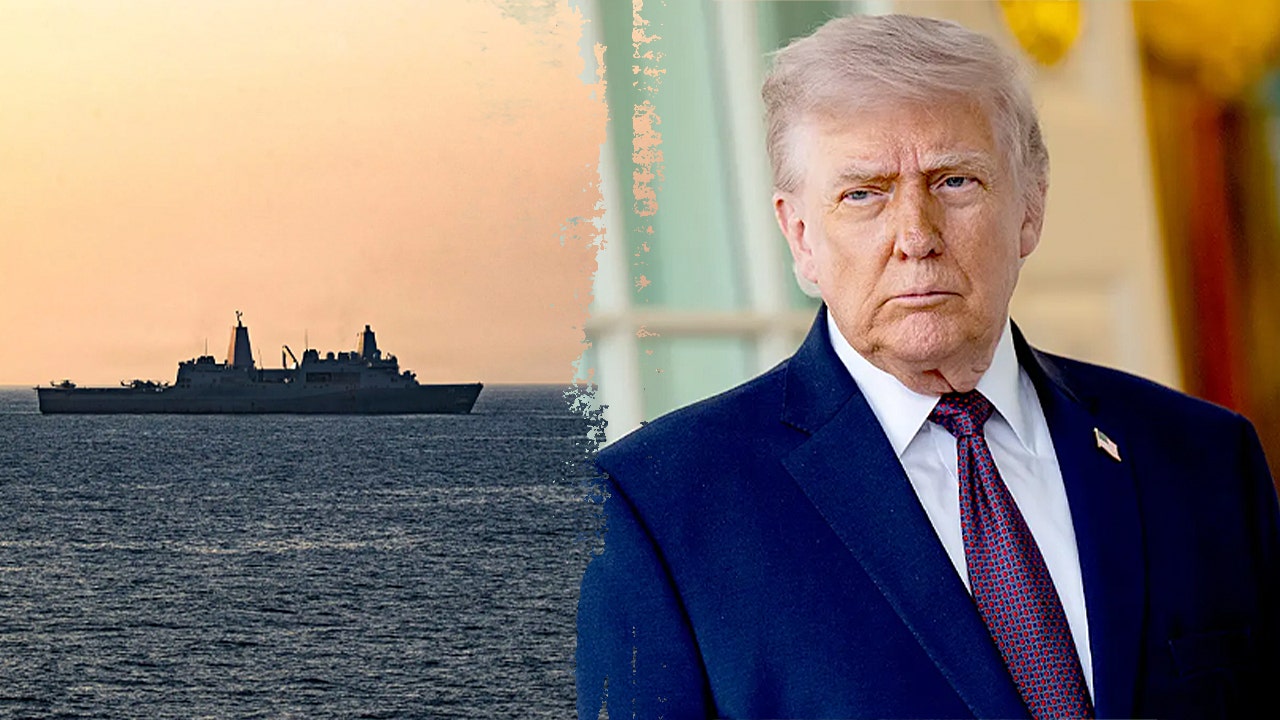
The military action occurs as the Trump administration considers its strategic choices in the ongoing conflict with Iran, which broke out in late February and has settled into a quiet stalemate in recent months.
asserted
which → occur → months
Earlier in November, regional officials informed The Associated Press that Israeli Prime Minister Benjamin Netanyahu was pressing Washington to reignite the war or grant permission for Israel to carry out airstrikes targeting Iran’s nuclear facilities and missile capabilities.
asserted
Israel → inform → facilities
Meanwhile, government and security representatives from Persian Gulf nations, along with Pakistan and Turkey, engaged in a coordinated diplomatic push—including telephone conversations with senior U.S. officials—to prevent a renewed escalation of warfare across the region.
asserted
government → engage → region
President Donald Trump has wavered between threatening fresh, large-scale bombardments against Iran and asserting that the conflict "militarily is effectively over."
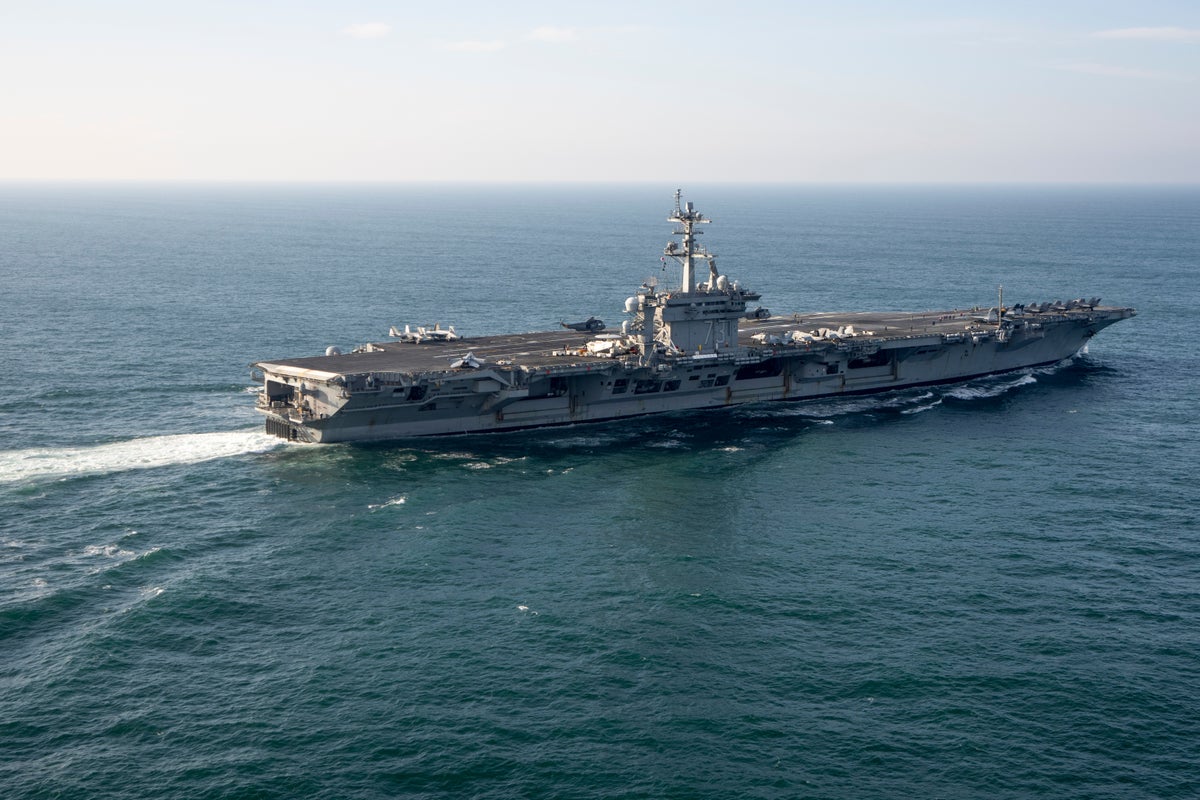
The U.S. military continues to deploy a substantial naval presence throughout the region, featuring two aircraft carriers on constant assignment alongside numerous auxiliary warships.
asserted
military → waver → warships
Washington has enforced a blockade on Iranian sea ports since April, though operations were suspended during summer discussions with Tehran before resuming in July.
asserted
operations → enforce → July
U.S. military authorities say they have since diverted 158 commercial vessels, disabling any ships that refuse to obey instructions.
asserted
that → say → instructions
The Pacific Archer represents at least the 15th vessel immobilized by the U.S. armed forces since blockade operations began last spring, and the sixth since enforcement resumed this summer.
asserted
enforcement → represent → forces
The previous vessel was disabled on Nov. 7.
asserted
vessel → disable → Nov.
Back in June, the tactic drew international criticism after a military strike on a Guinea-Bissau-flagged tanker attempting to evade the blockade caused three fatalities.
asserted
strike → draw → fatalities
Three Indian sailors lost their lives when U.S. forces hit the Palau-flagged M/T Settebello, Indian officials confirmed at the time.
asserted
officials → lose → time
The head of the International Maritime Organization, a United Nations agency, issued a condemnation.
asserted
head → issue → condemnation
U.S. Central Command has repeatedly asserted that American forces issue numerous warnings prior to targeting merchant ships.
asserted
forces → assert → ships
Iran’s Revolutionary Guard stated on Friday that two oil tankers attempted to pass through the Strait of Hormuz via an "unauthorized" route, claiming one struck a naval mine while the second was compelled to turn around.
asserted
second → state → mine
The reports could not be independently verified.
uncertain
reports → verify → ?
In a statement broadcast on Iranian state television, the Revolutionary Guard added that the volume of crude tankers attempting transit through unauthorized channels in the vital waterway has declined significantly over recent days.
asserted
volume → broadcast → days
Tehran continues warning commercial vessels against traversing the strategic maritime corridor without official authorization.
asserted
Tehran → warn → authorization
Crude flows during the first two weeks of November fell roughly 20 percent to about 13 million barrels per day compared to October, when export figures roughly matched prewar levels of 15 to 16 million barrels daily, according to Rystad Energy.
uncertain
figures → fall → Energy
Factors contributing to the November drop include Iranian attacks discouraging tankers from braving the strait, alongside diminished volume through a vital Saudi pipeline to the Red Sea port of Yanbu, which has likewise endured several attacks.
asserted
which → contribute → attacks
A report published by U.N. Trade and Development notes that ongoing disruptions across the Strait of Hormuz, the Red Sea, Black Sea, and Panama Canal are lengthening shipping routes, pushing up fuel expenses, causing port bottlenecks, and heightening market instability.
asserted
disruptions → publish → instability
Alternative ports, inland transport, and revised logistics have maintained trade, albeit at elevated costs.
asserted
ports → maintain → costs

 The Aporia